

In a world before forks, factories, or fast food, the meals of Jesus reveal how ordinary ingredients sustained an extraordinary life.
Imagine sitting down for dinner in first-century Galilee without a fork or a fast-food burger in sight. You would likely be dipping crusty barley bread into a bowl of savory lentil stew. Life was much slower then, revolving around the seasons and the harvest for basic survival. Food was fuel, but it was also the center of community and deep religious celebration.
Sharing a meal meant sharing your life with neighbors and family members in a very real way. Let’s look at what was actually on the menu for a carpenter living in Nazareth. It was not about fancy ingredients, but rather fresh, local produce grown in the rocky soil. You might be surprised by how healthy and simple his daily diet really was.
Barley Loaves
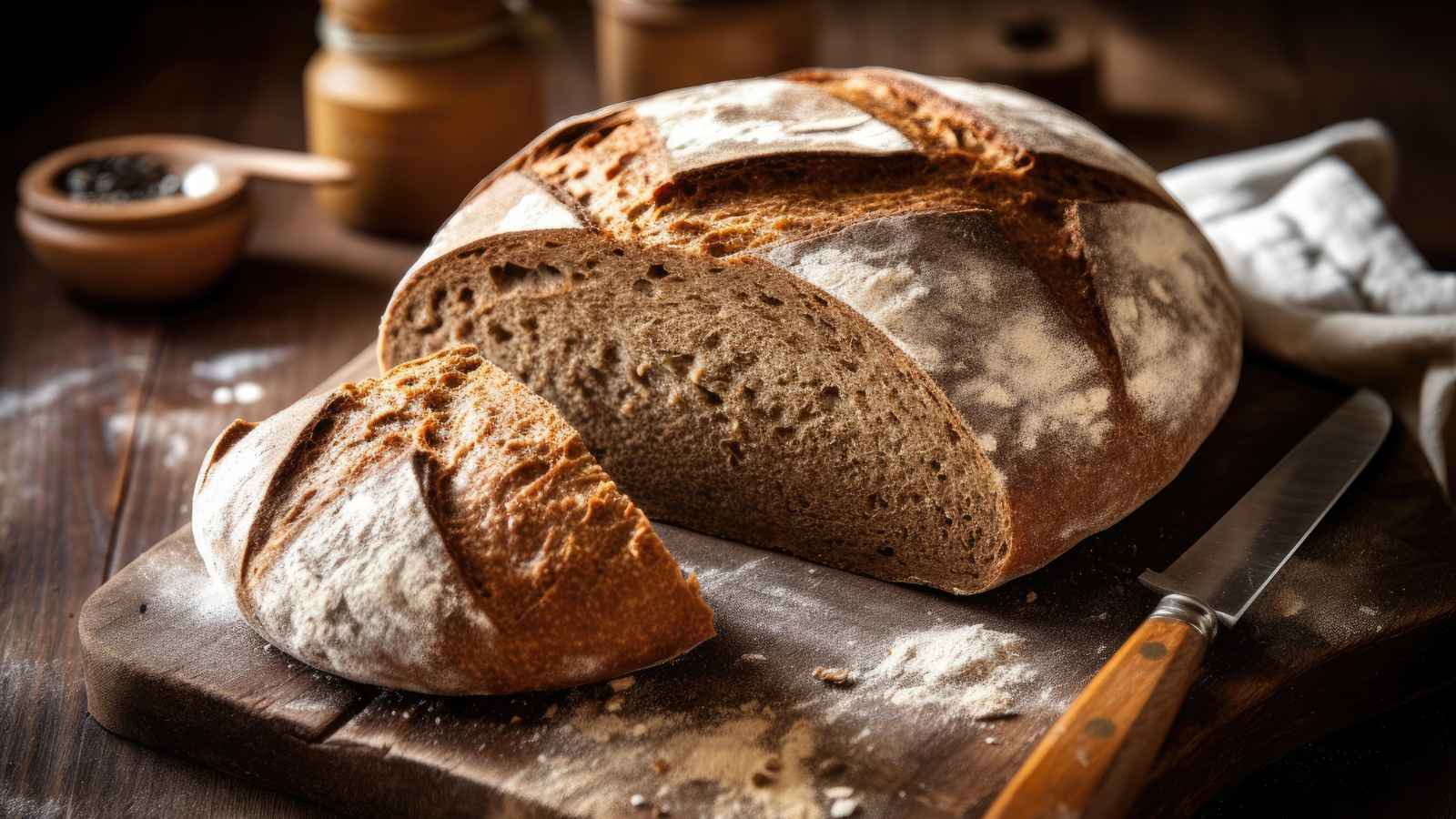
Barley was the working man’s staple grain because wheat was often too expensive for daily meals. It created a dense and heavy loaf that could sustain a laborer through long, hot days. This humble grain was the true foundation of the famous feeding of the five thousand.
While we are used to fluffy white slices, first-century bread was nutritious and packed with fiber. According to Mayo Clinic, barley contains about 6 grams of fiber per cup, making it very filling. Jesus would have broken these rough loaves with his hands rather than slicing them with a knife.
St. Peter’s Fish

The Sea of Galilee was teeming with life and provided a crucial source of protein for the locals. Tilapia, often called St. Peter’s fish, remains a popular catch in the region to this day. It was usually salted or dried to preserve it for the journey to markets in Jerusalem.
Fresh fish was a luxury reserved for those living right near the water’s edge or for special times. A 2024 report by the FAO states that aquatic foods provide about 15 percent of animal protein globally. You can bet that grilled fish on the shore was a favorite breakfast for the disciples.
Olives And Olive Oil

No meal in the ancient Mediterranean was complete without the liquid gold we call olive oil. It was used for cooking, lighting lamps, and even soothing dry skin in the arid climate. The Garden of Gethsemane literally translates to “oil press,” showing how vital this crop was.
People would often dip their bread directly into the oil seasoned with herbs like za’atar. Olives were cured in brine to remove their bitterness and served as a standard side dish. Interestingly, the International Olive Council reported global consumption was expected to hit 3 million tons recently.
Fresh Or Dried Figs

Walking along the dusty roads of Judea, travelers could often find relief in the shade of a fig tree. These sweet fruits were eaten fresh in season or dried into cakes for long storage. They were a quick source of energy and sugar when candy bars were obviously not an option.
Dried figs were a traveler’s best friend because they were lightweight and did not spoil easily. Jesus once used a barren fig tree as a powerful object lesson for his followers. Future Market Insights shows the global fig market is expected to grow by 5 percent annually.
Red Wine

Water quality was often questionable, so mixing wine with water was a standard safety practice. Red wine was a symbol of celebration and played a central role in the Passover feast. It was far different from the high alcohol vintage bottles we buy at the store today.
Save this article
The wine Jesus drank was likely fermented in skins and had a strong, earthy flavor profile. According to the OIV, global wine consumption in 2025 was estimated at a massive 232 million hectoliters. He used this common drink to establish a new covenant that changed history forever.
Lamb

Meat was not a daily dinner item for the average person living in first-century Israel. Lamb was reserved for significant festivals like Passover or very special guests. It was roasted whole and served as the centerpiece of a communal gathering.
Shepherds watched over flocks that were crucial for wool, milk, and eventual sacrifice. The imagery of the shepherd and his sheep is one of the most enduring biblical metaphors. In the US, lamb consumption remains niche, with the USDA noting Americans eat just over one pound annually.
Wild Honey

Before refined sugar took over the globe, wild honey was the primary way to sweeten food. John the Baptist famously survived on a diet of locusts and wild honey in the wilderness. It was considered a delicacy and a sign of God’s favor and abundance in the land.
Honey was often eaten with a piece of honeycomb or drizzled over fresh yogurt curds. It represented the sweetness of the law and the goodness of the promised land. The National Honey Board says per capita honey consumption in the US is around 1.3 pounds per year.
Pomegranates
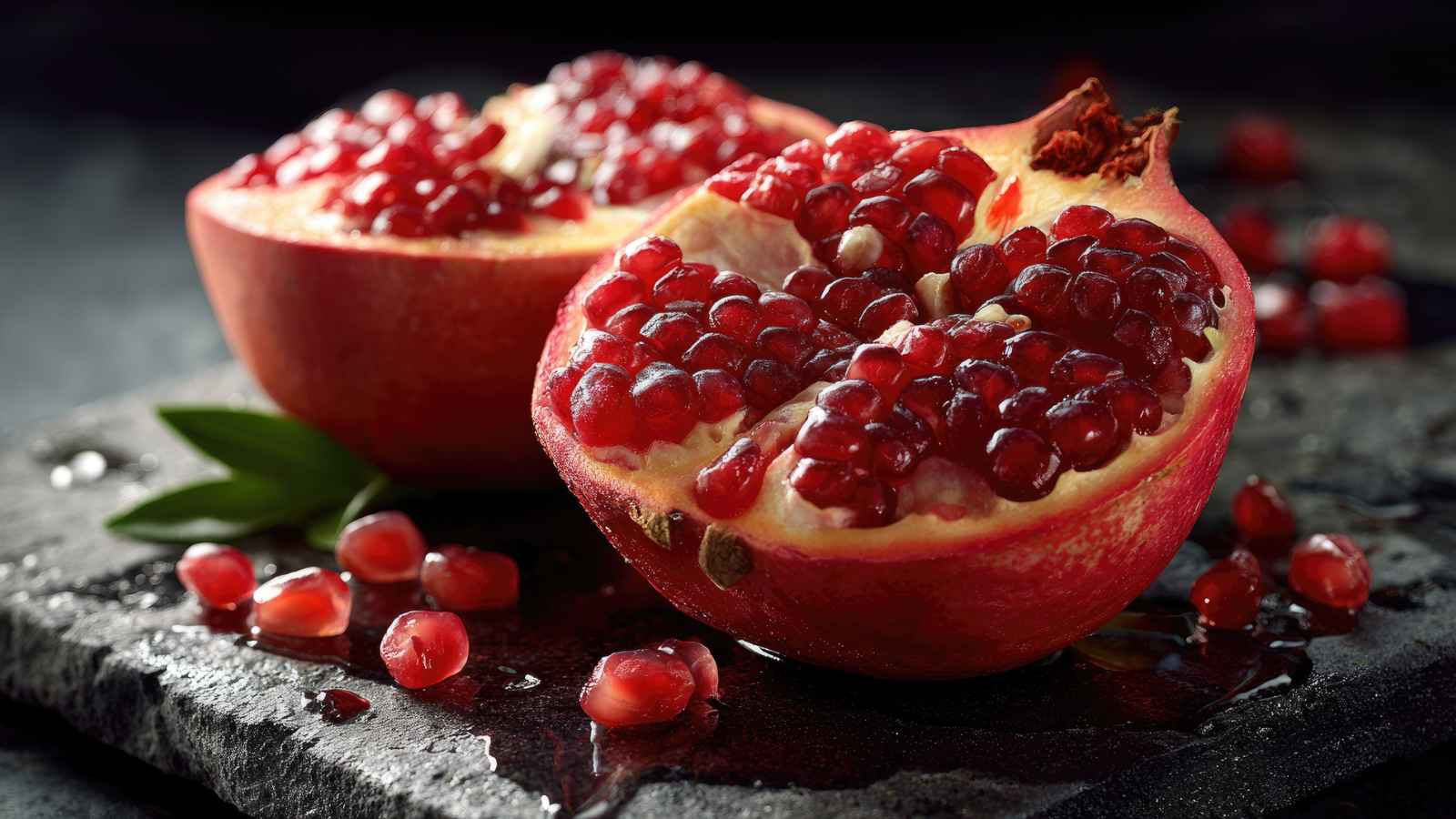
This fruit is packed with seeds and was used to decorate the hem of the high priest’s robe. Pomegranates symbolize fertility and abundance in Jewish tradition and art. Breaking one open was a messy but rewarding treat during the hot harvest season.
The juice is tart and refreshing, perfect for cutting through the richness of roasted meats. Scholars believe this fruit may have been the “apple” mentioned in ancient texts. A study published in ‘Frontiers’ highlights that pomegranate peel contains up to 30 percent antioxidants.
Lentil Stew

Esau sold his birthright for a bowl of red lentil stew, proving how tasty it could be. Legumes were the main source of protein for the poor who could not afford meat. They were cooked into thick porridges that filled bellies and provided long-lasting energy.
Lentils are incredibly drought-resistant, making them a reliable crop in the arid Middle East. A warm bowl of pottage would be a welcoming sight after a hard day of carpentry. Canada is the top producer, exporting nearly 2 million tonnes annually, according to Statistique Canada data.
Grapes

Vineyards covered the hillsides of Galilee, providing fresh fruit and the base for vinegar. Grapes were eaten fresh right off the vine during the late summer harvest. They were also dried into raisins to provide sweetness during the colder winter months.
The vine and the branches served as a key illustration in Jesus’ teaching on connection. Workers would sing together while treading the grapes in large winepresses. The US utilizes millions of tons of grapes, mostly for wine and juice.
Disclaimer – This list is solely the author’s opinion based on research and publicly available information. It is not intended to be professional advice.
Like our content? Be sure to follow us.





