Fruits can be powerful allies when it comes to trimming belly fat — and that’s not just diet-blog hype. Because many fruits are packed with fiber and water but low in calories, they help you feel full longer, reduce overeating, and support healthy digestion. According to The Journal of Nutrition, women who ate more fiber in a long-term study of over 250 participants were less likely to gain body fat and waist size.
That’s why including certain fruits in your daily meals can make a real difference. Their natural fibers slow digestion and curb hunger, while nutrients and antioxidants help regulate metabolism and fat storage. In short: these fruits don’t magically “melt” fat — but they support your body in a way that makes belly-fat loss easier when combined with a balanced diet and regular activity.
Grapefruit

Grapefruit contains enzymes that may help improve fat metabolism and support a slimmer waistline. It is low in calories, yet rich in vitamin C and hydration. Research shows that people who ate half a grapefruit before meals lost an average of 3.5 pounds in 12 weeks.
Its high water content helps curb hunger and reduce snacking between meals. Eating grapefruit before meals can lower calorie intake and assist weight loss. Experts often recommend it for its nutrients that discourage belly fat storage.
Apples

Apples contain soluble fiber like pectin, which slows digestion and helps you stay full longer. A medium apple has only around 95 calories, making it great for weight-conscious snacking. This fiber also stabilizes blood sugar, reducing the insulin spikes tied to belly fat.
MDPI research shows that apple eaters have a lower risk of obesity. Their high volume helps lower overall calorie intake when included in regular meals. The crunchy texture encourages slower, more mindful eating, supporting long-term weight control.
Berries

Berries offer fiber and antioxidants that help counter inflammation linked to deep abdominal fat. Blueberries, in particular, may improve insulin sensitivity, which is key to better metabolism. A cup of strawberries has just 49 calories and 3 grams of fiber, keeping intake light and satisfying.
Research by Katarzyna Kowalska shows that berry-rich diets can reduce belly fat and improve metabolic syndrome markers. Their natural sweetness helps manage cravings without spiking blood sugar. Swapping sweets for a bowl of berries is a delicious way to support a smaller waistline.
Watermelon

Watermelon is more than 90% water, helping you fill up with very few calories. One cup has just 46 calories, along with antioxidants and vitamins that support hydration and reduce bloating. It also contains L-citrulline, which supports better blood flow during exercise.
Its mild natural sweetness satisfies cravings without adding excess sugar. Watermelon’s hydrating nature helps reduce water retention for a flatter midsection.
Pineapple

Pineapple contains bromelain, an enzyme that supports digestion and reduces bloating. A cup has only about 82 calories, offering sweetness without overwhelming calorie intake. Its anti-inflammatory compounds make it a helpful choice for reducing deep abdominal fat.
The National Institute of Health shows bromelain assists protein breakdown and reduces discomfort from overeating. Pineapple’s high water content boosts fullness and reduces unnecessary snacking. Its vitamins also support immune health and digestive balance.
Avocado

Save this article
Avocados are rich in monounsaturated fats that support belly fat reduction. Each avocado contains about 10 grams of fiber, helping you feel satisfied longer. Including avocados in your diet can improve metabolic health and reduce abdominal fat.
Their creamy texture provides satisfaction without added sugar or refined carbs. They also help stabilize blood sugar, further discouraging belly fat gain.
Pears

Pears offer more fiber per serving than many fruits, helping meals feel larger and more satisfying. One medium pear provides about 5.5–6 grams of dietary fiber, which is roughly 20–22% of the daily value, helping reduce appetite and control calorie intake.
Their high water content improves fullness and digestion. The vitamins in pears support overall metabolic health. Their gentle sweetness makes them easy to include in any healthy eating plan.
Papaya

Papaya contains enzymes like papain that support digestion and help reduce bloating. A cup has only 62 calories, giving you volume without heavy calorie intake. Its anti-inflammatory nutrients also help reduce risks linked to abdominal fat.
Its mild sweetness works well in smoothies and salads. The vitamins in papaya support immunity and whole-body wellness.
Oranges

Oranges offer vitamin C, hydration, and fiber that support fat-burning goals. A medium orange provides just 62 calories and 3 grams of fiber for lasting fullness. Eating oranges before or between meals can reduce cravings and overeating.
Their natural acidity helps regulate digestion and maintain stable blood sugar. Oranges are affordable and accessible for most people. Their bright flavor also pairs well with other waist-friendly fruits.
Kiwi
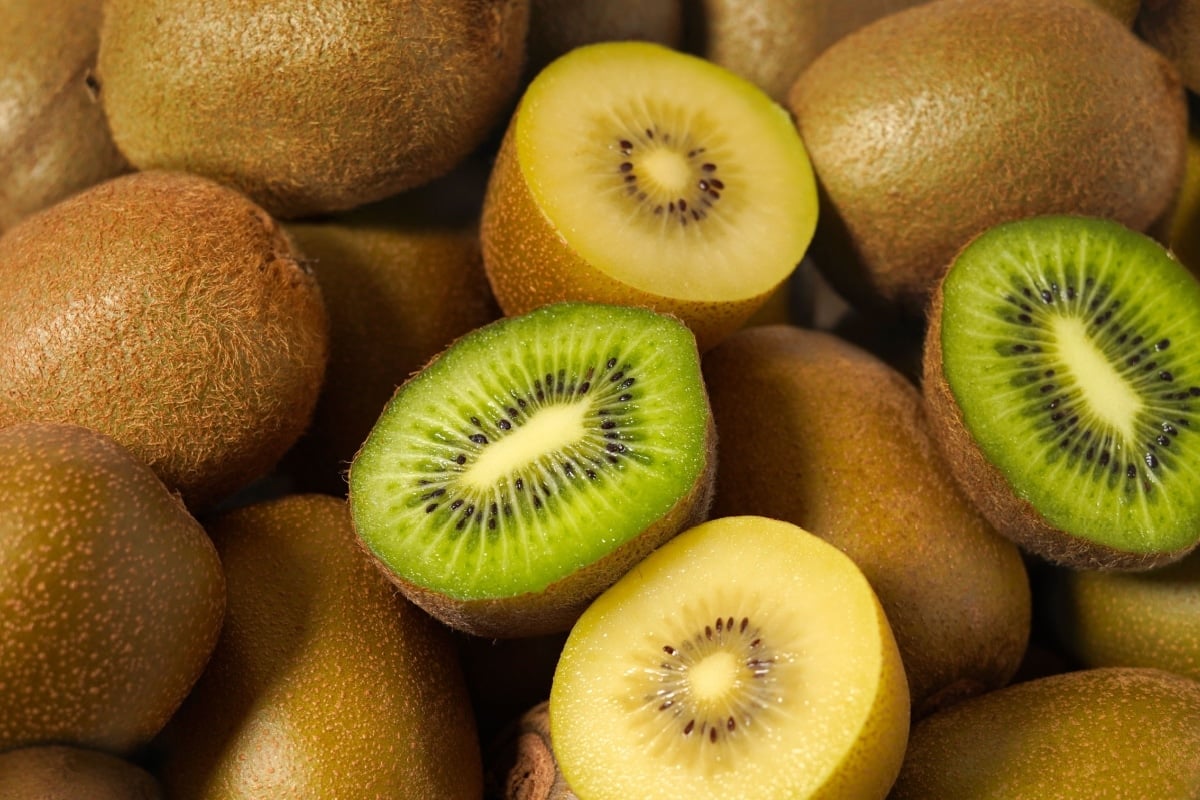
Kiwi supports healthy digestion and fullness with its mix of fiber, vitamin C, and digestive enzymes. One kiwi (about 69 g) contains only 42 calories and over 2 grams of fiber, making it a smart snack for weight loss.
UCLA Health notes that the mix of soluble and insoluble fiber plus actinidin improves laxation, eases constipation, and supports overall gastrointestinal comfort. This is why kiwifruit is often described as a “digestive powerhouse.”
Its tangy flavor adds variety to bowls, fruit blends, and smoothies. Vitamins and antioxidants work to reduce inflammation and support metabolic health.
Disclosure: This article was developed with the assistance of AI and was subsequently reviewed, revised, and approved by our editorial team.
Disclaimer – This list is solely the author’s opinion based on research and publicly available information. It is not intended to be professional advice.
12 Laws And Rules About Food In Other Countries

12 Laws And Rules About Food In Other Countries
Food is more than just nourishment; it’s a reflection of culture, tradition, and, in many cases, the law. Around the world, various countries have established distinct food regulations that may surprise travelers and food enthusiasts alike.
These laws reveal how deeply societies value what ends up on their plates. Here are 12 fascinating food laws and rules from around the globe that show just how diverse and sometimes unexpected our relationship with food can be.