

Homeowners often invest time, money, and effort in renovations with the hope of increasing property value. The reality is that many popular upgrades usually end up being passion projects rather than profitable investments. Some changes may enhance personal comfort, but when it comes to resale, they rarely resonate with buyers and have little to no impact on market prices.
Understanding which renovations fail to deliver a return is as important as knowing which ones do. Real estate professionals consistently warn that specific updates fall into the category of “value-neutral” or even “value-negative.” They might look appealing to the current owner, but do little to entice future buyers. Below are ten common renovations that add charm or convenience for you, yet contribute almost nothing to your home’s resale value.
High-End Kitchen Customizations
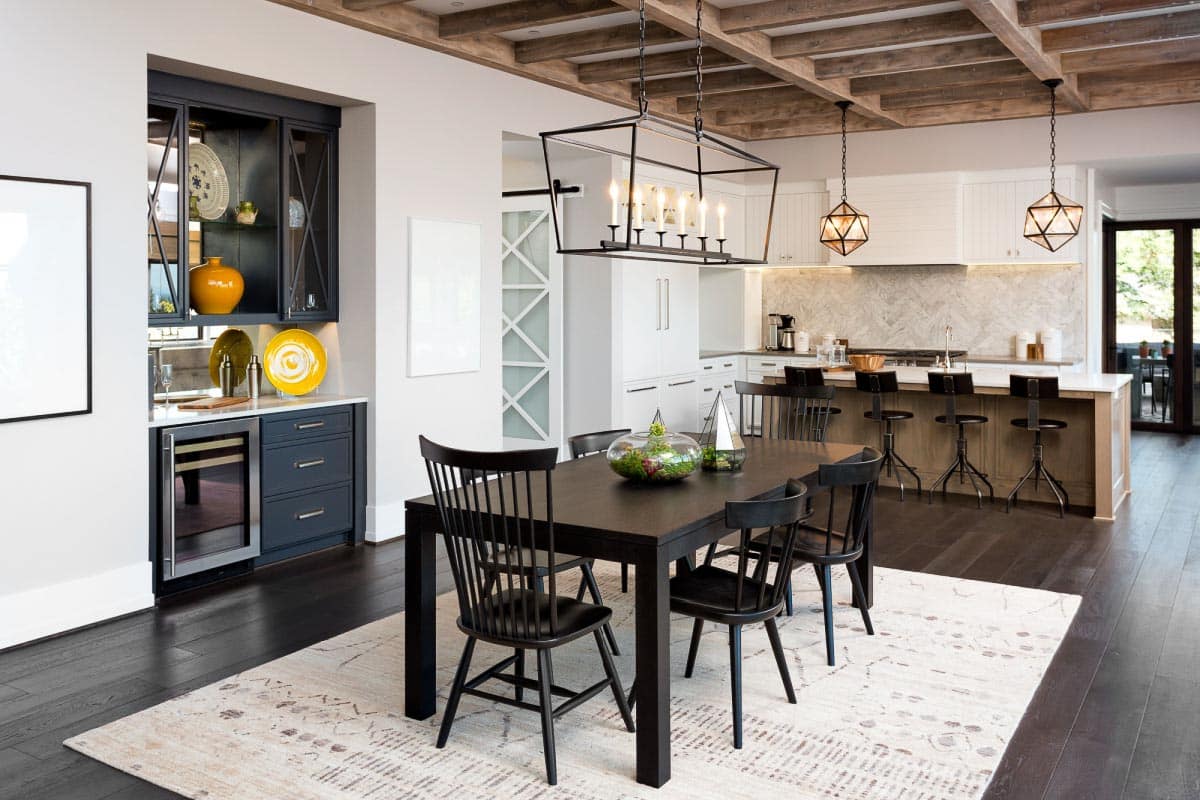
A gourmet kitchen filled with imported tiles, top-tier appliances, and custom cabinetry may feel luxurious, but the investment is seldom recouped. Buyers often appreciate functionality over extravagance, and ultra-personalized choices rarely align with broad tastes.
A built-in espresso machine or rare marble countertop might excite you, but most buyers do not want to pay a premium for features that are either unnecessary or expensive to maintain. Standard kitchen updates that keep things fresh and neutral often hold value, but returns drop dramatically once you cross into luxury customization.
Overly Personalized Bathrooms

Transforming a bathroom into a spa may create daily comfort but seldom influences property value. Adding a sauna, steam shower, or heated floors appeals only to a small group of buyers. According to Howard Hanna Allen Tate Real Estate, full-scale luxury bathroom additions typically return approximately 42% of their cost once the home is sold.
What buyers usually value is clean plumbing, solid tile work, and proper ventilation. Simple upgrades, such as replacing fixtures or improving lighting, can make a bathroom feel updated without draining your budget. Going overboard on luxury features tends to narrow the pool of interested buyers rather than expand it.
Sunrooms And Enclosed Porches

A glass-walled sunroom or enclosed porch may feel like extra square footage, but research shows that they often offer a return on investment of less than 50 percent. Unlike heated, fully insulated rooms, these additions usually fall outside formal living area measurements. This makes them costly to build, often costing $30,000 or more, yet they are often undervalued in appraisals.
Buyers may appreciate the charm of a sunroom, but most do not view it as essential. Real estate professionals note that these spaces are considered “bonus” areas, rather than driving forces behind offers. Sellers expecting a dollar-for-dollar return on sunroom construction often face disappointment.
Room Conversions With Narrow Appeal

Converting a bedroom into a walk-in closet, gym, or media room can often seem like a great lifestyle upgrade, but it narrows the home’s flexibility. Bedrooms are particularly valuable during resale, as the listing price often scales with the bedroom count. Reducing that number for a specialized space can lower buyer interest and diminish property value.
Even if the conversion is done well, buyers tend to view it as a project they will need to reverse. That perception translates into additional work and cost on their end, which discourages strong offers. Spaces that maintain flexibility usually hold the highest long-term value.
Swimming Pools In Cooler Climates

Pools are among the most misunderstood home additions in terms of return on investment. In warm regions with long swimming seasons, they may add appeal. However, in cooler climates, pools are often considered liabilities. They come with ongoing maintenance costs, safety concerns, and limited usability, so buyers rarely assign them added value.
The installation itself can cost tens of thousands of dollars, yet most appraisals do not reflect this expense. Families with young children may see a pool as a hazard, while those uninterested in swimming view it as wasted space. In many areas, a pool can reduce the yard size without compensating for the resale benefits.
High-Maintenance Landscaping

An immaculate yard is appealing, but expensive landscaping rarely produces returns in line with the investment. Installing water features, stone pathways, or themed gardens can cost tens of thousands of dollars yet add little to the appraisal value.
Elaborate landscaping often signals high maintenance, which can be unattractive to someone looking for a move-in-ready home. In contrast, clean and functional outdoor spaces consistently perform better when homes are put on the market.
Save this article
Home Office Overhauls

With remote work on the rise, many homeowners invest in elaborate office remodels. Built-in desks, wall-to-wall shelving, and custom layouts may seem forward-thinking, but these additions often fail to add resale value. Buyers appreciate the idea of a dedicated workspace, but they generally prefer flexible rooms that they can adapt to their own needs.
An overly customized office can limit appeal if it eliminates bedroom or storage space. Simple staging to show how a room can function as an office is usually more effective. Permanent structural changes, however, are rarely rewarded in final sale prices.
Solar Panels Installed Without Incentives

While renewable energy is growing in popularity, solar panel installation does not always increase property value, especially when done without government incentives or rebates. The upfront cost can be substantial, and not all buyers immediately see savings on utilities. In fact, leased solar systems can complicate the sale process because buyers may be hesitant to take on existing contracts.
Location plays a role as well. In regions with low energy costs or less sun exposure, panels may not deliver enough benefits to justify their presence. Unless the system is owned outright and the buyer is environmentally focused, solar panels often add little measurable value at resale.
Trend-Heavy Interior Designs

Bold wallpaper, niche color schemes, and unconventional finishes may make a statement, but they rarely retain their value over time. Interior design trends shift quickly, leaving today’s stylish look feeling outdated tomorrow. Buyers typically prioritize neutral backdrops that allow them to envision their own decor.
The cost of reversing trend-heavy designs can even lower perceived value. A buyer may calculate the expense of repainting or replacing materials and factor that into their offer. Simple, timeless interiors consistently deliver stronger appeal during resale than heavily stylized choices.
Smart Home Overloads

Technology upgrades such as voice-controlled systems, app-connected appliances, or advanced security networks often fail to boost home value. Tech evolves quickly, which means that what seems cutting-edge today can feel obsolete in just a few years. Buyers are aware of this cycle and do not assign lasting value to built-in tech features.
Additionally, many buyers worry about compatibility or security risks tied to older smart systems. They may even see the need to replace or remove such features. While modest upgrades, such as programmable thermostats, can appeal, extensive integration often adds little to no value to the resale.
Disclaimer – This list is solely the author’s opinion based on research and publicly available information. It is not intended to be professional advice.
How Total Beginners Are Building Wealth Fast in 2025—No Experience Needed

How Total Beginners Are Building Wealth Fast in 2025
I used to think investing was something you did after you were already rich. Like, you needed $10,000 in a suit pocket and a guy named Chad at some fancy firm who knew how to “diversify your portfolio.” Meanwhile, I was just trying to figure out how to stretch $43 to payday.
But a lot has changed. And fast. In 2025, building wealth doesn’t require a finance degree—or even a lot of money. The tools are simpler. The entry points are lower. And believe it or not, total beginners are stacking wins just by starting small and staying consistent.
Click here and let’s break down how.
5 Easy Steps to Change Any Habit

5 Easy Steps to Change Any Habit
We all click on them with the hope that just THIS time the secret to changing a bad habit or adopting a healthy one will be revealed and we’ll finally be able to stick to that diet, stop that one or ten things that might in the moment make us feel temporarily good but really just make us fat, unhealthy, sad, mad or just frustrated with ourselves.





