Some foods are just food, but others come with a side of serious global debate. We’re talking about dishes tangled up in animal cruelty, environmental collapse, and even life-or-death health risks.
What we eat has a massive impact, way beyond our own dinner table. Our demand for a hidden ingredient called palm oil has destroyed vital habitats for over half of the world’s threatened mammals.
So, let’s pull back the curtain. Here are 10 of the world’s most controversial foods, along with the shocking stories behind them.
Foie gras

You’ve probably heard of foie gras, which is French for “fatty liver.” But do you know how it’s made? It’s produced by force-feeding ducks or geese, a process called gavage. Workers shove pipes down the birds’ throats and pump them full of grain and fat. This occurs multiple times a day, until their livers swell up to 10 times their standard size. To put that in perspective, it’s like force-feeding a 150-pound human about 24 pounds of food every single day.
The EU’s Scientific Committee on Animal Health and Animal Welfare was pretty straightforward, concluding that “force feeding, as currently practised, is detrimental to the welfare of the birds.” And it gets worse. In France, the world’s largest producer, the industry only uses male ducks. This means around 40 million female ducklings are considered useless and are killed annually—often by being tossed into grinders while still alive.
They’re often kept in tiny cages, unable to turn around, and stand on metal grilles that cause painful foot infections. They’re even denied access to water for bathing, a fundamental need for ducks. Some producers claim to offer “ethical” foie gras, where birds gorge themselves naturally before migration. While this proves force-feeding isn’t necessary, these farms are incredibly rare and produce much smaller livers, making it an unscalable niche product.
Shark fin soup

Shark fin soup is a traditional Chinese delicacy, often served at weddings and banquets as a symbol of status. But the cost of this luxury item is devastating. The soup is made by “finning,” a practice where fishermen catch a shark, slice off its fins, and throw the still-living animal back into the ocean. Unable to swim, the shark sinks to the bottom and either suffocates, bleeds to death, or is eaten by other fish.
An estimated 73 million sharks are killed this way every year. This slaughter has caused oceanic shark populations to plummet by 71% since the 1970s. Today, over one-third of all shark and ray species are threatened with extinction. There’s also a direct risk to humans. Studies have found that shark fins often contain dangerously high levels of mercury, a neurotoxin that can cause serious health problems.
Bizarrely, some attempts to fix the problem may have made it worse. Laws banning “finning” at sea led many to adopt a “fins naturally attached” policy. A 2024 study in Science found this may have actually increased shark deaths, as it created a market for the whole shark, not just the fins. This isn’t just an animal welfare issue; it’s a climate issue. By keeping smaller predator populations in check, sharks help protect the fish that sustain healthy coral reefs. Without sharks, reefs die, and we lose a critical ecosystem that helps protect the planet from climate change.
Fugu

Fugu, or pufferfish, is a legendary Japanese delicacy known for one thrilling reason: it can kill you. The fish’s organs, particularly the liver and ovaries, contain a poison known as tetrodotoxin. It’s up to 1,200 times more lethal than cyanide, and there is no known antidote. The venom paralyzes your muscles while you remain fully conscious, and you eventually die from being unable to breathe.
It’s so dangerous that in Japan, fugu poisoning is responsible for roughly half of all food poisoning deaths. Even with strict regulations, between 1996 and 2006, there were dozens of poisoning incidents each year, with a fatality rate of nearly 7% among those hospitalized. To serve it legally, Japanese chefs must undergo at least three years of intense training to earn a special license. Interestingly, the danger is part of the appeal. There are now farm-raised, non-toxic fugu available, but as one source notes, this “takes some of the excitement out of eating it though.” The entire culinary ritual—the licensed chef, the high price, the thrilling risk—is what makes it a delicacy. The controversy is, in fact, the product.
This has created a fascinating clash of cultures. While Japan celebrates it as a managed risk, the European Union bans it completely, and the U.S. allows it only in a handful of licensed restaurants. It’s a perfect example of how one culture’s delicacy is another’s unacceptable public health hazard.
Ortolan bunting

This one is truly wild. The ortolan is a tiny songbird, no bigger than your thumb, and the centerpiece of an illegal and deeply controversial French ritual. The preparation is gruesome. According to CNBC, the birds are captured, kept in a dark box to make them gorge on millet, and then drowned in Armagnac brandy. They are then roasted and eaten whole—beak, bones, guts, and all.
Although the hunt was banned in 1999, for years the law was poorly enforced, and up to 50,000 birds were still being killed illegally each year. On the black market, a single bird can sell for over $200. The ban has, paradoxically, made the dish even more desirable for a certain elite. It’s a performance of wealth and power, a way to show you’re above the law.
The controversy and illegality have become key ingredients, making it a status symbol that continues to threaten the bird’s existence despite conservation laws.
Kopi luwak

You may have heard of Kopi Luwak, the world’s most expensive coffee. It’s famous for its unique production method: it’s made from coffee beans that have been eaten, digested, and excreted by the Asian palm civet. The story sold to tourists is that wild civets roam coffee plantations at night, selecting only the finest, ripest cherries to eat. Their digestive process supposedly ferments the beans, resulting in a coffee with an incredibly smooth and rich flavor.
But the reality is much darker. The booming demand has replaced the charming myth with a cruel industry. Today, tens of thousands of civets are poached from the wild and locked in tiny, filthy battery cages. They are force-fed a poor diet of only coffee cherries, which causes them to suffer from malnutrition and stress. PETA investigators have documented these animals exhibiting signs of severe psychological distress, pacing endlessly, and biting the bars of their cages.
The entire industry is now built on a lie. Farmers admit to investigators that it’s nearly impossible to collect enough wild droppings to be profitable, so they knowingly mislabel coffee from caged animals as “100% wild-sourced.” This deception is often fueled by tourism, as visitors flock to plantations to take selfies with the caged civets, unknowingly funding the very cruelty they’re witnessing.
Veal
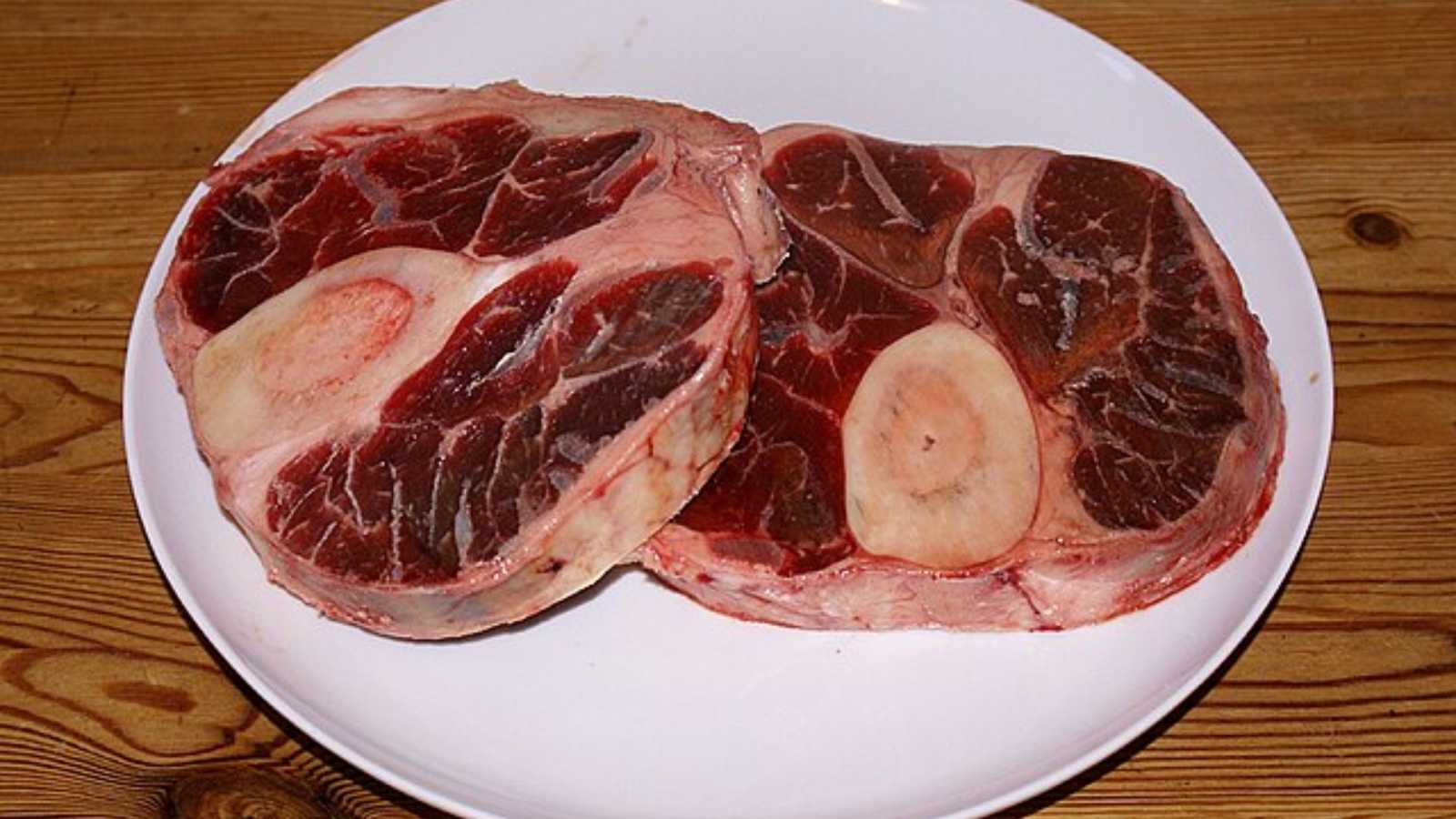
Veal is the meat of a young calf, usually a male from the dairy industry, slaughtered at just 16 to 18 weeks of age. The controversy centers on how “milk-fed” or “white” veal is produced. To get that signature pale, tender meat, calves have traditionally been raised in “veal crates“—stalls so narrow, often just 26-30 inches wide, that they cannot turn around or even lie down comfortably. They are fed an all-liquid diet that is deliberately low in iron to induce anemia, which keeps their flesh pale.
This system causes immense suffering. These calves develop painful stomach ulcers. They are taken from their mothers almost immediately after birth, and don’t receive enough of her vital first milk, called colostrum, leaving them with weak immune systems.
Public pressure has forced some changes. The U.S. veal industry, which raises over 450,000 calves a year, has been transitioning to group housing. The American Veal Association states that it’s committed to providing “quality care for our animals at every stage of life.” However, many animal welfare advocates argue that “humane veal” is an oxymoron. The most significant controversy, though, is its direct link to another industry: dairy.
Dairy cows must give birth to produce milk, but male calves are of no value to a dairy farmer. The veal industry exists as an economic solution for these unwanted male calves. This creates a powerful ethical dilemma. Anyone who consumes milk or cheese is participating in the system that produces these calves, making the debate about veal inseparable from the discussion on dairy.
Save this article
Bluefin tuna

Bluefin tuna are the Olympic athletes of the ocean—powerful, fast, and majestic. They’re also one of the most valuable fish in the sea, highly prized for their use in high-end sushi and sashimi. And that’s the problem. Our appetite for bluefin has pushed them to the brink of extinction. Decades of relentless overfishing caused the Pacific bluefin population to crash by a catastrophic 96% from its historic levels. All three species of bluefin are now on the IUCN’s list of threatened species.
Astronomical prices fuel the demand. At a Tokyo auction, a single bluefin tuna sold for a record-breaking $3 million. As Stanford scientist Dr. Barbara Block puts it via Seafood Watch, “The tuna fishery is a billion-dollar business… Its future is THE issue of the high seas.” But here’s a rare twist: this story might have a happy ending.
In a stunning conservation success, international cooperation to enforce strict, science-based fishing quotas has worked. The Pacific bluefin population has rebounded tenfold in recent years, exceeding recovery targets a decade ahead of schedule.
The bluefin’s survival depends on whether long-term sustainability can continue to win out over short-term profit.
Palm oil

You may not know it, but you likely use, wash with, and clean with palm oil every day. This incredibly versatile vegetable oil is found in about half of all products in the supermarket, from pizza and chocolate to lipstick and soap. The problem? It’s a primary driver of deforestation, particularly in Indonesia and Malaysia, which supply over 85% of the world’s palm oil. To make way for palm plantations, an area of rainforest equivalent to 300 football fields is cleared every hour.
This has been devastating for wildlife. Palm oil expansion is linked to the destruction of habitats for 193 threatened species, including the orangutan, pygmy elephant, and Sumatran rhino. So, should we boycott it? Surprisingly, no. Most experts agree that a boycott would be counterproductive. Palm oil is an incredibly efficient crop, producing up to 10 times more oil per hectare than alternatives like soybean or sunflower oil. Switching to these other oils would require significantly more land, likely shifting the deforestation problem elsewhere and exacerbating the issue.
The real solution is to demand certified sustainable palm oil, which is grown without causing deforestation. But it’s a tough fight. The industry has been accused of employing tactics similar to those used by Big Tobacco to combat regulations and conceal its impact, often disguising palm oil under dozens of different chemical names on ingredient lists.
GMOs

Few topics get people as fired up as GMOs. Genetically Modified Organisms are plants or animals that have had their DNA altered in a lab to introduce traits like pest resistance or drought tolerance. The controversy is a massive clash between scientific consensus and public opinion. Major scientific bodies worldwide, along with U.S. agencies like the FDA and EPA, have repeatedly stated that currently available GMO foods are safe to eat. The American Cancer Society, for example, has found “no evidence to link GMO food intake to an increased or decreased risk of cancer.”
Despite this, a large portion of the public remains deeply skeptical, fueled by concerns about “Frankenfoods” and potential long-term health effects. Some advocacy groups, as well as a statement signed by 300 scientists, argue that a genuine consensus on safety doesn’t exist and that more independent, long-term research is necessary.
But the debate isn’t just about health. For many, it’s a proxy war over who controls our food. The fear is less about the science of gene editing and more about the consolidation of power over the global food supply.
Bushmeat
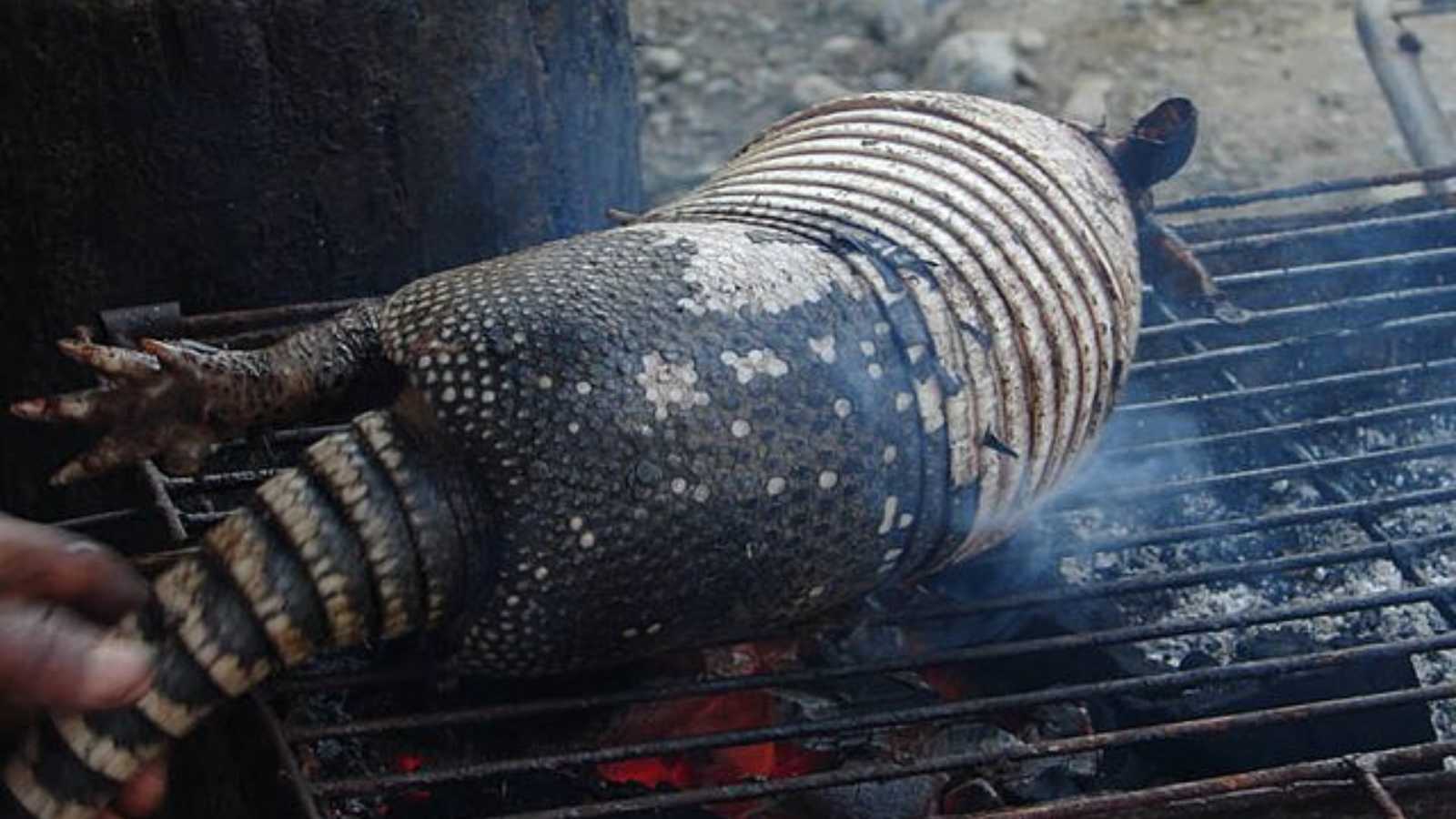
Bushmeat is a broad term referring to meat from wild animals hunted in regions such as Africa, Asia, and Latin America. It can be anything from porcupines and antelopes to monkeys, bats, and even elephants. The controversy is a collision of culture, conservation, and global health. For millions in rural communities, bushmeat is a vital source of protein and income, deeply woven into their cultural traditions.
But the commercial trade has exploded. Up to 5 million tons of bushmeat are now harvested from the Congo Basin each year, driven by demand from wealthy city dwellers who consider it a delicacy. The even bigger threat? Disease. The World Health Organization states that 75% of all emerging infectious diseases jump from animals to humans, and the bushmeat trade is a significant pathway. It has been linked to the origins of HIV, outbreaks of Ebola, and Monkeypox.
In our globalized world, a local disease spillover no longer stays local. With an estimated 7,500 tons of bushmeat smuggled into Europe annually, the risk is now global. As one evolutionary biologist put it, the illegal trade makes it “equally possible that the next global pandemic could start in Washington or Westminster.”
Key takeaway

From the depths of the ocean to the heart of the rainforest, what we put on our plates has the power to destroy ecosystems, endanger our health, and challenge our ethics. The real controversy isn’t just the food itself—it’s the complex web of culture, economics, and environmental impact behind it, along with the stories we often choose to overlook.
Disclaimer – This list is solely the author’s opinion based on research and publicly available information. It is not intended to be professional advice.
16 grocery staples to stock up on before prices spike again
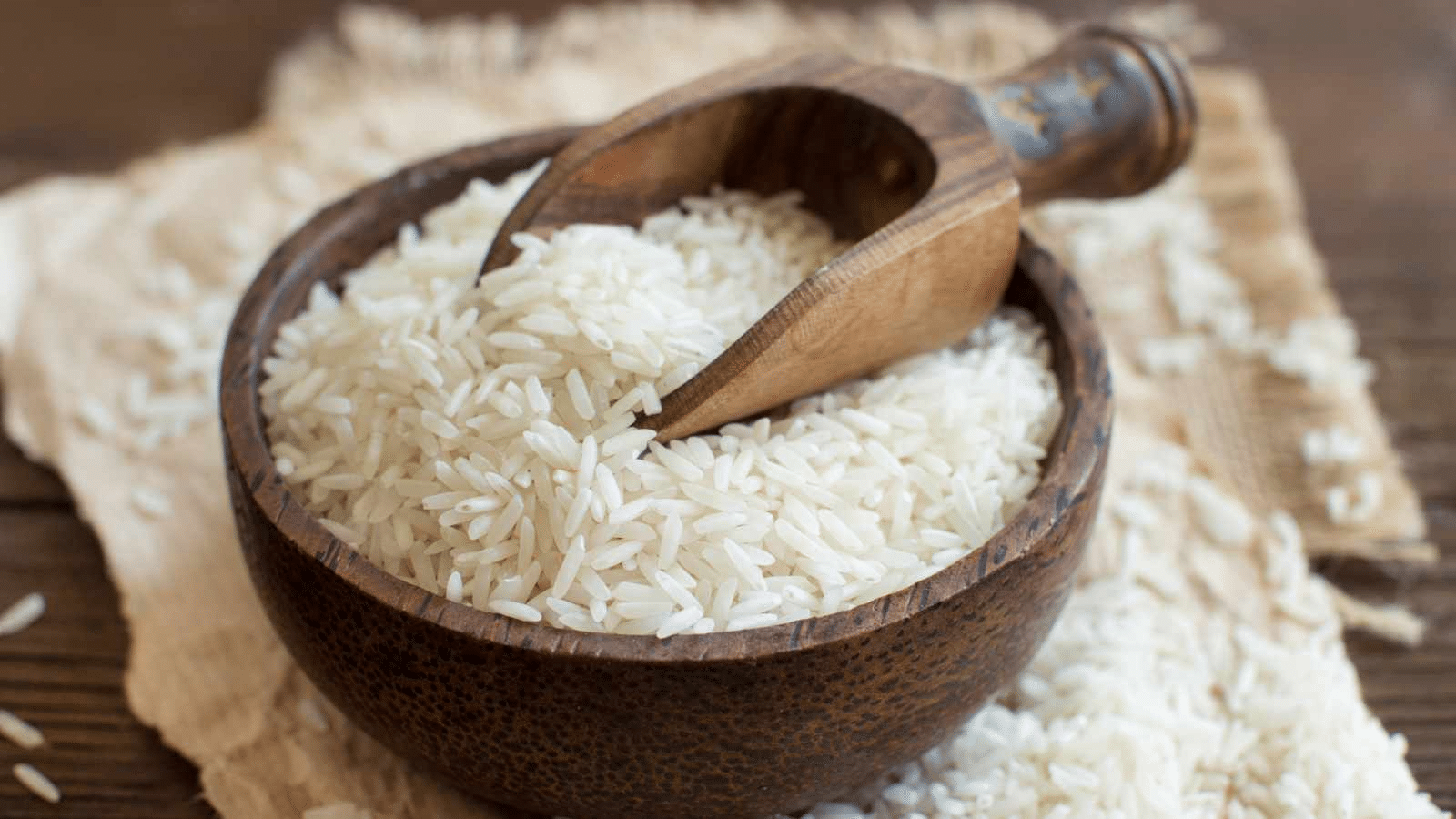
16 Grocery Staples to Stock Up On Before Prices Spike Again
I was in the grocery store the other day, and it hit me—I’m buying the same things I always do, but my bill just keeps getting higher. Like, I swear I just blinked, and suddenly eggs are a luxury item. What’s going on?
Inflation, supply-chain delays, and erratic weather conditions have modestly (or, let’s face it, dramatically) pushed the prices of staples ever higher. The USDA reports that food prices climbed an additional 2.9% year over year in May 2025—and that’s after the inflation storm of 2022–2023.
So, if you’ve got room in a pantry, freezer, or even a couple of extra shelves, now might be a good moment to stock up on these staple groceries—before the prices rise later.
Like our content? Be sure to follow us.