

When we talk about mental health today, the conversation often centers around therapies, medications, and individual coping strategies. These are vital, no doubt. But what if ancient wisdom held keys to well-being that our modern society is just beginning to rediscover?
For millennia, Native American communities developed rich spiritual and cultural practices that inherently fostered emotional and psychological balance, creating a healthy lifestyle deeply rooted in connection. These aren’t just historical footnotes; they are living traditions that offer powerful insights into human flourishing.
Let’s see some of these profound ideas and how they can inspire our journey to mental wellness.
Self-Reliance

While community is paramount, Native American traditions also value individual self-reliance and the ability to care for oneself. This isn’t about isolation but about developing personal productivity and skills that contribute back to the group. It builds confidence and a sense of capability, crucial for mental health.
Connection to Nature

Native American cultures deeply value their kinship with the natural world, seeing it as a living relative and a source of healing. Spending time outdoors, connecting with the land, the sky, and even pets, promotes tranquility and reduces stress. A 2024 survey by the National Recreation and Park Association found that 92% of Americans reported feeling a deeper connection to nature after spending time outdoors, indicating a link to improved mental wellness. This reverence for Mother Earth offers a timeless antidote to modern anxieties.
Community and Kinship

The strength of family and community relationships is central to the lives of Native Americans. There’s a profound understanding that individual health flourishes when surrounded by a supportive collective. This communal bond acts as a powerful buffer against loneliness and isolation, reminding us that we are all interconnected. Research by the American Psychological Association (2023) suggests that strong social connections can reduce the risk of mental health issues, underscoring the significance of these ties.
Storytelling and Oral Tradition

The power of narrative in Native American cultures goes beyond entertainment; it transmits knowledge, values, and coping strategies. Sharing personal stories and listening to ancestral tales can be deeply therapeutic, helping individuals process experiences and find inspiration. This tradition reminds us of the profound growth that comes from communal wisdom and shared experiences, a valuable tool for personal growth and self-improvement.
Gratitude and Acknowledgment

Many Native American ceremonies and daily practices are rooted in profound gratitude for the Earth’s bounty, the gifts of life, and the strength of community. Regularly acknowledging these blessings can shift perspective and cultivate a positive mindset. A 2022 study found that regular gratitude practices can increase feelings of happiness, providing robust evidence in support of this lifestyle belief.
Respect for Elders and Ancestors

Elders in Native American cultures are revered as living libraries of wisdom, and ancestors are honored for their enduring legacy. This deep respect for past generations provides a sense of belonging, identity, and continuity. It reminds us of the long chain of relationships that support us, offering both guidance and a sense of enduring purpose.
Purpose and Contribution

Save this article
Every individual in Native American communities typically has a recognized role and contributes to the community’s overall well-being. This sense of purpose and being valued is a powerful antidote to feelings of aimlessness or insignificance. Engaging in meaningful work, whether it involves food, home improvement, or community service, fosters productivity and has a positive impact on mental health.
Resilience and Adaptability

Native American peoples have shown incredible resilience in the face of immense adversity. Their traditions often contain lessons in perseverance, adapting to change, and finding strength in the face of hardship. This spirit of fortitude, a true testament to self-improvement, is an invaluable lesson for anyone facing life’s challenges, especially in our ever-changing world. A 2022 study highlighted that Indigenous-led mental health programs, which often incorporate traditional healing practices, show significant improvements in well-being outcomes for participants.
Humility

A deep sense of humility and recognition of one’s place within the vast web of life is a common theme. This belief prevents arrogance and fosters a sense of equality and respect for all beings. It encourages individuals to learn continuously, to serve rather than dominate, which contributes to overall health and peaceful relationships. This contrasts sharply with some aspects of modern finance, where individual gain dominates.
Respect for all Living Things

From the smallest insect to the largest animal, all living beings are seen as interconnected and deserving of respect. This extends even to pets, which are often considered part of the family. This belief fosters empathy, reduces feelings of superiority, and cultivates a broader sense of responsibility and connection to the Earth’s diverse inhabitants, benefiting one’s overall health.
Disclaimer – This list is solely the author’s opinion based on research and publicly available information. It is not intended to be professional advice.
How Total Beginners Are Building Wealth Fast in 2025—No Experience Needed

How Total Beginners Are Building Wealth Fast in 2025
I used to think investing was something you did after you were already rich. Like, you needed $10,000 in a suit pocket and a guy named Chad at some fancy firm who knew how to “diversify your portfolio.” Meanwhile, I was just trying to figure out how to stretch $43 to payday.
But a lot has changed. And fast. In 2025, building wealth doesn’t require a finance degree—or even a lot of money. The tools are simpler. The entry points are lower. And believe it or not, total beginners are stacking wins just by starting small and staying consistent.
Click here and let’s break down how.
5 Easy Steps to Change Any Habit
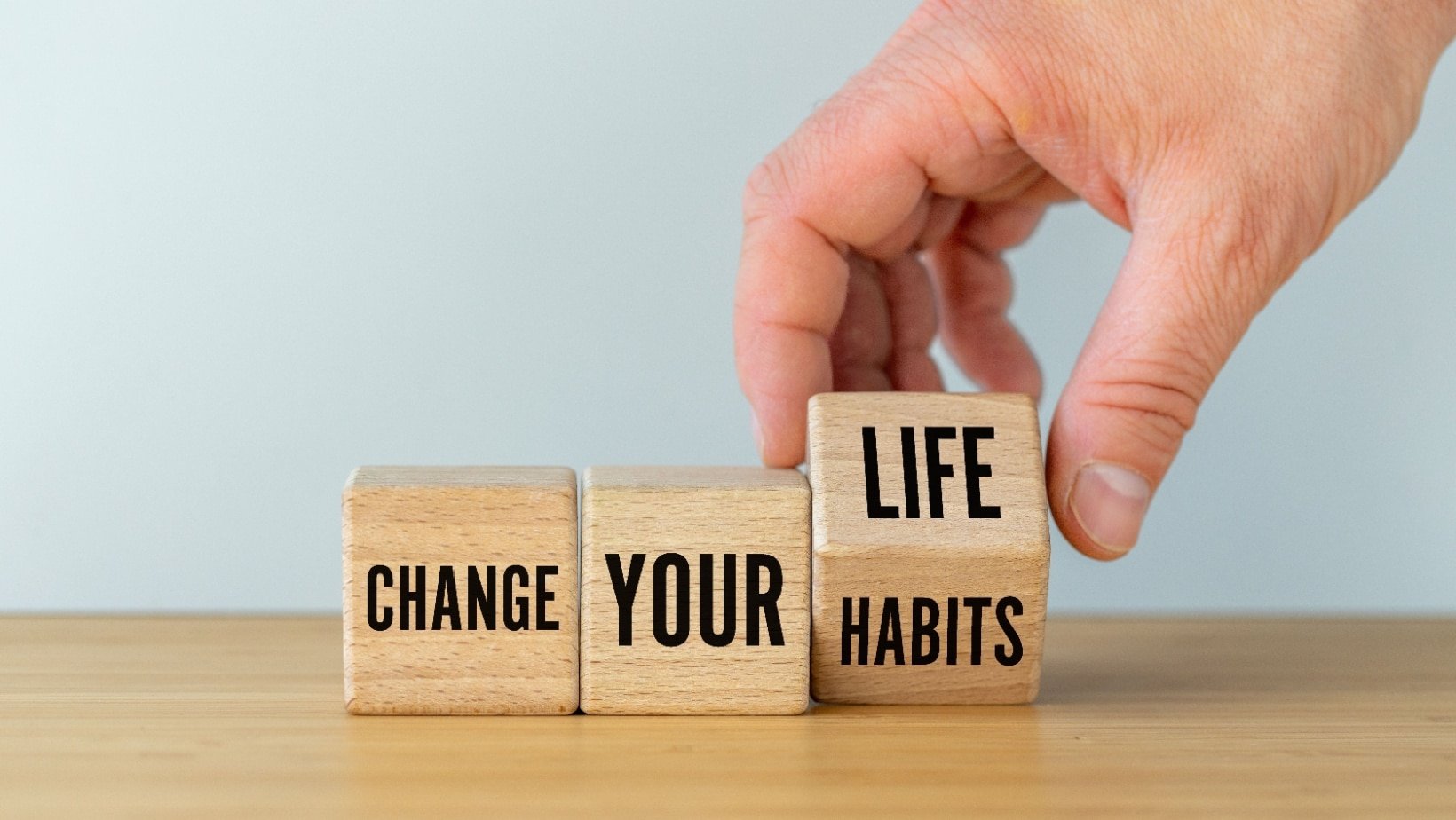
5 Easy Steps to Change Any Habit
We all click on them with the hope that just THIS time the secret to changing a bad habit or adopting a healthy one will be revealed and we’ll finally be able to stick to that diet, stop that one or ten things that might in the moment make us feel temporarily good but really just make us fat, unhealthy, sad, mad or just frustrated with ourselves.





