

I’ve stood on windswept cliffs in Maine, hiked desert trails in Arizona, eaten roadside barbecue in Texas, and watched the sun dip behind Alaskan glaciers.
I’ve visited all 50 states, and I love this country’s variety. But let’s be honest: not every popular attraction lives up to the hype.
In early 2026, Tripadvisor and consumer sentiment reports highlighted a sharp rise in “disappointment ratings,” with iconic spots like Chicago’s Navy Pier and San Antonio’s Alamo topping lists for overcrowding and poor value for the dollar.
It isn’t just a feeling, it’s an economic shift. With the average cost of a domestic vacation rising by 8% year-over-year and record-high hotel rates, the margin for a “bad trip” has never been thinner.
Even our crown jewels are feeling the squeeze; as of January 2026, many high-traffic national parks have implemented surge pricing or strict reservation systems to cope with the 331 million annual visitors currently straining their infrastructure.
Some places promise magic and deliver overpriced souvenirs, shoulder-to-shoulder crowds, and parking fees that feel borderline criminal.
So if you’re planning a trip and want to avoid regret, here are 10 of the worst U.S. tourist traps to avoid, according to someone who’s visited all 50 states, plus smarter alternatives that won’t drain your wallet.
Hollywood Walk of Fame – more sidewalk than stardom
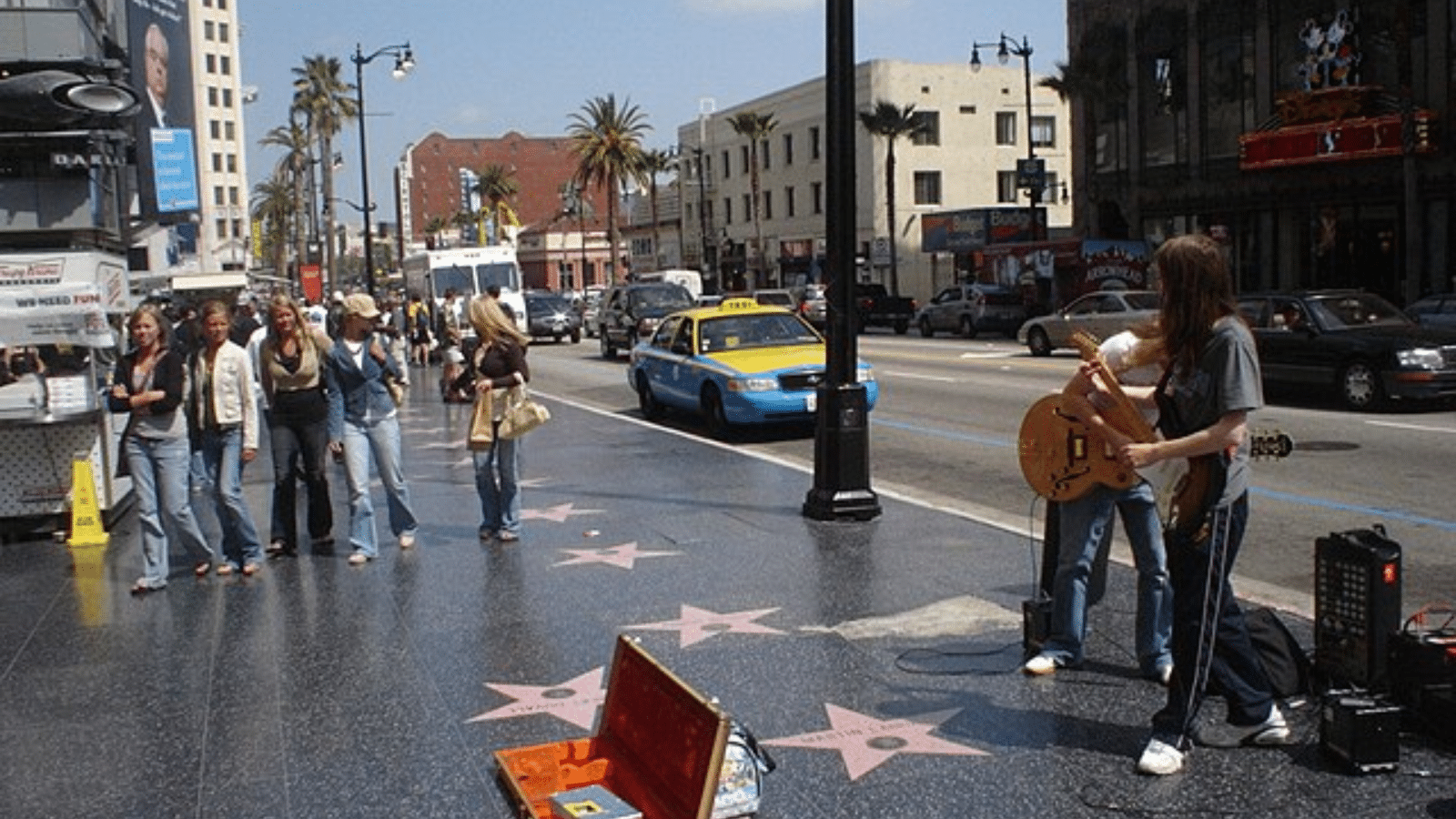
People picture red carpets and glamorous celebrity sightings. In reality, you get a long stretch of crowded sidewalk covered in star plaques, street performers in fading costumes, and aggressive souvenir vendors.
I remember stepping out of my car thinking, “This is it?” The area often feels chaotic and grimy. You’ll dodge selfie sticks and tour buses while trying to spot a name you recognize.
Why It Disappoints
- Heavy crowds year-round
- Limited actual attractions nearby
- Overpriced shops and parking
Overpriced shops hawk cheap souvenirs, while parking garages charge $11–$36 for a few hours. Los Angeles offers stunning beaches, views of Griffith Observatory, and world-class museums. IMO, your time works better elsewhere.
Times Square – bright lights, big billboards, bigger bills
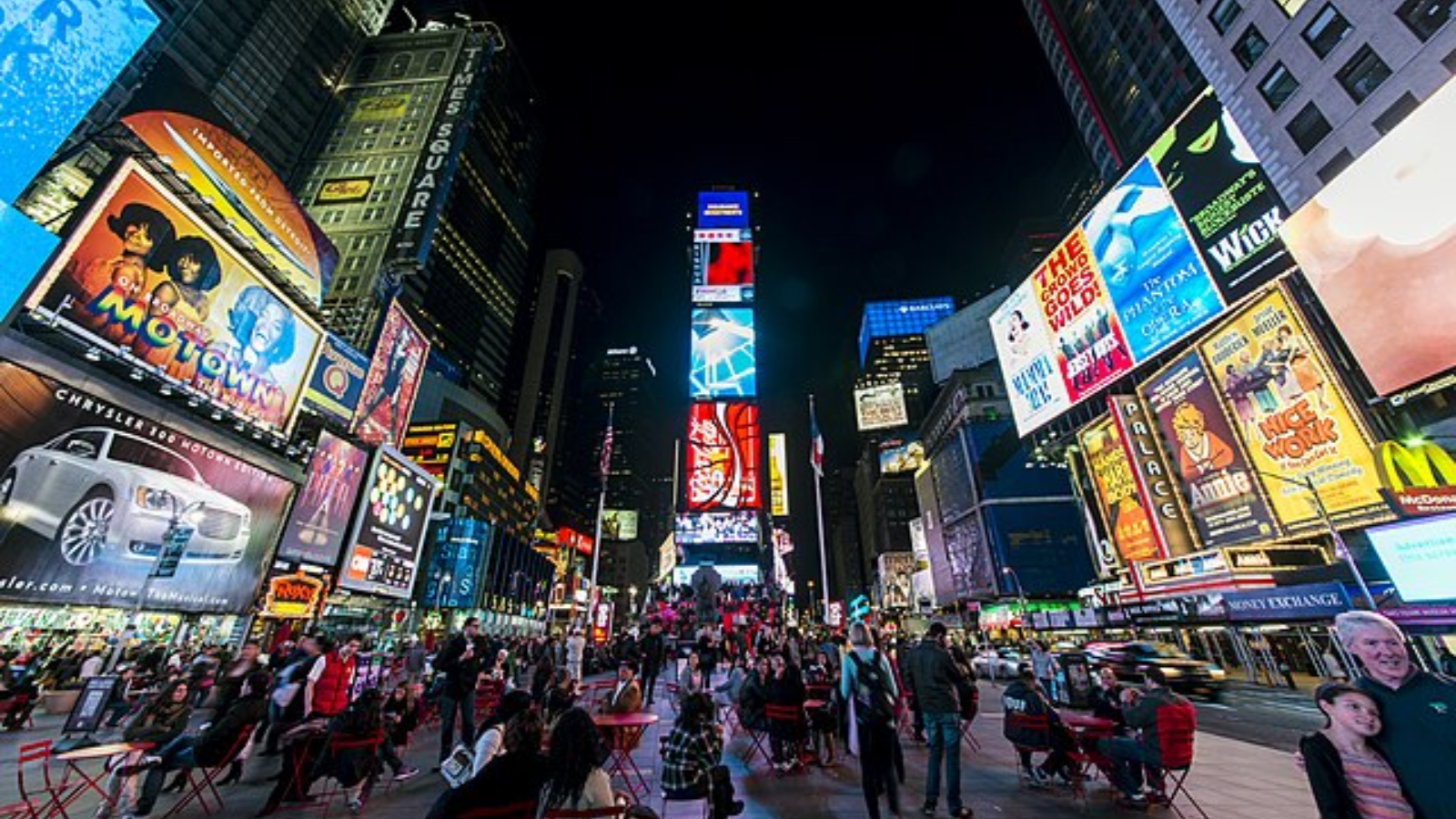
Times Square looks electric in photos. Neon screens flash constantly, and the energy feels intense. But after about 20 minutes, the novelty fades.
Restaurants charge premium prices. Chain stores dominate the retail scene. Street characters aggressively demand tips for photos. You pay Manhattan prices for an experience that feels commercialized.
New York City offers authentic neighborhoods like the West Village or Brooklyn’s DUMBO that feel far more memorable.
When you compare those options, it’s fair to ask: why stand in a human traffic jam when the real character of the city is waiting just beyond the lights?
Four Corners Monument – a Long drive for a quick photo
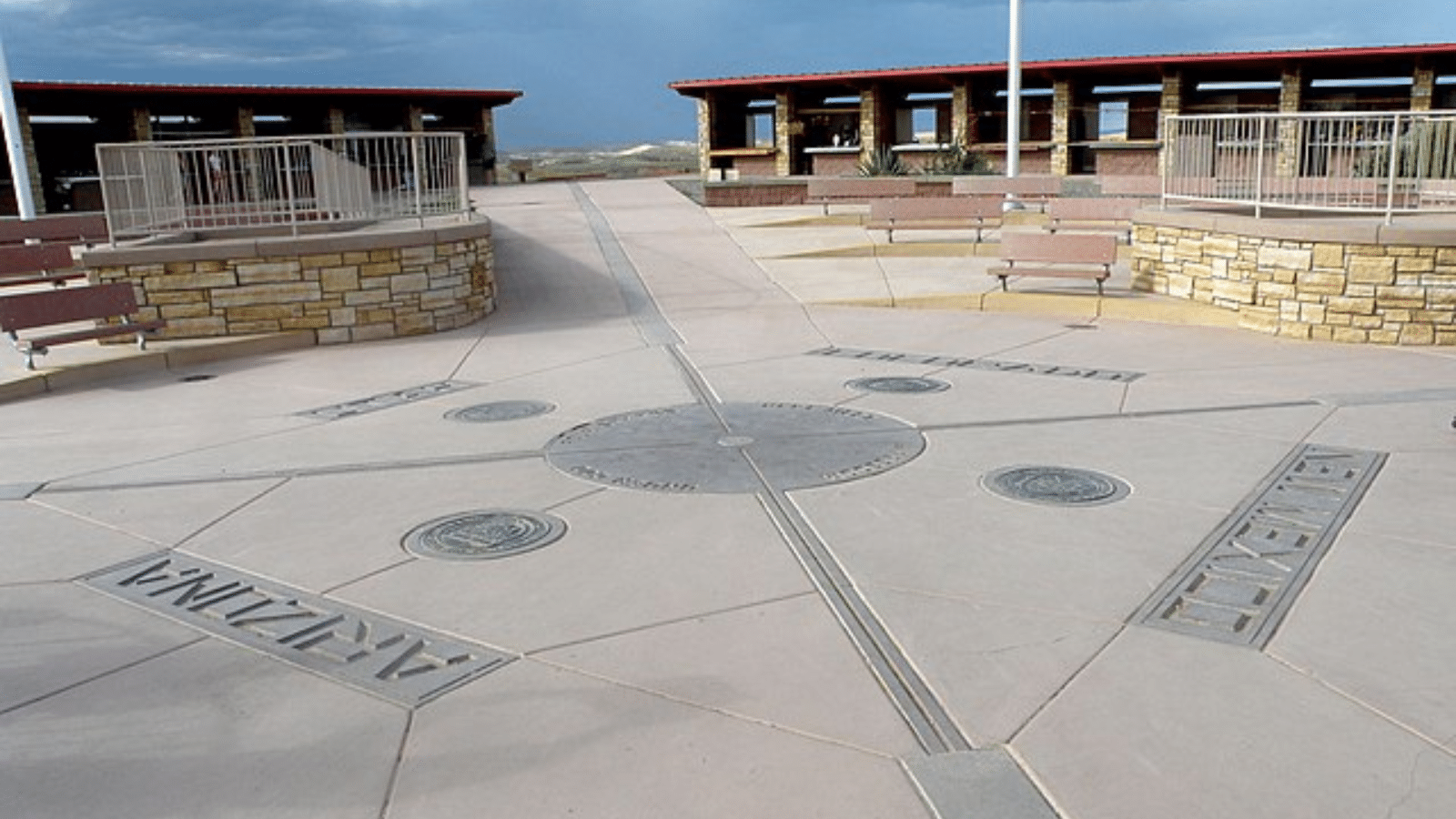
Four states meet at one small concrete marker. That’s the entire attraction. You stand in line, snap a photo, and leave.
I drove hours through desert highways to visit, and the experience lasted about five minutes. Vendors sell trinkets nearby, but little else fills the visit.
What You Actually Get
- A photo opportunity
- Minimal shade
- Entry fees
The surrounding Southwest region offers breathtaking national parks. Monument Valley or Mesa Verde delivers real impact.
Mesa Verde National Park draws 500,000-600,000 annually, featuring 4,300+ ancient cliff dwellings for immersive archaeological hikes. Four Corners mostly delivers a checkbox.
Plymouth Rock – smaller than you imagine

History books build anticipation around Plymouth Rock. When you finally see it, you might laugh. The rock sits enclosed beneath a stone canopy, looking surprisingly tiny.
Visitors often react with confusion. You stare, take a quick picture, and move on. The historical significance matters, but the physical experience disappoints many travelers.
The waterfront in Plymouth provides scenic ocean views, charming shops, and a relaxed coastal atmosphere. Nearby, Cape Cod draws visitors with its beaches, quaint towns, and classic New England character.
Many travelers end up enjoying these nearby attractions far more than the rock itself. In the end, the story behind Plymouth Rock remains fascinating, but the actual sight often feels anticlimactic compared to the expectations built over time.
South of the border – roadside nostalgia that feels dated

Billboards along I-95 advertise this stop for miles. You expect quirky roadside fun. Instead, you find aging attractions and gift shops that feel frozen in time.
The giant sombrero tower, with a 200-foot observation deck reached by a $4 glass elevator ride, grabs attention, but many of the facilities look run-down, with reviews calling it “kitsch gone wrong” and overpriced.
Road trips are built on spontaneity and the excitement of discovering something unexpected, but not every heavily advertised stop lives up to its promise.
Save this article
In this case, the billboards do a lot of the heavy lifting, creating an image that’s more compelling than the attraction itself. Sometimes the hype works harder than the attraction itself. Sometimes the hype works harder than the attraction itself.
Las Vegas Strip – flashy, fun, and financially draining

The Strip dazzles at night, and I genuinely enjoy the lights, energy, and nonstop buzz that make it feel like the center of everything. But once you spend a little time there, the costs start piling up faster than expected.
High hotel rates are just the beginning, followed by mandatory resort fees that aren’t always obvious when booking. Dining can be surprisingly expensive, even for simple meals, and paid parking adds another layer of cost that didn’t always exist before.
On top of that, casinos have tightened gambling odds, while shows and attractions now come with premium-priced tickets that push budgets even further.
The entertainment still shines and delivers a memorable experience, but the overall value has clearly shifted over time, leaving many budget travelers feeling squeezed and forced to rethink their Strip experience.
Waikiki beach – beautiful, but packed wall-to-wall

Waikiki looks stunning in postcards, with Diamond Head rising in the distance and turquoise water glowing.
But the beach fills up shoulder to shoulder, topping global complaint lists, with 67.3% of reviews citing overcrowding amid 88,000 daily tourists and 28,000 hotel rooms.
High-rise hotels dominate the skyline. Surf lessons crowd the shoreline. You compete for sand space. Hawaii offers quieter alternatives on Oahu’s North Shore or on islands like Kauai.
Waikiki still has its appeal, especially for first-time visitors who want energy and convenience, but if your goal is peace and space, it can feel more frustrating than relaxing.
Fisherman’s Wharf – tourist-centric and overpriced

Fisherman’s Wharf serves clam chowder in sourdough bowls and sells endless souvenirs. The sea lions at Pier 39 entertain visitors, but much of the area feels commercial.
Restaurants charge inflated prices. Crowds fill sidewalks daily. For a more genuine San Francisco experience, many visitors head to neighborhoods like the Mission District or Haight-Ashbury.
These areas offer unique food scenes, independent shops, historic character, and a stronger sense of the city’s creative spirit.
Fisherman’s Wharf can still be worth a quick visit, especially for the views and iconic sights, but if you’re searching for authentic local charm, you’ll likely find it elsewhere.
Mount Rushmore – iconic, but brief
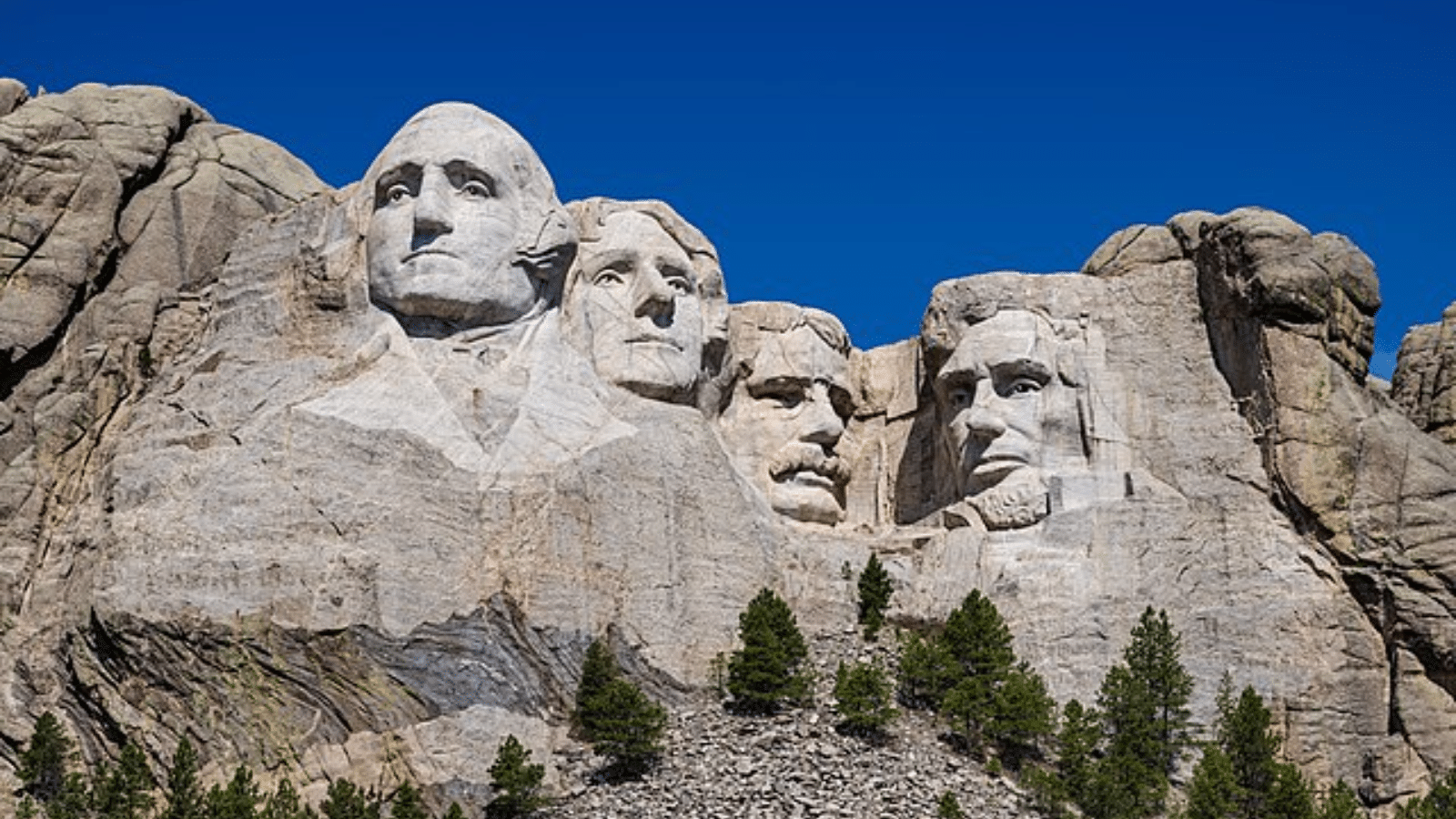
Mount Rushmore inspires awe for about ten minutes with its 60-foot presidential carvings in granite, completed in 1941 after 14 years of work.
Seeing the massive, carved faces of four U.S. presidents up close is impressive, and the monument’s craftsmanship is undeniable.
But for many visitors, that feeling peaks quickly. You arrive, walk the main viewing path, take a few photos from different angles, and within a short time, you’ve essentially experienced the entire site.
The visit can feel surprisingly brief, especially considering the anticipation, and added costs like parking can make it feel less satisfying as a standalone destination.
The Black Hills region offers stunning scenic drives, such as the Wildlife Loop Road through Custer State Park, home to 1,300 bison and expansive prairie views. Rushmore works as a quick stop, not a full-day experience.
The Alamo – Smaller than the Legend
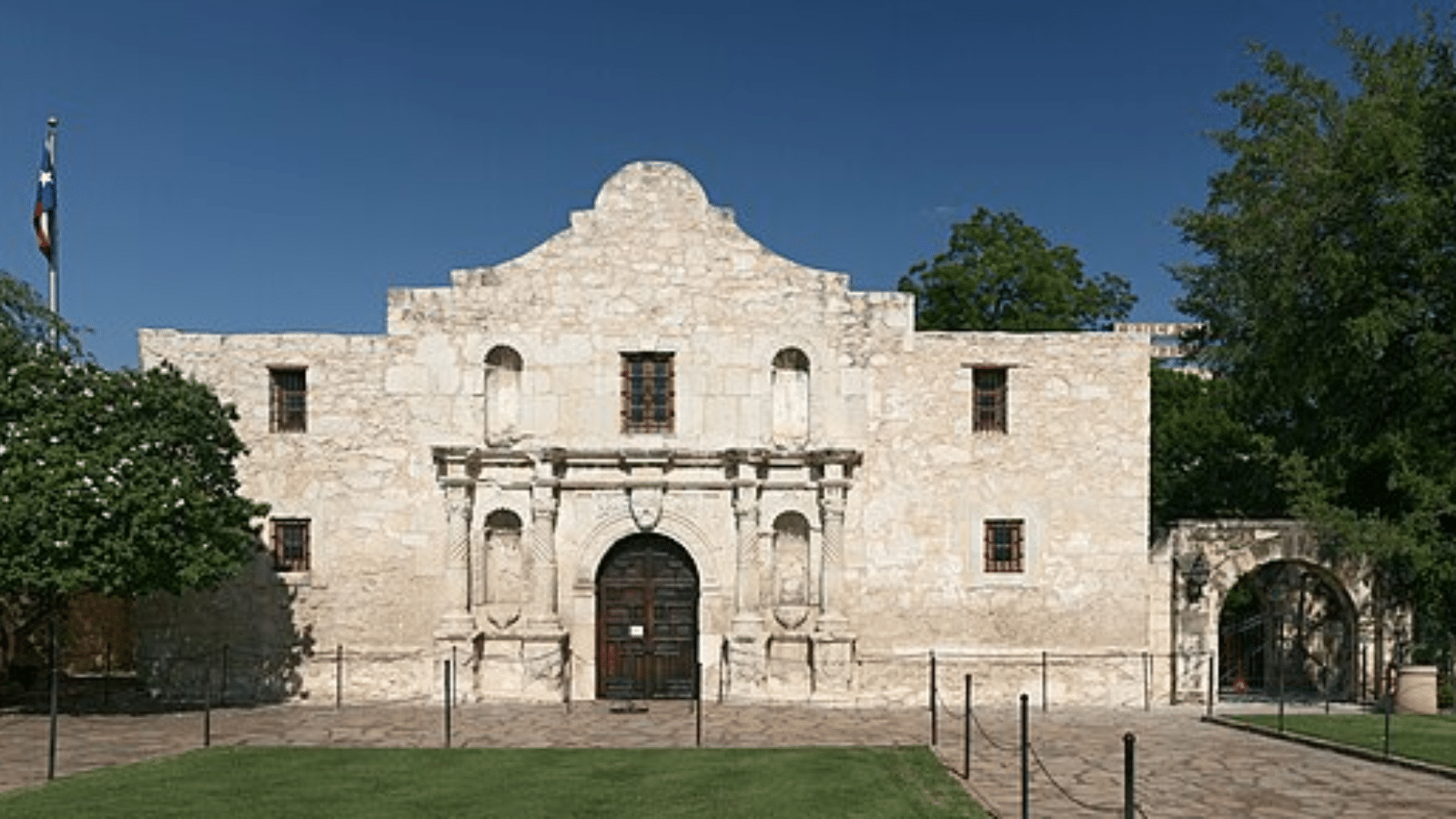
The Alamo carries enormous historical weight, especially as a symbol of the Battle of the Alamo. When you finally see it in person, though, many visitors are surprised by how modest the structure actually feels.
The façade is instantly recognizable, but the overall footprint is far smaller than people often imagine after hearing the story for years. That contrast between legend and physical scale can catch first-time visitors off guard.
Just steps away, the San Antonio River Walk offers a completely different atmosphere. Lined with restaurants, shops, and scenic pathways, it offers a lively, immersive experience that can easily fill an afternoon or evening.
In comparison, the Alamo stands as a powerful yet compact landmark rich in story. For some visitors, that difference between expectation and reality creates a sense of surprise, where the legend feels larger than the space itself.
Final thoughts: Travel smarter, not just popular

Every place on this list draws millions of visitors for a reason. Some offer historical value. Others deliver visual spectacle.
But 10 of the worst U.S. tourist traps to avoid, according to someone who’s visited all 50 states, share one trait: hype outweighs experience.
I don’t regret visiting any of them. I just wouldn’t prioritize them again. America overflows with underrated gems, state parks, local diners, hidden beaches, and small-town festivals.
So before you book your next trip, ask yourself: do you want the postcard version or the real adventure? Choose wisely. Your travel memories deserve more than a crowded sidewalk and a souvenir mug.
Disclaimer – This list is solely the author’s opinion based on research and publicly available information. It is not intended to be professional advice.
Like our content? Be sure to follow us





