

Ever felt your eye twitch when someone drops a phrase that makes your skin crawl faster than nails on a chalkboard?
A recent survey by Preply of nearly 2,000 Americans found that 50% use slang or buzzwords without truly knowing their meaning, while 66% of parents are annoyed by slang in conversations.
Corporate buzzwords like “game changer” and “leverage,” along with phrases like “with all due respect,” which often signal an insult, have pushed Americans to their breaking point.
Even words like “cringe” have lost their impact, failing to trigger the reaction they describe. Experts agree these phrases have lost impact and need to disappear faster than Monday morning motivation. Ready to see if your least favorite cut? Let’s dive in!
With all due respect

Let’s start with the granddaddy of fake politeness. When someone hits you with “with all due respect,” brace yourself, because absolutely zero respect is about to follow.
Political writer Garrett B. Matty has aptly described it in his characterization of this phrase as the verbal counterpart of smiling before you slap someone.
Why it’s exhausting: It is a free pass to be rude. The term has become so clear that no one is unaware of what is going to erupt next, and it is not a pretty sight.
Using this phrase is like putting a “no offense, but…” before insulting someone’s cooking. Spoiler alert: offense will definitely be taken.
It is what it is

Talk about the weakest advice ever! This is an expression that has become the verbal synonym for throwing your hands up and giving up altogether.
It was best characterized by writer Brandon Specktor, who termed it a longer (and more desperate) form of what is known as whatever.
The reality check: When an individual utters this phrase, they are essentially saying that they have Nothing of value to add, but they do not want to end the conversation.
It is the verbal form of shrugging your shoulders when someone requires real support or answers. By the way, this expression often makes people feel as though they are not being heard.
Game changer

Here’s the thing about game changers: if everything is a game changer, then nothing actually is. Patrick from Washington, DC, summed it up perfectly: “Nothing is a game changer if everything is a game changer.”
The Overuse Problem: Your New Coffee Maker? Game changer. That productivity app? Total game changer. Someone’s haircut? You guessed it, game changer!
This expression has become as thin as pizza dough by this time. It’s lost all impact and sounds like corporate speak gone wild.
Narrative/Change the narrative

Catherine of Westchester did not restrain herself in calling this expression word salad, and no one can blame her, because she is not mistaken.
This buzzword has turned out to be so vague that it practically means nothing, yet it means everything at the same time.
The confusion factor: What exactly are we talking about? Whose narrative? But what will one do to change it? These are the questions that are not answered, as the phrase itself is just tossed about with nothing in it.
It has become a generalization when someone wants to sound profound without actually saying anything significant.
Woke

In 2022, a poll conducted by Marist found that 35 percent of Americans believe the most annoying word used in a conversation is “woke,” irrespective of their political affiliation.
That’s pretty impressive for a word that somehow managed to unite everyone in their collective eye-rolling.
The exhaustion is real: Wokeness as an awareness of social issues has been weaponized, overused, and twisted to the point where it has lost its meaning.
It is now merely a verbal grenade to be thrown around, leaving everyone more puzzled than informed.
Thanks in advance

This seemingly polite phrase has a dark side; it’s pretty presumptuous and passive-aggressive. Elizabeth Danziger from Inc. explains that it works by “creating a sense of obligation in the reader.”
The issue: It presupposes that the individual will certainly do what you are requesting, which can be demanding instead of appreciative. Rather than being grateful, it is off-putting.
Save this article
It is the equivalent of counting your chickens before they hatch, but instead of the chickens, it is the favors of other people.
I could care less

Here’s where Americans really mess things up linguistically. A whopping 59% of people misuse this phrase, and it drives grammar enthusiasts absolutely bonkers.
The correct one is ‘I couldn’t care less,’ meaning you care so little that it’s impossible to care any less.
The logic fails: By saying that you could not care less, you are implying that you do care to some extent. It is entirely the reverse of what you are attempting to say!
This widespread confusion has become one of the most annoying grammatical irritations in America.
Can we talk?

Four small words that can cause anxiety to the ceiling at a faster rate than a rocket ship. This term has turned out to be the worst conversational killer, as it instantly makes people expect that something awful is taking place.
The anxiety trigger: As one Reddit user perfectly explained, uttering the words ‘can we talk?’ gives a person a feeling that someone has died or something terrible, when it is merely a question of what you would like to do during your birthday.
The unnecessary suspense building is cruel and unusual punishment for anyone with anxiety.
Text acronyms (Gratz, ianal, etc.)

A 2025 survey revealed that Americans are becoming increasingly annoyed by text acronyms, particularly older generations, who find them confusing and isolating. IYKYK (if you know, you know) may be the largest of the sinners. It is cryptic and offers no insight whatsoever.
The generation gap: Although young people may be using acronyms like “GRATZ” to congratulate someone, older Americans would remain in the dark about what is being said as shortenings cause a barrier to communication rather than bridging it, which is counterproductive to language.
Cringe

Oh, the irony! The word “cringe” has become so overused that hearing it now makes people… well, cringe. While it once had a significant impact, its effect has been significantly diluted by overuse.
The vicious cycle: According to Lake Superior State University, its use has become so excessive that the word ‘cringe’ may now induce the cringe itself. We’ve come full circle, folks, and it’s not pretty.
Time to clean house

Language naturally evolves, but when phrases lose meaning or become verbal crutches, it’s time to retire them. This applies to corporate buzzwords and illogical expressions that many would prefer not to hear again.
By identifying and retiring these linguistic offenders, we can improve our conversations and preserve our sanity. The author invites readers to suggest other phrases that deserve to be removed, noting that “IMO” could be one such example.
Disclaimer – This list is solely the author’s opinion based on research and publicly available information. It is not intended to be professional advice.
Like our content? Be sure to follow us
The 18 dumbest things men associate their masculinity with today

The 18 Dumbest Things Men Associate Their Masculinity With Today
In the grand theater of life, masculinity has often been associated with a bewildering array of props – some amusing, some perplexing, and others downright illogical. From the size of one’s biceps to the depth of one’s voice, from the choice of a car to the preference for meaty meals, men have often found themselves embroiled in a curious quest to assert their manhood.
16 grocery staples to stock up on before prices spike again
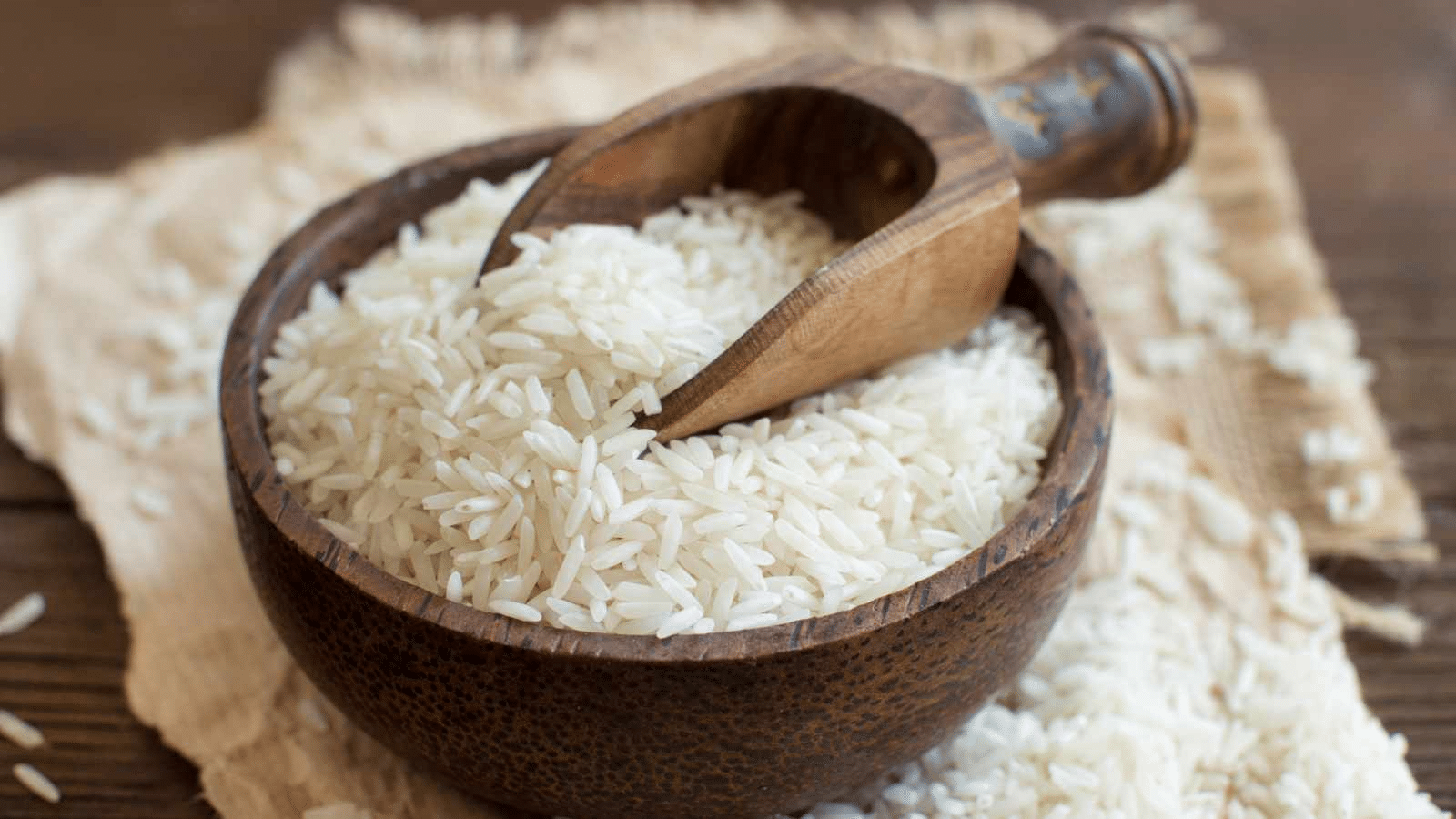
16 Grocery Staples to Stock Up On Before Prices Spike Again
I was in the grocery store the other day, and it hit me—I’m buying the exact same things I always do, but my bill just keeps getting higher. Like, I swear I just blinked, and suddenly eggs are a luxury item. What’s going on?
Inflation, supply-chain delays, and erratic weather conditions have modestly (or, let’s face it, dramatically) pushed the prices of staples ever higher. The USDA reports that food prices climbed an additional 2.9% year over year in May 2025—and that’s after the inflation storm of 2022–2023.
So, if you’ve got room in a pantry, freezer, or even a couple of extra shelves, now might be a good moment to stock up on these staple groceries—before the prices rise later.





