Across the world, childhood is not a shared experience; it’s sharply divided by income. According to global estimates from organizations like UNICEF and the World Bank, nearly 1 in 5 children live in extreme poverty, surviving on less than $2.15 per day.
In sub-Saharan Africa, that number is even higher, with over 40% of children experiencing multidimensional poverty, meaning they lack access to basic needs like education, healthcare, clean water, or adequate nutrition. Meanwhile, children in wealthier households benefit not just from financial stability but from systems designed to protect and accelerate their development.
Here are 10 realities that many poor children face daily, realities that wealth often shields others from.
The Responsibility of Early Caretaking

Poor kids are often expected to act like adults long before they turn eighteen. They may be responsible for cooking meals or caring for younger siblings while their parents work multiple low-wage jobs.
This early responsibility can lead to a situation in which the child loses their childhood to the family’s needs. Caring for others at a young age builds character, but it also places a heavy emotional burden on a child.
They often miss out on social activities and play because they are needed at home to keep things running. Living under constant responsibility prevents them from ever truly experiencing the freedom of being a child.
The Heavy Weight of Parental Stress

Children in low-income homes often possess an uncanny ability to read the emotional climate of their household. They can sense the tension in the air when the stack of unpaid bills on the kitchen table grows taller.
This constant vigilance prevents them from experiencing the carefree ease that is a hallmark of a wealthy upbringing.
Research shows that children in areas with higher income inequality (studied in over 10,000 U.S. children) experience structural changes in the brain. Protecting your mental health as a child is difficult when the adults around you are in a permanent state of survival.
The Silent Reality of Food Insecurity

The fear of an empty refrigerator is a reality that many children face long before they understand the concept of a grocery store. They learn to ignore hunger pangs or to fill up on low-cost processed options that lack proper nutrition.
This relationship with sustenance creates a lifelong habit of prioritizing quantity and shelf life over quality or taste.
USDA reports from late 2025 indicate that 14.1 million children in the United States currently live in food-insecure households. Managing a family grocery list becomes a high-stakes calculation when every dollar must be stretched to the absolute limit.
Navigating the Digital Divide

Rich kids often have the latest devices and high-speed internet access as soon as they are old enough to use them. Poor kids frequently rely on outdated hardware or a single shared smartphone to complete their school assignments.
This gap in access to technology can lead to significant disadvantage in an increasingly digital world.
Education data from 2026 confirms that 35 percent of disparities in educational achievement are directly linked to unequal opportunities. Success in any profession requires a level of digital literacy that is often paywalled for the underprivileged.
The Complexity of Financial Literacy

Wealthy children often observe their parents discussing investments and interest rates as a normal part of their daily life. Disadvantaged kids are more likely to see the immediate consequences of not paying a bill or losing a job.
This creates a very different type of financial knowledge, based on survival rather than growth.
Scarcity teaches children to focus on immediate needs; they rarely have the opportunity to learn about long-term planning. Managing your money effectively is a skill that is rarely taught in the environments where it is needed most.
Living in a Constant State of Transit

Save this article
Poor kids often spend a significant portion of their day waiting for buses or walking long distances to get to school. They do not have the luxury of a private driver or a reliable family vehicle to whisk them to extracurricular activities.
This lack of mobility limits their world and makes every errand a major logistical challenge.
Public transportation schedules often dictate when a child can participate in social events or study groups. Missing a single bus can mean being late for class. Owning a reliable car is a significant financial hurdle for many families in the current economy.
The Hard Lesson of Material Deprivation

Rich kids are shielded from the embarrassment of wearing shoes that are too small or clothes that are out of style. Poor kids quickly learn the social cost of having “enforced deprivation” when they cannot afford seasonal items like a winter coat.
This awareness of their own appearance can lead to a significant drop in self-esteem during their teenage years.
According to United For ALICE data, in 2022, about 50 % of U.S. children lived in households that couldn’t afford basic costs. Every dollar in the family budget is a difficult choice between a new pair of shoes and a hot meal.
The Insecurity of Emergency Housing

A stable home is a luxury that many children in poverty do not have the opportunity to experience. They may spend months moving between relatives’ homes or living in temporary emergency accommodation.
This lack of a permanent space makes it nearly impossible to maintain a consistent routine or a quiet place to study.
Frequent moves mean changing schools, and this instability creates a sense of rootlessness that can persist well into adulthood. A successful journey toward adulthood is much harder when you do not have a consistent place to rest your head.
The Educational Funding Gap
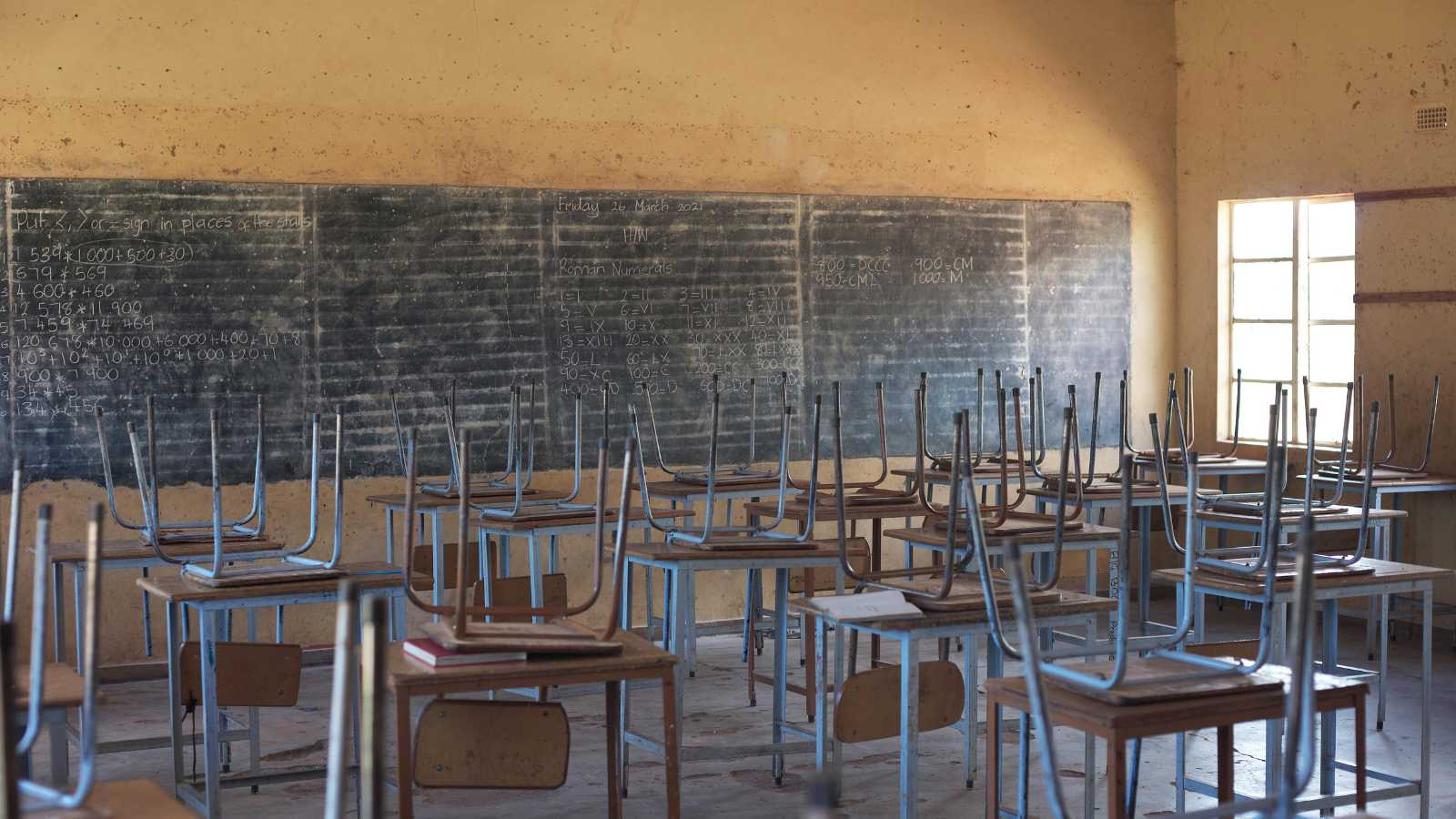
Rich kids attend schools with massive endowments and cutting-edge laboratories that prepare them for elite universities. Poor kids are often relegated to underfunded districts where the textbooks are decades old, and the facilities are crumbling.
This disparity in resources creates a permanent “learning poverty” that is difficult to overcome.
Global reports show that the richest learners receive up to six times as much public education funding as the poorest. Every child deserves a chance to succeed, regardless of their parents’ wealth or their neighborhood.
The Lack of a Social Safety Net

Affluent families have a wide web of connections that can provide internships and career opportunities with a single phone call. Poor kids often lack these professional networks and must rely solely on their own effort to open every door.
This gap in social capital is a silent barrier that keeps many talented young people from reaching their potential. High achievers from low-income backgrounds often have to build their own networks from the ground up.
They do not have mentors who can provide insider advice on navigating corporate or academic systems. Growing into a successful adult requires more than just talent; it requires a community that can provide a path forward.
Key Takeaways

Growing up in poverty creates a unique set of challenges that shape a child’s brain and prospects in permanent ways. These children face food insecurity and educational gaps while carrying the emotional weight of their family’s financial struggles. Understanding these ten realities is the first step toward creating a more equitable world for the next generation.
Disclaimer: This list is solely the author’s opinion based on research and publicly available information. It is not intended to be professional advice.
Like our content? Be sure to follow us