

A quick stop for fuel feels like the most routine errand on any road trip, and most drivers never think twice about the rules posted on the pump. Those small warning stickers, though, are often backed by state fire codes, consumer statutes and decades-old laws that carry real fines.
What counts as a violation changes from one state line to the next. A move that is perfectly normal in Pennsylvania can be off limits a few miles away in New Jersey, and a habit that seems harmless, like propping the nozzle open, is spelled out as prohibited in some state codes. Here are 10 things that can be against the law to do at a gas station, depending on where the car happens to be parked.
Gas stations are only one part of car culture’s odd corners. Long drives tend to turn up lists like 16 of the strangest roadside attractions in America, debates over the top 10 useless or annoying modern car features, and even rankings of 15 of the worst cars ever made. The rules at the pump, however, are a lot less entertaining to learn the hard way.
1. Pumping Gas Without an Attendant in New Jersey
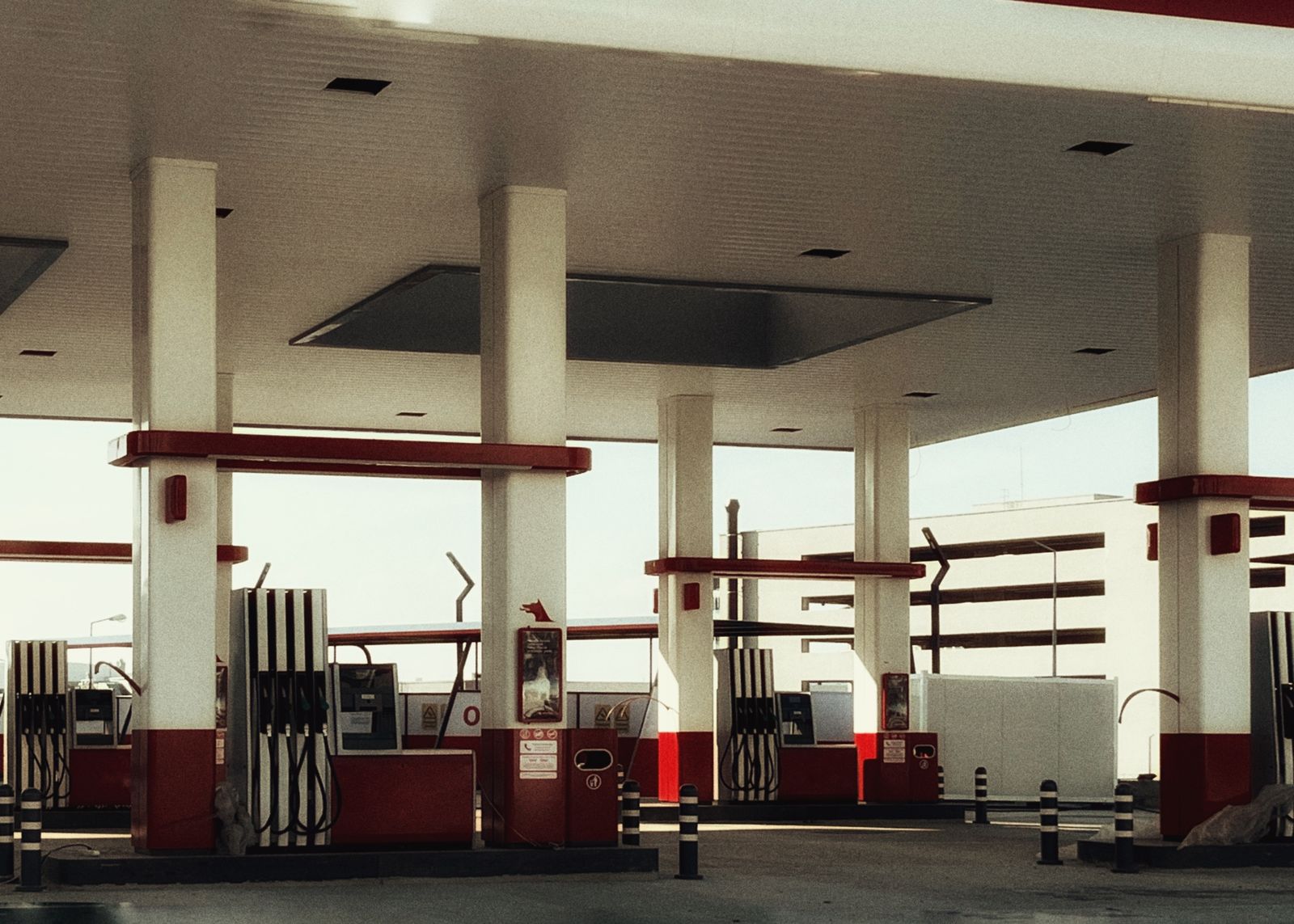
New Jersey is the best-known example. Its Retail Gasoline Dispensing Safety Act dates to 1949 and requires trained attendants to handle fueling, which means drivers there are not supposed to pump their own gas. Popular Science explains the history of New Jersey’s self-serve ban and notes that the state now stands alone on this rule. Travelers from neighboring states often reach for the nozzle out of habit, so it helps to stay in the car and wait for the attendant.
2. Running an Oregon Station With More Self-Serve Than Full-Serve Pumps
Oregon held out alongside New Jersey for decades before loosening its rules in 2023. The newer law lets drivers pump their own fuel, but it comes with strings for station owners. As News12 reported on Oregon’s 2023 self-serve law, self-service pumps cannot outnumber full-service ones at a station, and prices must be the same for both. A station that charges extra for an attendant, or tilts its forecourt toward self-serve, risks running afoul of the law.
3. Filling a Milk Jug or Glass Jar With Gasoline
Fire codes are strict about what gasoline can go into. Minnesota’s State Fire Marshal lists glass jars, plastic milk jugs, unlabeled containers and anything over 6 gallons as unapproved. In Connecticut the stakes are spelled out clearly: a state notice says both the customer and the attendant can be charged, one count per container, with a fine of $200 to $1,000, up to six months in jail, or both. The Connecticut notice on filling unapproved gasoline containers also requires containers to be clearly marked with the product name.
4. Filling a Gas Can in a Truck Bed or Trunk
Even an approved red gas can is not allowed to sit just anywhere during fueling. The Minnesota fire code sheet on dispensing into portable containers says the container has to be on the ground next to the dispenser, and filling it in a trunk, a truck bed or the passenger compartment is prohibited. Static electricity can build up when a plastic can sits on a bed liner or carpet, which is why the ground rule exists.
5. Wedging the Nozzle Open With a Foreign Object
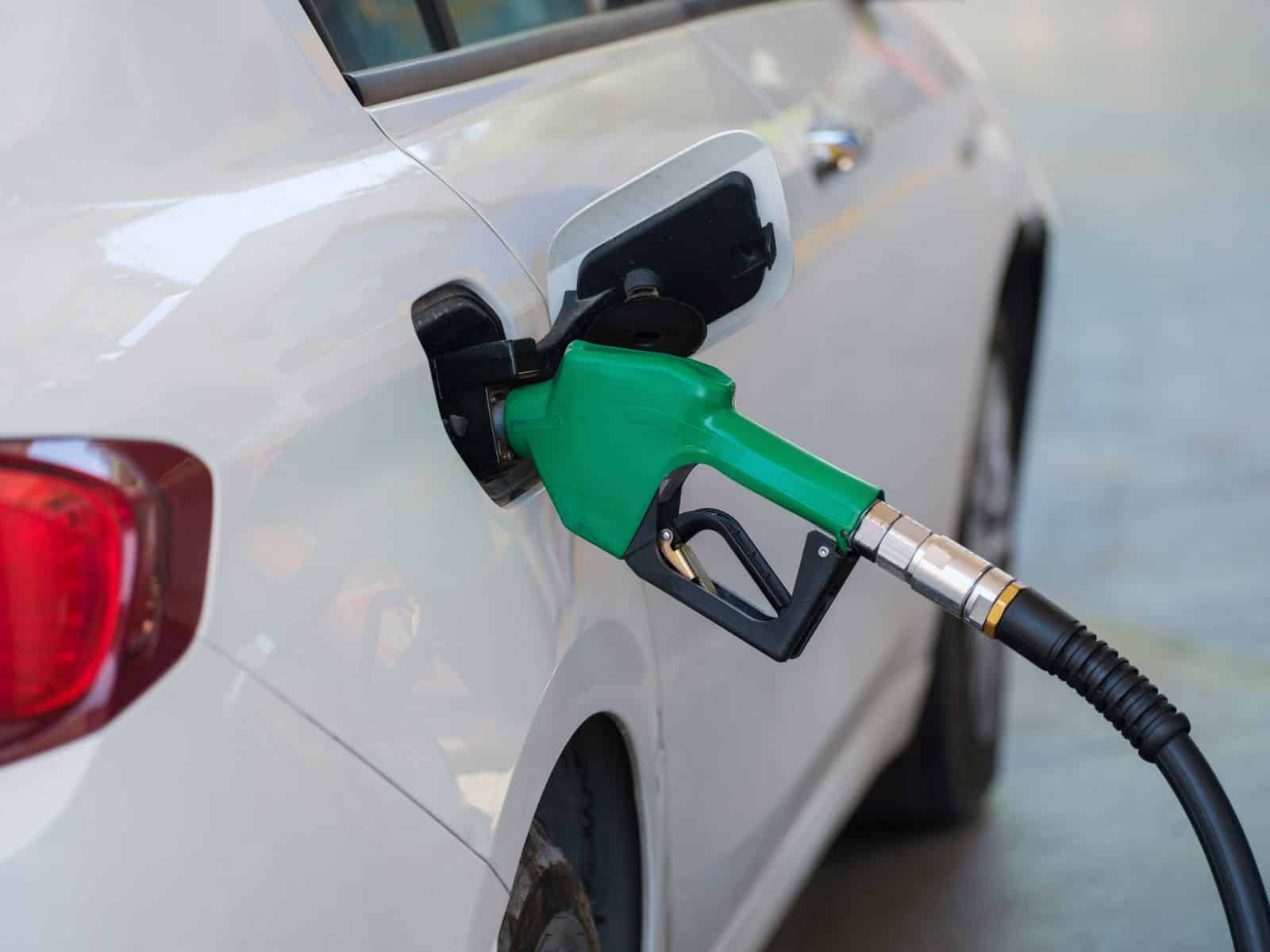
Some drivers jam a gas cap, a glove or a small stick into the handle so the fuel keeps flowing while they step away. Hawaii’s State Fire Code requires a posted warning that says the placement of a foreign object that keeps the fuel lever open is prohibited at all times. Connecticut’s rules add that the nozzle valve must be held open manually when filling portable containers.
6. Smoking at the Pump
Lighting a cigarette near a fuel dispenser is more than a bad idea. Illinois administrative rules require a “No smoking” sign at each dispenser, and Hawaii’s code puts “No smoking” on its list of required warnings. At attended stations in Minnesota, attendants are expected to control ignition sources, which includes smoking.
7. Leaving the Engine Running While Fueling
The same signs that ban smoking also tell drivers to shut the car off. The Illinois fire protection rule for fuel dispensing calls for signs reading “Turn off engine,” while Hawaii’s version says “Stop motor.” Keeping the heater going on a cold November morning is tempting, but in these states the posted rule is clear.
8. Letting an Unlicensed Driver Work the Pump
Hawaii’s required warning signs also say not to allow individuals under the licensed driving age to use the pump. The same list tells customers not to re-enter the vehicle while gasoline is pumping and to touch a metal surface away from the nozzle to discharge static before fueling.
9. Charging Fuel Customers for Air and Water in California
This one is aimed at station owners rather than drivers. Under California Business and Professions Code section 13651, every service station must provide air, water and an air-pressure gauge at no cost to customers who buy fuel, during operating hours. The text of California’s free air and water law also requires a sign near the pumps with a toll-free complaint number, and the state can issue a $250 citation for each valid complaint.
10. Selling Gas Too Cheaply in Wisconsin
Most shoppers would welcome a fuel price war, but Wisconsin’s Unfair Sales Act sets a floor. According to the state agriculture and consumer protection department, retail motor fuel generally has to be priced with a 6% cost-of-doing-business markup over invoice or replacement cost, or a 9.18% markup over the average posted terminal price. Posted prices must stay in effect for at least 24 hours, and advertising a lower price than the one on the pump is treated as deceptive.
Why These Rules Are Worth Knowing
Most of these laws exist because gasoline vapor ignites easily and spills are hard to contain. Others, like California’s free air rule and Wisconsin’s markup floor, are about consumer protection and competition. For anyone heading out on a long drive, it can be useful to read the stickers on the pump before the first squeeze of the handle.
Fuel stops do not have to be all rules and warnings, either. Some chains have earned fans for their snacks, as covered in 6 gas station chains with food so good it is worth driving out of the way for, and road trippers planning longer routes may want to look at U.S. destinations travelers regret visiting before mapping out the stops.
The Bottom Line
Gas station laws vary widely, from New Jersey’s attendant-only fueling to Hawaii’s ban on propping the nozzle open. Keeping containers on the ground, the engine off and cigarettes put away covers most of the common rules. When crossing into a new state, a quick look at the posted warnings is the simplest way to avoid a fine.
This article was written with the help of AI tools and checked against the sources linked above.




