

If you think you’d notice an animal moving into your house, you might be giving yourself too much credit.
We like to think of our homes as impenetrable fortresses where we control who comes in and out. The reality is that we are often sharing our living space with a whole zoo of creatures that prefer to stay in the shadows. You might be the name on the deed, but these silent squatters act like they own the place.
Most of these invaders are masters of stealth, moving through walls and under floorboards while you sleep soundly in your bed. They leave behind subtle clues that are easy to miss until the infestation becomes a full-blown nightmare. Spotting the early warning signs is the only way to evict these unwanted roommates before they get too comfortable.
Termites

These pale insects are the silent destroyers of the insect world, chewing through your equity 24 hours a day. They eat wood from the inside out, leaving the exterior looking perfect while the structural integrity crumbles into dust. You often won’t realize they are there until you lean against a wall and your hand goes right through the drywall.
The financial impact of these tiny pests is staggering when you look at the national numbers. According to the National Pest Management Association, termites cause an estimated $5 billion in property damage every year in the U.S. alone. That is a massive chunk of money disappearing into the bellies of tiny bugs, unnoticed by homeowners.
Bed Bugs

They are the vampires of the pest world, waiting for you to fall asleep before they come out to feed. You might wake up with itchy red welts, but their ability to hide in mattress seams makes them incredibly hard to find. The psychological toll of knowing you are being eaten at night can ruin your relationship with your own bedroom.
They are expert hitchhikers that can ride into your house on luggage or used furniture without a ticket. Once they settle in, they reproduce rapidly and can survive for months without a meal. An infestation is not a sign of a dirty home, but simply bad luck and a resilient pest.
Cockroaches

Seeing one cockroach usually means there are hundreds more hiding in the walls just out of sight. They are masters of survival that can squeeze through the tiniest cracks to access your pantry. These pests are not just gross; they spread bacteria across your counters while you are sleeping.
They thrive in warm, humid environments and will eat almost anything, from crumbs to cardboard glue. Their nocturnal habits allow them to build a massive colony right under your nose. If you see them during the day, it usually means the hiding spots are already full.
Mice

You might hear a faint scratching in the ceiling or find a chewed cereal box, but you rarely see the culprit. A mouse can flatten its body to squeeze through a hole the size of a dime, granting them easy access to your kitchen. Their ability to remain unseen allows them to turn your pantry into an all-you-can-eat buffet.
Their population grows at a speed that is frankly terrifying for any homeowner. A single female mouse can produce between 5 and 10 litters per year, rapidly turning a pair into a plague. This means a small family of mice can become a massive infestation before you even set a trap.
Carpenter Ants

Unlike termites, these large ants do not eat wood, but they hollow it out to build elaborate galleries for their nests. They leave behind piles of sawdust called “frass,” which is often the only clue that they are destroying your home’s frame. Ignoring a few stray ants in the kitchen can lead to severe structural issues down the line.
They often establish satellite colonies inside your walls while the central nest remains outside in a tree stump. This split strategy makes them challenging to eliminate without professional help. You need to find the parent colony to stop the invasion permanently.
Silverfish

These alien-looking insects crave high humidity and starchy carbohydrates like the glue in your book bindings. They move with a fluid, fish-like motion and often lurk in bathrooms or damp basements. If you open an old box and see something silver dart away, your memories are being eaten.
They are nocturnal and speedy, which helps them avoid detection for long periods. They can survive for weeks without food, making them a persistent nuisance in older homes. Protecting your library often means controlling the moisture levels in your house.
Bats

A small gap in your roofline is an open invitation for a colony of bats to roost in your attic warmth. They are generally quiet during the day, so you might only notice them if you see them flying out at dusk. While they eat mosquitoes, their droppings pose a serious health hazard to your family.
The accumulation of their droppings can promote the growth of dangerous fungus, leading to a respiratory disease called histoplasmosis. According to the CDC, the Histoplasma fungus grows in soil and material contaminated with large amounts of bat droppings. Breathing in the dust from their roost can send you to the hospital with a severe lung infection.
Carpet Beetles

You might blame moths for holes in your sweaters, but carpet beetle larvae are often the true culprits. These fuzzy little worms feast on natural fibers like wool, silk, and even pet hair hidden in corners. They can ruin an expensive rug or your favorite coat while the adults fly around harmlessly.
The adults feed on pollen, but they lay their eggs indoors, where the larvae can find a food source. They often hide under furniture or in closets where they are rarely disturbed. Regular vacuuming is the best way to suck up the eggs before they hatch.
Raccoons

These masked bandits have surprisingly human-like hands, allowing them to turn doorknobs and tear open vents. Once they get into an attic or crawlspace, they set up a latrine and tear up insulation for bedding. Hearing heavy footsteps overhead is a sure sign that a raccoon has moved into the penthouse.
They are intelligent and persistent, often returning to the same spot even after you patch the hole. Evicting them requires patience and usually a professional trapper. They are cute from a distance but destructive and aggressive when cornered.
Spiders

Most spiders mind their own business, but reclusive species like the Brown Recluse prefer dark, undisturbed areas. They hide in shoes, boxes, and the backs of closets, avoiding human contact at all costs. You might not see the spider itself, but the messy webs in the corners are a dead giveaway.
It is shockingly common to have a massive population living alongside you without realizing it. A classic study from the Journal of Medical Entomology found that in one infested Kansas home, researchers collected 2,055 brown recluse spiders in six months. You could be living with thousands of them without getting bitten if you don’t disturb their hiding spots.
Squirrels
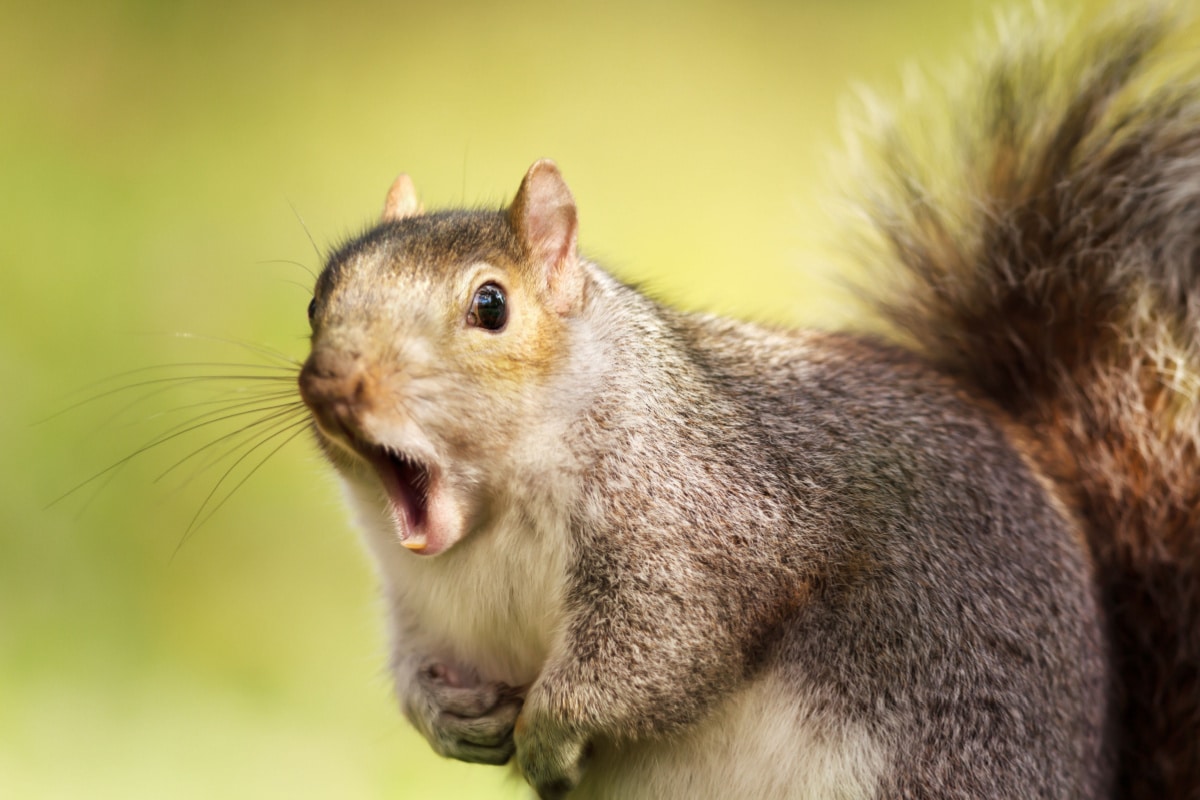
They look cute in the park, but inside your walls, they are destructive rodents with teeth that never stop growing. They chew through electrical wires and wood beams to file their teeth down and build nests. That scratching sound in the wall might be a fire hazard waiting to happen.
They often enter through vents or gaps in the eaves to find a warm place for the winter. Once they establish a territory, they will fight hard to stay there. Their nesting instinct can turn your insulation into a cozy bed for their babies.
Key Takeaway

Ignoring the minor signs of an invasion is a gamble that usually leads to bigger problems over time. A strange smell or a pile of dust is often the only warning you get before severe damage occurs. Taking the time to inspect your home regularly is the best defense against these unwanted guests.
Protecting your home requires consistent effort and attention to detail. Sealing cracks and keeping things clean helps prevent issues before they start. You want to be the only one living in your house early in the morning.
Disclaimer: This list is solely the author’s opinion based on research and publicly available information. It is not intended to be professional advice.
Disclosure: This article was developed with the assistance of AI and was subsequently reviewed, revised, and approved by our editorial team.
Like our content? Be sure to follow us
15 Misconceptions About Animals Perpetuated by Pop Culture
15 Misconceptions About Animals Perpetuated by Pop Culture
Don’t you love how movies and cartoons paint such a vivid picture of the animal kingdom? From the stealthy, spaghetti-slurping rat in “Ratatouille” to the adorable, honey-obsessed bear in “Winnie the Pooh,” pop culture offers a colorful view of our furry, scaly, and feathery friends.
But let’s throw a wrench in this picturesque world and spill the beans on some of the biggest misconceptions about animals perpetuated by pop culture.