

You might not think much of that chronic condition or minor illness, but it could be silently contributing to cognitive decline and Alzheimer’s risk down the road.
Alzheimer’s disease is often viewed as a mysterious, unavoidable fate written solely in our genes, but emerging research suggests our daily health plays a much bigger role than we thought. The brain does not operate in a vacuum; it is deeply connected to the health of our heart, immune system, and even our gums. Understanding the link between common physical ailments and cognitive decline gives us a powerful new toolkit for prevention.
Many of the conditions on this list are things we might dismiss as standard parts of aging or minor annoyances. However, scientists are finding that these “minor” issues can launch a silent attack on the brain decades before memory loss appears. Treating your whole body with care today is one of the most effective ways to protect your mind for tomorrow.
Gum Disease (Periodontitis)

You might think bleeding gums are just a sign you need to floss more, but they could be an open door for bacteria to invade your brain. The same bacteria that cause gum inflammation can travel through the bloodstream and have been found in the brains of Alzheimer’s patients. Your oral hygiene routine is actually a critical line of defense for your neurological health.
The connection is startlingly direct when you look at the microscopic evidence. A study published in Science Advances found Porphyromonas gingivalis, a key pathogen in gum disease, in the brains of more than 90% of Alzheimer’s patients examined. Brushing your teeth is not just about a bright smile; it is about keeping dangerous pathogens out of your head.
Hearing Loss

Struggling to hear conversations in a crowded room is frustrating, but it also deprives your brain of essential stimulation. When your auditory system degrades, your brain has to work overtime to process sound, leaving fewer resources for memory and thinking. Treating hearing loss is not vanity; it is a necessary maintenance step to keep your cognitive machinery running smoothly.
The impact of untreated hearing issues is far greater than most people realize. The Lancet Commission report identified midlife hearing loss as the single most significant modifiable risk factor for dementia, accounting for 8% of the total risk. Getting hearing aids could be one of the most impactful decisions you make for your long-term brain health.
Type 2 Diabetes

Insulin resistance does more than spike your blood sugar; it starves your brain cells of the fuel they need to function. Some researchers have even started referring to Alzheimer’s as “Type 3 Diabetes” because of this profound metabolic connection. Managing your blood sugar is essentially managing the energy supply line to your memories.
The statistical link between these two conditions is hard to ignore. A large-scale population study from Taiwan demonstrated that patients with type 2 diabetes had a significantly higher risk of developing Alzheimer’s compared to non-diabetics. Keeping your glucose levels stable is a direct way to protect the structural integrity of your brain.
High Blood Pressure (Hypertension)

Your vascular system delivers oxygen and nutrients to your brain, and high pressure can damage these delicate pipelines. Over time, this damage can lead to mini-strokes or reduced blood flow, which can silently kill off brain tissue. Controlling your blood pressure is like protecting the highway system that keeps your brain and cities alive.
The damage often starts in midlife, decades before any cognitive symptoms appear. The Lancet Commission’s 2024 update reaffirmed hypertension as a key modifiable risk factor, highlighting the importance of cardiovascular health in dementia prevention. Checking your numbers regularly gives you a chance to intervene before the damage becomes permanent.
Obstructive Sleep Apnea

Snoring might annoy your partner, but the repeated drops in oxygen levels are suffocating your brain cells night after night. Sleep is when the brain clears out toxic proteins like beta-amyloid, and apnea constantly interrupts this critical cleaning cycle. Treating sleep apnea is like unclogging the drain that lets your brain flush out its waste.
The accumulation of these toxins is measurable and directly linked to sleep quality. A study published in Neurology found that severe sleep apnea is associated with an increased buildup of amyloid plaque in the brain, a hallmark of Alzheimer’s disease. Using a CPAP machine might feel unsexy, but it is a powerful tool for preserving your cognitive future.
Depression

Depression is more than just a low mood; it is a state of chronic stress that can physically shrink the hippocampus, the brain’s memory center. The inflammation associated with depression also creates a toxic environment that may accelerate neurodegeneration. Addressing mental health issues is a vital part of maintaining the physical structure of your brain.
The relationship is complex, often acting as both a risk factor and an early symptom. Seeking therapy or medication is a proactive step that benefits your mind in many ways.
Rosacea

Save this article
This common skin condition causes redness and visible blood vessels, but it also signals systemic inflammation. Specific proteins that are elevated in rosacea patients have also been found in the plaques that clog the brains of Alzheimer’s patients. Your skin can sometimes act as a visible warning light for internal inflammatory processes.
The correlation between this skin issue and brain health surprised many researchers. A study published in the Annals of Neurology found that people with rosacea had a 7% increased risk of developing dementia and a 25% increased risk of Alzheimer’s specifically. Treating this condition isn’t just cosmetic; it may help lower your systemic inflammation load.
Herpes Simplex Virus (HSV-1)

The virus that causes cold sores can lie dormant in your system for years, but it doesn’t just sleep; it can travel to the brain. Once there, it may trigger an immune response that leads to inflammation and plaque accumulation. Managing viral outbreaks might be more important for your brain than we previously understood.
While having the virus is common, its potential interaction with Alzheimer’s genes is a concern. Research suggests that HSV-1 infection can lead to the accumulation of beta-amyloid proteins as the brain tries to entrap the virus. Keeping your immune system strong helps suppress these viral invaders from causing neurological havoc.
Atrial Fibrillation

An irregular heartbeat can cause blood to pool and form clots, which can then travel to the brain. These micro-clots can cause “silent strokes” that damage cognitive function over time without apparent symptoms. A steady heart rhythm is essential for providing a smooth, consistent blood supply to your brain.
The link between cognitive decline and cardiovascular disease is well documented. The reduced blood flow efficiency associated with AFib has been linked to a faster rate of brain atrophy and cognitive decline. Monitoring your heart rhythm can prevent the cumulative damage that leads to dementia.
Traumatic Brain Injury (TBI)
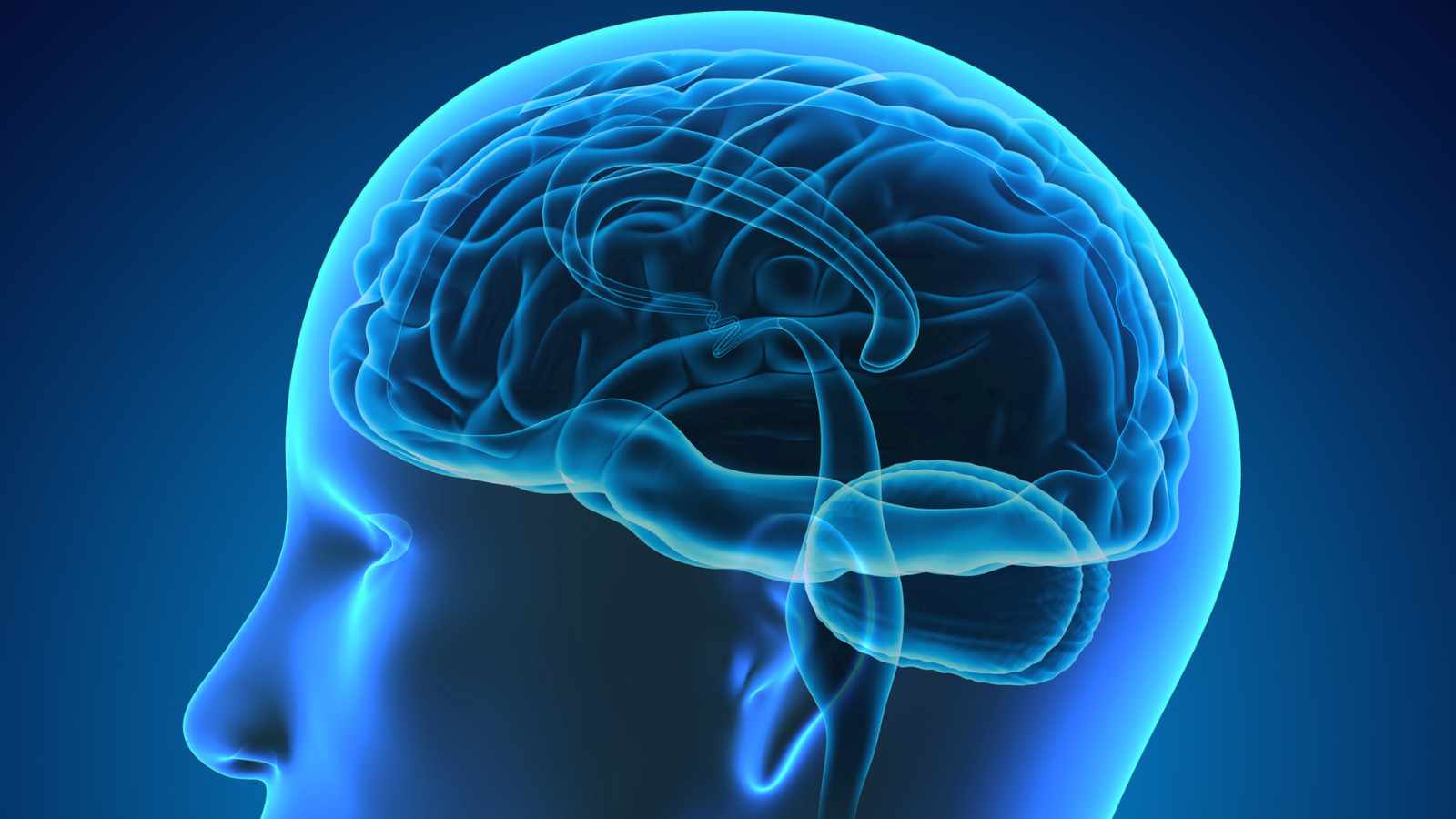
A severe blow to the head can kickstart a degenerative process that continues long after the bruise has healed. The inflammation caused by the injury can persist, leading to the buildup of toxic proteins associated with Alzheimer’s. Protecting your head from injury is one of the most practical ways to safeguard your brain’s future.
The risk is cumulative and can be significant even years after the event. The Lancet Commission identified TBI as a key risk factor, estimating that it accounts for about 3% of dementia cases globally. Wearing a helmet and preventing falls are simple actions with profound long-term benefits.
Chronic Kidney Disease

Your kidneys filter toxins from your blood, and when they struggle, those toxins can build up and affect your brain. The vascular damage that hurts the kidneys often hurts the brain simultaneously, creating a double whammy for cognitive health. Kidney health is brain health because they both rely on a clean, well-filtered blood supply.
The connection is likely due to shared vascular risk factors and the toxicity of unfiltered blood. Studies have shown that albuminuria, a sign of kidney damage, is independently associated with an increased risk of dementia. Protecting your kidneys through hydration and diet helps keep your brain’s environment non-toxic.
Key Takeaway

The connection between these common illnesses and Alzheimer’s highlights a hopeful truth: we have more control over our brain health than we think. Instead of waiting for a cure, we can actively reduce our risk by managing the conditions we already know about. Taking care of your teeth, ears, and heart is a powerful investment in your future memories.
You don’t need to panic if you have one of these conditions, but you should use it as motivation to stay on top of your treatment. Regular check-ups and proactive management turn these risk factors into manageable aspects of your health. Your body is an interconnected system, and healing one part often protects the whole.
Disclaimer: This list is solely the author’s opinion based on research and publicly available information. It is not intended to be professional advice.
Disclosure: This article was developed with the assistance of AI and was subsequently reviewed, revised, and approved by our editorial team.
Like our content? Be sure to follow us.
10 Simple Habits to Recharge Your Mind and Body

10 Simple Habits to Recharge Your Mind and Body
Feeling drained doesn’t always come from significant events like a sleepless night or an intense workout — often, it’s the small daily choices that leave us running on empty. The good news is that science shows simple, consistent habits can help restore balance. From mindful breathing to nourishing foods, these practical routines recharge both mental clarity and physical stamina.
Here are 10 simple habits to recharge your mind and body, backed by research and easy enough to start today.





