One afternoon, I looked down at my phone after reading the latest intrusive text from my aunt, asking if I was still single. The message seemed more like an audit of my life — one with a financial payout attached. The majority of adults find it stressful being asked prying personal questions by family members and acquaintances.
People are feeling so much pressure to answer every single question that a whole culture has arisen around sacrificing our sanity to avoid seeming rude. Learning how to spot and avoid the following 11 disrespectful questions can help you conserve emotional energy and protect your personal boundaries. Formulating clear, polite responses can help you take back control of these situations. It is also worth noting that setting boundaries is an act of self-care, not selfishness.
When Are You Getting Married?

Your timeline is personal, but studies report that single adults often face repeated questions about marriage from well-meaning relatives. In a study that surveyed 616 unmarried adults (ages 18 to 30) in the United States, participants reported feeling pressure to establish a romantic relationship.
Over time, marriage rates have dropped significantly, with the median age of first marriage now 28 for women and 30 for men, according to the U.S. Census Bureau. These trends reflect changing priorities, such as career, financial stability, and personal growth, which those asking questions may not consider.
How Much Money Do You Make?

Talking about money is one of the least acceptable conversation topics, yet 43% of Americans are asked about their salary by someone who isn’t a friend or family member. 29% of men reported discussing salaries with a coworker, compared to 20% of women who reported talking to a coworker about their salary.
Financial privacy is more important than ever, especially when income disparity is at its highest rate since the 1920s. These tend to stem from a place of comparison culture rather than genuine care for you.
Why Don’t You Have Kids Yet?

Between 2011 and 2015, 12.1% of women aged 15–44 reported impaired fecundity. Birth rates have also steadily declined for women in their 20s, and about one-third of women in this age group say they want fewer or no children. Such questions often overlook that a significant percentage of women experience infertility, and asking them can be harmful.
There are medical, financial, and emotional factors in reproducing that outsiders need not know. Your family planning should be respected and kept private, regardless of what others assume or impose in terms of timing.
What about your last relationship?

Breakup inquiries from young people who are freshly single sometimes occur before the emotional wounds have healed. Dissecting relationships is often a futile exercise and usually leads to reopening old wounds for the person under scrutiny. Dating is so confusing; people refuse to accept the fact that complex dynamics don’t just fit into a sound bite, yet they demand a sound bite as an explanation.
Relationships end for various reasons — incompatibility, timing, personal growth, circumstances beyond anyone’s control, you name it. There is no need for a public accounting or explanation of your romantic history for others’ prurient interests.
Why Are You Currently Single?

Single people hear it more than you might think; married people are asked as well. The single population has expanded to 50% of American adults as individuals prioritize education, career advancement, and personal growth over traditional relationship timelines. This question actually alludes to wrong more than right, and it brings about an unnecessary instinct to defend.
There are benefits to being single that perhaps the coupled-up among us may not have realised. Your relationship status is indicative of what’s going on in your current life and what you want, not a barometer of worth or attractiveness.
What’s Wrong With You?

Personal questions, especially those about mental health, can feel particularly intrusive. From 2019 to 2023, the number of adults who received mental health treatment in the past year rose from 19.2% to 23.9%, according to the Centers for Disease Control and Prevention (CDC). Despite this, stigma remains. If you’re asked something deeply personal, remember you aren’t alone—no matter how intrusive the question feels.
How Much Did That Cost?

Save this article
Price questions about what things cost flash up at consumers who say they feel awkward being asked about how they spend their money. And economic inequality has made financial discussions all the more fraught, as many are facing debt or reduced income, hyperaware that what used to be in abundance is now being rationed. These questions are frequently imbued with judgment about the spending decisions that reflect different sets of values and circumstances.
Why Don’t You Drink?

Questions about sobriety are often aimed at those who don’t drink, regardless of whether their reasons are health, religion, or preference-based. About 10% of American adults are in addiction recovery, and talking about drinking can pose risks to people in recovery programs. Social media pressure to drink has decreased as wellness and mindful drinking trends have gained popularity.
Decisions about alcohol and whether to use it are based on personal health, family history, interactions with medications, or on paths to recovery that require privacy. The choices you make regarding what you eat and drink are indicative of your personal health goals and life experiences, which should be respected without you needing to justify them.
Are You Pregnant?

Rumors of pregnancy apply to women who say people ask them unfavourable questions about whether or not they are producing a baby based on the way they appear, live, or interact with others. What these questions don’t consider, of course, is that pregnancies terminate in miscarriage, and from that perspective, such a question would be enormously crushing to a woman experiencing loss.
Being in the body, what we put in the body, and how we live can mean more than just pregnancy. Regardless of what others may assume or expect, your body and reproductive decisions are entitled to privacy and privacy.
Why are you so quiet?

Questions about personality, like asking why someone is quiet, can put pressure on introverts or those going through tough times. Studies suggest that 25% to 40% of people are introverts, yet extroverted behavior is often the norm. These prompts may push people to explain boundaries before they are ready.
Key Takeaways

In conclusion, personal boundaries are financial investments into mental health, seeking to protect one’s valuable assets of emotional energy from unnecessary drainage. This list includes twelve commonly reflected intrusive questions, which imply the most often violated boundary and the energy investment that causes you stress. Borders guarantee your peace and teach others to respect you. Your information belongs only to you, and when to share it should remain a subject of your own decision rather than other people’s expectations.
Disclaimer – This list is solely the author’s opinion based on research and publicly available information. It is not intended to be professional advice.
16 Grocery Staples to Stock Up On Before Prices Spike Again
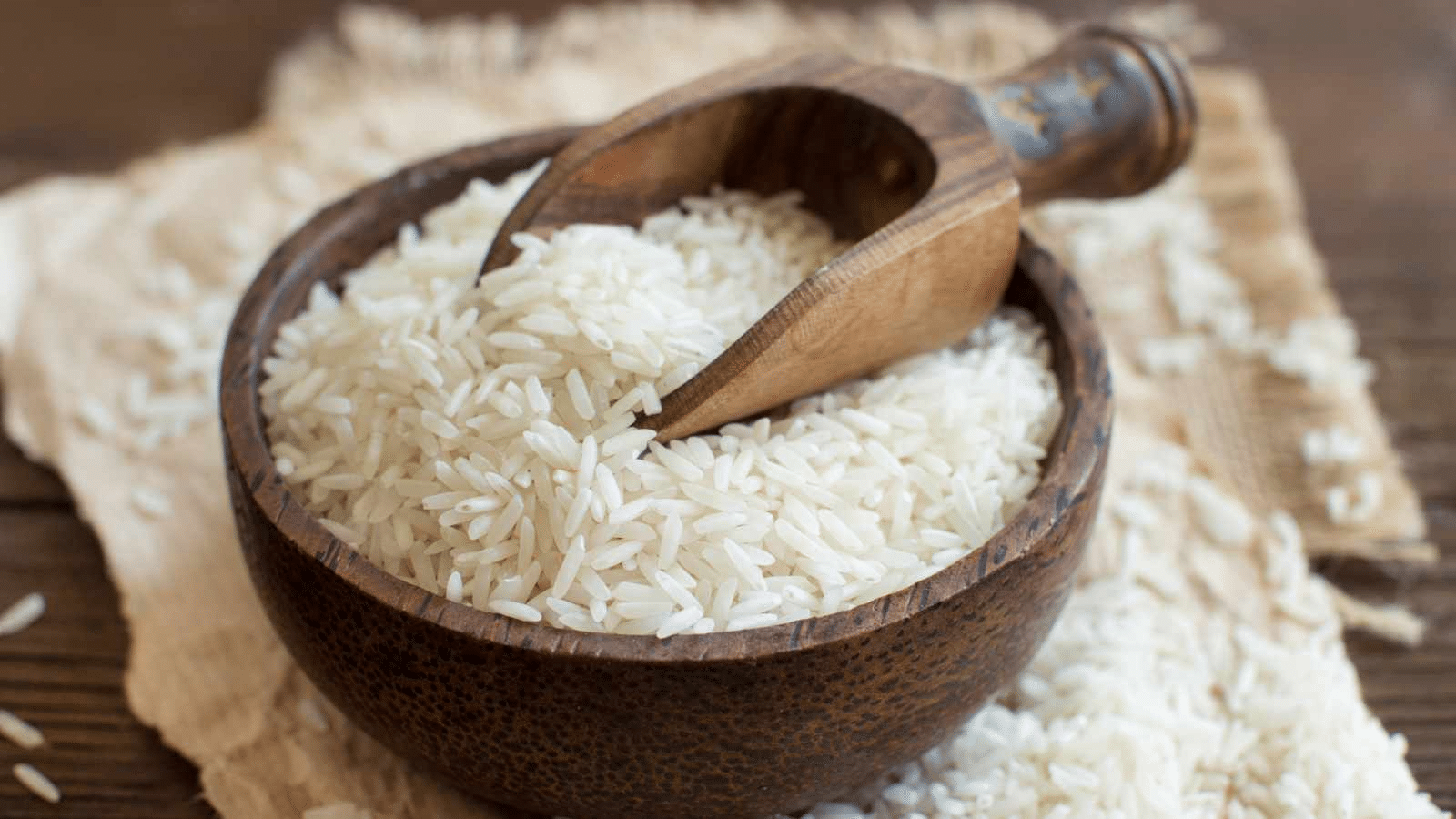
16 Grocery Staples to Stock Up On Before Prices Spike Again
I was in the grocery store the other day, and it hit me—I’m buying the exact same things I always do, but my bill just keeps getting higher. Like, I swear I just blinked, and suddenly eggs are a luxury item. What’s going on?
Inflation, supply-chain delays, and erratic weather conditions have modestly (or, let’s face it, dramatically) pushed the prices of staples ever higher. The USDA reports that food prices climbed an additional 2.9% year over year in May 2025—and that’s after the inflation storm of 2022–2023.
So, if you’ve got room in a pantry, freezer, or even a couple of extra shelves, now might be a good moment to stock up on these staple groceries—before the prices rise later.
6 Gas Station Chains With Food So Good It’s Worth Driving Out Of Your Way For
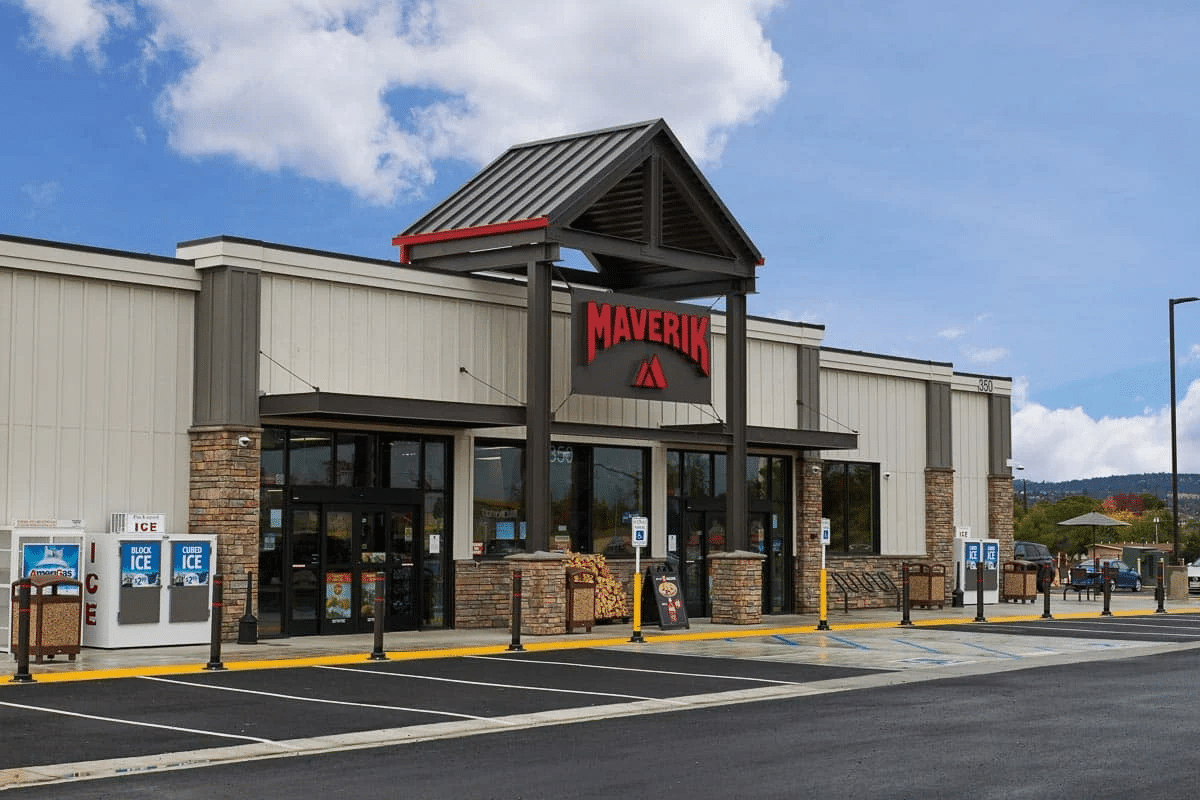
6 Gas Station Chains With Food So Good It’s Worth Driving Out Of Your Way For
We scoured the Internet to see what people had to say about gas station food. If you think the only things available are wrinkled hot dogs of indeterminate age and day-glow slushies, we’ve got great, tasty news for you. Whether it ends up being part of a regular routine or your only resource on a long car trip, we have the food info you need.
Let’s look at 6 gas stations that folks can’t get enough of and see what they have for you to eat.