

Applying for SNAP benefits isn’t just about filling out a form; it’s about proving that your household qualifies. While each state has its own small variations, the core paperwork you’ll be asked for is pretty consistent across the board.
Based on the USDA’s Economic Research Service, an average of around 42.1 million Americans utilized the Supplemental Nutrition Assistance Program (SNAP) each month in 2023. That is approximately 12.6% of the U.S. population, and one of the main reasons for a delay in approval is insufficient documentation.
Having your documents ready quickens the process and also prevents the need for humiliating back-and-forth requests from caseworkers. If you are preparing to apply, the following are the 11 most important documents you should have ready in advance.
Proof of identity

The first thing you will need is an up-to-date ID to verify your identity. This can be a driver’s license, state ID card, passport, or even a birth certificate in some cases. The states require this to confirm that the applicant is indeed the person who is applying for benefits, which cuts down on fraud.
In practice, identity verification is one of the most common reasons applications are sent for review. Having this ready will ensure your application won’t get held back at the first step.
Social Security numbers

All household members applying for SNAP will need to provide a Social Security number. This allows the agency to check income, see if the applicant is eligible, and prevent multiple applications. Based on data from the Pew Research Center, over 460 million Social Security numbers have been issued since the program was created in 1936.
This would mean that well over 90% of Americans have an SSN, so this requirement should be relatively straightforward. For kids, their Social Security card or a copy of an official document containing their SSN would usually suffice. Missing numbers can slow down the application, so it’s best to get them all before applying.
Proof of citizenship or immigration status

To qualify for SNAP, you must be a U.S. citizen or meet certain legal residency requirements. In 2022, approximately 1.465 million non-citizens were receiving SNAP (Supplemental Nutrition Assistance Program) benefits. In fact, another 2.2 million children living with non-citizen adults were also receiving SNAP in 2022.
These documents include birth certificates, U.S. passports, naturalization certificates, and immigration certificates, such as green cards and work permits. The states also use these to decide whether the applicants are eligible for full or partial benefits.
Proof of residence

Your state needs to be informed that you indeed live where you’re applying. A utility bill, lease agreement, mortgage statement, or official correspondence is sufficient as proof.
This eliminates multiple applications within multiple states, something that occurs more frequently than individuals are aware of. Discrepancies in the address are one of the most common errors in SNAP processing. A standard electric bill or lease report can save you weeks of delay.
Proof of income

Your earnings are one of the biggest factors in determining SNAP eligibility. Most states will ask for a record of your last 30 days’ pay stubs, an employer letter, or self-employment records. Since gross monthly income is usually required to be at or below 130% of the federal poverty level, clear proof is non-negotiable.
For a family of four, that amounts to making less than about $3,380 per month before taxes in 2025. Having good documentation here will make it easier for your caseworker to figure out benefits accurately.
Proof of unemployment or benefits

If you’re unemployed or receiving other benefits, you’ll need to show it. That might mean an unemployment benefits letter, Social Security award notice, or pension statement. These documents show how much support you’re already receiving and help determine your SNAP allotment.
The USDA reports that approximately 33% of SNAP households received Social Security income in 2023, indicating that this evidence is quite common. The fuller your file is, the faster your case will be processed.
Proof of housing expenses

The SNAP Shelter Deduction allows households to subtract part of the cost of their home and utilities from their income when calculating eligibility and benefit amounts. The deduction protects households with high shelter expenditures, like rent, mortgage, property taxes, and utilities, from penalty when applying for food aid.
You will typically be asked for a lease agreement, rent receipt, mortgage statement, or property tax bill. Accurate housing expenses can translate into more in monthly benefits. Don’t miss this step, as it directly affects your food budget assistance.
Proof of child care costs

Save this article
If you have paid for child care while working or attending school, you’ll want to document it. A receipt, invoice, or a notarized note from your care provider will suffice. This cost is deductible in the SNAP benefit calculation, and it will increase payments.
Given that the average monthly cost of center-based infant care in the U.S. is around $1,230, this deduction can make a big difference. Most families lose out here simply due to a lack of records.
Medical expense documentation

For disabled or elderly household members, medical expenses may also be claimed as a deduction. This can include receipts for prescriptions, doctor’s charges, insurance premiums, or even travel to medical consultations.
Deductions only occur if you provide documentation, so receipts are important. Don’t underestimate how far such records will extend your benefits.
Bank statements

Most states require checking and savings account statements from the previous month or two to verify resources. While SNAP seldom disqualifies for limited savings, there is an asset limitation in some cases.
As of 2025, the federal SNAP resource limit is $3,000 for most families and $4,500 for those who are elderly or disabled. Bank statements make it easy for caseworkers to review this aspect of eligibility quickly. Providing them in advance eliminates a lot of subsequent requests.
Proof of assets

Lastly, you may be asked to provide proof of ownership of other assets, such as a car registration, life policy, or property deed. States differ in severity, but all these laws are in place to ensure there is a fair distribution of benefits.
For example, all states exclude one vehicle per household, but they may still require paperwork to confirm ownership. States do have some discretion in how they administer asset tests, which is why this requirement varies. Although it does not appear to be necessary, it is a good idea to have these documents in hand.
Key takeaways

Missing paperwork is the top cause of delays. According to the USDA, millions of Americans rely on SNAP, but missing documents often lead to applications being held up, wasting weeks of waiting time.
Identity, income, and residency are the big three. Possession of a valid ID, proof of income, and proof of where you live are the most critical documents every applicant can present before completing a SNAP application.
Expenses can boost your benefits. Child care, medical, and housing costs are not included in the SNAP calculation, and therefore, keeping receipts and invoices with you can boost your food benefits.
Bank accounts and assets may still matter. Though minimal savings will not normally disqualify you, states do consider recent bank statements, car registrations, or property records to make equitable eligibility decisions.
Disclaimer – This list is solely the author’s opinion based on research and publicly available information. It is not intended to be professional advice.
16 Grocery Staples to Stock Up On Before Prices Spike Again
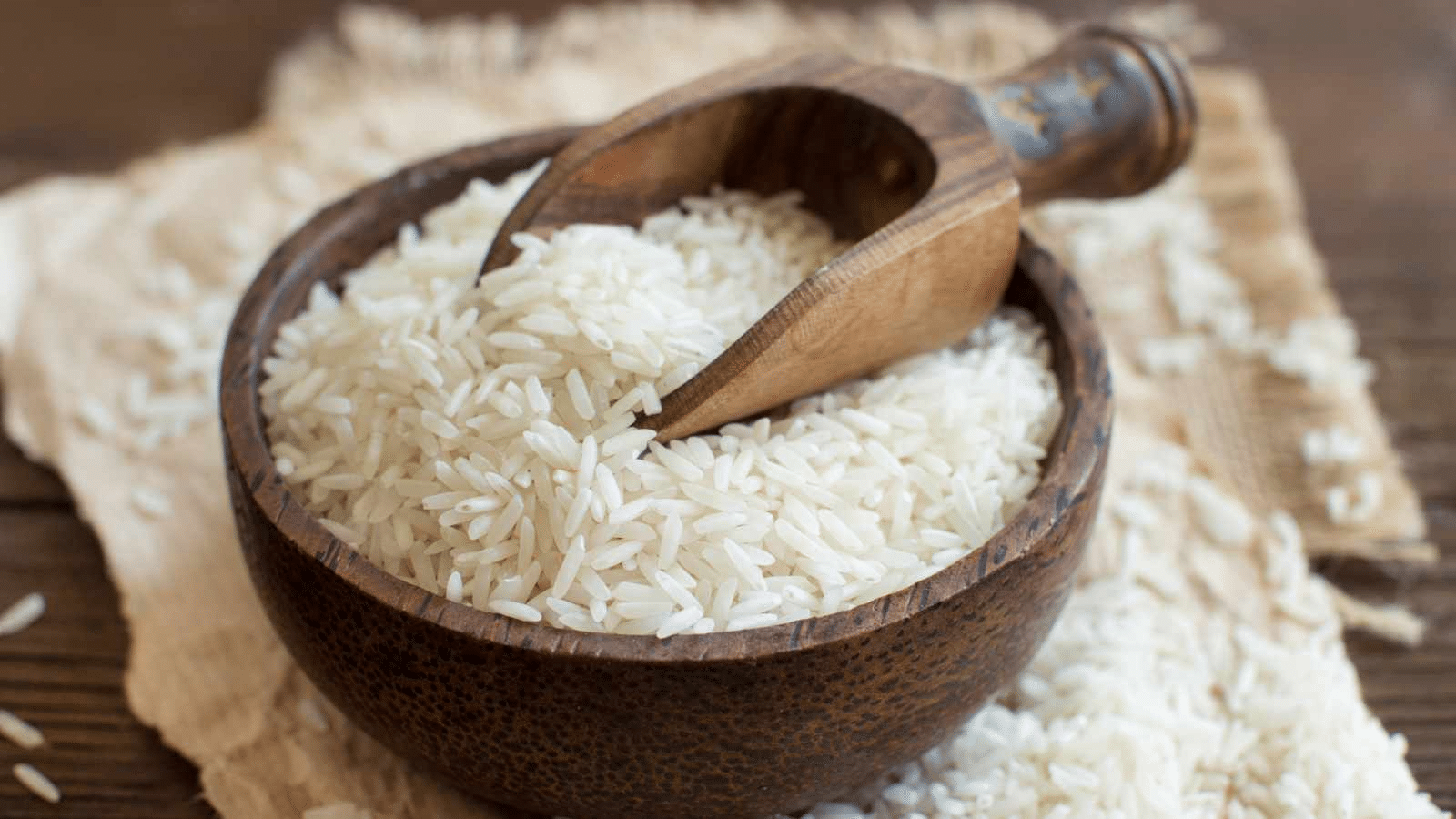
16 Grocery Staples to Stock Up On Before Prices Spike Again
I was in the grocery store the other day, and it hit me—I’m buying the exact same things I always do, but my bill just keeps getting higher. Like, I swear I just blinked, and suddenly eggs are a luxury item. What’s going on?
Inflation, supply-chain delays, and erratic weather conditions have modestly (or, let’s face it, dramatically) pushed the prices of staples ever higher. The USDA reports that food prices climbed an additional 2.9% year over year in May 2025—and that’s after the inflation storm of 2022–2023.
So, if you’ve got room in a pantry, freezer, or even a couple of extra shelves, now might be a good moment to stock up on these staple groceries—before the prices rise later.
6 Gas Station Chains With Food So Good It’s Worth Driving Out Of Your Way For
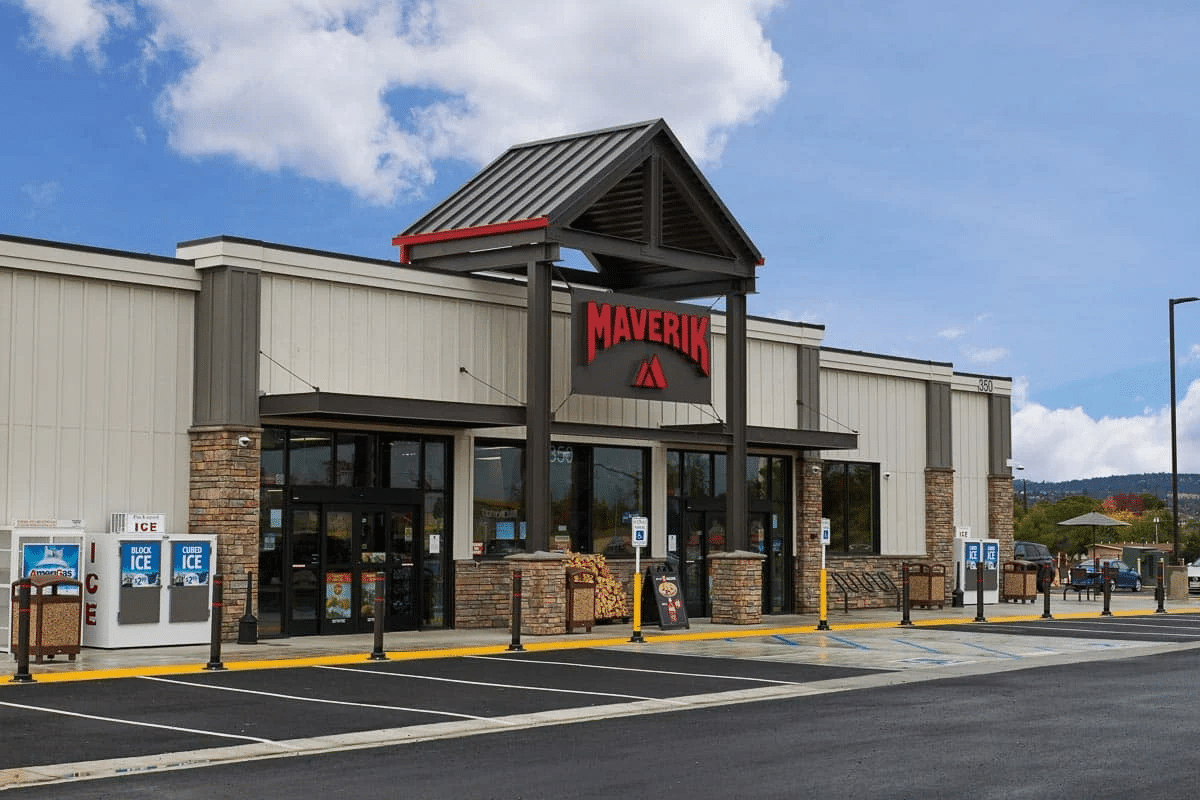
6 Gas Station Chains With Food So Good It’s Worth Driving Out Of Your Way For
We scoured the Internet to see what people had to say about gas station food. If you think the only things available are wrinkled hot dogs of indeterminate age and day-glow slushies, we’ve got great, tasty news for you. Whether it ends up being part of a regular routine or your only resource on a long car trip, we have the food info you need.
Let’s look at 6 gas stations that folks can’t get enough of and see what they have for you to eat.





