

Data from CNBC show that overall consumer prices in the U.S. are roughly 25 percent higher than in early 2020, with basics like groceries, utilities, and household goods taking some of the biggest long-term hits to people’s wallets.
In the United States, consumers often face inflated prices for everyday items, leaving them wondering why some products and services cost so much more than they should. These seemingly ordinary expenses can add up quickly, leading many to feel that they’re paying a premium for things that shouldn’t cost as much.
While the reasons for price inflation vary, many everyday items are simply overpriced, often without justification. Here are 11 common things in America that are overpriced for no real reason.
Bottled Water

Data from Healthline show that in the U.S., one gallon of tap water costs roughly 0.5 cents, while the same amount of bottled water costs about $9.47, making bottled water nearly 1,900 times more expensive for essentially similar quality in most areas.
The environmental impact of bottled water also raises concerns. With the vast majority of plastic bottles ending up in landfills or oceans, paying for something that is so readily available and often unnecessary feels like a waste.
Coffee from Coffee Chains

While grabbing a cup of coffee from your local café may seem like a daily indulgence, the price of a cup from chains like Starbucks is often much higher than it should be. For a beverage that typically costs less than a dollar to make, you might end up paying four to six dollars for a small cup, and that’s before adding any fancy flavors or extra shots.
The markup isn’t necessarily indicative of the product’s quality; most of the cost is driven by branding and convenience. While the experience and ambiance may justify some of the price, the fact that you’re paying so much for something that’s relatively cheap to make highlights how overpriced these daily indulgences can be.
Phone Accessories

Data from an analysis of Alibaba’s product insights show that official Apple phone cases typically retail for about $49 to $129, while many generic or third‑party cases sell for roughly $8 to $20 despite using similar basic materials.
For example, a simple phone case can cost anywhere from $30 to $50 or more, even though you can find similarly high-quality cases for much less online or in local stores. The pricing is often disproportionate to the actual materials and manufacturing costs.
Printer Ink

Printer ink is infamous for being one of the most overpriced commodities in America. While a printer may cost less than $100, the ink cartridges needed to keep it running are often priced higher than the printer itself. The cost of ink doesn’t reflect the small amount of liquid inside; it’s mostly driven by monopolistic pricing and the “razor-and-blades” business model, in which companies sell printers cheaply but make significant profits on consumables.
The price disparity between printers and ink is a long-standing issue, and many consumers end up spending hundreds of dollars on ink over the lifetime of their printer. Alternatives like third-party ink or refills can often provide the same results at a fraction of the cost.
Movies and Streaming Subscriptions

With the rise of streaming services, the price of entertainment has skyrocketed, even though streaming digital content costs little to nothing. Monthly subscription fees for platforms like Netflix, Hulu, and Disney+ continue to rise, and consumers often face additional charges for premium content or 4K quality. The irony is that many of these services offer similar content, yet they’re priced as if they offer unique, exclusive benefits.
Additionally, the movie theater experience, which has also seen inflated ticket prices, doesn’t always match the quality of what is available at home. The combination of high-priced tickets, overpriced snacks, and subscription fees makes it clear that the cost of entertainment has far outpaced the value it provides.
Gasoline

Save this article
Gasoline prices in the U.S. fluctuate constantly, but they’re often higher than expected given the relative abundance of oil in the country and the low cost of production. While geopolitical factors can affect gas prices, the constant volatility and wide price disparities across states often leave consumers feeling they’re paying too much. Gas stations with little competition can charge a premium, especially in areas with limited options.
What adds to the frustration is that gasoline prices are often driven by global markets and external factors rather than local economics, which means consumers often bear the brunt of price hikes that have little to do with the actual cost of refining and distribution.
Also on MSN: 12 experiences wealthy people take for granted, but most will never have
Water Filters
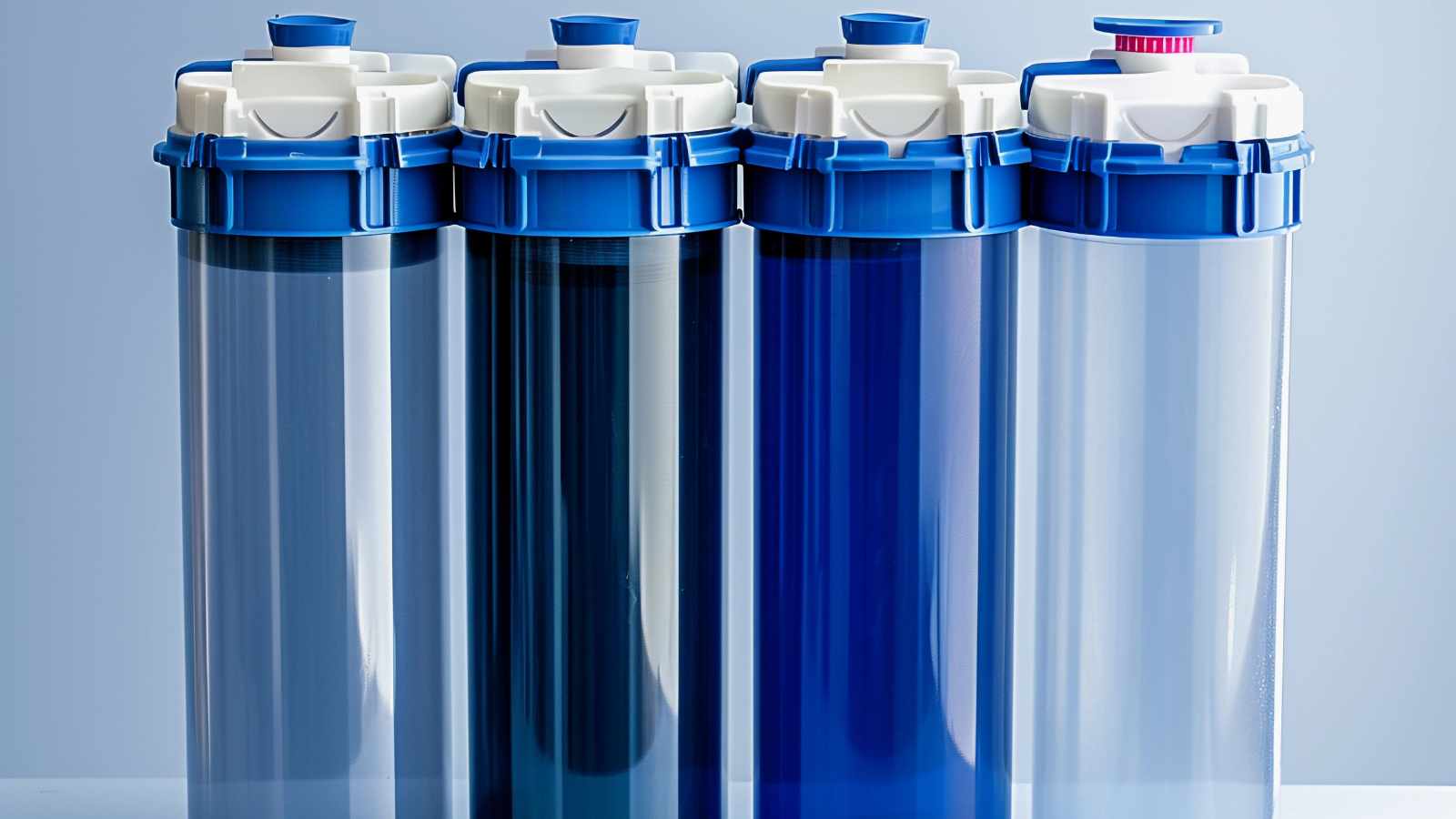
Water filters, like those used in pitchers or attached to faucets, can be expensive, yet the materials inside them are often simple, such as charcoal or resin. While these filters do provide some benefit, the markup on these products is often exorbitant compared to production costs. In many cases, the price of a replacement filter exceeds the cost of the entire system itself.
The need for frequent replacements adds to the frustration, especially when cheaper alternatives can provide the same filtering effect. Consumers often feel pressured to buy expensive brand-name filters, even when third-party options work just as well.
Cosmetics and Skincare Products

Cosmetics and skincare products, especially those from high-end brands, can be marked up excessively. While there are certainly premium products that offer advanced formulations and results, many skincare items are made with common, inexpensive ingredients and marketed with heavy branding. High prices are often justified by luxurious packaging or celebrity endorsements, but the ingredients themselves are no different from those in more affordable alternatives.
Despite the overwhelming availability of affordable, effective products, the cosmetic industry often targets consumers with promises of exclusivity or “magic” ingredients that justify high prices. In reality, many consumers end up paying significantly more for something that could be found at a drugstore for much less.
Food Delivery Services
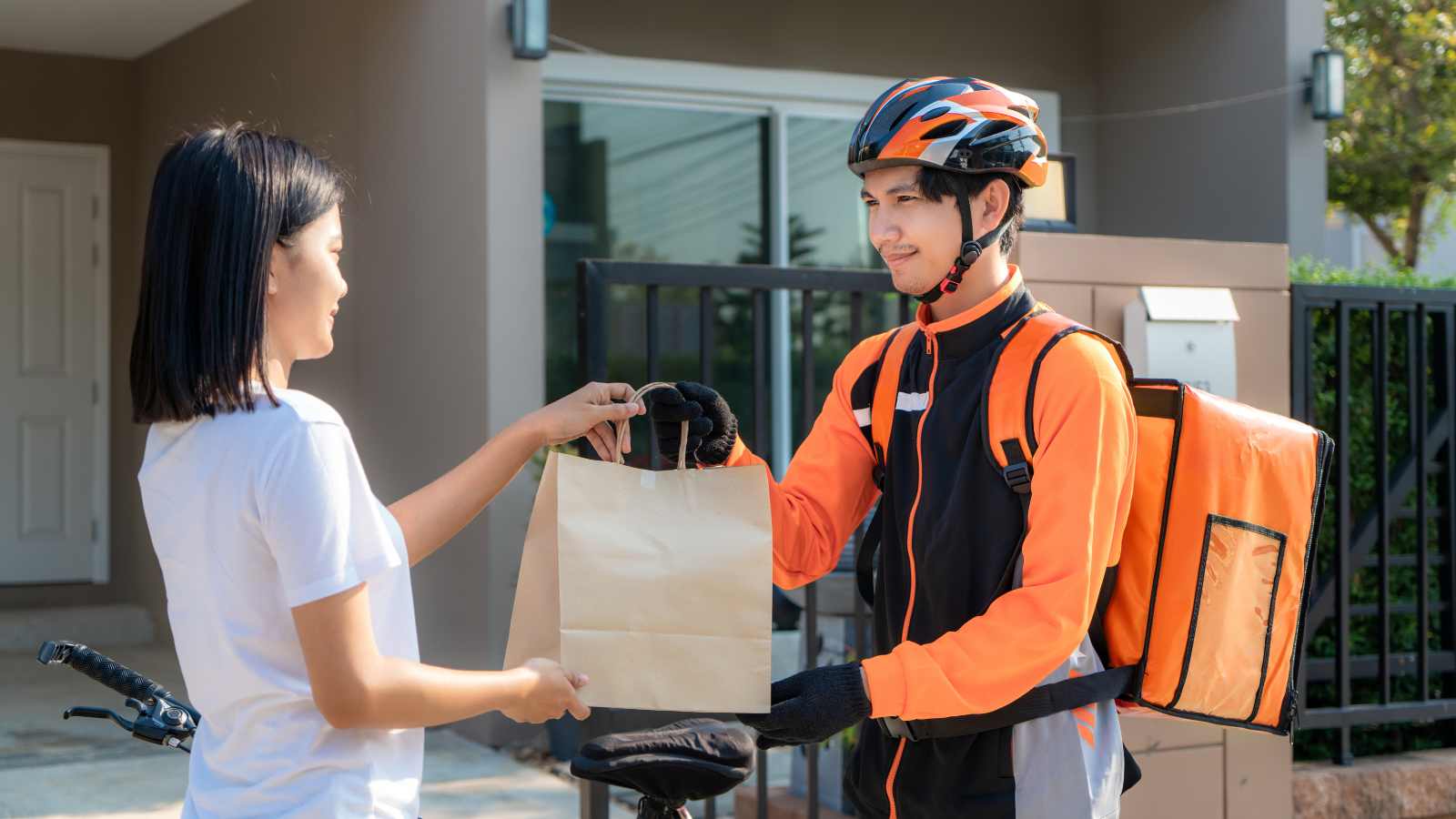
Food delivery services, such as Uber Eats, DoorDash, or Grubhub, have become increasingly popular, but the convenience comes at a steep price. Service fees, delivery charges, and tips can easily add up to more than the cost of the meal itself. Many people don’t realize that by the time the food arrives at their door, they’ve paid 50% or more than the price listed on the menu.
The cost of using delivery services is disproportionately high compared with cooking at home or dining at a restaurant. While the convenience is undeniable, the pricing reflects the premium customers pay for having food delivered rather than dining in person.
Key Takeaway
Many everyday items in America are priced much higher than they should be, leaving consumers questioning the value they’re receiving.These inflated prices are driven by branding, convenience, and market control rather than actual product costs.
Being aware of these overpriced items can help you make smarter choices, find better deals, and avoid unnecessary expenses in your daily life.
Disclaimer – This list is solely the author’s opinion based on research and publicly available information. It is not intended to be professional advice.
Like our content? Be sure to follow us





