

It’s sobering to realize how many of America’s most extraordinary creatures now survive only because we’ve finally learned to step back.
America is a sprawling tapestry of diverse environments, from the sun-scorched deserts of the Southwest to the dense, misty forests of the Pacific Northwest. Within these various habitats lives a wealth of wildlife, some of which are teetering on the edge of oblivion, a sad reminder of past environmental oversights. The nation’s Endangered Species Act (ESA) acts as a critical safety net, making it a federal crime to harass, harm, pursue, hunt, shoot, wound, kill, trap, capture, or collect these imperiled creatures.
The law’s prohibitions on “take” mean that even unintentional actions, like significant habitat modification, can carry severe penalties, underscoring the seriousness of protecting these vulnerable populations. While it’s natural to feel a thrill at seeing a wild animal, especially a rare one, the golden rule is simple and unwavering: give them a wide berth. These animals are fighting for their existence, and our interference, no matter how well-intended, can easily become another hurdle in their race against extinction.
Northern Right Whale
Swimming in the chilly North Atlantic, the Northern right whale is among the rarest of all marine mammals. They were named “right” whales by whalers because they were slow swimmers, floated when killed, and yielded high amounts of oil, making them the “right” whale to hunt. Thankfully, that era is over, but the species has struggled desperately to recover from centuries of exploitation.
Today, the primary threats are ship strikes and entanglement in fishing gear, tragically hindering their slow population growth. The species’ low numbers are a persistent concern; a recent count estimated fewer than 350 North Atlantic right whales remain. This makes every effort to reduce maritime speed in their habitats and adapt fishing methods essential for their continued existence.
The Florida Panther
Florida panthers are among the most magnificent and elusive animals in the Sunshine State, often called ghost cats for their secretive ways. They are the only cougar population confirmed to be surviving east of the Mississippi River, inhabiting dense swamps and pinelands in the southern half of Florida. Historically, they ranged across the entire Southeastern United States, but today they occupy less than five percent of that enormous area.
The good news is that conservation efforts have achieved a remarkable turnaround from their lowest point. In 1967, the wild population had dwindled to an estimated 10 individuals, yet thanks to protective measures and habitat restoration, it is now estimated at 200. Unfortunately, the leading cause of death for the panthers is vehicle collisions, a direct consequence of an ever-expanding human presence in their territory.
California Condor
Imagine a bird with a wingspan nearly ten feet wide, an aerial monarch soaring over the rugged peaks of the West. That’s the California condor, North America’s largest land bird, a scavenger whose very presence cleanses the environment. These birds nearly vanished, with their numbers dropping to just 22 in the wild by 1982, forcing an extraordinary intervention to bring all of them into a captive breeding program.
The massive effort to save the condor is a testament to what dedicated conservation can achieve. They are now regularly released back into their historic range across the Southwest, but they remain threatened, primarily by lead poisoning from consuming carcasses shot with lead ammunition.
Hawaiian Monk Seal
The Hawaiian monk seal is one of only two remaining monk seal species worldwide and is endemic to the remote Northwestern Hawaiian Islands. These sleek, dark-gray seals spend their days foraging for fish and crustaceans, and then haul out onto the secluded beaches to rest and give birth. They are incredibly sensitive to human disturbance, a significant factor driving their declining numbers.
They face significant threats from entanglement in marine debris and historical hunting, but today, human interaction is their primary concern. According to the National Oceanic and Atmospheric Administration (NOAA) Fisheries, the Hawaiian monk seal population is currently estimated at around 1,600 individuals, making every single one count. If you are ever lucky enough to spot one of these animals on a Hawaiian beach, keep your distance, stay quiet, and let them rest undisturbed.
Black-Footed Ferret
The black-footed ferret, a slender and masked member of the weasel family, is the only ferret species native to North America. They are nocturnal hunters and depend almost entirely on prairie dogs for food and shelter, moving into the prairie dogs’ burrows after enjoying a meal. Their fate is intrinsically tied to that of the prairie dog, as habitat loss and disease have dramatically reduced both populations.
This species has fought back from the brink of total extinction—twice, in fact. After the species was thought to be extinct in 1979, a small population was discovered in Wyoming in 1981, which led to a captive breeding program that continues to this day. Due to the success of reintroduction efforts across eight western states, conservationists now estimate that over 300 black-footed ferrets live in the wild.
Red Wolf
The red wolf is one of the world’s most critically endangered canids and has a ghostly, reddish-cinnamon coat that sets it apart. Once widespread across the entire Southeast, from the Atlantic to the Gulf Coasts, its range has been severely curtailed to a tiny part of eastern North Carolina. These highly social animals rely on their family units for survival, hunting in pairs or small packs.
The last remaining wild red wolves were captured in the 1970s to begin a desperate captive breeding program, and they were later reintroduced in 1987. It’s an arduous climb for the species, with the entire known wild population being 16 individuals as of February 2025. This small population size makes them highly vulnerable to hybridization with coyotes, which can dilute their unique genetic makeup.
Kemp’s Ridley Sea Turtle
The Kemp’s Ridley is the smallest and arguably the most endangered of all sea turtle species worldwide, often weighing less than 100 pounds as an adult. They have a nesting process known as an “arribada,” in which hundreds of females come ashore in mass nesting events, mainly along the Gulf Coast. When they nest, they are highly vulnerable to human activity, pollution, and egg theft.
In the 1940s, a single arribada was filmed with an estimated 40,000 nesting females, but populations declined drastically due to egg collecting and fishing practices. Today, thanks to international cooperation, the number of nests counted in the U.S. has shown signs of recovery, with Florida alone accounting for over 10,000 loggerhead sea turtle nests (a closely related species) in a given season, a positive indicator for all turtles. Remember that disturbing a nest is a serious federal offense.
American Burying Beetle
This is certainly not a creature you’d expect to find on a list of protected wildlife, but the American burying beetle is an indispensable part of its ecosystem. The largest carrion beetle in North America, this shiny black insect with striking orange markings plays a critical role as nature’s recycler. They bury small vertebrate carcasses—sometimes up to 200 times their own weight—to feed their young, essentially cleaning up the environment.
Once common across 35 states, this beetle has vanished from nearly 90 percent of its historic range. Scientists are still trying to grasp the precise reasons for this dramatic decline fully, but habitat fragmentation and changes in the availability of appropriately sized carrion are major suspects. The adults, which measure about 1 to 1.75 inches long, are legally protected and may be found in parts of the central Great Plains and in some reintroduction sites.
Devil’s Hole Pupfish
Talk about a creature that keeps all its eggs in one basket; the Devil’s Hole pupfish exists in only one natural location on Earth: a geothermal pool called Devil’s Hole in Nevada’s Mojave Desert. This tiny fish, measuring about an inch long, lives in water that hovers around 93 degrees Fahrenheit, an extreme environment that would kill most other fish. It is an astonishing example of evolutionary adaptation, surviving in this literal hole in the ground for tens of thousands of years.
The entire population feeds and spawns on a single, shallow limestone shelf measuring only 20 square meters, making it perhaps the most geographically isolated vertebrate in the world. Population counts, which occur twice a year, can be heartbreakingly low, with a spring 2025 count showing only 38 fish remaining in the wild after seismic activity disrupted their habitat. Trespassing or disturbing this site is an offense that jeopardizes the existence of an entire species.
Save this article
Whooping Crane

Standing over five feet tall, the whooping crane is the tallest bird in North America and an icon of wildlife conservation. They are instantly recognizable by their snowy white plumage, black wing tips, and a distinctive red cap. This species was driven to the brink of extinction primarily by unregulated hunting and massive habitat loss in the 19th and early 20th centuries.
They migrate thousands of miles each year, but today, only one self-sustaining wild population exists, which winters in Texas and nests in Canada. Thanks to tireless efforts, including the introduction of a non-migratory flock and a separate eastern migratory flock, the total number of wild and captive whooping cranes has climbed to a few hundred individuals. It’s an inspiring narrative that proves that dedicated effort can pull a species back from the brink of extinction.
Palila
Hawaii’s native birds are among the most endangered creatures on the planet, and the Palila, a finch-billed honeycreeper, is a prime example. This cheerful yellow-headed bird lives only on the slopes of the Mauna Kea volcano on the island of Hawai’i. Its survival is inextricably linked to the native māmane tree, as the Palila feeds almost exclusively on the seeds of this plant, which is toxic to other animals.
The population is confined to a tiny fraction of its historical range, having lost nearly 90% of its former habitat. A 2021 USGS survey estimated the entire wild population at only 678 birds, revealing the uphill battle still facing this species. It’s a harsh lesson in ecological relationships: remove one piece of the puzzle, like the māmane forest, and the whole system starts to crumble.
Leatherback Sea Turtle
The leatherback is the largest sea turtle on Earth, a true titan of the ocean, easily distinguished by its soft, rubbery, shell-less carapace. They undertake incredible transoceanic migrations, traveling thousands of miles between foraging and nesting grounds. These gentle giants play a vital role in marine ecosystems, primarily feeding on jellyfish, which helps keep jellyfish populations in balance.
Despite their massive size, they can grow over six feet long and weigh nearly 2,000 pounds, they are incredibly vulnerable to human pressures. They are federally protected in American waters, but they face existential threats from bycatch in fishing gear, plastic pollution that they mistake for jellyfish, and the disturbance of their nesting beaches. According to the NOAA, the total nesting population has declined by an estimated 40% or more over just three generations.
More articles:
- Why Migratory Birds Are in Trouble and How You Can Help
- 9 animals that can stand their ground against lions
- 9 wild U.S. Animals you can’t touch, no matter what
Disclosure: This article was developed with the assistance of AI and was subsequently reviewed, revised, and approved by our editorial team.
Like our content? Follow us on Newsbreak.
The 10 Most Expensive Wildlife Mistakes People Make in the U.S.

Wildlife can be awe-inspiring. It can also be incredibly costly if you don’t know what you’re doing. People make pricey mistakes with wild animals every day, whether it’s feeding a bear from your car window or trying to raise a raccoon like it’s a kitten.
Some of these missteps drain your bank account. Others get you slapped with serious fines or hospital bills. A few even put entire species or local ecosystems at risk. If you’re not careful, that photo op or animal rescue attempt might cost you a whole lot more than expected. Learn more.
12 dog breeds that are adorable, chaotic, and exhausting to own

That adorable puppy on your feed may also come with nonstop energy, shredded furniture, and a sleep schedule that no longer belongs to you.
Some dog breeds are undeniably charming, but charm and manageability are not always the same thing. High-energy and highly intelligent breeds often require far more time, structure, training, and stimulation than new owners expect. Learn more.
Why Jackals Are Key To Understanding Ecosystem Shifts
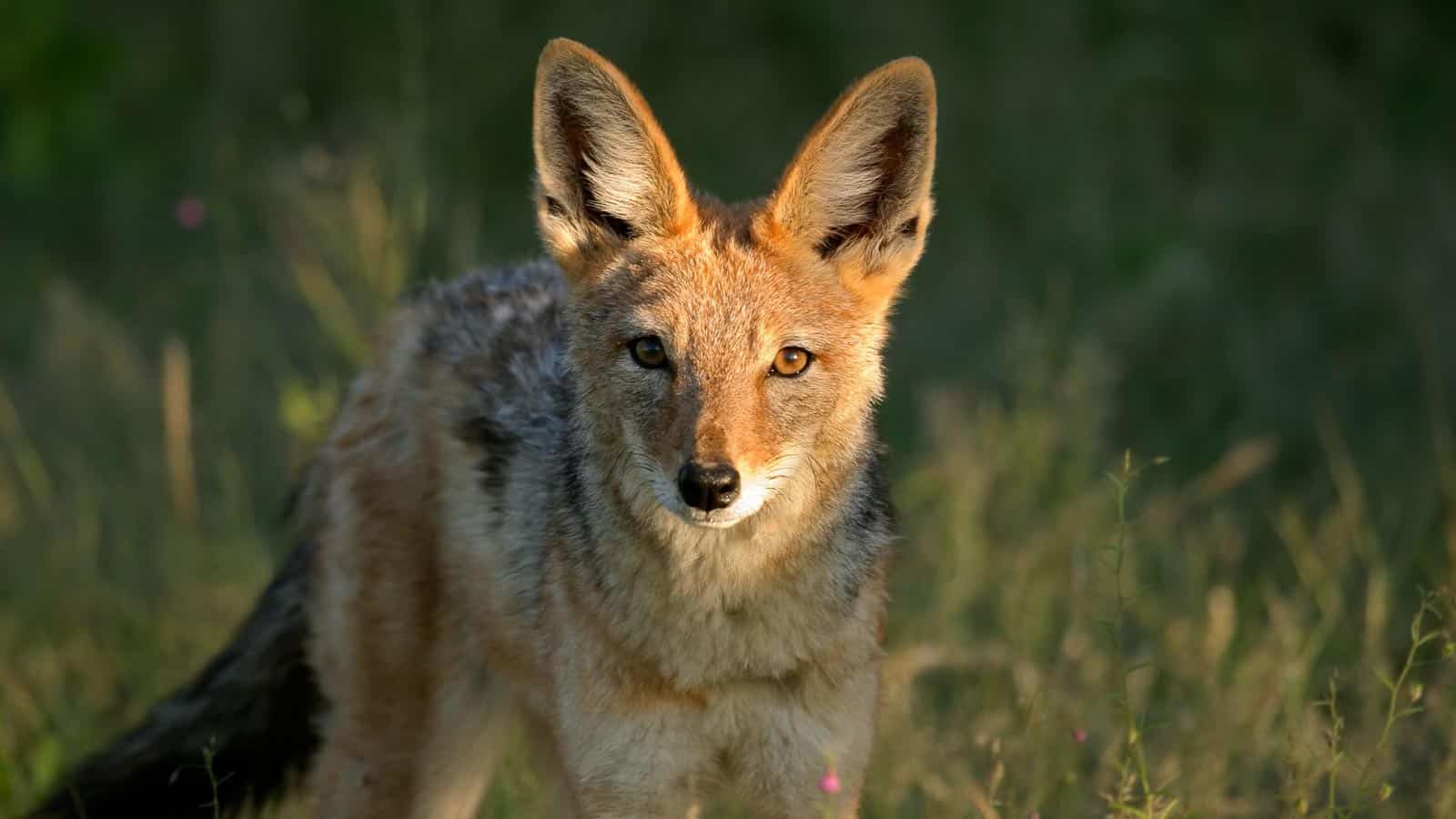
In a time when wildlife conversations focus on rarity, jackals stand out as a case study in resilience, adaptability, and shifting ecosystems.
Every April 19, World Jackal Day invites people to take a fresh look at an animal that has spent centuries in the shadow of bigger, better-known predators. Jackals may not be the most famous members of the dog family, but they are among the most adaptable. Found across Africa, Asia, and parts of Europe, they thrive in a wide range of habitats and survive by making smart use of whatever food and shelter the landscape provides. Learn more.





