

From Italy’s plague-ridden shores to Japan’s ghostly ruins, the world’s cursed islands reveal how isolation breeds both mystery and myth.
Across the world’s oceans and seas lie islands that inspire more than postcard beauty. Some are places of dread, steeped in legends of curses, restless spirits, and mysterious disappearances. These cursed islands remind us of the power of isolation and the human need to explain the unknown. Their stories blend fact and folklore until the line between history and myth blurs. Here are some of the most fascinating examples.
Poveglia Island, Italy
Located in the Venetian Lagoon, Poveglia is often called the world’s most haunted island. During the Black Death, it was used as a quarantine station, where the sick were sent to die. Later, a mental asylum was established there, and rumors spread of cruel experiments. Today, the island is abandoned, but stories persist of anguished spirits wandering its crumbling buildings. Fishermen avoid the area, claiming strange voices and shadows make it unsafe. Poveglia’s dark reputation has made it a symbol of how human suffering can shape the folklore of a place.
Hashima Island, Japan

Once a bustling coal mining facility, Hashima Island, also known as Battleship Island, now sits abandoned off the coast of Nagasaki. At its peak in the mid-20th century, thousands of workers and their families lived on the densely packed island. But when the mine closed in the 1970s, the population vanished almost overnight. The island’s skeletal concrete buildings now stand in eerie silence. Some say the spirits of exploited laborers, including forced workers during World War II, linger still. The island’s emptiness feels cursed, a reminder of both human ambition and its costs.
North Brother Island, New York
Hidden in the East River of New York City, North Brother Island has a disturbing past. In 1904, the steamship General Slocum caught fire nearby, killing more than a thousand passengers. Many of the bodies washed ashore on the island. Later, it housed Riverside Hospital, where patients with smallpox and other contagious diseases were quarantined. Typhoid Mary, infamous for spreading typhoid fever, lived there in isolation for years. Today, the island is off-limits to the public, serving as a bird sanctuary, but its haunted history makes it one of the eeriest places in the United States.
Isla de las Muñecas, Mexico
South of Mexico City lies the Island of the Dolls, perhaps the most unsettling island of all. The story begins with a man named Don Julian Santana, who discovered the body of a drowned girl. To honor her, he began hanging dolls from the trees. Over the years, the collection grew into hundreds of decaying, weathered dolls, their blank eyes and missing limbs swaying in the wind. Visitors claim the dolls whisper or move on their own, adding to the island’s eerie aura. What began as a memorial has become one of the most disturbing destinations in Mexico.
Socotra, Yemen

Save this article
Socotra is not cursed in the traditional sense, but its bizarre landscape has fueled legends for centuries. Isolated in the Arabian Sea, the island is home to otherworldly plants like the dragon blood tree, which looks like something from a fantasy tale. Ancient sailors called it the Island of the Djinn, believing spirits roamed its rocky cliffs. Even today, its alien-like environment gives rise to stories that it is a place between worlds, both beautiful and unsettling.
Ramree Island, Myanmar
During World War II, Ramree Island was the site of one of the most terrifying natural horror stories ever told. Accounts from British soldiers describe Japanese troops retreating through the island’s swamps, only to be attacked by hundreds of saltwater crocodiles. Whether the numbers were exaggerated or not, the legend remains of an island where the natural world turned into a nightmare. Today, Ramree is remembered less for its beauty and more for its chilling tale of survival gone wrong.
The Allure of Cursed Islands
Why do cursed islands capture our imagination so strongly? Part of it comes from the isolation of islands themselves. Cut off from the mainland, they feel like separate worlds where normal rules no longer apply. Legends of curses and hauntings serve as explanations for tragedies and mysteries that might otherwise defy understanding.
Cursed islands also remind us of human vulnerability. Whether facing plagues, shipwrecks, or the unforgiving natural world, people have always sought meaning in misfortune. Folklore offers that meaning, turning islands into symbols of fear and fascination.
Today, some of these islands are off-limits while others welcome tourists, but their reputations remain. To set foot on them is to enter stories that have been told for generations. In their silence, their ruins, and their strange beauty, cursed islands whisper warnings about both human history and the mysteries of nature.
The World’s Most Haunted Castles and the Legends Behind Them
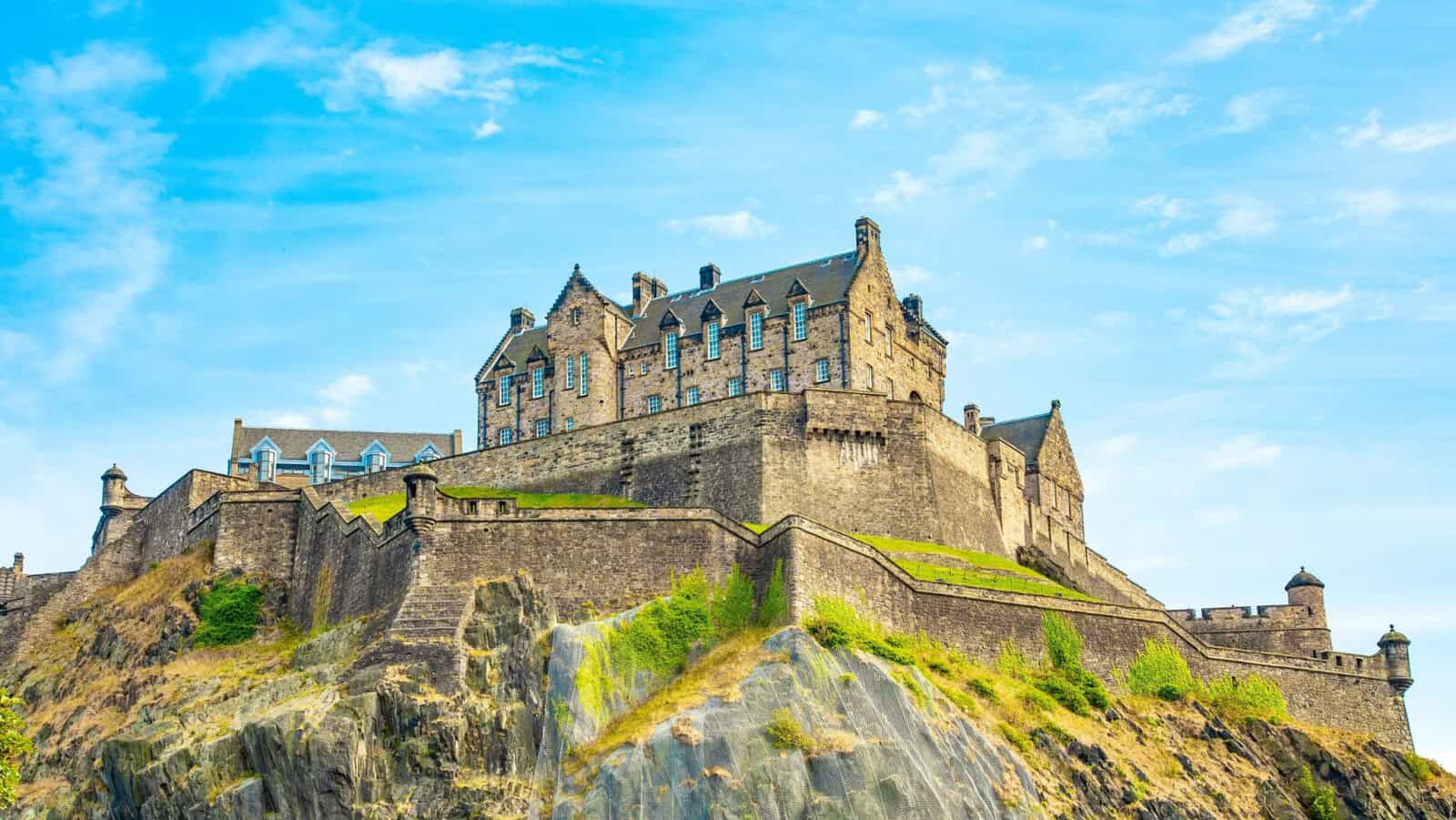
From Scotland to Japan, centuries-old castles are drawing modern visitors not for their grandeur, but for the ghosts said to still walk their halls.
READ: The World’s Most Haunted Castles and the Legends Behind Them





