

Cold hands aren’t just a winter nuisance; they can be an early warning sign of hidden health issues affecting millions of people right now.
Freezing fingertips can feel like you are holding onto snowballs even when you are sitting inside a warm house. It is incredibly frustrating to constantly rub your hands together to feel a tiny bit of warmth. You might wonder whether you need better gloves or whether something else is going on beneath the surface.
While winter winds are often the culprit, chronic coldness might signal that your body is trying to tell you something specific. Doctors often look at your hands as a window into your overall health and circulation status. Let’s dig into what might be turning your fingers into icicles right now.
Raynaud’s Phenomenon

This condition causes your blood vessels to narrow significantly when temperatures drop or even when stress levels rise. According to the National Institute of Health, Raynaud’s affects roughly 3 percent to 5 percent of the general population.
Your fingers might turn white or blue before flushing red as the blood flow finally returns to the area. It is essentially a dramatic overreaction by your body to cold air or sudden emotional stress.
Iron Deficiency Anemia

Red blood cells need iron to carry oxygen effectively to the rest of your body tissues and organs. Without enough iron, your internal heating system simply cannot work the way it is supposed to.
Women are particularly susceptible to this issue due to their monthly cycles and pregnancy demands on the body. Recent data from ScienceDirect indicate that iron deficiency is the most common nutritional disorder in the world.
Hypothyroidism

Your thyroid acts like a thermostat for your body, regulating metabolism and energy levels. When this gland is underactive, many bodily functions slow down, leaving you feeling constantly chilly.
If you are also feeling tired, gaining weight, or losing hair, your thyroid might be the issue. The American Thyroid Association reports that nearly 20 million Americans have some form of thyroid disease.
Vitamin B12 Deficiency

This vitamin is crucial for keeping your red blood cells healthy and your nerve function proper. A lack of B12 can cause numbness, tingling, and a sensation of coldness in the hands and feet.
Vegetarians and vegans need to be careful here since this vitamin is found mostly in animal products. If you cut out meat and dairy, you might need a supplement to keep your levels stable.
Cigarettes

Nicotine causes your blood vessels to constrict and narrows the pathways blood takes to reach your extremities. Over time, this habit can make it very difficult for warm blood to reach your fingers.
The damage to your circulation can persist long after you put out the cigarette. According to the CDC, smoking causes immediate damage to blood vessels and can lead to peripheral arterial disease.
Diabetes

Save this article
Uncontrolled blood sugar levels can damage the nerves and arteries over a long period of time. This condition, known as diabetic neuropathy, often results in numbness or cold sensations in the hands.
It is vital to manage glucose levels to prevent this kind of permanent damage to your extremities. The CDC states that 40.1 million people in the United States have diabetes, which is about 12 percent of the population.
Stress And Anxiety

When you are stressed, your body enters a fight or flight mode that prioritizes your core organs. Blood rushes away from your hands and feet to support your heart, leaving your fingers freezing.
Chronic anxiety can keep your body in this state for far too long. Learning to manage your stress can actually help warm up your hands by relaxing those blood vessels.
Medication Side Effects

Certain prescriptions, particularly beta-blockers used for blood pressure, can have chilling side effects. These drugs slow down the heart rate, which reduces the force of blood flow to the hands.
You should check the labels on your migraine or heart medications if you notice this symptom. Never stop taking a prescription without talking to your doctor, but do ask if alternatives exist.
Low Body Mass Index

Body fat acts as insulation to keep your heat inside where it belongs. If you are underweight, you might not have enough insulation to maintain a comfortable body temperature.
Your body will also conserve heat for vital organs rather than sending it to your skin. Maintaining a healthy weight helps your body regulate temperature much more effectively.
Lupus

This autoimmune disease attacks healthy tissue and can cause inflammation throughout the body. Systemic lupus erythematosus often affects the blood vessels in the skin, leading to cold hands.
It often overlaps with Raynaud’s phenomenon, doubling the impact on your circulation. The Lupus Foundation of America estimates that 1.5 million Americans are currently living with this chronic disease.
Lack Of Sleep
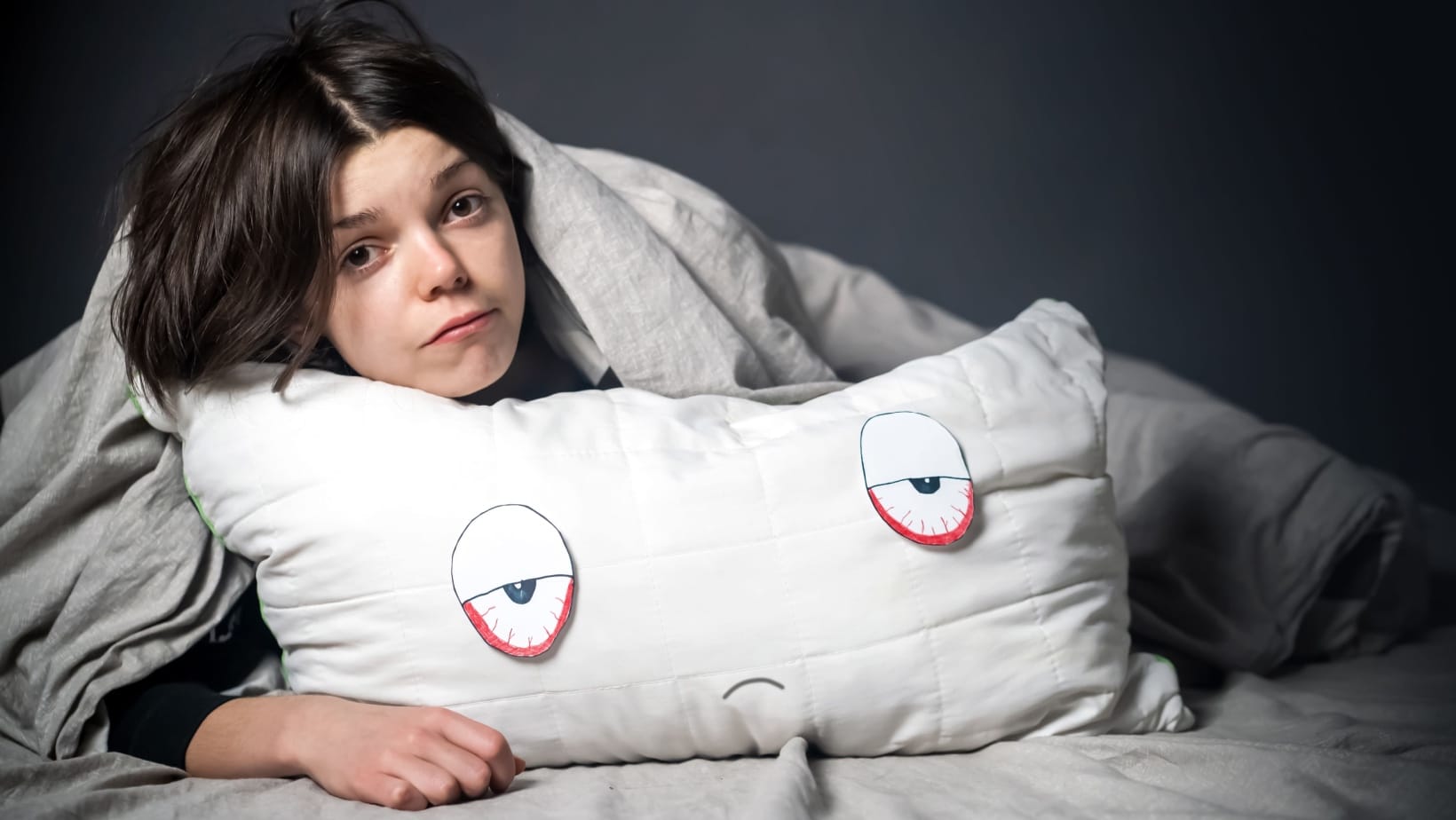
Missing out on rest messes with your circadian rhythm and your metabolism. When you are exhausted, your nervous system struggles to regulate your body temperature correctly.
Your body needs that downtime to repair itself and keep your circulation strong. Getting seven to eight hours of sleep is a simple way to help your body stay warm.
Disclaimer: This list is solely the author’s opinion based on research and publicly available information. It is not intended to be professional advice.
Like our content? Be sure to follow us





