The warning signs are already there. U.S. household debt has climbed to nearly $18.8 trillion, a record high, while the average household owes over $100,000, according to The Motley Fool. Credit card balances alone exceed $1.2 trillion, and the typical American carries more than $6,500 in revolving debt.
At the same time, financial cushions remain thin: Bankrate reports that roughly 3 in 10 Americans have more credit card debt than emergency savings, and more than half say their savings have stagnated or declined in the past year.
In other words, many households are more exposed than they appear, especially if the economy turns. Whether the next downturn comes from inflation, job losses, or market shocks, preparation is no longer optional.
Here are 11 smart moves to make now, before the next financial crisis hits.
Build A Real Emergency Fund

An emergency fund is your personal shock absorber when life hits a pothole. Job loss, medical bills, car repairs, a broken heater in January, they all feel different when you have cash sitting in a savings account. Start with a small goal, like $500 or $1,000, then build up to three to six months of basic expenses.
Americans are feeling that gap right now. A 2026 U.S. News survey found that 43 percent of Americans could not cover a $ 1,000 emergency from savings, and more than 40 percent reported having no emergency savings at all. If a 400 dollar surprise would wreck your month, that is your signal to make this fund your top priority.
Cut High-Interest Credit Card Debt

Carrying expensive credit card balances is like walking into a storm already soaked. When the economy dips, that interest does not slow down; it speeds up your stress. List every card, interest rate, and balance, then attack the highest-rate card first while making minimum payments on the rest.
The numbers are eye-opening. By late 2023, Americans owed about 1.08 trillion dollars on credit cards, with balances jumping 154 billion year over year, the biggest spike since 1999, according to the New York Fed. Every dollar you knock off that balance now is one less dollar you have to send to the bank instead of your own goals.
Know Exactly How Safe Your Bank Money Is
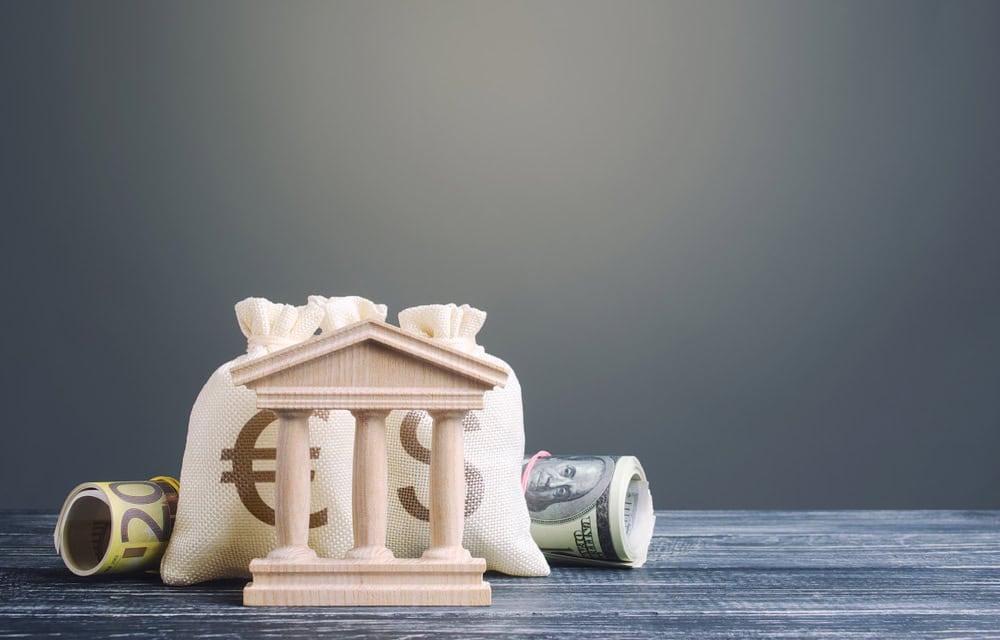
Most people assume “my bank is safe” and stop there. The reality is that how your accounts are titled determines how protected your cash is in the event of a bank failure. Take 20 minutes to list the accounts you have, where they are, and who is listed as the owner or beneficiary.
FDIC insurance is generous but not limitless. Federal guidelines clearly state that coverage is $250,000 per depositor, per FDIC-insured bank, per ownership category, with separate protections for single, joint, and trust accounts. If you have serious savings, spreading cash across institutions and account types can keep every dollar fully protected.
Diversify Beyond Just One Type Of Investment

If all your money lives in one place, like company stock or a single hot fund, you are asking for sleepless nights. A downturn in one sector, or even a single employer, can hit your net worth harder than it should. Aim to spread risk across U.S. stocks, international stocks, and high-quality bonds that match your timeline.
You do not need a fancy strategy, just a mix that does not move in perfect lockstep. History has shown that diversified portfolios tend to ride out volatility better than “all in” bets, especially during deep recessions. Owning many solid eggs in many different baskets beats obsessing over one shiny golden egg.
Lock In A Simple, Written Spending Plan

In a crisis, your brain is already juggling scary headlines and the possibility of layoffs. That is the worst time to start figuring out where your money goes. Instead, build a simple monthly plan now that covers housing, food, transportation, debt, savings, and a small line for fun.
Recent data shows Americans are saving less than they think. An analysis of U.S. savings behavior found the personal savings rate fell below 5 percent in 2024, down from pandemic highs above 30 percent just a few years earlier. A basic spending plan turns “I think I am doing okay” into hard numbers you can actually tweak before things get tight.
Line Up Backup Income Before You Need It

Relying on a single paycheck is riskier than most people want to admit. You do not need a full second job, but you can test a side hustle, pick up freelance work, or train for a better-paying role while the economy is calm. That way, if your main income wobbles, you already have something to fall back on.
Save this article
Even a small extra stream can help. A few hundred dollars a month from tutoring, driving, or online work might cover groceries, insurance, or minimum debt payments in a rough patch. Think of extra income as your financial seatbelt; you hope you never need it, but you will be grateful it is there.
Move Big Goals To Safer Ground

Money you need soon should not be riding a financial roller coaster. If you plan to use cash in the next one to three years for a home down payment, tuition, or a major move, consider moving it to safer spots like high-yield savings accounts, CDs, or short-term Treasuries.
Inflation-protected I-bonds have also been attractive in recent years. For example, the U.S. Treasury announced that Series I savings bonds would pay 5.27 percent annualized through April 2024, one of the highest rates since the late 1990s during a bout of elevated inflation. Reserving safer parking spots for near-term goals means a market dip will not derail your plans at the worst possible moment.
Tighten Your Essential Bills Now

You do not have to live on beans and rice, but trimming recurring bills before a crisis hits gives you breathing room if your income drops. Shop around for cheaper phone plans, insurance, subscriptions, and utilities while you are calm and have options. Anything you shave off now lowers the minimum you need to survive later.
Think of it like decluttering your budget closet. Dropping a couple of unused streaming services, renegotiating insurance, or cooking at home a bit more can free up serious cash over the course of a year. Lower fixed bills make it easier to stay afloat without raiding savings or juggling cards if the economy stumbles.
Build A Crisis Communication Plan With Your Household

Money conversations are awkward even when things are fine. In a crisis, silence can turn small issues into full-blown fights. Sit down with your partner or family now and talk through what you would cut first, where the emergency fund is, and who handles which bills if someone gets sick or laid off.
The goal is not to scare each other, but to reduce panicked decisions later. If everyone knows the plan, you can respond quickly rather than argue over every dollar. A calm, honest conversation today can save you from shouting matches tomorrow when stress is already high.
Protect Your Credit Score Like An Asset

When money gets tight, your credit score can be the difference between an affordable loan and a punishing interest rate. That little three-digit number influences car loans, mortgages, and sometimes even job opportunities. Protect it by paying at least the minimum on time, every time, and keeping balances well below your limits.
Credit card debt is already climbing nationwide, pushing more households closer to their limits and to the risk of missed payments. Treat your credit score like a financial passport; keeping it in good shape gives you options if you have to borrow in a pinch.
Learn From The Last Crisis, Not Just The Headlines

The failures of Silicon Valley Bank and Signature Bank were a harsh reminder that big names are not invincible. Many customers discovered the hard way how much of their deposits were above insurance limits and how quickly panic can spread. You do not need to relive that lesson personally to benefit from it.
An FDIC review of those 2023 failures found that roughly 90 percent of deposits at both banks were uninsured, making them especially vulnerable to sudden runs. The takeaway for regular savers is simple: understand where your cash sits, who protects it, and how fast you could move it if trouble pops up.
Key Takeaway

Financial crises are scary, but they do not have to be a personal disaster. Small choices you make now, like paying down high-interest debt, building an emergency fund, and checking your budget and account protections, can turn a future downturn into an inconvenience instead of a catastrophe.
The goal is not perfection, it is progress, and every step you take today gives the future you one more reason to breathe easier when the headlines turn ugly.
Disclaimer – This list is solely the author’s opinion based on research and publicly available information. It is not intended to be professional advice.
Like our content? Be sure to follow us