

That rush of buying “American” hits a little differently once you flip the label and see how often it says China.
You might feel a surge of patriotism when you buy brands that seem deeply rooted in American culture, but the manufacturing labels often tell a different story. The reality of global trade means that many items we associate with Main Street USA are actually assembled across the ocean in Asian factories.
This shift in production locations is often about keeping prices low for shoppers who want affordable goods without sacrificing the brand names they love. While some companies are moving factories to other countries, China remains the heavyweight champion of manufacturing for countless household names.
Apple IPhones

Designed in California, the iPhone is perhaps the most famous example of American innovation that relies heavily on Chinese labor for final assembly. You will find that while Apple is diversifying, the vast majority of these devices are still put together in sprawling manufacturing cities within China. Despite recent moves to other regions, China remains the primary hub where millions of these sleek smartphones are prepared for shipment to the US.
Apple is slowly shifting some production elsewhere, but the scale of Chinese manufacturing is hard to replicate quickly or cheaply for such high demand. The Times of India report notes that while India is growing as a hub, it only exported about $22 billion in iPhones in early 2025, compared to China’s massive output. This shows that while the supply chain is slowly changing, your new phone most likely still started its journey in a Chinese factory.
Nike Sneakers
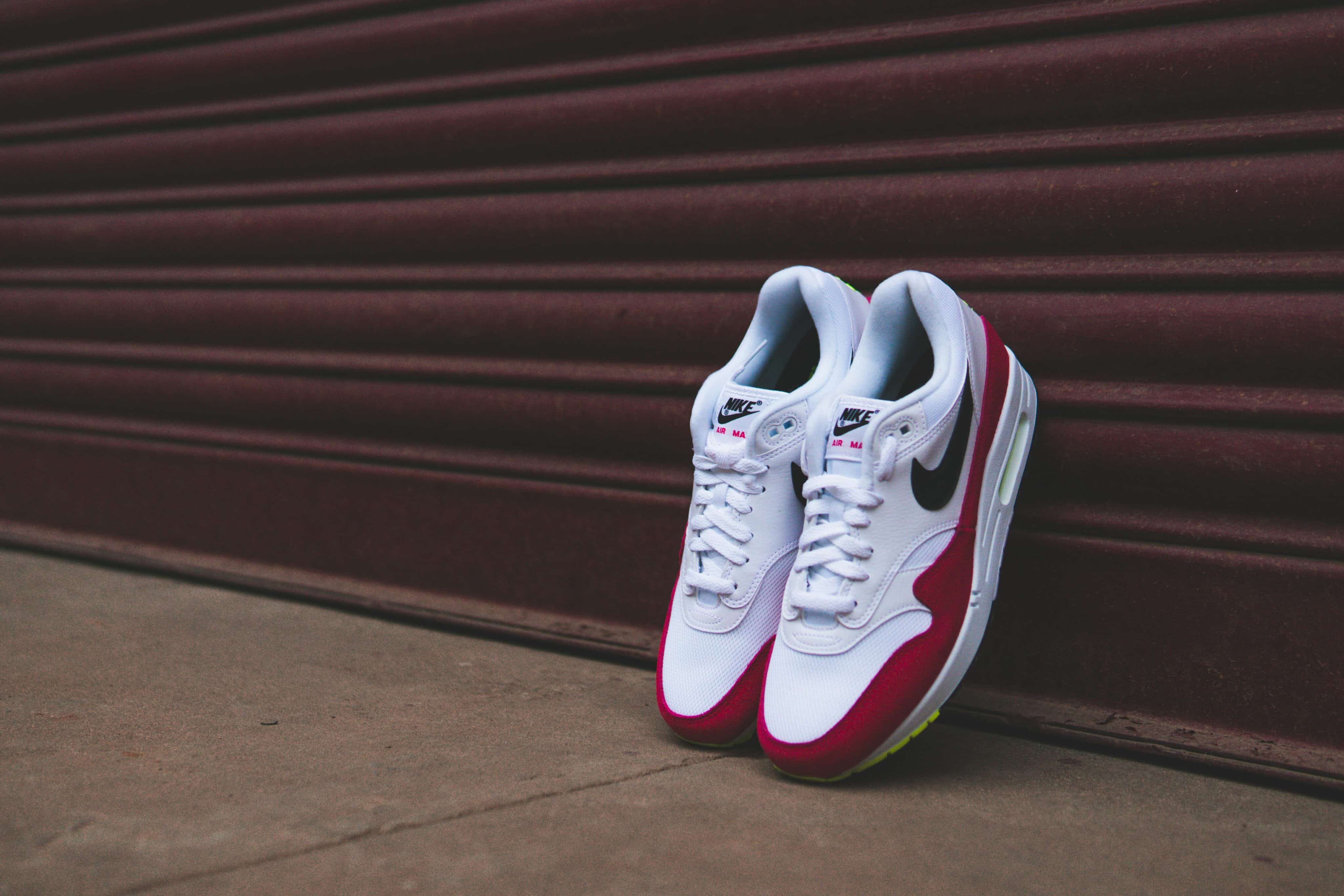
The “Just Do It” brand is a staple of American sports culture, yet you will rarely find a pair of Nikes that says “Made in USA” on the tongue. Nike has long outsourced its production to various Asian countries to keep up with the massive global appetite for their shoes. For years, China was the top producer, though the company has recently spread its manufacturing footprint to places like Vietnam to balance costs.
However, China still plays a massive and critical role in churning out the millions of Air Jordans and running shoes sold every year. Sellerunionchina statistics from 2025 reveal that 27% of Nike footwear is still manufactured in China, a significant portion of their global inventory. You can bet that a large chunk of the sneakers on American basketball courts traveled thousands of miles to get there.
Radio Flyer Wagons

Nothing screams childhood nostalgia quite like the little red wagon that has been a fixture in American driveways for over a hundred years. The Chicago-based company kept production local for a very long time, but eventually, the economics of steel and plastic molding forced a change. To keep these classic toys affordable for modern families, the manufacturing process was moved entirely to China several years ago.
This decision allowed the company to survive and keep innovating with new scooters and electric ride-ons that kids today clamor for. It is a common trend in the toy industry, where profit margins are razor-thin, and production costs must be kept at absolute minimums. In fact, nearly 80 percent of all toys sold in the United States are sourced from China, according to data from The Toy Association as reported by CNN.
Craftsman Tools

For decades, Craftsman tools were the pride of Sears and were almost exclusively forged in the United States, earning a reputation for unshakeable durability. After the brand was sold to Stanley Black & Decker, the manufacturing strategy shifted significantly to compete in a global market. Today, you will find that many of the wrenches, ratchets, and power tools on store shelves are manufactured in China and Taiwan.
There have been efforts to bring some production back to American soil, but the vast majority of the high-volume items are still imported. The packaging usually states “Made in China with Global Materials,” which is a subtle way of admitting the tool is not domestic. This shift has been a sore point for purists, but it has made the tools more widely available at lower price points.
Ray-Ban Sunglasses

These iconic shades were originally developed for American pilots and became a symbol of Hollywood cool, worn by everyone from Tom Cruise to specialized military personnel. Since the Italian giant Luxottica acquired the brand, production has become a mix of Italian craftsmanship and Chinese efficiency. If you check the arm of a new pair of Wayfarers or Aviators, you might be surprised to see “Made in China” printed clearly.
Luxottica has stated that its Chinese factories use the same machines and materials as their Italian counterparts to maintain high standards. They argue that the quality remains identical regardless of geography, but many fans still hunt specifically for the Italian-made versions. It is a classic case of a heritage American brand becoming a global citizen with a divided manufacturing identity.
Barbie Dolls

Barbie is an American icon who has held over two hundred careers, but her physical home has almost always been overseas. Mattel produces millions of these dolls annually, and the complex supply chain relies heavily on Chinese factories for molding, painting, and packaging. The company has mastered the art of mass production in Asia to keep the price of a standard doll accessible to parents everywhere.
Save this article
Like other toy giants, Mattel is aware of the risks of relying on a single country and has started to adjust its strategy. Reuters reports that Mattel executives recently stated that they expected China to represent less than 40% of their global production in 2025, down significantly from previous years. Even with this reduction, a huge number of Barbies sold will still be Chinese imports.
Buick Envision

You might assume that a car from one of Detroit’s oldest automakers would be assembled in Michigan or perhaps a neighboring state. However, the Buick Envision is a compact SUV that General Motors imports directly from its manufacturing plants in China. This vehicle was the first GM car to be made in China and sold in the US, sparking plenty of conversation in the auto industry.
It sells well in the Chinese market, which is actually a larger market for Buick than the United States is right now. GM decided it made more financial sense to import the US models from the same factory rather than build a separate line here. So when you drive this specific “American” luxury crossover, you are actually driving a vehicle that was fully assembled across the Pacific.
Huffy Bicycles

Huffy was once the largest bicycle manufacturer in the world, with massive factories in Ohio churning out bikes for generations of kids. As global competition heated up in the late nineties, the company could no longer sustain domestic production and remain solvent. Today, every Huffy bicycle you see at Walmart or Target is manufactured in China, marking a total departure from its Midwestern roots.
The brand is still headquartered in the US and designs its bikes here, but the welding and assembly happen far away. This allows them to sell bikes at incredibly low prices that other manufacturers simply cannot match with American labor. It is the trade-off we accept for being able to walk into a big-box store and buy a brand-new bike for under a hundred dollars.
Levi’s Jeans

Levi Strauss & Co. practically invented the blue jean and solidified denim as the uniform of the American West. While they still maintain a “Made in the USA” collection for high-end vintage enthusiasts, those pairs come with a very steep price tag. The vast majority of Levi’s jeans sold in department stores today are stitched together in countries like China, Vietnam, and Bangladesh.
The label inside your waistband will list a variety of locations, but China remains a key player in their massive global textile operations. This allows the brand to produce millions of pairs annually while keeping the standard 501s within a reasonable budget for most shoppers. You are wearing an American design legacy, but the fabric was likely cut and sewn by workers on the other side of the planet.
Converse Chuck Taylors

Few shoes are as instantly recognizable as the Converse All Star, a sneaker that started on the basketball court and moved to the rock stage. After Nike purchased the bankrupt company in 2003, the remaining US production lines were shut down to streamline operations. Now, the classic canvas sneakers are produced in factories in China, Vietnam, and Indonesia, ending a long era of American manufacturing.
The move was controversial at the time, but it saved the brand from disappearing completely and allowed it to grow globally. Fans often debate the quality difference between the old US-made pairs and the modern Asian imports, but the popularity hasn’t waned. Today, “Chucks” are a global fashion staple, produced by the millions in the same industrial hubs that make your electronics.
Milwaukee Tools

The name itself suggests a deep connection to the American Midwest, and the brand is a favorite among professional contractors. While the company still has a strong presence in Wisconsin for research and design, the brand is actually owned by a Hong Kong-based company called TTI. Most of the actual tool manufacturing happens in China, leveraging the parent company’s massive Asian production capabilities.
They do assemble some specific tools in the US with global materials, but the bulk of their red power tools are imported. This ownership structure has allowed them to innovate rapidly with new battery technology that dominates the job site. Despite the foreign manufacturing, the brand has successfully maintained its image as a tough, reliable choice for American workers.
Dell Computers

Dell started in a Texas dorm room and became a symbol of American entrepreneurial success in the personal computer boom. While the company is still headquartered in Round Rock, Texas, your laptop was almost certainly not built there. In 2024, the US imported $127 billion in electrical equipment from China, a category that includes millions of computers and related components.
Dell relies on a vast network of original design manufacturers in China to assemble their wildly popular Inspiron and XPS machines. This supply chain is incredibly efficient, allowing for the “just-in-time” customization that made Dell famous in the nineties. Even as tech companies look to diversify, the sheer volume of electronics manufacturing infrastructure in China keeps them as the primary builder.
Disclaimer – This list is solely the author’s opinion based on research and publicly available information. It is not intended to be professional advice.
Like our content? Be sure to follow us.