

Wildlife tourism is pumping billions into national economies, turning lions, pandas, and penguins into some of the world’s most valuable assets.
Have you ever wondered what makes a travel destination truly special? It’s often not just the food or the historical sites, but the chance to witness something wild and wonderful. From the majestic lions of the African savanna to the playful penguins of Antarctica, these creatures draw people from every corner of the globe. They serve as living, breathing national treasures, offering experiences that stay with us long after we’ve returned home.
The economic impact of this animal-based tourism is nothing short of incredible. Countries are leveraging their natural heritage to create thriving industries that support local communities, fund conservation efforts, and put their nation on the map. This isn’t just about snapping a picture; it’s about participating in a grand narrative of preservation and wonder. These twelve animals are the rock stars of the tourism world, each one bringing a financial windfall to its home country.
The Lions of South Africa

South Africa’s vast national parks, particularly Kruger, are renowned for their abundance of African lions. These powerful predators are the kings of the savanna and a top target for every safari enthusiast. The chance to see a pride of lions on the hunt or simply lounging in the sun is a significant reason why people book a ticket to the country.
The sheer volume of tourists pouring into South Africa’s parks supports a massive industry of guides, lodges, and tour operators. This has helped make the country a safari powerhouse, attracting millions of international visitors for wildlife viewing and generating huge economic benefits.
The Great Migration’s Wildebeest
Every year, millions of wildebeest, zebras, and gazelles embark on a perilous journey across the plains of Tanzania and Kenya. This event, known as the Great Migration, is one of the planet’s most spectacular wildlife shows. Tourists flock to witness this epic trek, filling safari lodges and campgrounds.
The revenue generated from these safaris is a huge economic driver for both nations, helping to fund the very parks where this drama unfolds. For instance, tourism contributed an estimated $3.92 billion to Tanzania’s economy, a testament to the power of this natural phenomenon. Watching these animals surge across the Grumeti River, with crocodiles lurking below, is an experience that changes people forever.
The Mountain Gorillas of Rwanda
In the misty mountains of Rwanda, a small but mighty population of mountain gorillas lives. A trek to see these gentle giants is a highly regulated and highly sought-after adventure. The price of a permit is steep, but the money directly supports conservation efforts and local communities, creating a powerful incentive to protect the animals.
The success of gorilla tourism has turned Rwanda’s fortunes around, making it a conservation success story. In the first half of 2022, gorilla trekking alone generated $11 million for Rwanda, underscoring the significant value these primates hold. This model shows how high-value, low-impact tourism can be a win-win for both people and animals.
The Orangutans of Borneo and Sumatra
With their soulful eyes and clever hands, orangutans are a significant draw for visitors to the rainforests of Borneo and Sumatra. Conservation centers and national parks offer tourists the chance to see these “people of the forest” up close, often during feeding times. This provides critical funding for the rehabilitation of orphaned and displaced orangutans.
These encounters are a powerful way to raise awareness about the threats facing these animals, particularly habitat loss due to deforestation. A trip to an orangutan sanctuary feels less like a simple tour and more like an active part of a crucial conservation effort. The sheer number of visitors has made orangutan tourism a cornerstone of regional economies.
The Giant Pandas of China
Giant pandas are not just a symbol of conservation; they are also a huge tourist draw for China. The Chengdu Research Base of Giant Panda Breeding is a top destination, where visitors can watch these cuddly creatures munching on bamboo and playfully tumbling about. This sanctuary provides a rare opportunity to see pandas thriving in a managed environment.
The revenue from panda tourism is channeled back into conservation and research, creating a self-sustaining cycle. It’s said that a glimpse of these black-and-white bears can melt the heart of even the grumpiest person. The panda has become a goodwill ambassador for China, bringing in both tourists and international cooperation.
The Elephants of Thailand
Elephants have long been a part of Thailand’s cultural and historical fabric. While old practices of elephant rides have been rightfully criticized, a new kind of tourism is flourishing: ethical elephant sanctuaries. Here, visitors can help bathe, feed, and walk with rescued elephants.
This shift has created a more meaningful and compassionate form of tourism that is also highly profitable. The Chiang Mai region has become a hub for these sanctuaries, with many visitors choosing it specifically for the chance to interact with these magnificent creatures humanely. A Mongabay report found that elephant tourism in Thailand was a significant source of income, generating an estimated $500 million annually from foreign visitors alone.
The Polar Bears of Canada
The remote town of Churchill, Manitoba, has earned the nickname “Polar Bear Capital of the World.” Every fall, these majestic animals gather on the shores of Hudson Bay, waiting for the sea ice to form so they can begin their seal hunt. Tourists travel to this isolated town on tundra buggies to get a safe, close-up look at the bears.
This short but intense season is the lifeblood of Churchill’s economy. The local population swells with tourists, photographers, and researchers, all keen to see these incredible animals in their natural habitat. The success of polar bear tourism is so vital that it has become a powerful argument for protecting the Arctic environment.
The Gray Whales of Mexico
Every winter, gray whales travel thousands of miles from the cold waters of Alaska to the warm, protected lagoons of Baja California, Mexico, to give birth and raise their calves. Whale watching tours bring people into the heart of this migration, with boats sometimes getting close enough for the whales to bump against them.
Save this article
This phenomenon has transformed the small fishing villages along the coast into bustling tourist towns. Local guides, many of whom are fishermen by trade, now lead tours and share their knowledge of these gentle giants. Whale watching has become a financial pillar for the region, proving that conservation can lead to prosperity.
The Kangaroos of Australia
Kangaroos are as Australian as a barbie on the beach. They are everywhere, from national parks to golf courses, and tourists love them. Seeing a mob of kangaroos hopping across a field, especially in the golden light of sunset, is a quintessential Australian experience.
While kangaroos may not be the focus of a single, highly priced tour, they are a major contributor to Australia’s overall tourism appeal. Food production and Australia’s wildlife tourism are estimated to generate $138 billion a year, and the kangaroo is at the center of that appeal. A photo with a kangaroo is a must-have for any tourist.
The Galapagos Tortoises of Ecuador
The Galapagos Islands are a living laboratory of evolution, and the giant tortoises are the headline act. These ancient, slow-moving reptiles are a perfect example of what makes the islands so special. A visit to the islands is highly controlled to protect the delicate ecosystem, and it doesn’t come cheap.
The money from these well-managed tours funds the conservation of the entire archipelago, from the tortoises to the marine iguanas and blue-footed boobies. Ecuador relies heavily on high-value tourism and generated an estimated $1.79 billion in tourism revenue in 2022 alone.
The Penguins of Antarctica
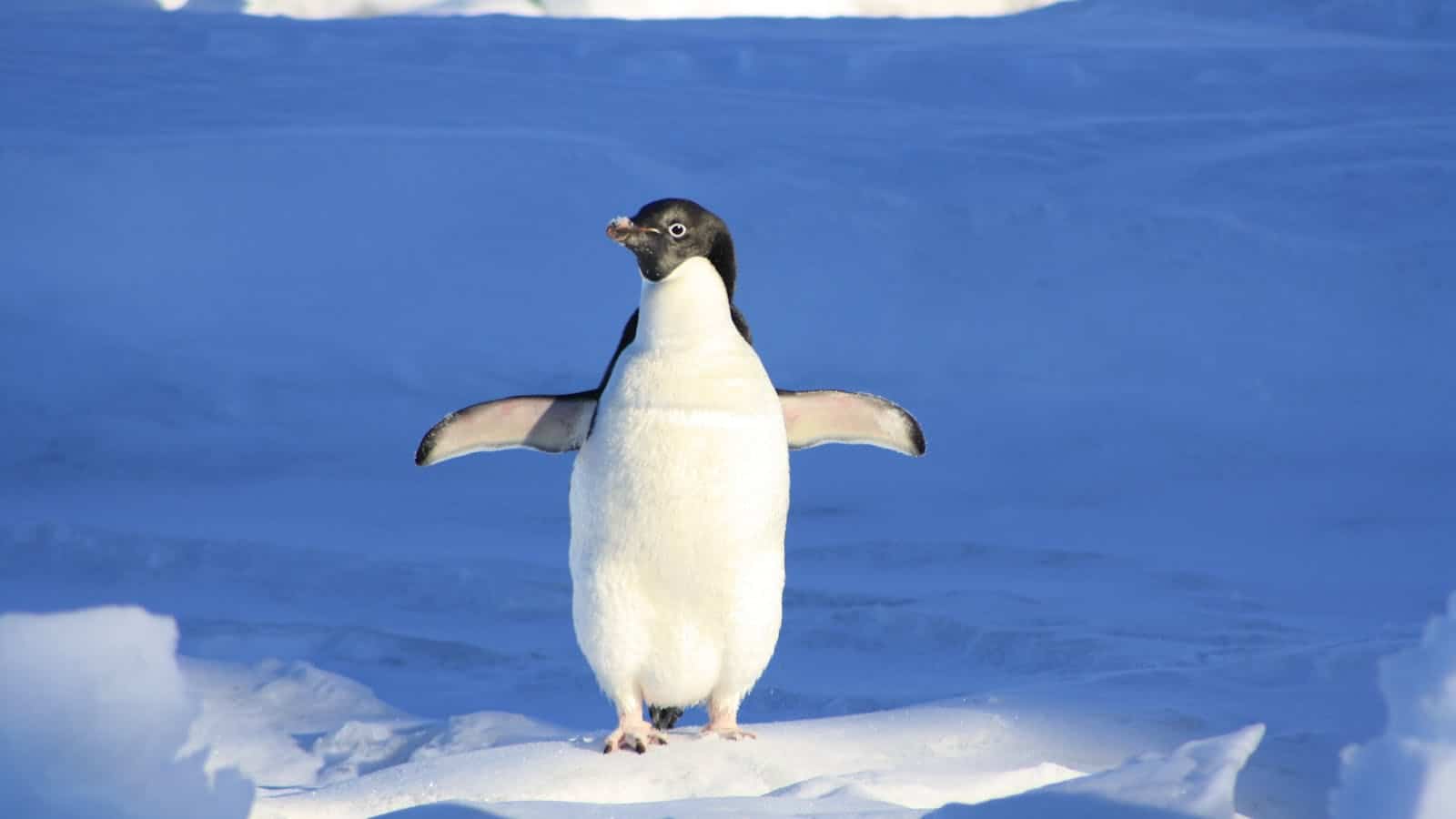
Visiting Antarctica is the adventure of a lifetime, and the penguins are a considerable part of the attraction. Millions of them, from the massive Emperor penguins to the smaller Adélie, waddle and slide across the ice, utterly unfazed by human observers.
Cruise ships bring thousands of tourists to the continent’s fringes, all eager to see these charismatic birds. Despite its remote location, Antarctic tourism is a growing industry, with over 70,000 visitors in the 2019-2020 season and over 100,000 visitors in the 2023-2024 season. The revenue helps support the scientific bases and conservation efforts that protect the frozen continent.
The Koalas of Australia
Koalas are right up there with kangaroos as Australia’s most beloved animals. The opportunity to see a sleepy koala clinging to a eucalyptus tree is a bucket-list item for many travelers. Sanctuaries and wildlife parks provide a chance for visitors to get up close, learn about their struggles, and even hold one in some places.
Like kangaroos, koalas play a significant role in attracting tourists and their wallets to Australia. They are a powerful symbol of Australia’s natural beauty and a major reason why visitors flock to its shores.
Disclaimer – This list is solely the author’s opinion based on research and publicly available information. It is not intended to be professional advice.
Like our content? Be sure to follow us.
How Total Beginners Are Building Wealth Fast in 2025—No Experience Needed

How Total Beginners Are Building Wealth Fast in 2025
I used to think investing was something you did after you were already rich. Like, you needed $10,000 in a suit pocket and a guy named Chad at some fancy firm who knew how to “diversify your portfolio.” Meanwhile, I was just trying to figure out how to stretch $43 to payday.
But a lot has changed. And fast. In 2025, building wealth doesn’t require a finance degree—or even a lot of money. The tools are simpler. The entry points are lower. And believe it or not, total beginners are stacking wins just by starting small and staying consistent.
Click here and let’s break down how.
5 Easy Steps to Change Any Habit

5 Easy Steps to Change Any Habit
We all click on them with the hope that just THIS time the secret to changing a bad habit or adopting a healthy one will be revealed and we’ll finally be able to stick to that diet, stop that one or ten things that might in the moment make us feel temporarily good but really just make us fat, unhealthy, sad, mad or just frustrated with ourselves.