

Growing older independently is a goal many people embrace, and for millions of seniors, living alone offers freedom, privacy, and the ability to maintain control over daily life. But independence can also bring challenges that are rarely discussed openly.
As people age, everyday tasks that once seemed routine can become more complicated. Managing a household, maintaining social connections, handling health issues, navigating transportation, and preparing for emergencies often require more planning and support than many anticipate. These changes tend to happen gradually, making them easy to overlook until they begin affecting quality of life.
Experts on aging note that living alone is not inherently a problem. In fact, many older adults thrive on their own. However, understanding the practical, financial, physical, and emotional realities of solo aging can help people prepare for the future and maintain their independence for as long as possible.
The goal is not fear, but awareness. By recognizing these challenges early, older adults and their families can make decisions that support both safety and quality of life.
The Fading of Physical Touch and Comfort
Human beings are wired for connection, and the lack of a hug or a hand to hold can lead to a quiet kind of skin hunger. When you live alone, weeks can pass without any physical contact, which can unsettle your nervous system and deepen feelings of isolation. You realize that the small gestures of affection you once took for granted were actually central to your emotional balance.
Social isolation in older adults is linked with sharply higher risks of dementia and other serious conditions, making regular human contact a key part of maintaining overall well-being, not just a nice extra.
The Sudden Weight of Minor Household Chores
When you live alone, a burnt-out lightbulb in a high ceiling or a leaky pipe under the sink becomes a major project. Without a partner to hold the ladder or a second set of hands to move a heavy box, these tiny tasks can feel like climbing a mountain. You realize that your home was built for a team, and being a solo player makes maintenance a constant struggle that chips away at your energy.
A national profile of older Americans shows that over a quarter of adults aged 65 and older now live alone, meaning every chore, repair, and seasonal project falls on one person rather than being shared. This pushes many solo seniors to consider downsizing, hiring regular help, or modifying their homes to make daily upkeep more manageable.
The Lack of a Second Opinion on Health
When a weird rash appears, or a cough lingers, there is no one across the table to nudge you and say, ” You really should call your doctor. You have to be your own advocate and your own alarm system, which can be exhausting when you are already feeling under the weather. Missing a subtle change in your health becomes a real risk when there are no other eyes on you day to day.
Analyses of older adults who live alone find that they tend to have fewer in-person social contacts and are at higher risk for isolation, making it harder for others to notice early warning signs or step in quickly when something seems off.
The Erosion of a Shared History
One of the quietest pains of aging alone is having no one to share your favorite memories or old inside jokes with. When you say, “Remember that time the dog ate the entire turkey, and there was only silence,” the memory starts to feel a bit thin around the edges.
You lose the person who holds the other half of your life story, making the past feel like a distant dream instead of a living, shared narrative.
Research has highlighted that loneliness in older adults is linked to higher rates of mobility decline and earlier death, showing that losing close companions can affect both emotional and physical well-being if new connections are not built.
The Complexity of Emergency Planning
If you trip in the kitchen at midnight, the realization that nobody is coming to help for hours is a sobering thought. You find yourself wearing a medical-alert button, leaving the lights on, or checking in with a friend via text every morning just to say you are upright. This constant awareness of your own vulnerability changes the way you move through your home and plan each day.
Fall statistics for older adults show that more than one in four people over 65 experiences a fall each year, leading to millions of emergency visits, and those who live alone face a higher risk of lying undiscovered after an accident.
The Cost of Living Without a Shared Budget
Everything from property taxes to the internet bill costs more when only one person covers the tab. You do not get the luxury of a dual income or shared budget to soften the blow of a sudden car repair or a rising heating bill. This financial pressure can make you feel like you are walking a tightrope without a safety net below you.
Organizations that work with older adults note that many retirees live on very modest incomes, leaving little room for unexpected expenses, which makes careful planning, strict budgeting, and timely benefit checks essential to staying afloat.
The Disappearance of Regular Dinner Conversation
Eating every meal in front of the television or a book can eventually make the kitchen feel like a very lonely place. The ritual of sharing a day’s stories over a plate of pasta is replaced by a quiet routine that offers no social feedback or laughter. You find yourself talking to the cat, the radio, or the kettle just to hear the sound of a human voice in the room.
The World Health Organization reports that around 14% of older adults live with a mental disorder and points to loneliness and social isolation as major risk factors. This means that regular conversation is not just pleasant, it is part of protecting your mental health.
The Challenge of Transportation and Mobility
There comes a point where night driving or long trips behind the wheel become much more stressful than they used to be. Without a partner to take a turn at the wheel or navigate the GPS, your world can start to shrink down to a few familiar blocks. You become dependent on ride shares, family favors, or public transit, which can feel like a loss of personal freedom and spontaneity.
Save this article
Once older adults stop driving, getting to medical appointments, social events, or even the grocery store becomes a major barrier to staying independent, which is why planning for alternatives early is so important.
The Burden of Medical Advocacy
Going into a major surgery or a consultation without a second set of ears to catch the details is a risky move. Doctors often move fast, and when you are the one in the gown, it is hard to remember every question you meant to ask. You have to find a trusted friend or hire a professional advocate to ensure you receive the right care and fully understand your options.
Research on family companions during doctor visits finds that they frequently help patients ask questions, clarify information, and remember instructions, which highlights how much extra effort solo adults must invest to manage complex treatment plans on their own.
The Risk of Cognitive Decline Going Unnoticed
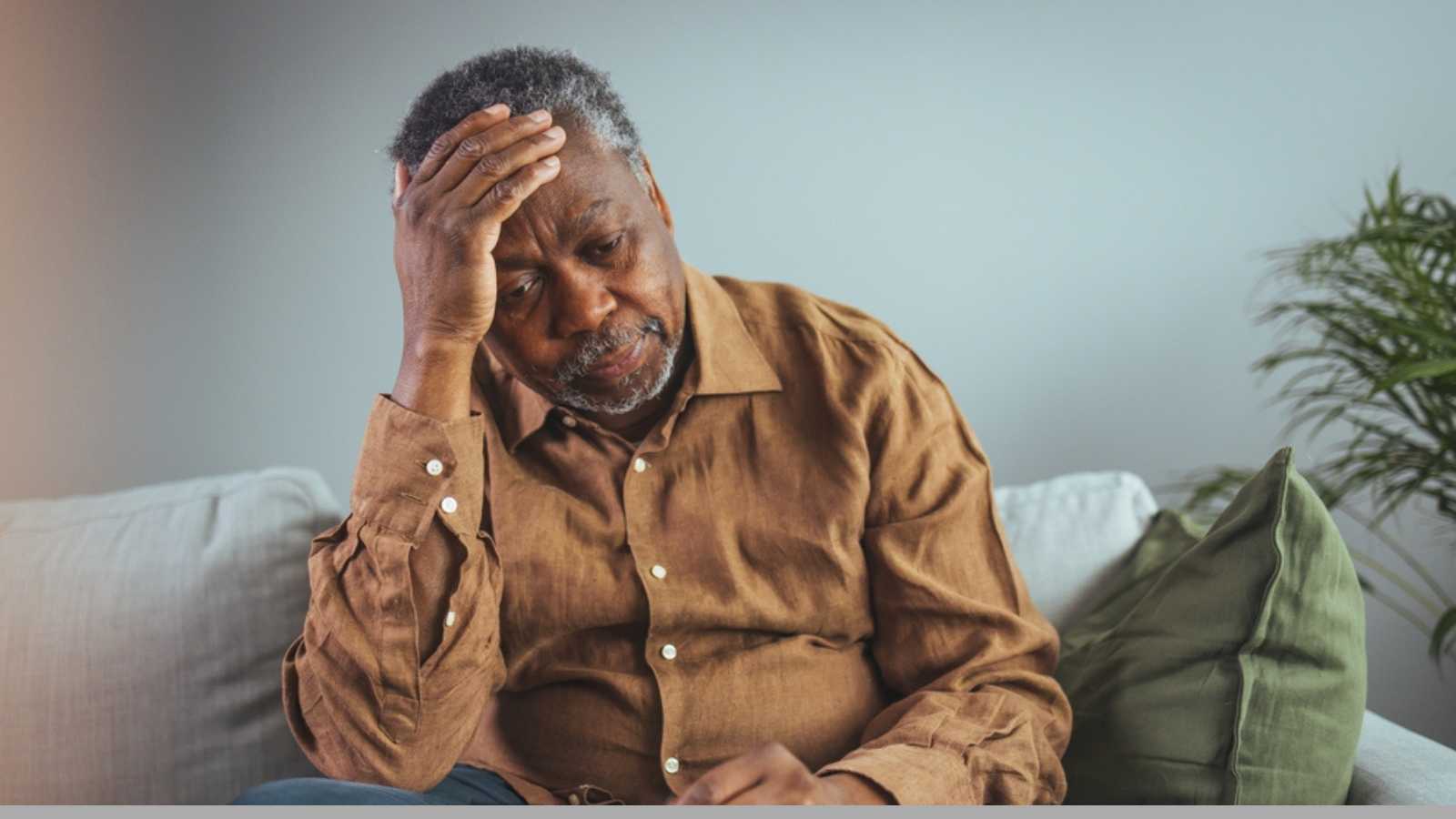
In a shared household, a partner might notice if you start repeating stories or forgetting to pay the electric bill every month. When you are on your own, these subtle signs of memory loss can go undetected for a very long time until a crisis occurs. This makes it much harder to access early intervention or plan for your future care while you still have the clarity to do so.
Current estimates suggest that roughly one in nine people age 65 and older has Alzheimer’s disease, and for those living alone, there may be fewer chances for someone else to spot early warning signs and encourage a timely evaluation.
The Difficulty of Navigating the Legal System
Setting up a power of attorney or an advance directive is much more complicated when there is no obvious person to name. You have to make tough choices about who you trust to handle your finances or to make life-or-death decisions for you. It requires a level of paperwork and legal planning that most people find uncomfortable and easy to put off until it is too late.
Many adults still have no will or estate plan in place, and for someone aging solo, that lack of preparation can leave critical decisions in the hands of the courts or distant relatives rather than trusted advocates.
The Ultimate Responsibility for Your Own Joy
When you are alone, there is no one else to blame for a boring weekend or a bad mood, putting all the pressure on you. You have to be the one to initiate every outing, every phone call, and every new hobby that keeps your mind active. It is a constant exercise in self-motivation that can feel like a heavy burden on days when your energy is low, and you would rather stay home.
The World Health Organization notes that a sizable share of older adults worldwide live with mental health conditions such as depression and anxiety, which makes it especially important to deliberately plan small pleasures, routines, or even modest goals that give structure and meaning to your days.
Key Takeaway
Aging alone brings significant challenges. Without a partner to share the mental load with, solo seniors must be proactive in building community ties. While the path requires more effort and self-awareness, facing these truths directly allows individuals to create a safe and fulfilling life on their own terms.
More articles:
- Why many grandparents won’t babysit
- 12 behaviors every grandparent needs to stop immediately
- The Science of Grandparent Love: Why It’s Good for Everyone’s Health
Disclosure: This article was developed with the assistance of AI and was subsequently reviewed, revised, and approved by our editorial team.
Like our content? Be sure to follow us on Newsbreak.
10 Classic Grandparent Home Habits That Are Becoming Popular Again

As life accelerates, many are turning to traditional home habits for a sense of stability and mindfulness. What was once considered outdated is now being embraced by a younger generation seeking more intentional living, with practices from our grandparents making a major comeback.
The modern world is moving so fast that many people are looking backward for a sense of peace and stability. We are seeing a massive resurgence in traditional home habits that our grandparents practiced daily out of necessity. These old-fashioned routines are being rediscovered by a younger generation looking to slow down and live more intentionally. Read more.
10 Things Your Great-Grandparents Did That Are Unthinkable Now

Take a second and think about your great-grandparents. The world they were born into is almost an alien planet compared to ours. The 20th century witnessed an unprecedented explosion of social and technological change.
In 1900, the average American life expectancy was a mere 47.3 years. By 2010, it had soared to 78.7 years. That incredible leap wasn’t just about living longer; it was about living in a completely different reality. Read more.





