
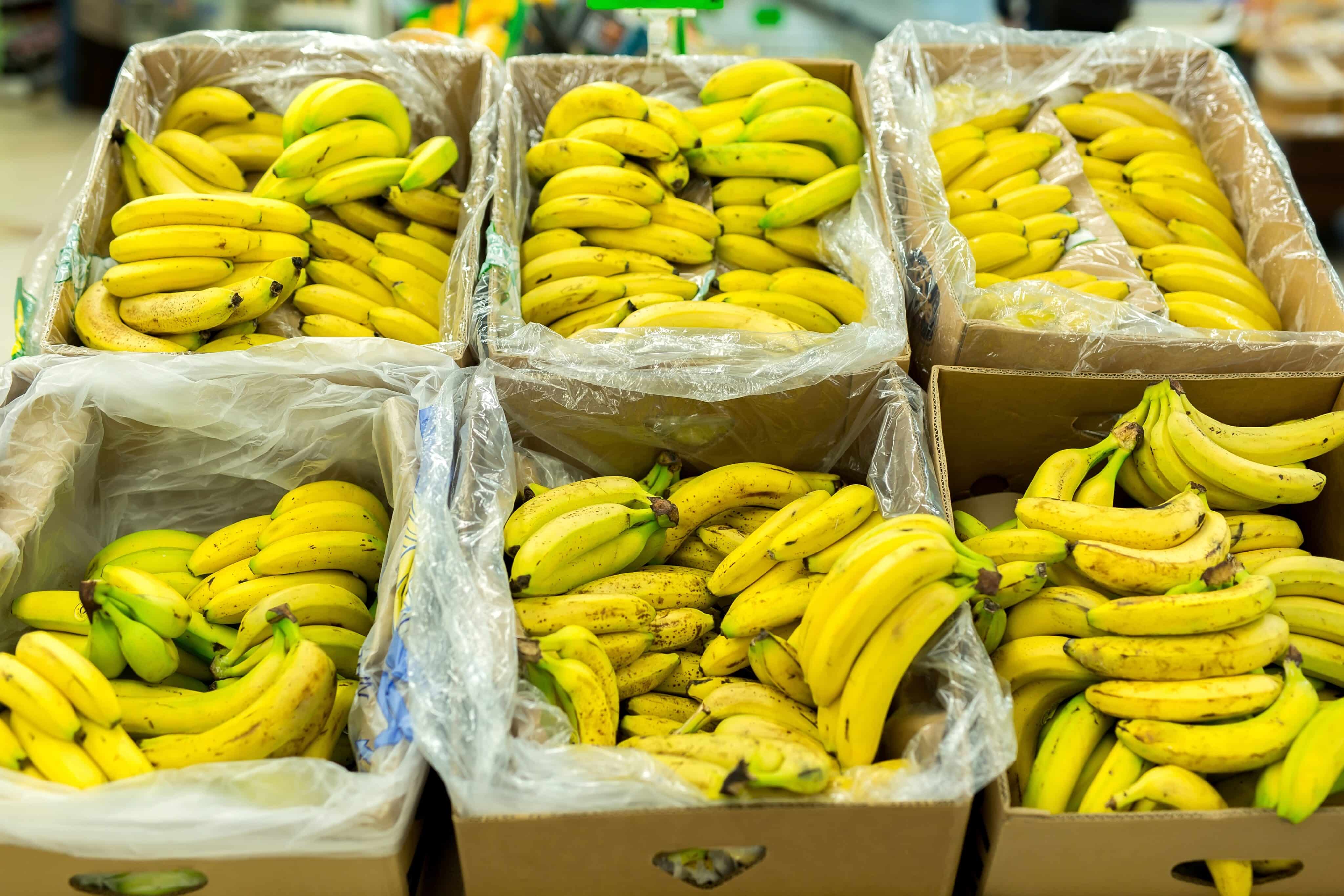
With more than 40% of bananas wasted in the U.S. each year, science-backed storage methods are helping consumers dramatically extend their shelf life.
Did you know that over 40% of bananas in the U.S. are wasted every year, often because they ripen too quickly? It’s a common scenario; your bananas go from perfectly ripe to brown and mushy before you get the chance to enjoy them. But what if we told you there’s a way to keep those bananas fresh for up to a month?
Yes, it’s possible with a few simple tricks! With the right timing, temperature, and some savvy storage techniques, you can stretch their freshness for weeks, saving you from that dreaded overripe pile. Let’s explore 12 science-backed tips that will not only extend your bananas’ shelf life but also help you make the most of every bunch you buy.
Start with Bananas That Aren’t Too Ripe
The secret to fresh bananas starts even before you bring them home from the store. Greener or just yellow bananas will outlast those with brown spots. At typical room temperature, bananas that are yellow with a few spots will last about 2–3 days, while bananas that are still slightly green can stay fresh for 5–6 days.
According to 2023 studies on banana ripening, choosing bananas that are still slightly underripe is key to prolonging their shelf life. To truly stretch your banana stash for a month, buy a mix of greener and just-ripe bananas so they ripen at different times. This way, you can rotate them into cooler storage when needed.
Keep Ripe Bananas Cool
Bananas don’t like the cold; at least not until they’re ripe. Banana experts recommend storing ripe bananas in a cool spot around 55°F (13°C) to slow ripening without damaging the fruit. Once ripe, bananas can be refrigerated, where they will remain fresh for an additional 5–7 days.
The peel will darken, but the fruit’s inside remains firm and good to eat. However, don’t put bananas in the fridge when they’re still green! Refrigerating green bananas too soon can cause “chilling injury,” affecting their taste and texture, according to food safety specialists. So, give them a chance to ripen first!
Use Your Freezer To Pause Ripening for Up to a Month (or More)
Here’s the ultimate hack to preserve bananas for a month or longer: freeze them! Freezing stops the ripening process entirely, so you can keep ripe bananas in the freezer for up to three months with minimal degradation in quality.
The 2024 food safety guidelines suggest that peeled bananas stored in airtight containers or freezer bags can maintain their taste and texture for at least one month. Peel and slice the bananas before freezing them to avoid clumping. You’ll have ready-to-go smoothie ingredients whenever you need them, and you won’t have to worry about waste.
Wrap The Stems to Slow Ethylene Escape
Bananas are climacteric fruits, meaning they produce ethylene gas that accelerates their ripening. And guess where most of that gas escapes? Yep, you guessed it; the stems. By wrapping the stems in plastic wrap or foil, you can slow ethylene’s release, buying yourself an extra 1–2 days of freshness.
This simple step can make a significant difference, especially when you’re trying to stretch the life of your bananas. Combine this with proper temperature control, and you’re on your way to keeping bananas fresh much longer.
Keep Bananas Away from Other Fruits
Ethylene isn’t just produced by bananas; it’s also released by other fruits like apples, avocados, and tomatoes, which can speed up the ripening process. Studies by produce scientists show that storing bananas near these fruits can dramatically shorten their shelf life.
To prevent this, store bananas in their own bowl or hang them separately from other fruits. Keeping bananas isolated reduces ethylene build-up around them, allowing them to stay fresh longer. It’s a simple storage hack that can extend the life of your bananas without much effort.
Store Ripe Bananas in a Cool, Dark Spot Before Moving to the Fridge
Before you move your ripe bananas to the fridge, consider storing them in a cool, dark place to further slow their ripening. According to University extension advice, bananas should be kept at about 54–55°F (12–13°C) for optimal storage.
Avoid placing bananas in direct sunlight or on warm countertops, as this will accelerate ripening and shorten their shelf life. In hot climates, simply moving bananas to the coolest part of your kitchen can noticeably slow browning. This small shift can extend their freshness before you even think about refrigeration.
Hang Bananas to Prevent Bruising and Rot Spots
Bananas love air circulation! Hanging them rather than leaving them in a bowl helps prevent bruising, which can speed ripening and spoilage. Bruises and pressure points from contact with surfaces create weak spots that become entry points for bacteria and mold.
The solution? A simple banana hanger. It keeps the fruit from bruising and helps air circulate, promoting even ripening. Plus, a hanger can be a stylish and functional addition to your kitchen! According to experts, this method is particularly useful for extending banana lifespan in both home and retail settings.
Avoid Sealing Ripe Bananas in Ordinary Plastic Bags at Room Temperature
While it might seem like a good idea to store ripe bananas in plastic bags, it’s actually counterproductive. Regular plastic bags trap both moisture and ethylene gas, which can accelerate ripening and encourage mold growth.
Studies have shown that polyethylene bags, the kind typically used in stores, can actually extend banana shelf life in commercial settings when carefully controlled. But for home use, it’s best to avoid sealing ripe bananas in plastic at room temperature. If you need to bag them, refrigerate or freeze them immediately.
Use Ethylene Absorbers or Specialized Produce Bags for Longer Storage
If you’re looking for a high-tech way to preserve your bananas, ethylene-absorbing bags are a game-changer. Research has shown that bags designed to absorb ethylene can extend the freshness of bananas by 18–25 days. These bags are designed to regulate oxygen and carbon dioxide while absorbing the ripening gas.
Save this article
This method is commonly used in commercial shipping and is now available for home use. If you’re serious about cutting food waste and getting the most out of your bananas, these bags can extend the shelf life well beyond what traditional methods allow.
Turn Ripe Bananas into “Ingredient Form” Before They Spoil
Bananas are incredibly versatile, and when they start to ripen too quickly, turning them into smoothie ingredients, baked goods, or even banana ice cream is a great solution. Food preservation experts suggest mashing ripe bananas and freezing them with a little ascorbic acid (vitamin C) to maintain their color and flavor.
This process lets you store bananas in the freezer for up to a month. When you label your bags with the number of bananas, you can easily pull out exactly what you need for your next recipe. This trick can prevent you from tossing out overripe bananas while also providing healthy, pre-portioned ingredients for future use.
Think in “Stages”: Counter → Fridge → Freezer.
Bananas ripen in stages, so rather than fighting the ripening process, work with it. Start by letting them ripen at room temperature for a few days. Then, move them to the fridge once they’re ripe.
The fridge can add 5–7 days to their lifespan, even though the peel will darken. After that, if you want to keep them even longer, freeze the remaining bananas. According to storage specialists, this method—counter → fridge → freezer—is the best way to extend banana freshness for up to a month.
“The key is not to fight ripening but to stage it—let bananas ripen on the counter, then hit pause in the fridge, and finally in the freezer before they’re wasted,” says a produce handling expert.
Buy and Store Strategically to Cut Waste
Bananas are one of the most wasted fruits worldwide, primarily because they ripen so quickly. Produce experts recommend buying smaller bunches or a mix of ripeness levels to avoid all the bananas ripening at once.
Store individual bananas separately to prevent them from speeding up each other’s ripening process. Using a “fruit rotation” system, placing older bananas at the front and newer ones at the back, can help keep your bananas fresh longer, while avoiding the dreaded overripe zone.
Key Takeaways
Bananas don’t have to be a fruit that’s doomed to spoil within days. By managing temperature, ethylene exposure, and handling, you can extend their shelf life. In typical home conditions, ripe bananas last 2–6 days on the counter, about 5–7 days longer in the fridge, and up to a month in the freezer with proper storage.
Simple changes, like wrapping stems, hanging bananas, and using ethylene-absorbing bags, can help you keep bananas fresh longer, while freezing them in pre-portioned amounts provides long-term convenience for smoothies and baking. Say goodbye to waste and hello to fresh bananas, anytime you want them!
More articles:
- 12 fruits that contain more vitamin C than oranges
- 12 reasons dragon fruit may be one of the healthiest fruits you’re not eating enough of
- Starting Your First Garden? Here Are the 10 Easiest Vegetables to Grow
Disclosure: This article was developed with the assistance of AI and was subsequently reviewed, revised, and approved by our editorial team.
Like our content? Be sure to follow us on Newsbreak.
The Best Root Vegetables for Better Vision
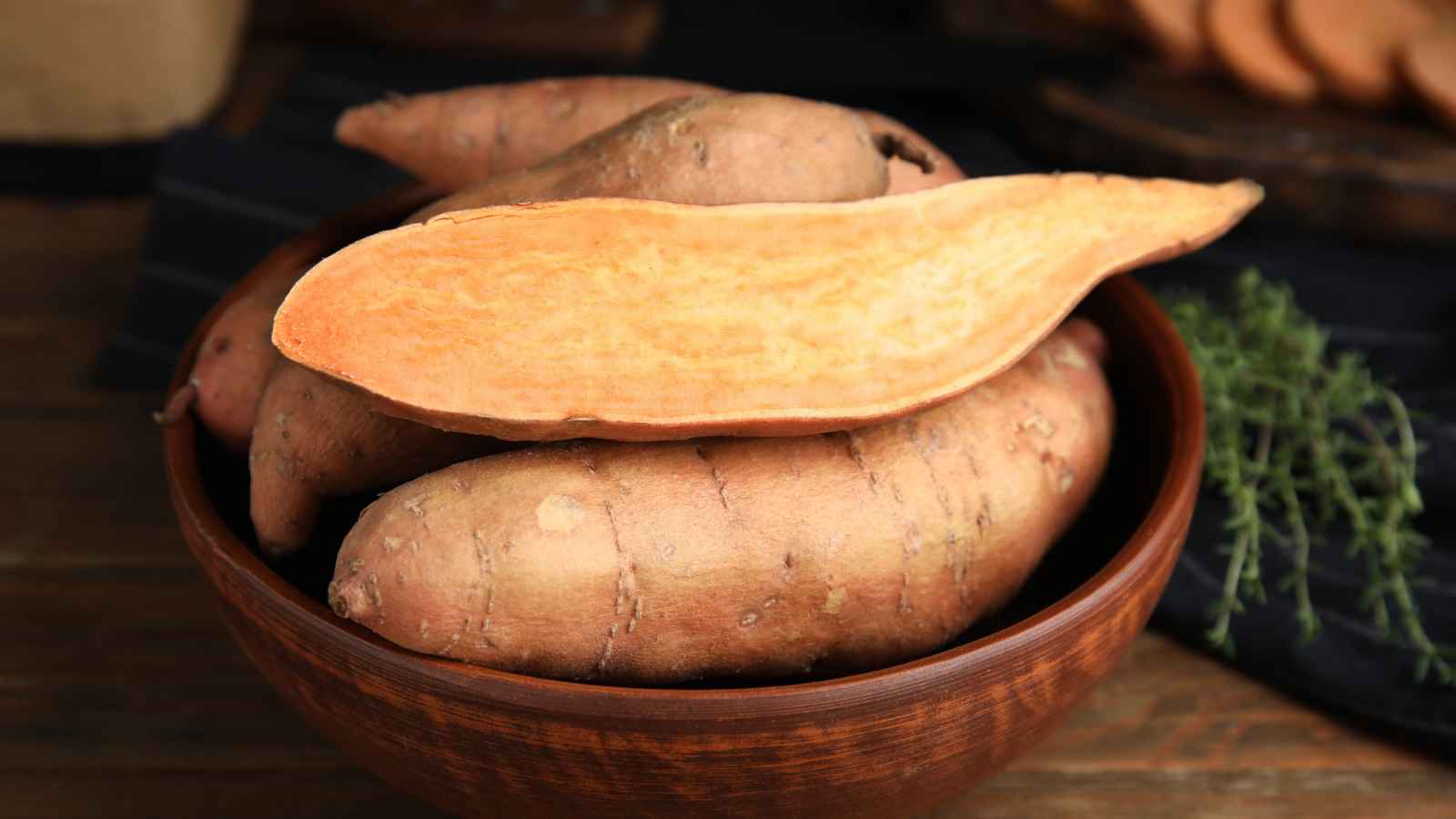
Around the world, most conversations about eye health focus on things like glasses, screen time, or supplements. But in public-health circles, the story actually starts much deeper—literally underground. Root vegetables, especially the ones loaded with carotenoids, play a major role in keeping our eyes healthy.
Vitamin A deficiency is still the leading cause of preventable childhood blindness around the globe, according to the World Health Organization. It contributes to an estimated 250,000 to 500,000 cases every year, especially in places where people don’t have access to foods rich in provitamin A. Learn more.
Common spices linked to colon cancer prevention

In the quiet routine of seasoning a meal, you may be adding small, powerful defenses against one of the most common cancers.
Your spice rack might actually be hiding some powerful health benefits. It turns out that a handful of common pantry staples pack a serious punch against serious illnesses. Medical researchers are looking closely at how everyday seasonings can fight back against cellular damage in the digestive tract. Learn more.
Which protein is actually better for arthritis, plant or animal?
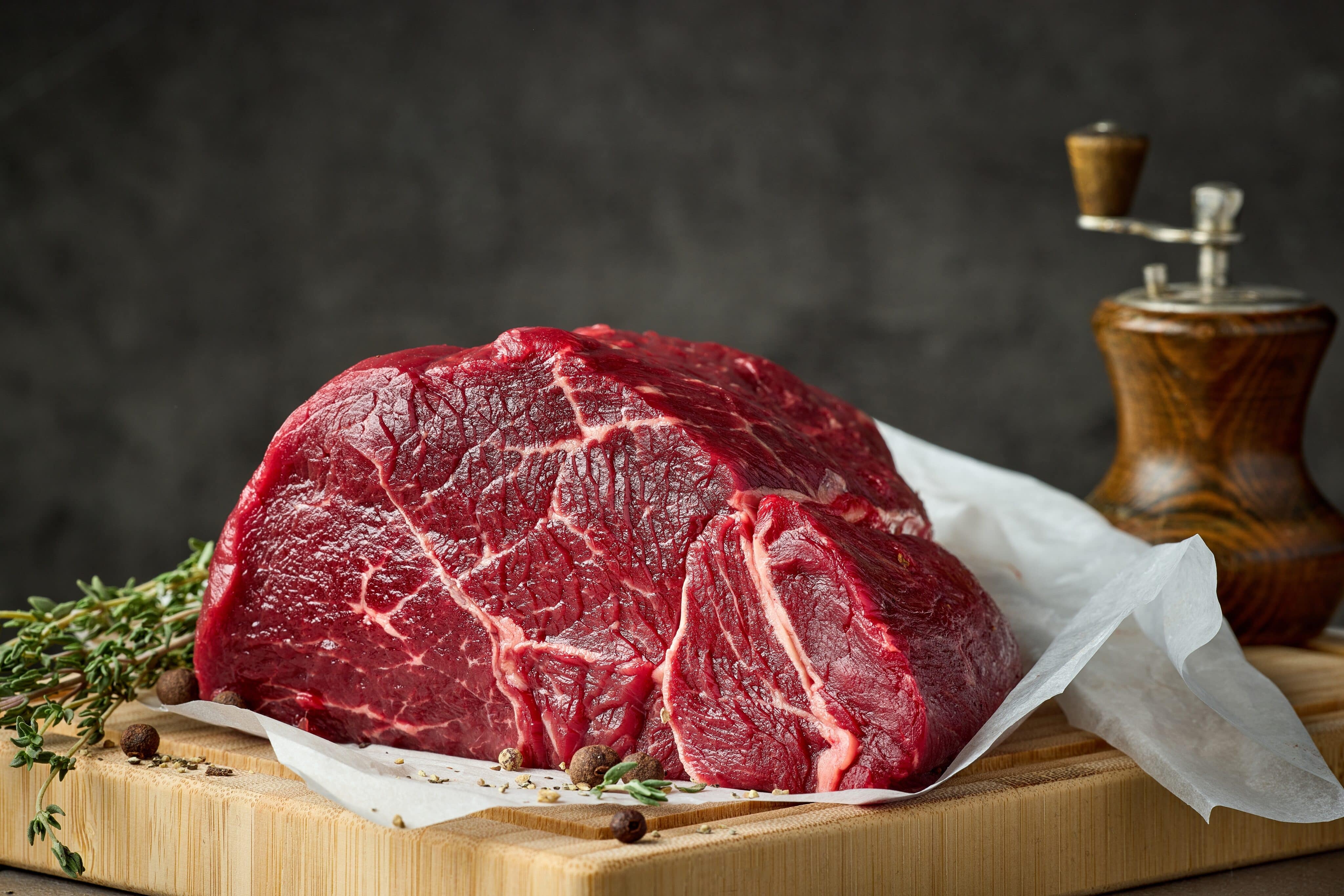
With more than 53 million Americans living with arthritis, emerging research points to nutrient balance—not protein source alone—as the real driver of bone and joint health.
CDC estimates from 2019–2021 show about 21.2% of US adults (around 53.2 million people) report a doctor’s diagnosis of some form of arthritis (including osteoarthritis, rheumatoid arthritis, gout, lupus, etc.). Osteoarthritis (OA) is the most common joint disorder in the US (over 32.5 million US adults live with it), mainly affecting knees, hips, hands, and spine. Learn more.





