

The modern education system is producing more graduates than ever — but many are entering the real world unprepared. Across OECD countries, 36% of firms report significant skills gaps in their workforce, highlighting a widening mismatch between what people learn in school and what life and work actually demand.
According to the UK government’s 2024 Employer Skills Survey, 1.26 million workers were judged not fully proficient in their roles in 2024, while employers consistently point to missing “practical” and “soft” skills as a major concern.
At the same time, the nature of work is shifting rapidly. Automation, AI, and digital transformation are redefining what it means to be “educated,” with new skills emerging faster than traditional curricula can adapt.
The result? A generation that can pass exams, but often struggles with everyday realities: managing money, communicating effectively, thinking critically, or even cooking a basic meal.
Here are 12 essential life skills schools once taught that many people now have to learn the hard way.
Time Management And Organization

The transition from a bell schedule that tells you where to be every minute to the freedom of adulthood is jarring. Many students struggle to prioritize tasks without a teacher standing over them with a red pen and a deadline. Learning how to create a personal system of accountability is a skill that pays dividends for a lifetime.
Studies on workplace productivity indicate that the average worker wastes 2.1 hours per day due to ineffective organizational habits and lack of focus. This inefficiency breeds a constant state of panic and burnout that could be avoided with a few simple strategies. Being the boss of your own clock is the ultimate form of freedom in any career.
Personal Financial Literacy

Most teenagers leave the classroom knowing the date of the Magna Carta, but have zero clue how a credit score actually functions. They are thrown into a sea of debt and high interest rates without a life vest to keep them afloat. Understanding how to manage money is a survival skill that the modern educational system currently ignores.
According to a 2024 survey, only 26 states require students to take a personal finance course to graduate from high school. This means half the country is winging it when they sign their first apartment lease or take out a car loan. It is a gamble that often leads to years of avoidable stress and empty wallets for young workers.
Basic Home Maintenance
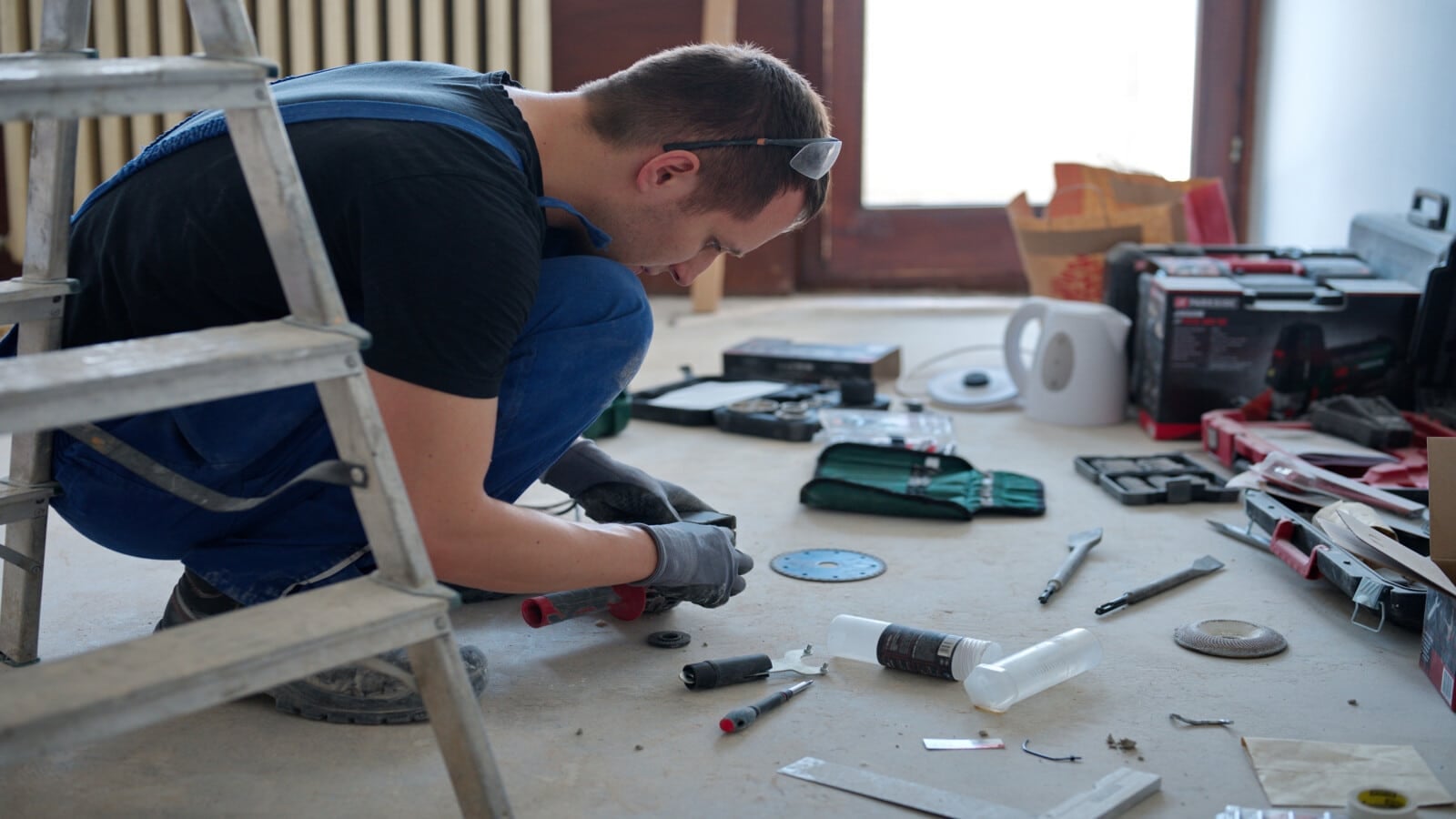
There was a time when Shop Class was a rite of passage where you learned to respect a saw and understand a circuit. Now, many folks have to call a professional and pay a fortune to change a washer in a dripping kitchen sink. Losing these tactile skills makes us fragile and overly dependent on a service economy that is getting pricier by the day.
Statistics from HomeAdvisor show that the average homeowner spends $2,467 annually on basic maintenance and emergency repairs that many could handle themselves.
Learning the difference between a Phillips and a flathead screwdriver shouldn’t require a digital tutorial during a basement flood. We need to get our hands dirty again to feel truly capable in our own homes.
Effective Interpersonal Communication

In an era of emojis and quiet quitting, the ability to have a difficult face-to-face conversation is vanishing rapidly. We have raised a generation that is brilliant at texting but terrified of answering a ringing phone or looking someone in the eye.
Schools focus on essays but often neglect the verbal agility needed to build strong relationships in a professional setting. Expert psychologist Dr. Sherry Turkle notes that “we are lonely but fearful of intimacy” because we have traded conversation for mere connection.
Statistics show that 92% of employees and managers believe soft skills, such as communication, are just as important as technical skills. Without these roots, the social fabric of our communities begins to fray at the edges.
Basic Mechanical Knowledge

Opening the hood of a car shouldn’t feel like staring at a puzzle from an ancient civilization. Many drivers today don’t even know how to check their oil or change a flat tire on the side of a busy highway. We have become spectators to the machines that move us through our lives, which is a dangerous place to be.
Figures from a survey by CheapCarInsurance show that 50% of drivers cannot perform basic maintenance tasks like changing a tire or checking tire pressure. This lack of knowledge leads to thousands of dollars in unnecessary mechanic bills and hours of wasted time waiting for a tow. A little bit of grease on the elbows can save a whole lot of headache later.
Critical Thinking And Media Literacy

We are currently drowning in a sea of information but starving for the wisdom to tell what is actually true. Schools often emphasize memorizing facts rather than questioning the source or the motivation behind the data we see online.
This gap leaves us vulnerable to every clever headline and viral rumor that floats across our digital screens.
Save this article
Research from Public Citizen found that 82% of students couldn’t distinguish between a real news story and a paid advertisement. This staggering statistic shows how ill-equipped we are to handle the current information age. Teaching kids how to fact-check is just as important as teaching them how to read or write.
Conflict Resolution Techniques

When every disagreement happens behind a screen, we lose the ability to find a middle ground with people we don’t like. Schools have implemented zero-tolerance policies that often bypass the actual work of teaching kids how to talk through a problem.
Instead of learning to compromise, we have learned to simply block, delete, or walk away from the table. Most managers spend their time dealing with internal conflicts that employees should resolve on their own.
This lack of social friction management slows down progress and creates toxic environments in every sector of society. Finding a way to agree to disagree is becoming a rare and precious talent.
Fundamental First Aid Knowledge

Most people wouldn’t know what to do if a friend started choking or fell unconscious during a casual lunch. We assume someone else will be the hero, but often, the most important minutes happen before the ambulance even arrives. Basic life-saving skills should be as common as knowing how to tie your shoes or ride a bicycle.
Most people who suffer out-of-hospital cardiac arrests die because they don’t receive immediate CPR. Teaching these skills at every grade level would save thousands of lives and empower people to act in emergencies. It is the ultimate insurance policy for our families and our friends alike.
Understanding Taxes And Civic Duty
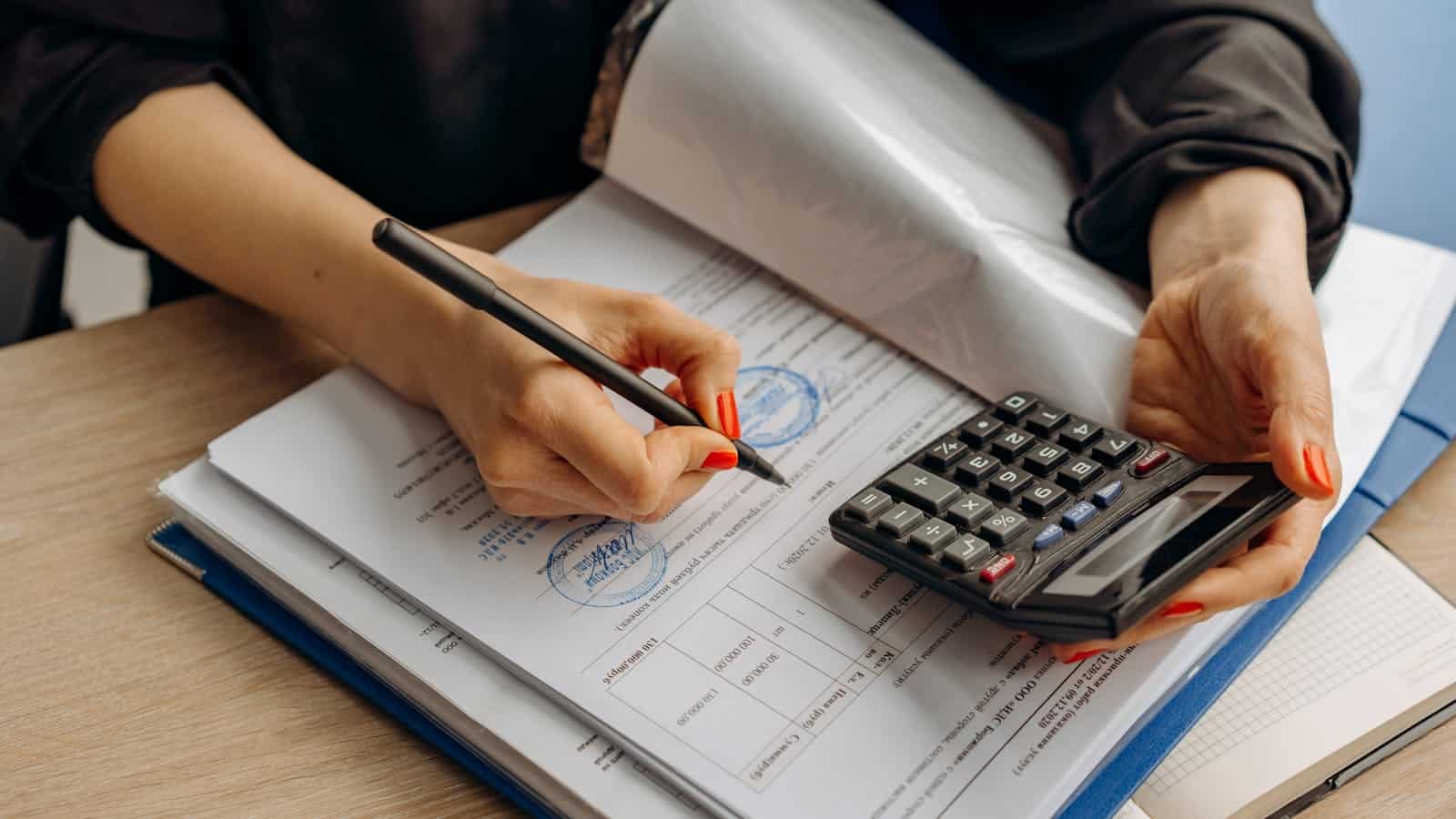
The arrival of the first paycheck is usually a moment of celebration, followed by total confusion about where the missing funds went. Most students are never taught how to file a tax return or what their local government actually does with their money.
This lack of civic education makes the entire system feel like a giant mystery that is rigged against them. This disconnect from the mechanics of our democracy makes it difficult for young people to engage meaningfully. We need to teach the plumbing of the state just as much as we teach the poetry of its history.
Real World Culinary Skills

Cooking has become a spectator sport we watch on screens rather than a daily practice at the stove. Schools used to provide a foundation in nutrition and safety, but those kitchens have mostly been converted into extra storage or computer labs. Consequently, the art of following a simple recipe is becoming a lost craft for many young professionals today.
When you do not know how to boil an egg or chop a pepper, you end up relying on expensive, processed meals. Knowing your way around a cutting board is the first step toward true physical independence and better long-term health.
Understanding Basic Utility Systems

Most young renters can tell you how to reset a router, but they are completely lost when a circuit breaker trips. Schools have moved away from teaching the basics of a house, leaving a generation vulnerable to minor household emergencies. Without this knowledge, a small leak can turn into a flooded basement before a professional even picks up the phone.
Most emergency plumbing calls could be avoided if the homeowner knew how to locate the main water valve. This lack of basic system literacy adds a massive layer of stress to the already high cost of living. Learning the map of your own utilities is a fundamental requirement for any adult who wants to protect their property.
Navigating The Healthcare System

We spend years learning about biology in a lab, yet most graduates cannot explain the difference between a deductible and a co-pay. The administrative side of staying healthy is a maze of paperwork and fine print that many young adults find totally impenetrable. This often leads people to avoid necessary care simply because they fear the hidden costs.
Data from Policy Genius shows that only 4% of Americans can correctly define basic health insurance terms. This disconnect creates a massive barrier to maintaining personal health and long-term physical stability. Teaching the business of being a patient is just as vital as teaching the science of the human body.
Key Takeaway
The missing pieces of the modern education puzzle aren’t found in a textbook but in the practical habits of self-reliance. By reclaiming these essential skills, we can bridge the gap between academic achievement and the actual ability to thrive in an unpredictable world. It is time to bring back the life in life skills so the next generation can lead with confidence and competence.
Disclaimer: This list is solely the author’s opinion based on research and publicly available information. It is not intended to be professional advice.
Like our content? Be sure to follow us





