

What you eat doesn’t just nourish your body; it follows you, whispering reminders hours after the last bite.
Nothing kills a vibe faster than bad breath. You could be having a great conversation, hitting it off on a first date, or nailing a job interview, but a whiff of unpleasantness can bring it all to a screeching halt. It’s an instant connection-breaker that leaves you feeling self-conscious for the rest of the day.
We often blame poor oral hygiene, and while that’s a major factor, it isn’t the only culprit in the lineup. The truth is, some of your favorite foods are secretly plotting against your fresh breath, leaving behind smelly compounds long after the meal is over. Here are some of the most common offenders to watch out for.
Garlic, The Aromatic Offender

It’s the secret weapon in countless delicious dishes, from pasta sauce to stir-fries, but its effects can linger for what feels like an eternity. The issue comes from sulfur compounds that are released when garlic is crushed or chopped. These compounds do more than hang out in your mouth after you eat.
They are absorbed into your bloodstream, travel to your lungs, and are then exhaled with every breath you take. That’s why you can sometimes smell garlic on someone’s breath many hours later. It’s a full-body experience, and unfortunately, everyone around you gets to participate whether they want to or not.
Onions, The Pungent Partner In Crime
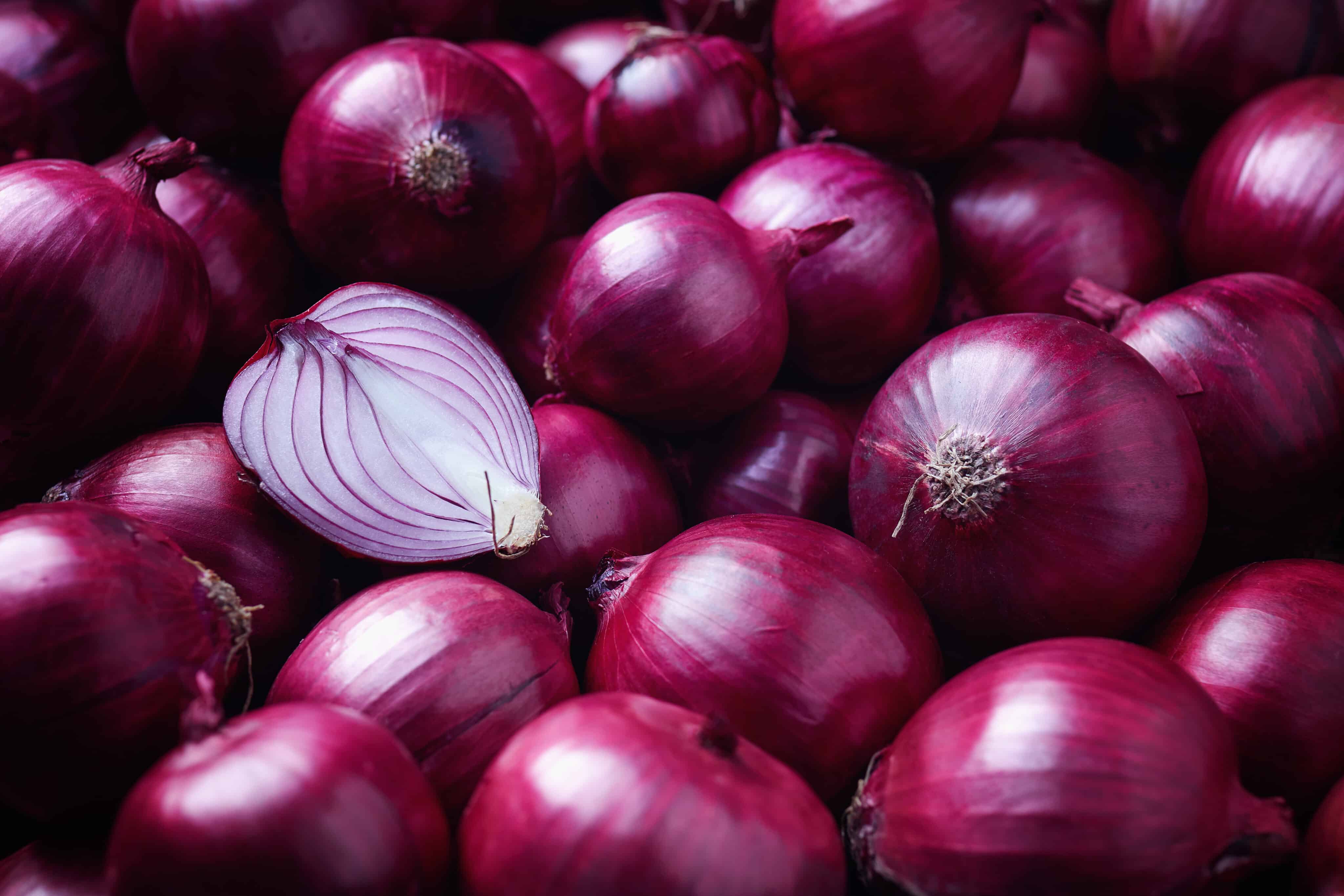
Just like their close relative garlic, onions are loaded with pungent sulfur compounds that can turn your breath sour. Raw onions are particularly potent, leaving a strong, lingering scent that brushing alone can’t always conquer. It’s the price we pay for that delicious crunch on our burgers and salads.
These compounds follow the same path as garlic, entering your circulatory system and making a grand exit through your lungs. A study from the National Library of Medicine shows that these sulfur compounds are the primary cause of halitosis in up to 50 percent of the population. So, if you’re planning a day of close talking, you might want to skip the extra onion.
Coffee, That Morning Pick-Me-Up

Many of us can’t imagine starting the day without a cup of coffee, but that morning ritual could be setting you up for bad breath. The caffeine in coffee has a dehydrating effect, which significantly reduces your saliva production. Saliva is your mouth’s best friend, washing away food particles and bacteria.
When your mouth is dry, smelly bacteria can multiply without anything to stop them. Northwestern Medicine notes that a dry mouth is one of the leading causes of bad breath. That bitter, acidic nature of coffee also creates a prime environment for these odor-causing germs to thrive, giving you that dreaded “coffee breath.”
Canned Tuna, A Convenient But Smelly Snack

Canned tuna is a fantastic source of protein and a go-to for a quick lunch, but it comes with a fishy downside. As fish tissue breaks down and is preserved through canning, it undergoes a process of oxidation, creating compounds that have a distinctly sour and fishy odor that sticks to your breath.
It’s not just in your head; the smell is powerful and has a strong, lasting effect in your mouth. The unique chemical profile of canned fish is notoriously difficult for saliva to break down quickly. Think twice before having that tuna sandwich right before an important meeting, or at least have some mints ready.
Dairy Products, A Surprising Source Of Odor

Milk, cheese, and yogurt are staples in many American diets, but they can contribute to some less-than-fresh breath. The natural bacteria in your mouth love to feed on the amino acids found in dairy products. When they do, they release hydrogen sulfide, the same compound responsible for the smell of rotten eggs.
This process is especially noticeable with certain aged cheeses that are already rich in smelly compounds. A NIH study found that high-protein foods, including dairy, can produce ammonia as a byproduct during digestion, which also contributes to bad breath. It’s a double whammy of odor production.
Sugary Sweets, A Buffet For Bacteria

Indulging in a sugary donut or a handful of candy might satisfy your sweet tooth, but it’s also a feast for the bacteria living in your mouth. These tiny organisms consume sugar and produce foul-smelling acids as a byproduct. This not only causes bad breath but also contributes to tooth decay.
This is why your dentist is always telling you to cut back on the sugar. The Centers for Disease Control and Prevention (CDC) explains that bacteria like Streptococcus mutans use sugar to create acids that erode tooth enamel and create odors. It’s a party for them, but not so much for your social life.
Peanut Butter, A Sticky Situation

Who doesn’t love peanut butter? As delicious as it is, peanut butter’s thick, pasty texture makes it incredibly difficult for your saliva to wash away. It sticks to the roof of your mouth, your tongue, and in between your teeth for hours, giving bacteria plenty of time to work.
The high protein content also adds to the problem, as bacteria break it down and release smelly sulfur compounds. This sticky consistency prevents the natural cleansing action of your mouth from working effectively. It’s a classic snack that, unfortunately, brings some classic bad breath along with it.
Red Meat, A Protein-Packed Problem

Save this article
A juicy steak or a hearty burger can be a satisfying meal, but a high-protein diet, especially one rich in red meat, can lead to some unpleasant breath. As your body breaks down large amounts of protein, it produces ammonia. This sharp, chemical-like odor can then be detected on your breath.
This is often referred to as “keto breath” by those on low-carb, high-protein diets. It’s a sign that your body is in a state of ketosis, but it’s not a pleasant smell for those around you. If you’ve been loading up on meat, don’t be surprised if your breath has a distinctly sharp scent.
Alcohol, The Dehydrating Culprit

Enjoying a beer after work or a glass of wine with dinner can be relaxing, but alcohol is a major contributor to bad breath. It acts as a diuretic, meaning it causes your body to lose fluid, which can lead to dehydration. This results in a dry mouth, creating the perfect environment for odor-causing bacteria.
The less saliva you have, the more bacteria can grow and cause trouble. The effect is so pronounced that a ResearchGate study has shown salivary flow can decrease by as much as 50% after consuming alcohol. On top of that, your liver metabolizes alcohol into compounds that can also be smelled on your breath.
Cheese, An Unexpectedly Potent Player

While it falls under the dairy category, certain types of cheese deserve their own special mention. Varieties like blue cheese, Roquefort, and Camembert are famous for their strong, pungent aromas. These smells are created by the specific types of bacteria and mold used during the aging process.
When you eat these cheeses, you’re introducing those same odor-causing compounds directly into your mouth. That distinct smell is part of what makes the cheese delicious, but it doesn’t translate well to fresh breath. So, while it might pair perfectly with wine, it’s a combination that can be tough on your oral freshness.
Acidic Foods, A Recipe For Bacterial Growth

Foods and drinks high in acid, such as citrus fruits, tomatoes, and sodas, can also contribute to bad breath. The high acid content creates an ideal environment for bacteria to reproduce quickly. This rapid growth leads to an increase in the production of foul-smelling compounds.
Over time, this acid can also wear down your tooth enamel, making your teeth more susceptible to decay and cavities, which are another source of bad odors. Think of it as rolling out the welcome mat for smelly bacteria. Balancing these foods with alkaline options like vegetables can help neutralize the effect.
Spices, Packing More Than Just Flavor

Certain spices, such as curry and cumin, have powerful, persistent aromas that can get into your bloodstream and be exhaled through your lungs. Just like garlic and onions, their scent can stick with you for hours after a meal, no matter how much you brush your teeth or chew gum.
The aromatic compounds in these spices are what make them so flavorful, but they’re also what makes them a problem for your breath. Their impact is systemic, meaning the smell comes from inside your body, not just from your mouth. It’s a testament to their strength, but not one you want to share during a close conversation.
Disclaimer – This list is solely the author’s opinion based on research and publicly available information. It is not intended to be professional advice.
Like our content? Be sure to follow us.
How Total Beginners Are Building Wealth Fast in 2025—No Experience Needed

How Total Beginners Are Building Wealth Fast in 2025
I used to think investing was something you did after you were already rich. Like, you needed $10,000 in a suit pocket and a guy named Chad at some fancy firm who knew how to “diversify your portfolio.” Meanwhile, I was just trying to figure out how to stretch $43 to payday.
But a lot has changed. And fast. In 2025, building wealth doesn’t require a finance degree—or even a lot of money. The tools are simpler. The entry points are lower. And believe it or not, total beginners are stacking wins just by starting small and staying consistent.
Click here and let’s break down how.