

Every generation claims the next “has it easier.” But boomers didn’t just grow up; they survived a radically different America.
According to the U.S. Census Bureau, more than 76 million baby boomers were born between 1946 and 1964, making them the largest generation in American history until millennials came along.
When you look back at what boomers faced, it’s clear that resilience was their daily language. They grew up amid wars, recessions, strict parents, and no social safety nets, long before smartphones or therapy culture.
Getting a Job Meant Hustling

Boomers mailed résumés or pounded the pavement, often taking whatever work they could get. There was no LinkedIn, no job boards, just persistence. The Bureau of Labor Statistics (BLS) reports that the average boomer held nearly 12 jobs before age 50, many without college degrees or digital shortcuts.
Mental Health Wasn’t Discussed

Boomers grew up in an era when anxiety or depression were labeled as “bad moods” or “weakness.” Stigma reduction in recent decades may have led to more people identifying and seeking help for mental health needs.
No Participation Trophies

Losing meant you lost and you learned. School sports, spelling bees, and even report cards came without sugarcoating.
Psychologist Dr. Jean Twenge, author of Generations, explains, “Boomers were taught resilience through real failure, something later generations often experience less directly.”
Jobs Were Physically Demanding

Factory work, farming, and manual labor were common. Around 1960, the manufacturing sector employed approximately 20-25% of the total U.S. workforce. There were no ergonomic desks or hybrid offices, just grit and long hours.
Also in MSN: 10 outdated ’80s habits we could never get away with now
One Income Supported a Family

Boomers navigated a world in which one breadwinner could afford a house, but only with strict budgeting. In 1970, the median home price was $23,000, roughly 2.5 times the average annual income.
Compare that with 2024, when the average U.S. home costs 5.8 times the median income. Affordability has changed, but so has frugality.
College Was a Privilege, Not an Expectation

In 1970, only 11% of Americans had a bachelor’s degree, according to the Census Bureau. Many boomers went straight from high school to work. Education wasn’t framed as self-discovery; it was an investment few could afford.
Gender Roles Were Rigid

For boomer women, career ambition often came second to family duty. A 1965 Gallup survey found that 70% of Americans believed “a woman’s place is in the home.”
Breaking out of that box meant defying societal norms — and many did.
Divorce Carried Real Stigma

Save this article
The “no-fault” divorce laws didn’t arrive until the 1970s. Before that, ending a marriage meant public shame or financial hardship.
Technology Was Slow, Expensive, and Rare

Boomers grew up dialing rotary phones and typing term papers on typewriters. The first personal computer didn’t appear until 1977. Compare that to Gen Z’s world of instant AI tools and 5G, patience was a built-in virtue.
Recessions Hit Harder

The 1970s oil crisis and the early 1980s recession brought unemployment above 10%, the highest since the Great Depression. There were no gig apps, no side hustles, just layoffs, belt-tightening, and starting over.
Parenting Was Tough Love, Not Gentle Guidance

Boomers didn’t grow up with therapy-informed parenting. “You’ll live” and “because I said so” were household mantras. Sociologist Dr. Richard Reeves notes that “Boomer discipline emphasized responsibility and self-control over emotional expression, the opposite of today’s parenting norms.”
Information Was Earned, Not Scrolled

Before Google, knowledge came through encyclopedias, libraries, and lived experience. Research required effort, not algorithms. The upside? Focus, memory, and patience are skills that digital life now erodes.
Key Takeaways

Boomers faced economic, emotional, and cultural challenges that forged resilience and practicality.
Gen Z lives in a world of comfort and access, but also anxiety and burnout — different struggles, not lesser ones.
Every generation adapts to its time. The lesson? Strength doesn’t come from ease; it comes from endurance.
Disclosure line: This article was developed with the assistance of AI and was subsequently reviewed, revised, and approved by our editorial team.
Why Your Daily Coffee Could Be the Secret to Better Wellness

Why Your Daily Coffee Could Be the Secret to Better Wellness
Coffee is more than a pick-me-up. It’s a beverage linked to improved brain health, metabolic strength, heart resilience, and even a longer life. With antioxidants and plant compounds working alongside caffeine, it’s no wonder researchers call it one of the most powerful wellness drinks available.
6 Gas Station Chains With Food So Good It’s Worth Driving Out Of Your Way For
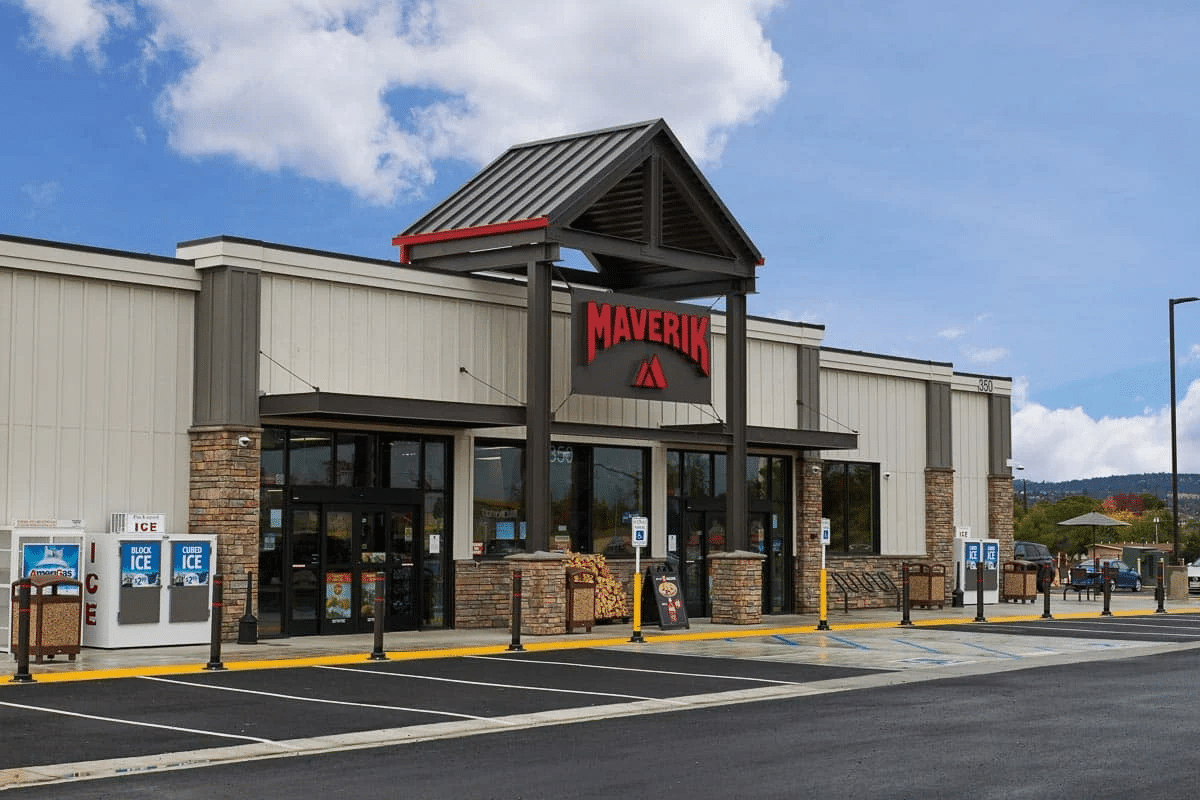
6 Gas Station Chains With Food So Good It’s Worth Driving Out Of Your Way For
We scoured the Internet to see what people had to say about gas station food. If you think the only things available are wrinkled hot dogs of indeterminate age and day-glow slushies, we’ve got great, tasty news for you. Whether it ends up being part of a regular routine or your only resource on a long car trip, we have the food info you need.
Let’s look at 6 gas stations that folks can’t get enough of and see what they have for you to eat.





