

Let’s be real — when someone tells you a food is “healthy,” your first instinct is probably to eat more of it, right? If broccoli is good for you, then surely eating an entire bag can’t hurt. But here’s the plot twist: even the healthiest foods can backfire if you go overboard.
According to the Centers for Disease Control and Prevention (CDC), nearly 74% of American adults are overweight or obese. That number isn’t just about fast food or sugary snacks — it’s also tied to overeating so-called “good” foods that are high in calories or fats.
You wouldn’t chug a gallon of water just because hydration is healthy (and please don’t try it). The same principle applies to these seemingly innocent superfoods — they’re great in moderation, but too much of a good thing can cause real harm.
Tuna (Especially canned albacore)

The Good: Tuna is packed with protein and omega-3 fatty acids that your brain and heart absolutely love.
The Problem: Tuna, especially the canned albacore and bigeye varieties, contains mercury levels that can actually accumulate in your body over time. We’re talking about a metal that can cause neurological issues, memory problems, and muscle weakness.
The FDA recommends limiting albacore tuna to just one 4-ounce serving per week for adults. If you’re pregnant, this becomes even more critical since mercury exposure can seriously impact fetal brain development. You can still get your fish fix by mixing in low-mercury options like sardines, salmon, and light canned tuna.
Nuts

The Good: These little powerhouses are loaded with healthy fats, fiber, and plant-based protein that can help lower cholesterol and support heart health.
The Problem: A small handful (about 28 grams) packs around 160-200 calories. It’s ridiculously easy to mindlessly munch through way more than that while binge-watching your favorite show.
Research shows that people who stick to about a handful per day maintain healthier weights, but those who go nuts (pun intended) with larger portions tend to see significant weight gain over time. About 38% of U.S. adults eat nuts daily, so portion control is key to keeping those benefits without expanding your waistline.
Avocados

The Good: Avocados are basically nature’s butter—creamy, delicious, and full of monounsaturated fats that support cardiovascular health.
The Problem: Half an avocado contains around 120 calories and 10 grams of fat. These may be “good” fats, but your body doesn’t distinguish them when it comes to total calorie intake.
Excessive avocado consumption can drive up your overall calorie intake and potentially elevate triglycerides. Considering avocado consumption in the U.S. has increased sixfold since 2000, it’s clear we’re all a little obsessed with this green goodness.
Sweet potatoes
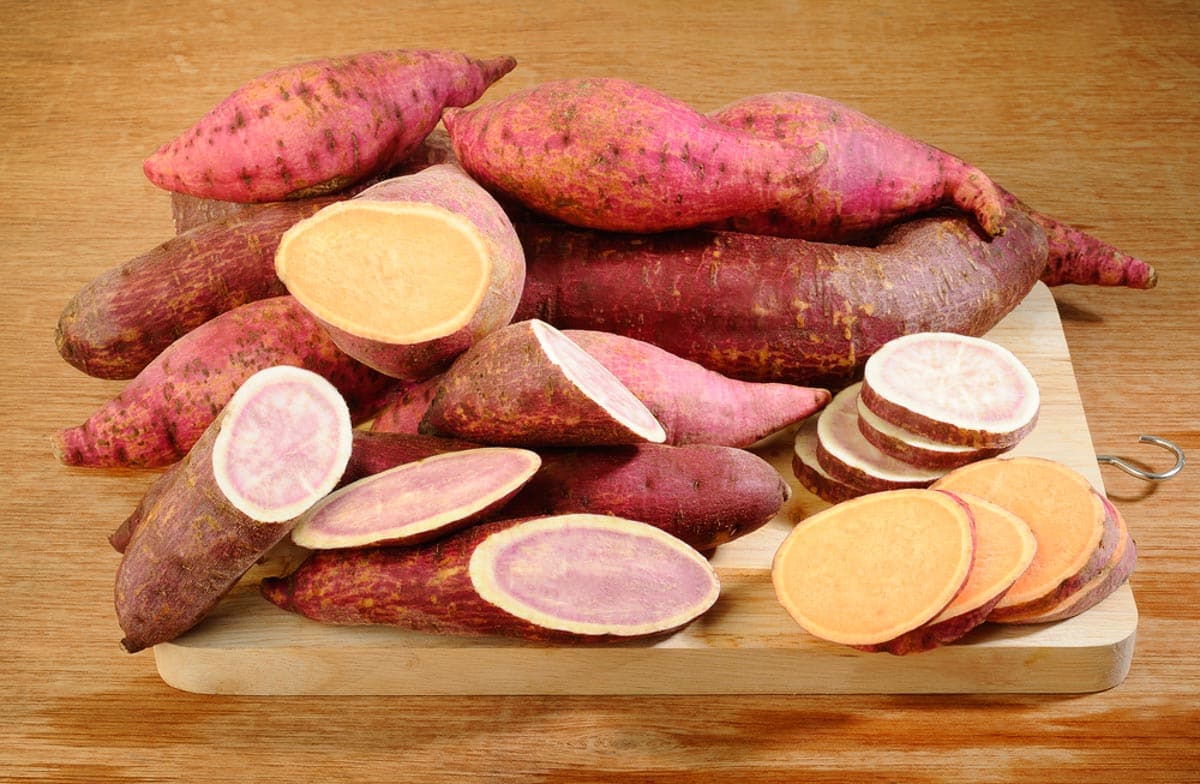
The Good: These orange beauties are loaded with fiber, beta-carotene, and slow-digesting carbs that support healthy eyes and immune function.
The Problem: Going overboard with sweet potatoes—especially if you’re also taking vitamin A supplements—can lead to vitamin A toxicity. We’re talking dizziness, headaches, and potential liver problems.
The risk generally occurs with chronic intake exceeding 10,000 IU per day from food and supplements combined. Most Americans eat about 7.5 pounds of sweet potatoes annually, so you’d have to really go wild to reach dangerous levels through food alone.
Honey

The Good: It’s a natural sweetener that feels so much better than processed sugar, right?
The Problem: One tablespoon of honey packs about 17 grams of sugar and 64 calories. Your body processes honey similarly to regular sugar, so frequent large servings can quickly spike your total sugar intake.
The WHO recommends limiting added sugars (including honey) to less than 10% of total daily calories. Since the average American already consumes about 17 teaspoons of added sugars daily—way above recommended limits—those “few teaspoons” of honey can push you over the edge pretty quickly.
Bananas

The Good: These yellow powerhouses are potassium-rich and support muscle and cardiovascular health.
The Problem: Eating way more than 1-2 bananas daily—especially if you have kidney issues—can cause hyperkalemia, a condition with dangerously high potassium levels that can mess with your heart rhythm.
Healthy adults can typically handle 3,500-4,700 mg of potassium daily, with one medium banana containing about 420 mg. Overconsumption through food alone is rare, but people with kidney problems or those on certain heart medications should definitely monitor their banana intake.
Cruciferous vegetables (Broccoli, kale, cauliflower)

The Good: These veggies are antioxidant powerhouses linked to cancer prevention.
The Problem: Several cups daily can lead to digestive issues like gas and bloating (not exactly party-friendly). For people with iodine deficiency or thyroid issues, compounds called goitrogens in these vegetables can interfere with thyroid hormone production.
The good news? Most Americans don’t eat enough vegetables in general, so excessive intake is uncommon. Over 60% of us fall short on veggie consumption, making this more of a “good problem to have.”
Fatty fish (Salmon, mackerel)

Save this article
The Good: These fish are excellent sources of omega-3 fatty acids, linked to reduced inflammation and better brain function.
The Problem: Very high intakes—especially through fish oil supplements—can increase bleeding risk and potentially weaken immune defenses. The American Heart Association warns that exceeding 3 grams of omega-3s daily may impact blood clotting.
Most Americans average only about 16 pounds of fish annually, well below problematic levels. But if you’re on blood thinners, definitely monitor your oily fish and supplement intake.
Carrots

The Good: Classic beta-carotene powerhouses that support vision and immunity.
The Problem: Massive, persistent overconsumption can lead to carotenemia—a harmless but striking orange tint to your skin from excessive carotene buildup.
This typically occurs after eating more than 20-30 mg beta-carotene daily (equivalent to over one pound of carrots per day) for several weeks. The condition is reversible by simply cutting back on carrots, so no permanent damage—just some temporary orange vibes.
Brown rice

The Good: Brown rice provides fiber and minerals that white rice lacks.
The Problem: Brown rice absorbs more arsenic from soil and water than many other grains. Long-term exposure to even low levels of arsenic is linked to higher cancer risk and other health issues.
The FDA recommends eating a variety of grains instead of relying solely on rice. Try alternating with quinoa, barley, or other grains that have lower arsenic content. The average American consumes about 26 pounds of rice annually, so diversifying is smart.
Garlic

The Good: Contains antioxidants and compounds linked to lower cholesterol and blood pressure.
The Problem: High quantities—especially raw garlic—can cause stomach irritation, bad breath (obviously), heartburn, and even bleeding complications if you’re on blood-thinning medications.
Some evidence suggests that more than four cloves per day is likely to cause GI discomfort for many people. Most Americans consume well below these levels through food, but garlic supplements can be easily overused.
Dark chocolate
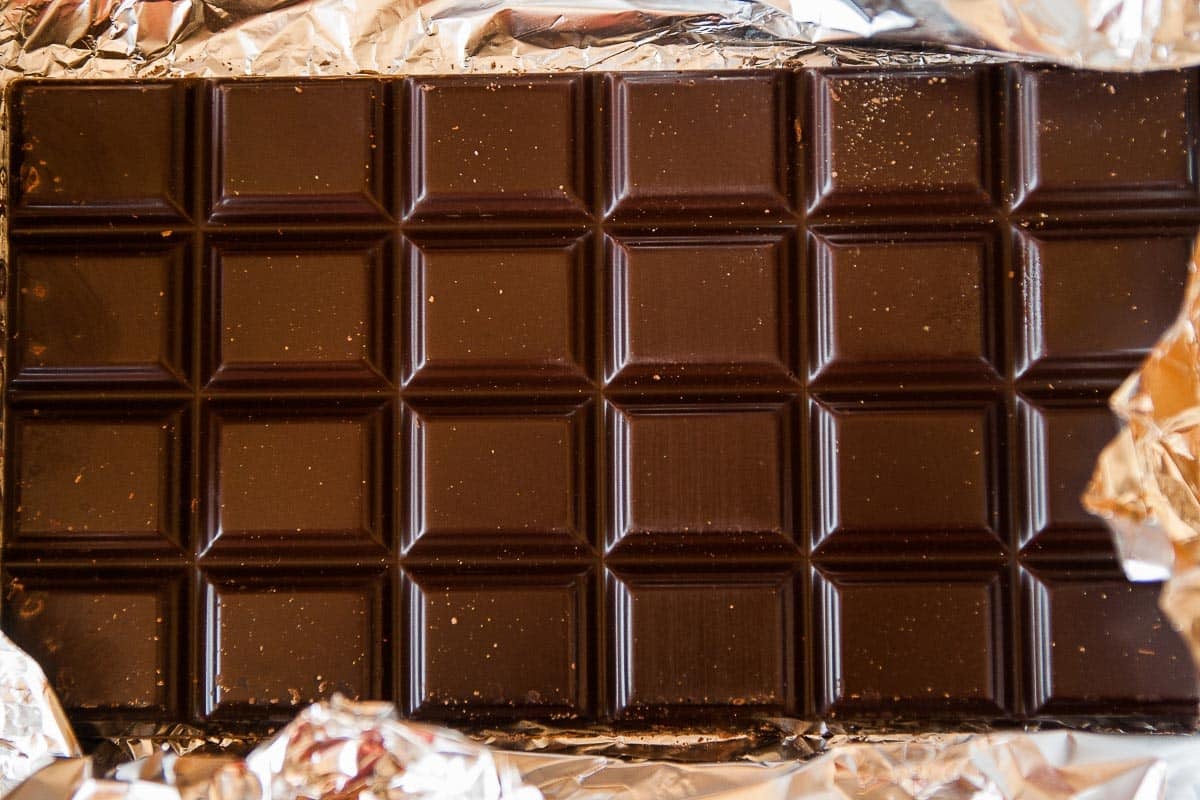
The Good: Packed with antioxidants, iron, and magnesium that can support heart health.
The Problem: It’s also high in calories, sugar, and caffeine. One bar (about 100 grams) may contain over 500 calories and 80 mg of caffeine.
Overconsuming dark chocolate can contribute to insomnia, migraines (in sensitive people), and weight gain. Stick to 1-2 small squares (about 20 grams) daily for the benefits without the drawbacks.
Key takeaway

Look, I’m not trying to make you paranoid about every healthy food in your kitchen. The key takeaway here is that moderation really is everything—even with foods that have health halos floating over them.
Your body thrives on variety and balance, not extremes. So go ahead and enjoy your avocado toast, but maybe don’t make it a triple-decker every single day. Mix up your grains, rotate your vegetables, and remember that “healthy” doesn’t mean “unlimited.”
The most sustainable approach? Listen to your body, eat a diverse range of foods, and don’t let perfect be the enemy of good. After all, life’s too short to stress about whether your third banana of the day is going to send you into potassium overload.
Disclaimer – This list is solely the author’s opinion based on research and publicly available information. It is not intended to be professional advice.
15 foods from the ’60s most Boomers loved with a passion

15 Foods From the ’60s Most Boomers Loved With a Passion
The 1960s were a period of profound social and cultural transformation in America. As the baby boomer generation came of age, they embraced new ideas, fashion trends, and music styles. And when it came to food, some beloved dishes defined this era.
Here are 15 foods from the ’60s that most boomers loved passionately.
25 ways to lose weight without exercise

25 Ways to Lose Weight Without Exercise
I’m here to let you know that losing weight without becoming a fitness enthusiast is definitely achievable. You won’t need to sweat excessively, just a little bit (after all, we all have to walk to the fridge, don’t we?). Here are 25 ways to lose weight without exercising.





