Once staples of diners and supper clubs, many classic American dishes are quietly disappearing from restaurant menus. Shifting tastes and a move toward lighter, trend-driven food have pushed these once-iconic meals to the margins.
We all have fond memories of visiting a classic diner or a fancy supper club with our grandparents. The menus were once filled with dishes that defined a generation, but are now becoming impossible to find. Changing tastes and a shift toward lighter food options have pushed these classics to the brink of extinction.
While some of these meals are still made at home, they are vanishing rapidly from professional kitchens. It is a bittersweet evolution as we trade heavy cream sauces for kale salads and grain bowls. Here are twelve iconic American dishes that are quietly disappearing from restaurants across the country.
Liver and Onions
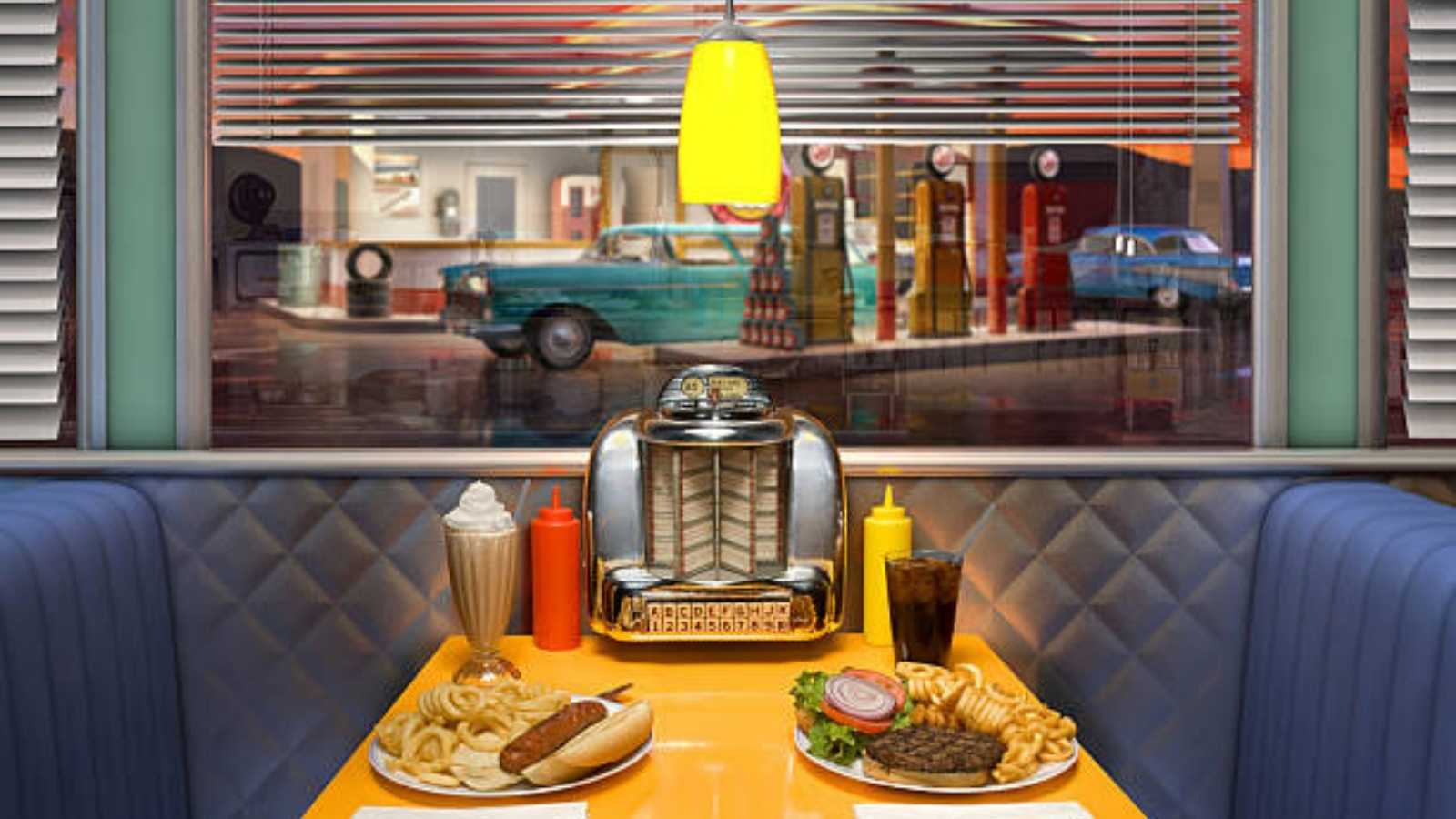
This mineral-rich dish was once a staple of every blue-collar diner menu in America. The distinct metallic taste of organ meat has fallen out of favor with modern palates that prefer milder cuts like chicken or ribeye. It is a polarizing meal that most younger diners refuse to order.
The decline is primarily driven by a cultural shift away from organ meats despite their high nutrient density. It is now found mainly in the oldest greasy spoons.
Ambrosia Salad

This sweet mixture of canned fruit, marshmallows, and coconut was a mid-century potluck superstar. It often appeared on salad bars and holiday menus as a festive side dish that blurred the line between dinner and dessert. However, the heavy reliance on processed sugar and canned goods has made it obsolete.
Modern diners tend to view this “salad” as a relic of a time when convenience mattered more than fresh ingredients. Food historians note that its popularity peaked in the mid-20th century before sharply declining as fresh fruit became more widely available year-round. It is now almost exclusively a nostalgia trip for home kitchens.
Chicken à la King
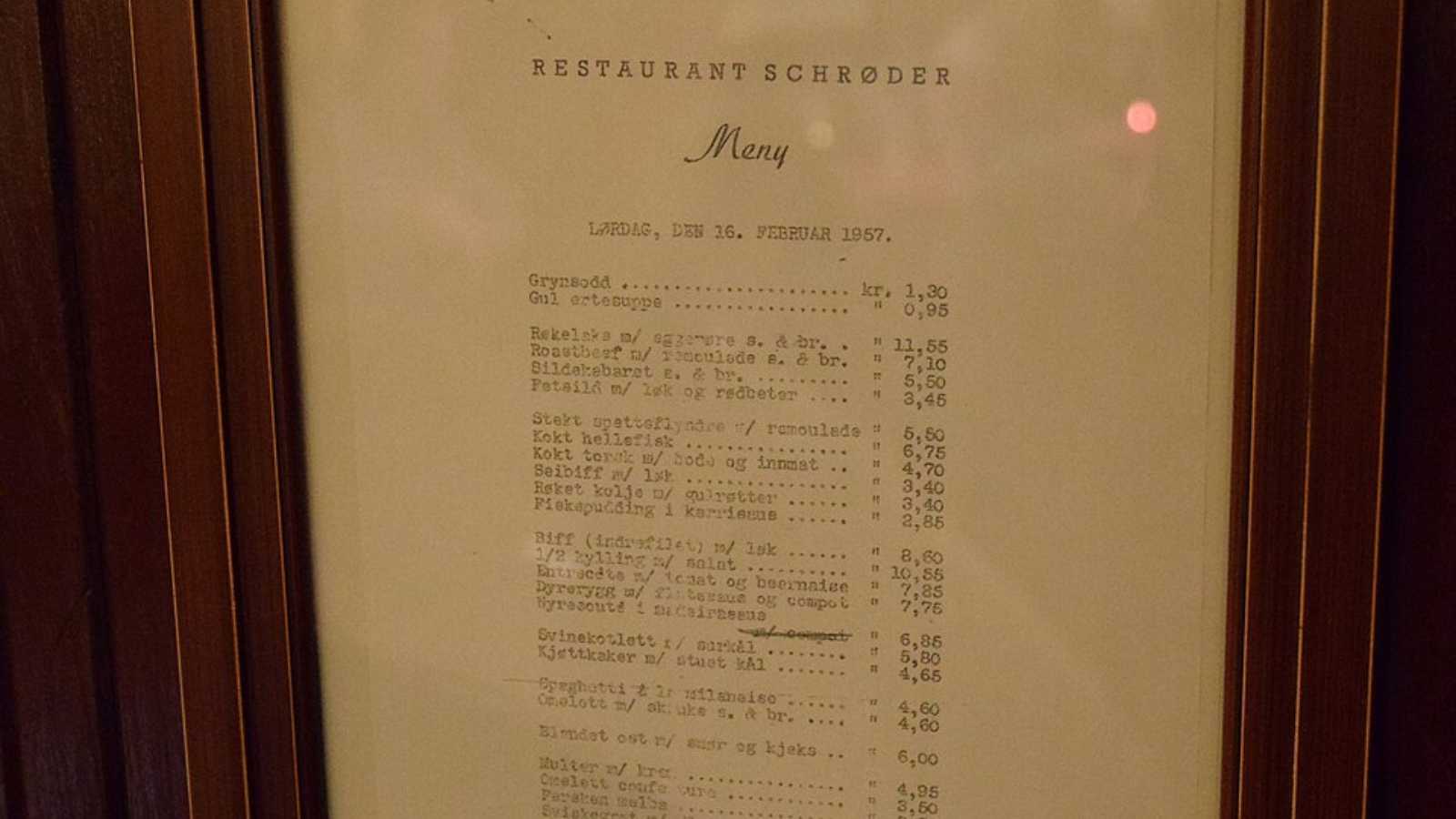
Diced chicken served in a rich cream sauce with mushrooms and pimentos was the height of elegance for decades. It appeared on an estimated 300 different restaurant menus between 1910 and 1960 as a standard banquet item. Today, the heavy sauce is seen as dated and unhealthy compared to grilled or roasted options.
The dish has effectively been relegated to the history books or hospital cafeterias. Food writers were already penning its obituary by the 1980s as “New American” cuisine took over. It is a heavy comfort food that just does not fit the modern lifestyle.
Salisbury Steak

This seasoned ground beef patty, smothered in brown gravy, was the original “health food” of the 19th century before becoming a TV dinner icon. Its association with cheap frozen meals eventually tarnished its reputation in sit-down restaurants. Diners who want beef today are far more likely to order an authentic steak.
Salisbury steak slowly faded from many restaurant menus in the 2000s, as more diners gravitated towards fresher, less processed meals. It is now a rarity outside of school lunches and frozen grocery aisles.
Baked Alaska

This spectacular dessert features ice cream wrapped in sponge cake and topped with toasted meringue. It was once the showstopping finale of any fine dining meal, but the labor-intensive preparation has made it scarce. Current data shows that only 0.04% of U.S. restaurants still offer this fiery treat on their menus.
The decline in social conversations about the dish suggests it is falling off the cultural radar entirely. Restaurants are opting for simpler desserts that do not require a tableside fire performance. It is a culinary magic trick that is slowly fading away.
Lobster Thermidor
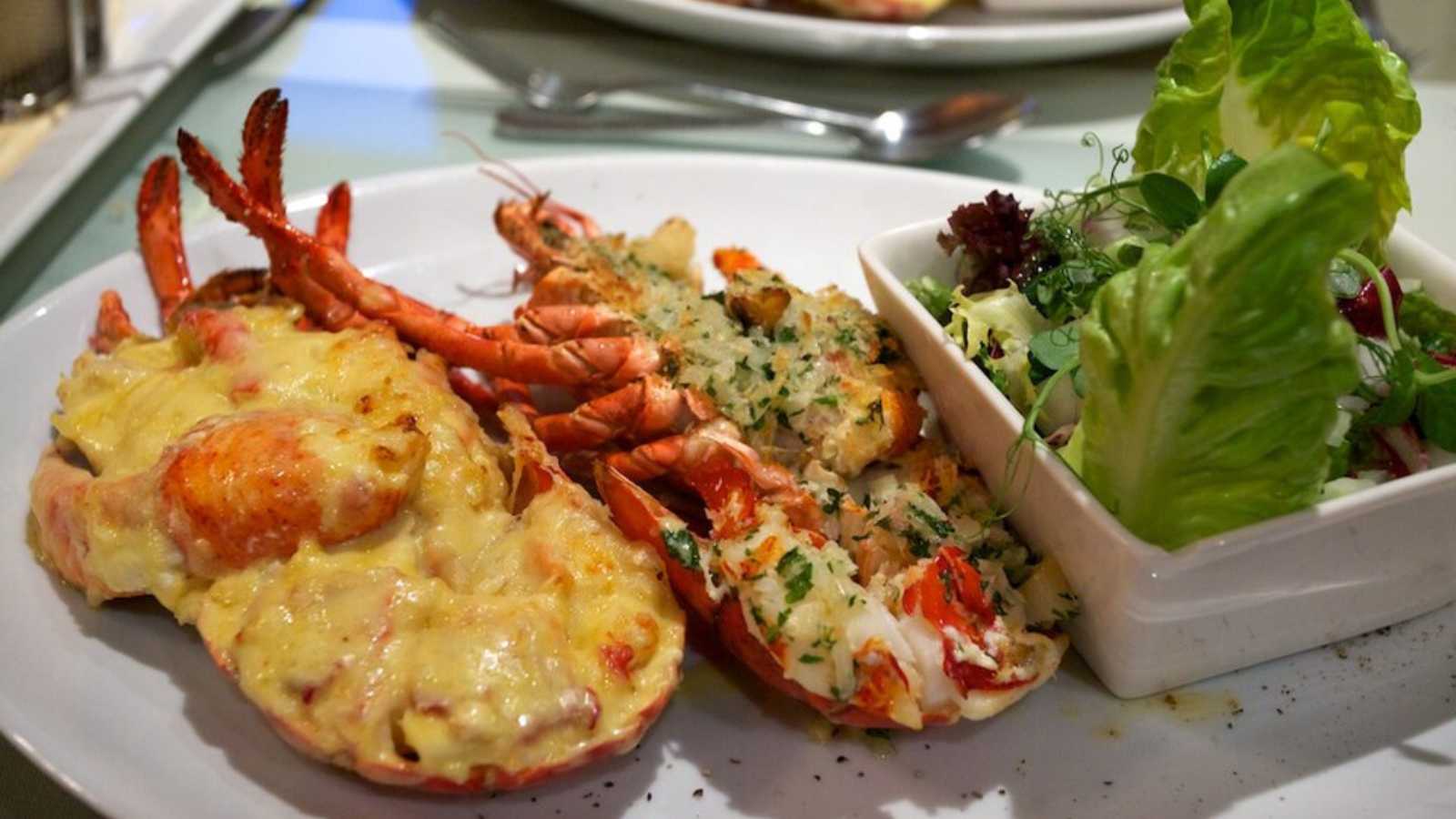
This rich French-American classic involves stuffing a lobster shell with cooked meat, egg yolks, and brandy. It was a symbol of pure luxury and status for high rollers and airline passengers alike. However, recent observations show a decline in its availability even on premium airlines and in steak houses.
The shift is driven by a desire for lighter and more sustainable seafood options. Modern diners are more conscious of their health and often prefer lobster steamed or grilled without the heavy cream sauce. The opulence of the dish feels out of step with current culinary values.
Cottage Cheese
Save this article
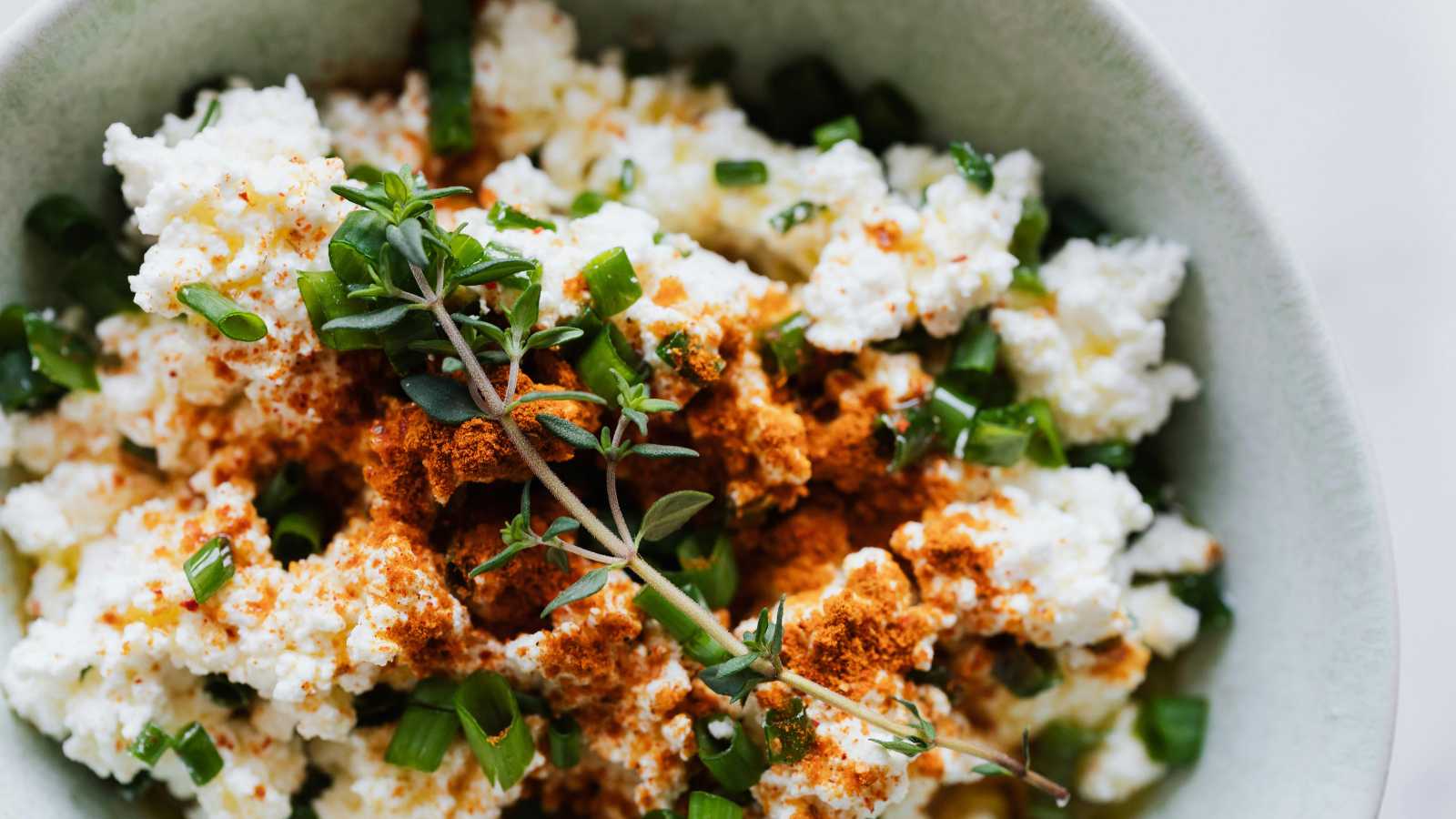
A scoop of cottage cheese on a lettuce leaf was the standard “diet plate” side dish for decades. While it is seeing a resurgence on social media as an ingredient, it has virtually vanished from restaurant menus. Data shows a massive decline in cottage cheese’s penetration on fine-dining menus over the last few years.
The ingredient is struggling to shake its reputation as a bland diet food from the 1970s. While people are buying it at the store, they are certainly not ordering it when they go out to eat. It is a humble food that has lost its place at the table.
Chipped Beef on Toast
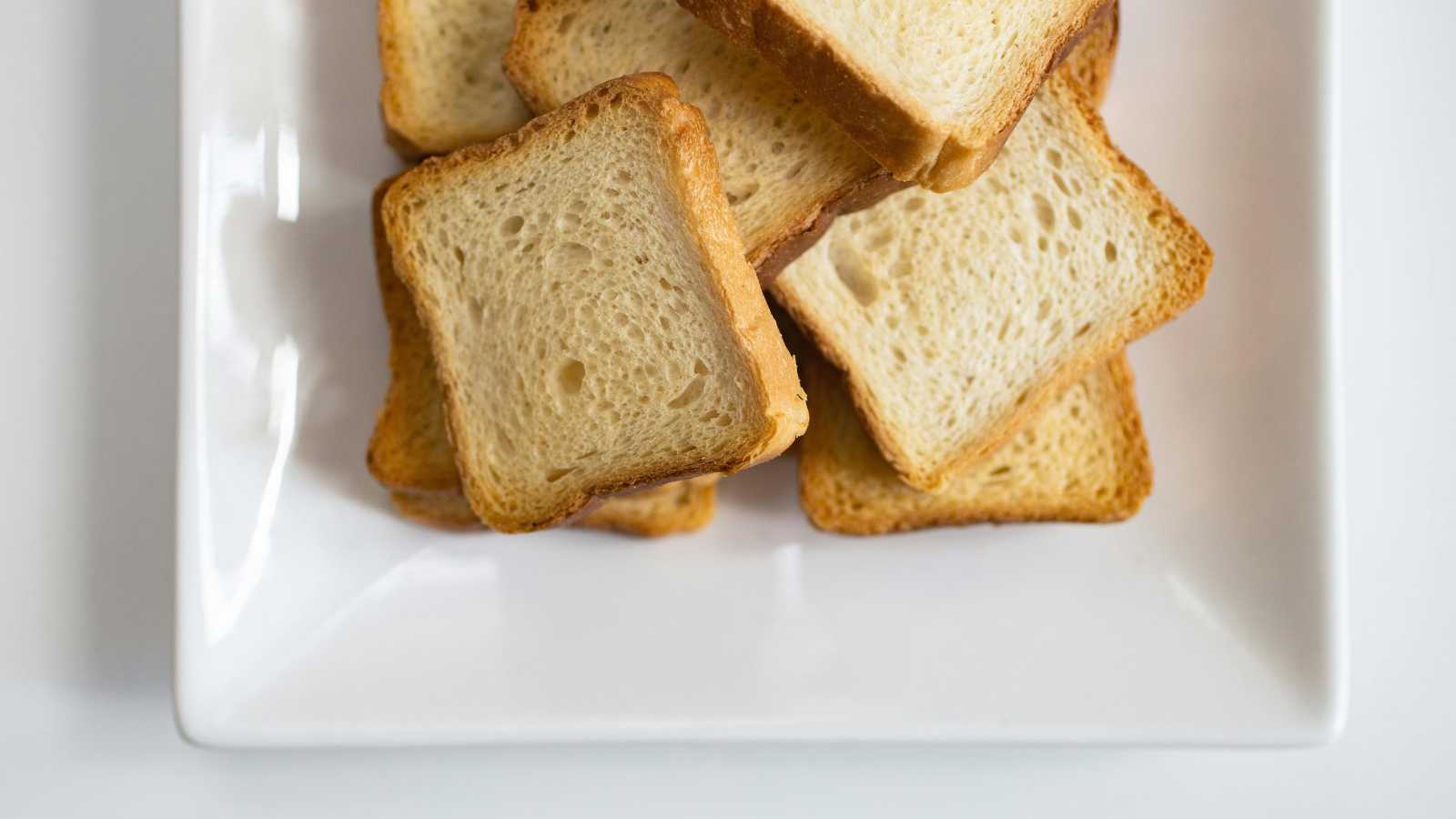
Affectionately known as “SOS” by veterans, this military staple is a salty mixture of dried beef and white gravy. It is a hearty and budget-friendly meal that kept troops fed during hard times. However, the market for this dish is shifting entirely to home preparation and emergency food supplies.
While sales of shelf-stable chipped beef are growing for pantries, the dish is disappearing from diners. The high sodium content and unappealing texture make it a tough sell for modern breakfast spots. It remains a nostalgic comfort food that is best enjoyed in private.
Tapioca Pudding

Classic creamy tapioca pudding was once a standard dessert on every kid’s menu and diner list. The tapioca market has shifted entirely to beverages with the bubble tea industry now valued at $2.4 billion globally. The pearls are now chewed in drinks rather than spooned up in a warm vanilla custard.
Interestingly, the tapioca market is actually booming, but almost entirely due to the bubble tea craze. The pearls are now chewed in drinks rather than spooned up in a warm vanilla custard. The old-fashioned pudding version is quickly becoming a relic.
Vichyssoise
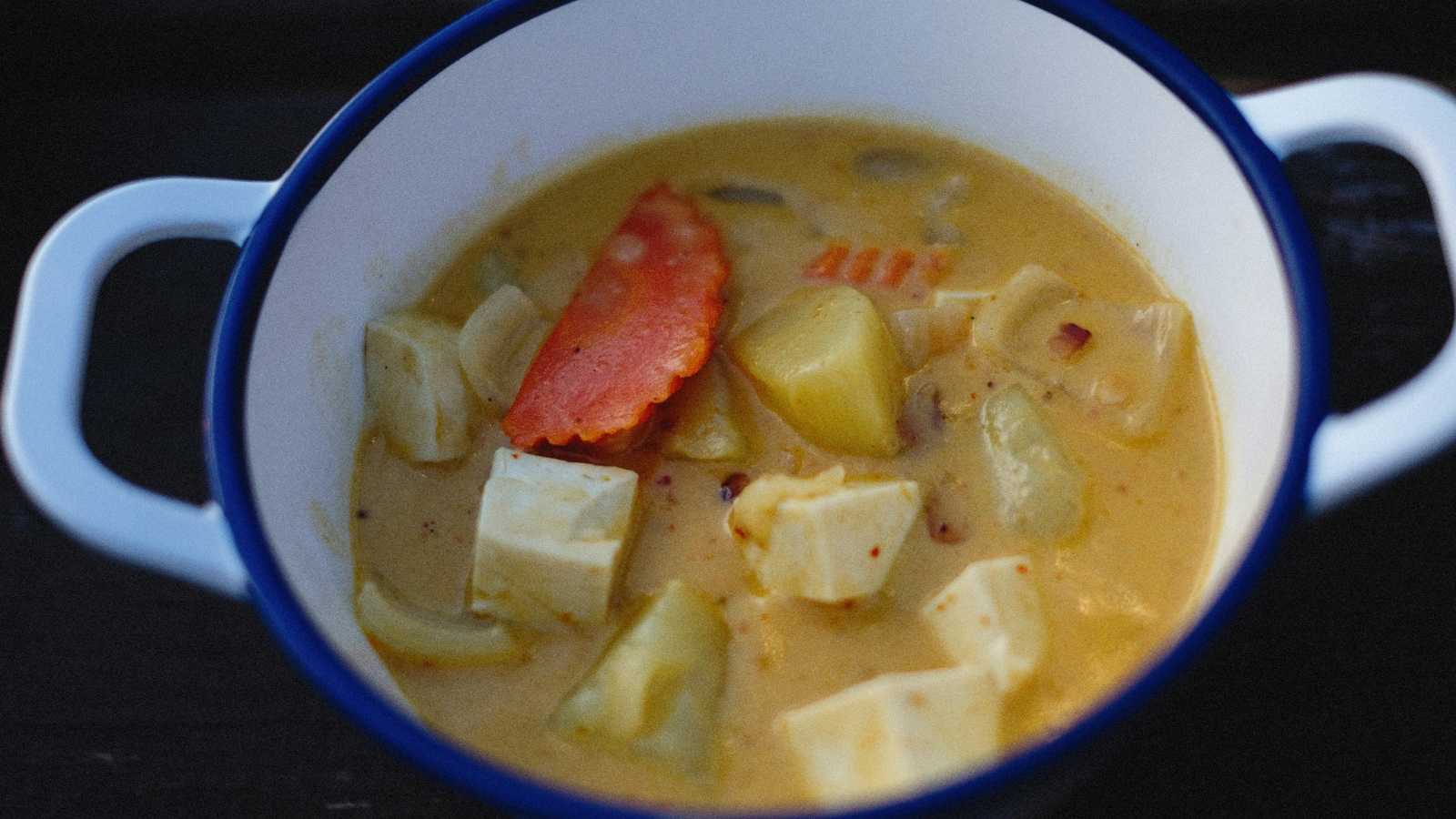
This cold soup made of pureed leeks, onions, potatoes, and cream was invented in New York City. It was a symbol of sophistication in the mid-20th century, but it has failed to maintain its status. The idea of eating cold potato soup is often off-putting to casual diners today.
The dish never actually achieved the same popularity in France that it did in the United States. It is a unique American invention that has faded as soup trends shifted toward bolder flavors, such as tortilla. It is a quiet casualty of the culinary revolution.
Oysters Rockefeller
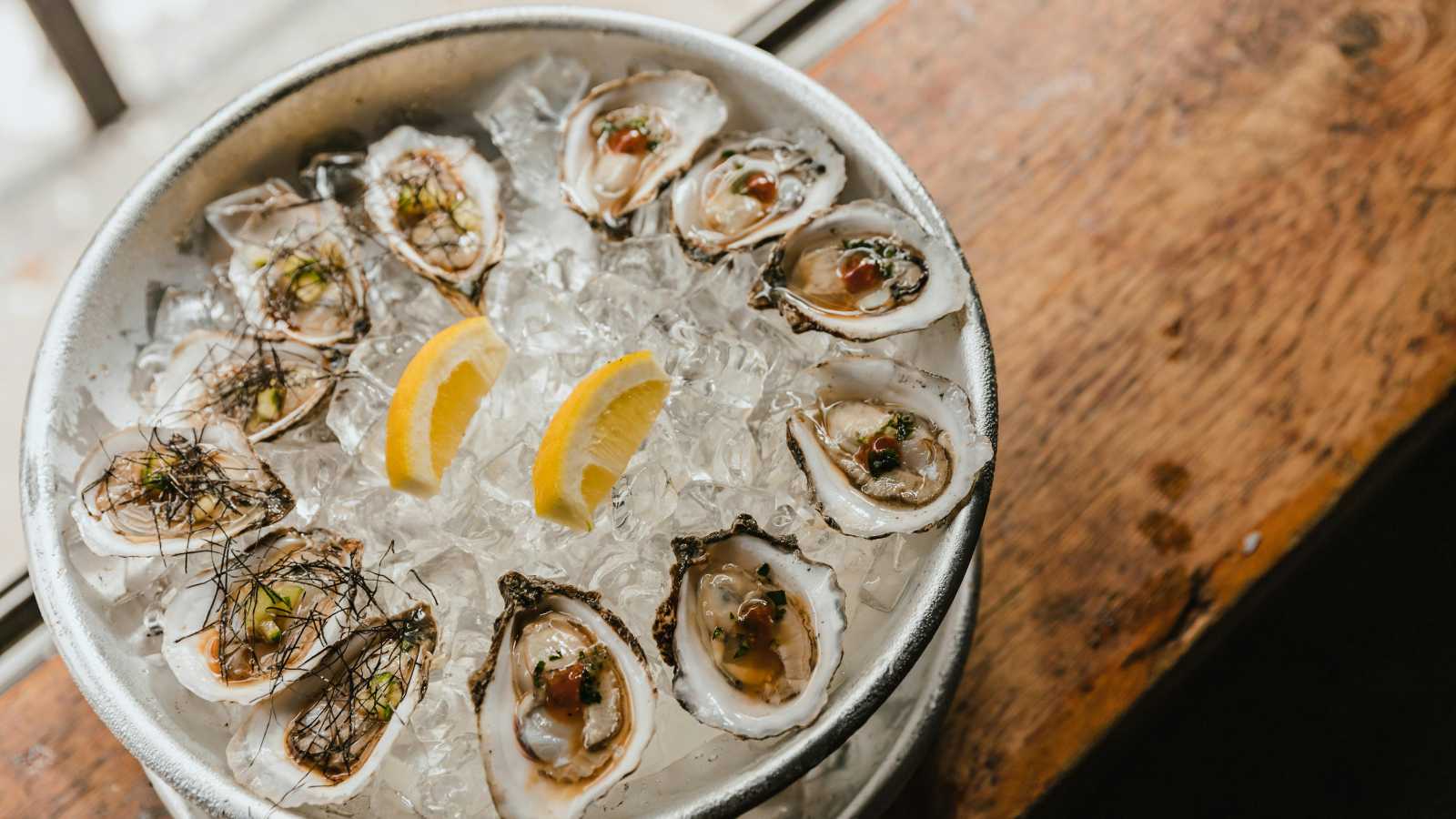
Created in 1899 at Antoine’s in New Orleans, this dish was named for its vibrant green sauce. It involves baking oysters on the half shell with butter, herbs, and breadcrumbs. While still famous in New Orleans, it has largely disappeared from general seafood menus elsewhere.
The dish is extremely heavy and masks the delicate flavor of the raw oyster that modern foodies prize. It also requires significant preparation time, which slows down a busy kitchen service. It remains a delicious but rare treat for those willing to hunt for it.
Welsh Rarebit

This savory dish of hot cheese sauce served over toasted bread was once a common pub and lunch counter item. It is essentially an open-faced grilled cheese, but with a complex sauce made from beer and mustard. Today, it is almost exclusively found in home cookbooks rather than on restaurant tables.
Nutritionally, it is a heavyweight with a single serving often exceeding 400 calories due to the cheese and butter sauce. It is viewed as a comfort snack for the home rather than a restaurant-quality meal.
Key Takeaways

The restaurant landscape is constantly evolving, and these dishes are the unfortunate casualties of progress. While they may be disappearing from menus, they live on in community cookbooks and family traditions. If you happen to spot one of these rare items in the wild, be sure to order it while you still can.
Disclaimer: This list is solely the author’s opinion based on research and publicly available information. It is not intended to be professional advice.
Disclosure: This article was developed with the assistance of AI and was subsequently reviewed, revised, and approved by our editorial team.
Like our content? Be sure to follow us