

Your kidneys work 24/7, filtering about 200 liters of blood daily, eliminating toxins, and safeguarding everything from bone strength to blood pressure. That’s a lot of hard work for organs the size of your fists!
Chronic kidney disease affects 14% of US adults. That’s over 35 million people. It has become the country’s fastest-growing noncommunicable disease, projected to rank as the fifth leading global cause of years of life lost by 2040. But here’s the good news – most kidney problems are preventable with the right lifestyle choices.
Dr. Charles Zachem, a kidney care leader, adds, “Preventive actions at home are as essential to kidney long-term resilience as the newest medical breakthroughs.” Want to keep these hardworking heroes happy? You’ve come to the right place.
Keep Moving with Regular Exercise

Exercise is like a superhero for your kidneys. It lowers blood pressure, helps manage weight, and reduces kidney disease risk by up to 40%. That’s what the National Kidney Foundation says, and they know their stuff!
Recent meta-analyses reveal that each extra 10 MET-hours of weekly physical activity reduces CKD risk by 2%. Highly active patients have 38% lower mortality risk, 17% lower end-stage renal disease risk, and 37% fewer major cardiovascular issues than inactive ones.
How to do it: Aim for 150 minutes of moderate exercise weekly. That’s just 30 minutes, five days a week. Walking counts. So does dancing in your living room 🙂 Don’t overthink it – just move your body.
Pro tip: Start small if you’re new to exercise. Even a 10-minute walk after dinner helps. Your kidneys will thank you later.
Maintain a Healthy Weight

Why it matters: Carrying extra weight increases your risk of type 2 diabetes and high blood pressure. Both are major kidney killers. The CDC reports that keeping your BMI in the healthy range can lower kidney disease risk by nearly 30%.
Make it happen: Focus on portion control and eating whole foods. Skip the crash diets – they don’t work long-term anyway. Small, consistent changes win the race.
Real talk: Weight management isn’t about perfection. It’s about progress. Lost one pound? That’s still a win for your kidneys.
Eat a Balanced, Kidney-Friendly Diet

Your kidneys love variety and fresh foods. They hate processed junk. Dr. Maria Thompson, a renal specialist, puts it perfectly: “Your kidneys thrive on variety and freshness; processed foods are the enemy of renal health.” The latest kidney care trends highlight the DASH diet—rich in fruits, veggies, whole grains, and low-fat dairy—as a blueprint for kidney wellness.
What to eat:
- Fresh fruits and vegetables (aim for that rainbow!)
- Lean proteins like fish, chicken, beans, lentils, and tofu
- Whole grains instead of refined ones
- Less than 2,300 milligrams a day of salt (and under 6g daily for those at higher risk) – that’s about one teaspoon
What to limit:
- Ultra-processed foods
- Excessive sodium
- Too much red meat
Quick hack: Shop the perimeter of the grocery store first. That’s where the fresh stuff lives.
Stay Properly Hydrated

Your kidneys are basically your body’s filtration system. Give them plenty of water to work with! Proper hydration helps prevent kidney stones and keeps toxins moving out of your system.
How much: Aim for 1.5 to 2 liters daily (about 6–8 cups/glasses). But listen to your body – you might need more if you’re active or live in a hot climate.
For those prone to kidney stones, targeting even 2.5–3 liters/day may be beneficial. However, always consult a healthcare professional before changing fluid intake, especially for individuals with kidney disease or on dialysis.
Color check: Your urine should be pale yellow. Dark yellow? Time to drink up. Crystal clear? You might be overdoing it.
Control Your Blood Pressure

High blood pressure causes 85% of chronic kidney disease cases where the cause is known. It’s literally the #1 kidney destroyer.
People with hypertension are three times as likely to develop CKD compared to those with normal blood pressure, with the condition now affecting more than 1.27 million individuals worldwide due specifically to hypertension-related kidney issues as of 2021.
The global burden of kidney disease directly due to hypertension has skyrocketed—DALY numbers (years lost to disability or death) have increased by over 125% since 1990.
Target numbers: Keep your blood pressure below 140/90. Even better? Aim for 120/80 or lower.
Action steps:
- Monitor regularly (home monitors work great)
- Cut back on sodium
- Exercise regularly
- Take prescribed medications as directed
Ever wondered why your doctor always checks your blood pressure? Now you know – they’re protecting your kidneys too!
Manage Blood Sugar Levels

The connection: Diabetes is behind most new kidney disease cases, accounting for over 40% of new chronic kidney disease (CKD) cases worldwide. High blood sugar damages the tiny filters in your kidneys over time.
Up to 1 in 3 adults with diabetes are affected by CKD, and as the global prevalence of diabetes has surged, so has the rate of diabetes-related kidney failure—particularly among those with type 2 diabetes, where new CKD cases have increased by 74% since 1990.
One study found a 31.5% CKD prevalence among diabetic patients, with age and hypertension as key contributors. For type 1 diabetes, CKD affects over 21% of U.S. adults, with related risks for cardiovascular complications and kidney failure.
For everyone: Keep an eye on added sugars in your diet. Your kidneys don’t need that roller coaster ride.
For diabetics:
- Check blood glucose regularly
- Take medications as prescribed
- Work with your healthcare team
- Consider continuous glucose monitoring if recommended
Monitor Medication Use Carefully
Save this article
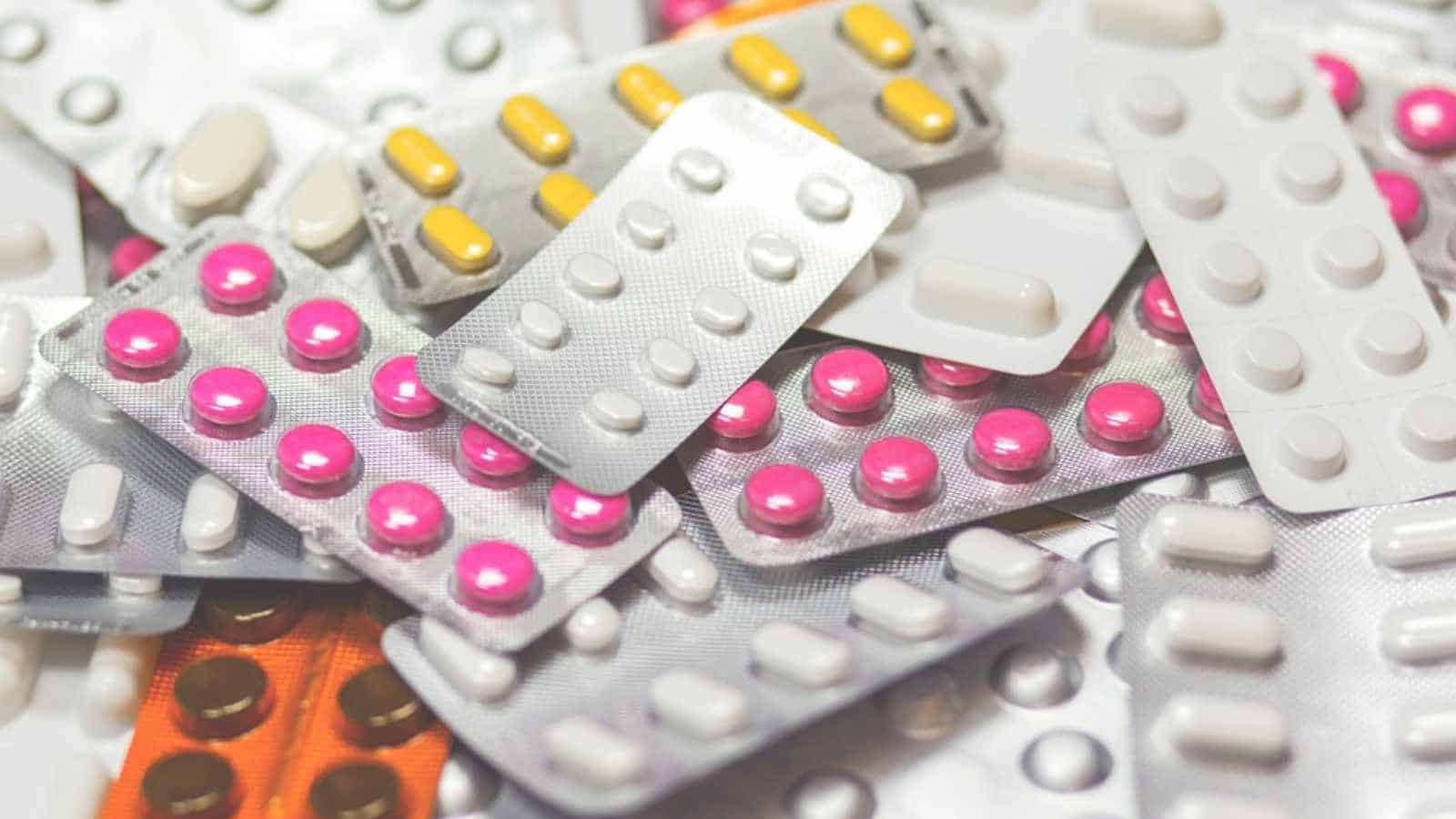
Long-term use of NSAIDs like ibuprofen, naproxen, and aspirin can seriously damage your kidneys, especially when taken in high doses or for chronic conditions. We’re talking about common over-the-counter pills here!
NSAIDs block prostaglandins that regulate kidney blood flow, causing reduced renal perfusion, fluid retention, and high blood pressure. These effects can lead to acute kidney injury (AKI) and worsen chronic kidney disease (CKD).
Signs of NSAID-induced kidney problems include reduced urine output, swelling, fatigue, and nausea.
Safe usage:
- Use pain relievers only when needed
- Follow the dosing instructions exactly
- Don’t exceed the recommended duration
- Ask your pharmacist about kidney-safe alternatives
FYI: If you need pain relief regularly, talk to your doctor. There are kidney-friendly options available.
Avoid Smoking

Smoking cuts blood flow to your kidneys and increases kidney cancer risk. It also makes existing kidney disease worse. Studies show that both active and passive smoking can cause de novo renal disease, even in people with no other health issues.
The good news: Quitting helps immediately. Your kidney function can start improving within weeks of your last cigarette.
Need help quitting? Talk to your doctor about smoking cessation programs. You’re four times more likely to succeed with professional support.
Limit Alcohol Intake

Too much alcohol raises blood pressure, causes dehydration, and forces the kidneys to work harder to maintain the body’s fluid and electrolyte balance. Binge drinking is especially harmful.
Consuming more than two drinks per day raises the risk of high blood pressure—a common cause of kidney disease—and ongoing liver disease from heavy drinking can further compromise kidney function.
“Heavy drinking increases the risk of high blood pressure and type 2 diabetes, which are two of the most common causes of chronic kidney disease,” notes Dr. Bobart of the Cleveland Clinic.
Smart limits:
- Men: No more than 2 drinks daily
- Women: No more than 1 drink daily
- Skip the binge drinking completely
One drink equals: A 12-oz beer, 5-oz wine, or 1.5-oz spirits.
Reduce Ultra-Processed Foods

People who eat lots of ultra-processed foods have higher rates of kidney problems. A major 2024 study found people with the highest intake of ultra-processed foods had a 24% higher chance of developing CKD compared to those with minimal consumption.
Every extra daily serving of these foods increases CKD risk by 5%, while simply swapping one serving for a minimally processed alternative lowers risk by 6%. These foods are loaded with sodium, unhealthy fats, and additives your kidneys don’t appreciate.
Ultra-processed culprits:
- Packaged snacks and chips
- Instant noodles and soups
- Processed meats
- Sugary drinks
- Pre-made frozen meals
The swap strategy: Replace one ultra-processed food with a whole food daily. That simple change reduces kidney disease risk by 6%!
Schedule Regular Health Check-ups

Kidney disease is sneaky. You can lose up to 90% of kidney function before feeling symptoms. Regular checkups catch problems early when treatment works best.
Key tests to ask about:
- Blood pressure check
- Comprehensive Metabolic Panel (CMP) – checks kidney function
- uACR test – detects protein in urine
- eGFR – measures how well the kidneys filter blood
How often? Annually, for most people, and more frequently (every 3–6 months) if you have risk factors.
Manage Cholesterol Levels

High cholesterol contributes to kidney disease progression. It’s another piece of the cardiovascular-kidney health puzzle. People with high cholesterol are roughly twice as likely to develop chronic kidney disease (CKD) over time, and very high serum total cholesterol levels increase CKD progression risk more than twofold in children and adults.
Keep tabs on:
- Total cholesterol
- LDL (“bad”) cholesterol
- HDL (“good”) cholesterol
- Triglycerides
Management strategies: Regular exercise, a healthy diet, and medication if prescribed by your doctor.
The Bigger Picture: Why This All Matters

Kidney disease prevalence has more than doubled globally from 1990 to 2019. But here’s what gives me hope – diabetes and high blood pressure (the two biggest kidney killers) are largely preventable and manageable through lifestyle choices.
These 12 habits work together. You don’t need to be perfect at all of them. Pick 2-3 to focus on first, then gradually add more. Small changes compound over time.
Your Next Steps

Start with one habit that feels doable today. Maybe it’s drinking an extra glass of water or taking a 10-minute walk. Remember, your kidneys are incredibly resilient when you give them what they need.
IMO, the best investment you can make is in your kidney health. These organs don’t get the attention they deserve until something goes wrong. Don’t wait – start protecting them now.
Disclaimer – This list is solely the author’s opinion based on research and publicly available information. It is not intended to be professional advice.
Like our content? Be sure to follow us.