As diet fads come and go, America’s grandparents remain the quiet guardians of comfort food and culinary heritage.
In an era dominated by diet trends like keto, paleo, and plant-based eating, many traditional American comfort foods have been pushed aside, labeled as outdated or too indulgent. Yet one force continues to preserve these timeless flavors: the American grandparent.
Armed with worn recipe cards and generations of kitchen wisdom, these family elders keep alive the dishes that shaped our collective taste. Their rich, hearty meals made with love and unapologetic amounts of butter remind us that food is not just about nutrition. It is about memory, togetherness, and the kind of warmth no modern trend can replace.
Salisbury Steak

A fixture of school cafeterias and classic TV dinners, Salisbury Steak is an old-school food that often gets dismissed as pedestrian or just plain bland. It’s simply a ground beef patty served with a rich, dark mushroom gravy, typically accompanied by mashed potatoes.
Grandfathers, who often appreciate a straightforward meal, championed this dish when fast food and takeout became common. It represents a time when money was tighter, and stretching ground beef was a necessary form of budgeting. The dish’s simplicity always satisfies without fuss.
Chicken Pot Pie

This classic dish, with its flaky crust and creamy filling, is the culinary equivalent of a warm hug and the ultimate expression of comfort food. It’s the kind of hearty meal that instantly makes you feel better.
Grandmothers held firm to their deep-dish versions even as smaller, frozen pot pies began to appear in grocery aisles. A YouGov survey found that 60% of Americans still consider chicken pot pie a favorite comfort food, demonstrating its enduring appeal beyond Thanksgiving leftovers.
Creamed food On Toast

Also known by the less appealing military nickname, this dish is a cheap, comforting blend of chipped beef or sausage and a creamy white sauce poured over toasted breakfast food. It’s the very definition of a great-depression meal that makes the most of pantry staples.
This heavily maligned dish has been kept alive by grandparents who remember how to make something satisfying out of practically nothing. Its survival speaks to the resourcefulness and financial sensibility of a generation that learned to stretch every single penny.
Ambrosia Salad

This infamous dessert or side dish is a colorful, sweet, and gelatinous mixture of canned fruit, marshmallows, coconut, and cream. It was always a fixture at Thanksgiving potlucks and church picnics, representing 1950s affluence and love of bright, processed ingredients.
Younger generations often recoil at the texture and ingredient combination, but grandmothers refuse to let go of the festive beauty of this dish. For the grandparents, keeping them on the table is a powerful, tactile link to their own youthful relationships and celebratory past.
Meatloaf
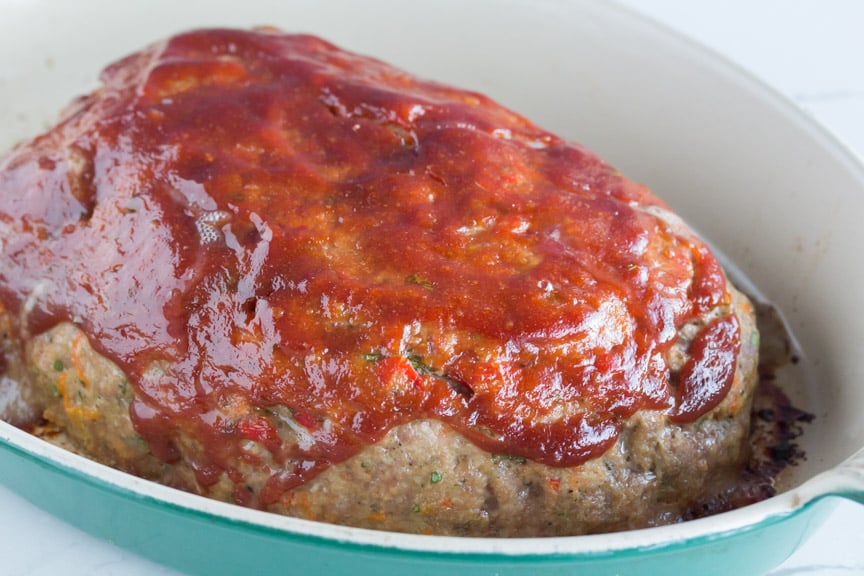
Once considered a sophisticated way to serve ground meat, meatloaf is another simple recipe that has endured thanks to family tradition. It is essentially a large patty baked with a glaze—a reliable, easy dish for feeding a crowd without breaking the bank.
Its simplicity makes it a staple for home cooks who are constantly budgeting for family meals.
Pineapple Upside Down

This dessert, often baked in a single layer, features caramelized pineapple and maraschino cherries forming a bright pattern, reflecting the mid-century fascination with tropical flavors. It’s a visually appealing slice of beauty that screams mid-century food inspiration.
Grandmothers always insist on making it, often using the same cast iron pan their own mothers used, keeping the tradition alive. The recipe gained widespread popularity after being featured in a Dole Pineapple advertising campaign, resulting in a 45% increase in sales of canned pineapples in the 1950s.
Breakfast Food And Gravy
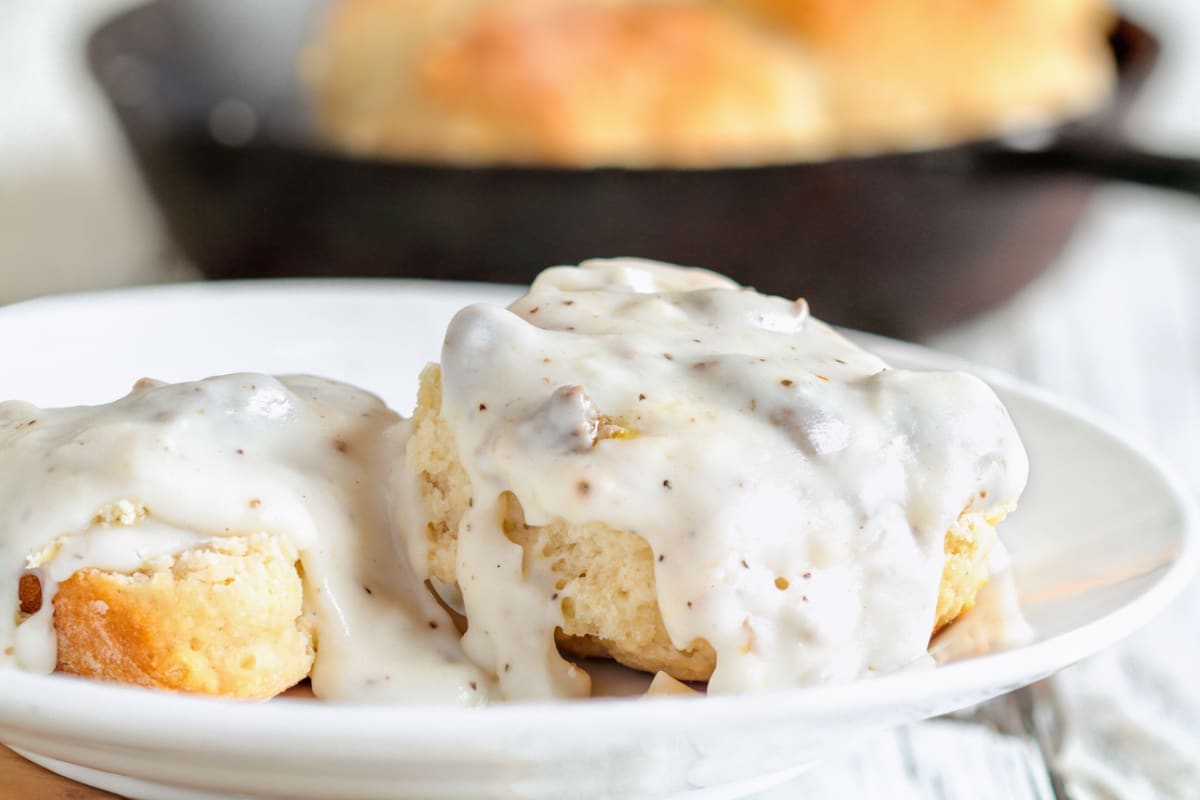
This southern classic, featuring biscuits and a white sausage gravy, is famously filling and high in fat, making it a questionable choice for a modern healthy diet. Yet, this simple combination is the epitome of Southern comfort.
Grandfathers always start their holiday mornings with this dish, often using lard in the biscuits for that authentic flavor. It’s a cheap, easy, and satisfying food that provides maximum caloric inspiration for a long day of work or family time.
Molded Gelatin Salad

Save this article
These brightly colored, often savory or semi-sweet molded salads were a status symbol in the post-war era, signaling a cook’s access to both refrigeration and packaged items.
Food historians confirm that the rise of gelatin salads in the 1950s was directly tied to the era’s technological pride, as the dish served as a visible testament to the homemaker’s access to modernity. It was a gelatinous display of beauty and novelty. Though essentially a relic, this dish persists on specific family holiday tables because older generations hold strong traditions.
Tuna Noodle Casserole

This simple casserole, typically made with canned tuna, grocery-store cream of mushroom soup, egg noodles, and crushed chips, is the classic definition of American convenience food. It’s a cheap recipe that guarantees a full belly.
Food historians confirm that dishes like Tuna Noodle Casserole became staples in the mid-20th century because they aligned with the post-WWII emphasis on domestic efficiency, using low-cost, shelf-stable ingredients that reflected the efficiency of the modern American supermarket and a practical approach to frugal family budgeting.
Wacky Cake

Also known as a depression cake, this chocolate dessert relies on vinegar and baking soda for its rise, eliminating the need for eggs and butter. It’s an actual demonstration of clever budgeting and culinary inspiration born from necessity.
The tradition always lives on, passed down through grandmothers who want to share a piece of their resourceful history. The cake’s simplicity—requiring only basic grocery staples and no last-minute trip to the store—makes it a favorite for impromptu family gatherings.
Tomato Aspic

Perhaps the most puzzling of all the preserved dishes, tomato aspic is a savory gelatin mold made from tomato juice, spices, and sometimes vegetables. It was once served at formal food gatherings, a strange mix of health-conscious tomato juice and Jell-O.
This dish is a testament to the mid-century desire to make everything gel, a strange diet experiment that older generations cling to. The recipe is often served at dinner, confusing every member of the younger generation who views gelatin as strictly a sweet food.
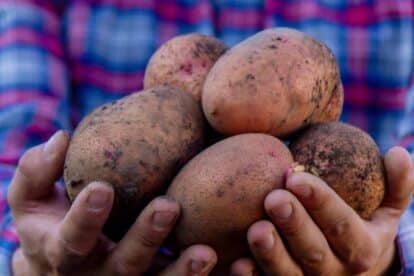
Funeral Potatoes

This potato casserole, famously topped with cheese, cream, and sometimes corn flakes, is a staple at post-service gatherings, designed to enhance comfort through familiar food. It’s the ultimate expression of care through a casserole, a silent sign of relationships.
It survived because it is reliable, cheap, and easy to make in large batches, checking all the boxes for practicality when it comes to comfort. Its longevity highlights the truth that, in moments of grief, people always gravitate towards familiar, starchy food.
Key Takeaway

Grandparents always serve as essential cultural preservationists, using their cherished, often high-fat recipes to maintain family relationships and provide tangible links to a bygone era that modern diet trends cannot replace.
Disclaimer: This list is solely the author’s opinion based on research and publicly available information. It is not intended to be professional advice.
Disclosure: This article was developed with the assistance of AI and was subsequently reviewed, revised, and approved by our editorial team.
15 Foods From the ’60s Most Boomers Loved With a Passion

15 Foods From the ’60s Most Boomers Loved With a Passion
The 1960s were a period of profound social and cultural transformation in America. As the baby boomer generation came of age, they embraced new ideas, fashion trends, and music styles. And when it came to food, some beloved dishes defined this era.
Here are 15 foods from the ’60s that most boomers loved passionately.
16 Grocery Staples to Stock Up On Before Prices Spike Again
16 Grocery Staples to Stock Up On Before Prices Spike Again
I was in the grocery store the other day, and it hit me—I’m buying the same things I always do, but my bill keeps getting higher. Like, I swear I just blinked, and suddenly eggs are a luxury item. What’s going on?
Inflation, supply-chain delays, and erratic weather conditions have modestly (or, let’s face it, dramatically) pushed the prices of staples ever higher. The USDA reports that food prices climbed an additional 2.9% year over year in May 2025—and that’s after the inflation storm of 2022–2023.
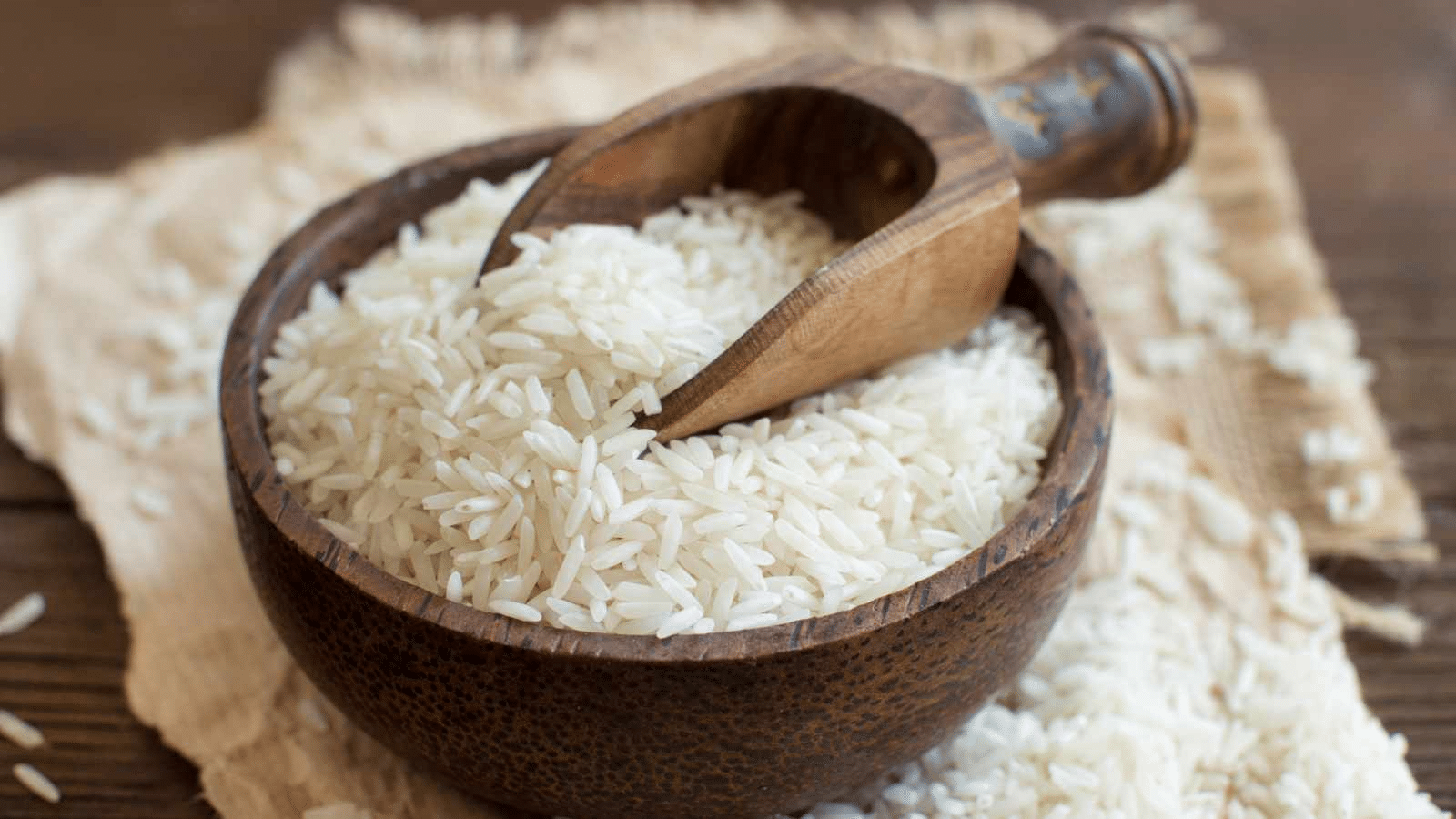
So, if you’ve got room in a pantry, freezer, or even a couple of extra shelves, now might be a good moment to stock up on these staple groceries—before the prices rise later.