

Parenting has changed more in the last 50 years than in the previous hundred. What used to be “good parenting” back then could easily get side-eye or even a call from Child Protective Services today. It’s wild to think how much advice was passed down without any research behind it, just vibes and tradition.
My grandmother once told me she used whiskey to soothe teething babies, and I nearly dropped my coffee. Alcohol is a central nervous system depressant: It can slow breathing, lower heart rate, and cause drowsiness or unconsciousness in infants, a New Health Advisor report explains.
Let’s take a trip down memory lane and revisit the parenting habits that once seemed totally normal—but now make most of us cringe a little.
Giving babies whiskey or brandy to help them sleep

In the early and mid-1900s, a drop of whiskey on a baby’s gums was considered a soothing miracle. It was the go-to teething remedy for countless parents who had no idea it could be dangerous. Doctors at the time didn’t discourage it—some even quietly endorsed it in medical pamphlets.
Thankfully, we’ve learned that alcohol can depress a baby’s breathing and affect brain development. These days, a cold teething ring (or just a little patience) does the trick without the hangover risk.
Putting babies to sleep on their stomachs

For generations, parents were told that tummy-sleeping prevented choking. Pediatricians even recommended it in baby books. But by the 1990s, studies revealed it drastically increased the risk of SIDS.
The “Back to Sleep” campaign flipped that advice, saving thousands of lives. Now, most parents wouldn’t dream of laying their baby face down—but it’s wild to remember that wasn’t always the case.
Letting kids roam unsupervised for hours

For many Baby Boomers, childhood meant leaving home after breakfast and coming back when the streetlights came on. Parents didn’t track you with an app, and nobody panicked if you were gone for hours. It wasn’t neglect—it was freedom.
But times have changed; studies show that parents now spend twice as much time supervising their kids as they did in the 1960s. The “free-range” childhood sounds nostalgic, but most of us wouldn’t dream of trying it today.
Feeding babies condensed milk or corn syrup formula

Before commercial baby formula existed, many parents relied on homemade mixtures of evaporated milk, sugar, and water. It was cheap, easy, and dangerously unbalanced.
By the mid-20th century, infant nutrition research exposed how these concoctions caused malnutrition and illness. The FDA’s 1980 Infant Formula Act finally regulated the commercial production of infant formula for safety and nutrition.
Treating children’s emotions as “bad behavior”

Generations of parents believed tears and tantrums meant weakness or disrespect. Phrases like “boys don’t cry” or “fix your face” were practically parenting slogans. But research in child psychology now shows emotional expression is critical for healthy development.
Teaching kids to name and regulate feelings actually improves long-term resilience. Today’s parents are more likely to ask, “What are you feeling?” than “What’s wrong with you?”—and that shift is massive.
Using baby cages hung out of windows

In the 1930s and 40s, some city parents—especially in London and New York—used wire “baby cages” attached to apartment windows. The idea was to give babies fresh air and sunlight in cramped urban spaces.
Photos of these contraptions are both fascinating and terrifying. While it came from good intentions, it’s hard not to shudder imagining a baby napping several stories above traffic. Thankfully, this parenting fad didn’t survive the test of time.
Also on MSN: 13 Old Boomer Habits That Are Making a Return
Smoking around kids like it was no big deal

Once upon a time, parents smoked in the house, in the car, even in the doctor’s waiting room. Cigarette ads even featured children, claiming smoking helped parents “keep calm.”
It wasn’t until the 1980s that researchers began linking secondhand smoke to asthma and sudden infant death syndrome (SIDS). Now, smoking near kids is socially unacceptable—and even illegal in some states.
Ignoring seatbelts or car seats entirely

Save this article
Until the late 1970s, car seats were designed for comfort—not safety. Some were literally just mini recliners.
Kids often rode in the front seat or stood up between their parents. After federal safety standards were introduced in 1985, child car deaths dropped dramatically—by nearly 60%, according to the National Highway Traffic Safety Administration.
Spanking as a routine discipline

For much of the 20th century, spanking wasn’t just accepted—it was expected. Parents, teachers, and even neighbors sometimes had “permission” to discipline kids with a quick smack.
Today, research from the American Psychological Association shows that spanking increases aggression and anxiety rather than teaching good behavior. Many countries have banned corporal punishment altogether, though the U.S. still debates it.
Believing “crying it out” toughened babies

Decades ago, parents were told not to “spoil” their babies by picking them up too much. Dr. Luther Holt’s 1916 child-rearing guide even recommended letting babies cry for hours.
Modern research couldn’t disagree more—responding to a baby’s cries builds trust and emotional security. It turns out that comfort doesn’t create clinginess—it creates confidence. Sometimes, love really is the best sleep-training method.
Leaving babies alone in the car during errands
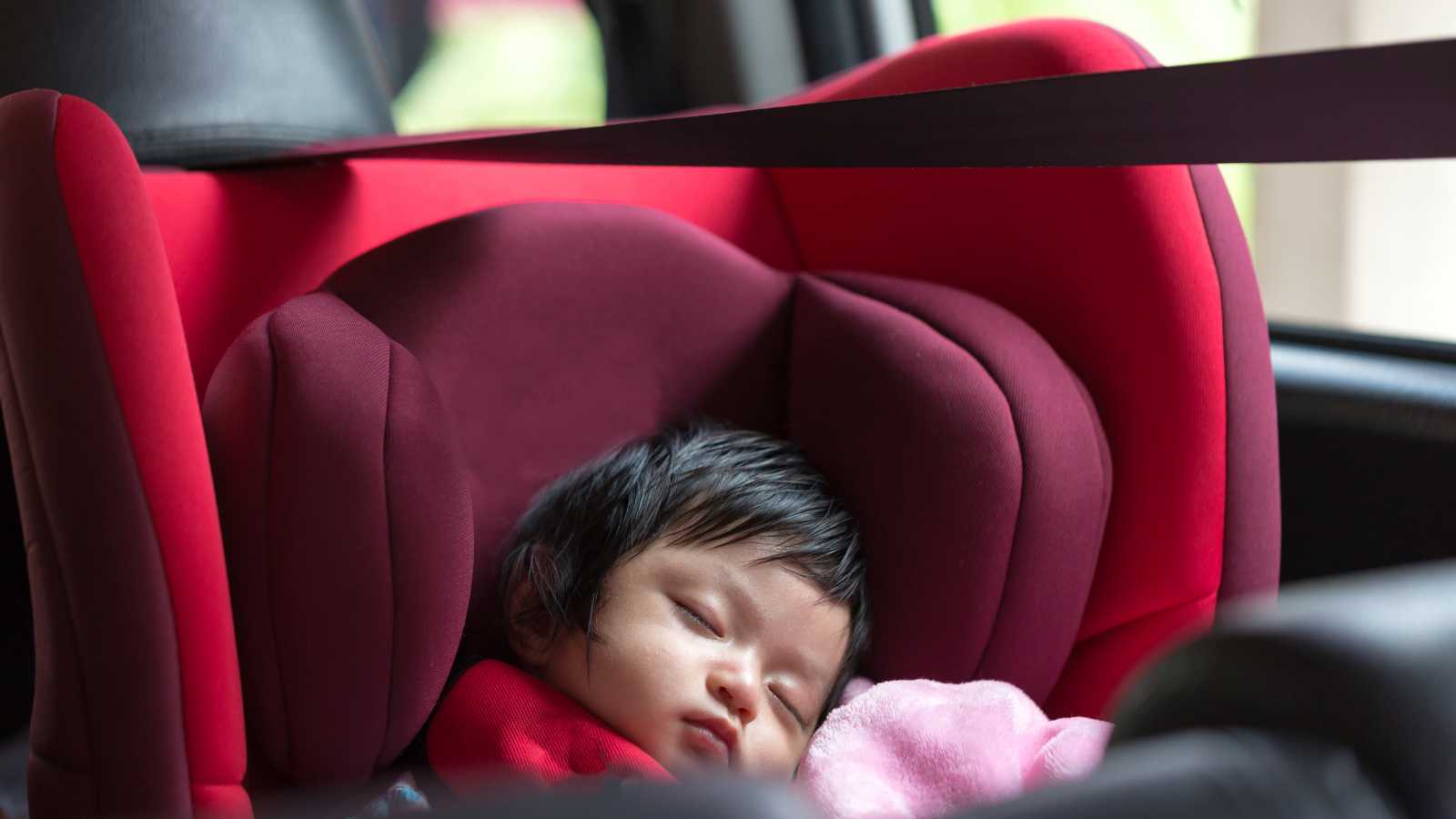
There was a time when parents would dash into the store, leave a sleeping baby in the backseat, with the windows cracked, thinking it was harmless. Some even believed the fresh air did them good. It wasn’t until the 1990s that awareness campaigns began highlighting the risks of heatstroke, theft, and suffocation.
According to the National Safety Council, an average of 37 children die each year in hot cars in the U.S. alone. It’s one of those habits that went from casual to criminal in just a few decades.
Letting kids play with dangerous toys

Sharp-edged metal toys, lead paint, and chemistry sets with actual uranium—yes, really. The 1950s were a playground of hazards wrapped in shiny packaging. Toy safety laws didn’t fully kick in until the 1970s, when consumer advocacy finally caught up.
The U.S. Consumer Product Safety Commission now bans over 400 hazardous toy materials. It’s a miracle some kids made it out of those “good old days” without glowing in the dark.
Key takeaways

Looking back, it’s easy to gasp at what parents once considered normal. But it’s also a reminder of how fast knowledge evolves and how deeply parents have always tried to do their best with what they knew.
Every generation thinks it’s cracked the parenting code, and every new one proves there’s still more to learn. What matters most is progress—and a little grace for the people who raised us before Google existed.
Disclaimer – This list is solely the author’s opinion based on research and publicly available information. It is not intended to be professional advice.
Disclosure: This article was developed with the assistance of AI and was subsequently reviewed, revised, and approved by our editorial team.
15 Foods From the ’60s Most Boomers Loved With a Passion

15 Foods From the ’60s Most Boomers Loved With a Passion
The 1960s were a period of profound social and cultural transformation in America. As the baby boomer generation came of age, they embraced new ideas, fashion trends, and music styles. And when it came to food, some beloved dishes defined this era.
Here are 15 foods from the ’60s that most boomers loved passionately.
14 Things That Label You as ‘Uneducated’ on Social Media

14 Things That Label You as ‘Uneducated’ on Social Media
Welcome to the digital world, a place as intriguing as treacherous, where your online persona can instantly charm or alarm others. In this realm, your social media presence is your calling card —a digital mirror reflecting your thoughts, beliefs, and, perhaps inadvertently, your level of education. Yet, fear not! This guide is here to help you navigate the vast ocean of social media with grace and wisdom.





