

About 28% of American households are single-person homes, up sharply over the past decades as independence has grown across generations.
Meanwhile, nearly 2,046 burglaries occur daily in the U.S., and almost 80% of all break-ins happen in residences, underscoring why practical safety habits matter big time.
Living alone can feel powerful and peaceful, but it also carries unique safety responsibilities. These 12 expert-backed tips build confidence.
Fortify Your Front Lines: Lock Doors & Windows Every Time

Confirm the locks before bedtime or when you step out, even for a few minutes. Effective locks don’t just secure your home; they protect your peace of mind. Habitual locking keeps most opportunistic intruders at bay.
Install a Home Alarm + Motion Detectors

Alarm systems don’t just alert you, they deter burglars. Studies show that about 60% of convicted burglars said they would avoid properties with alarms because they prefer easier targets.
A visible alarm system is your first line of defense, and burglars know it.
Bright Lights, Brilliant Safety

Install motion-sensor outdoor lights near doors, garages, and dark corners; they spotlight suspicious activity and remove hiding spaces. Lighting acts like silent watchdogs that never sleep.
Smart Doorbells & Cameras, Tech That Works While You Don’t

Modern smart devices let you see and speak to whoever’s at the door from your phone. They also record footage you can review later, a huge plus if anything suspicious occurs.
Trim Landscaping for Clear Sightlines

Bushes and trees look lovely until they shield someone you didn’t invite. Pruned hedges give neighbors (and cameras) clear views and limit concealment spots.
Thoughtful landscaping supports safety beyond aesthetics.
Guard Your Digital Footprint

Posting vacation photos in real time, or using location tags from home, telegraphs your absence. Wait until you’re back to share the highlight reel on social media.
Build a Block Buddy Network

Save this article
Knowing your neighbors and letting them know you turns streets into support networks. People who watch out for one another notice tiny shifts in patterns, like unfamiliar cars or packages.
Community is the silent alarm system, mutual and effective.
Memorize & Display Emergency Contacts

Keep police, fire, a trusted friend, and local support numbers everywhere. Post them on the fridge, in your phone, or in a wallet card. When seconds matter, faster access leads to faster help.
Prioritize Fire & CO Alarms
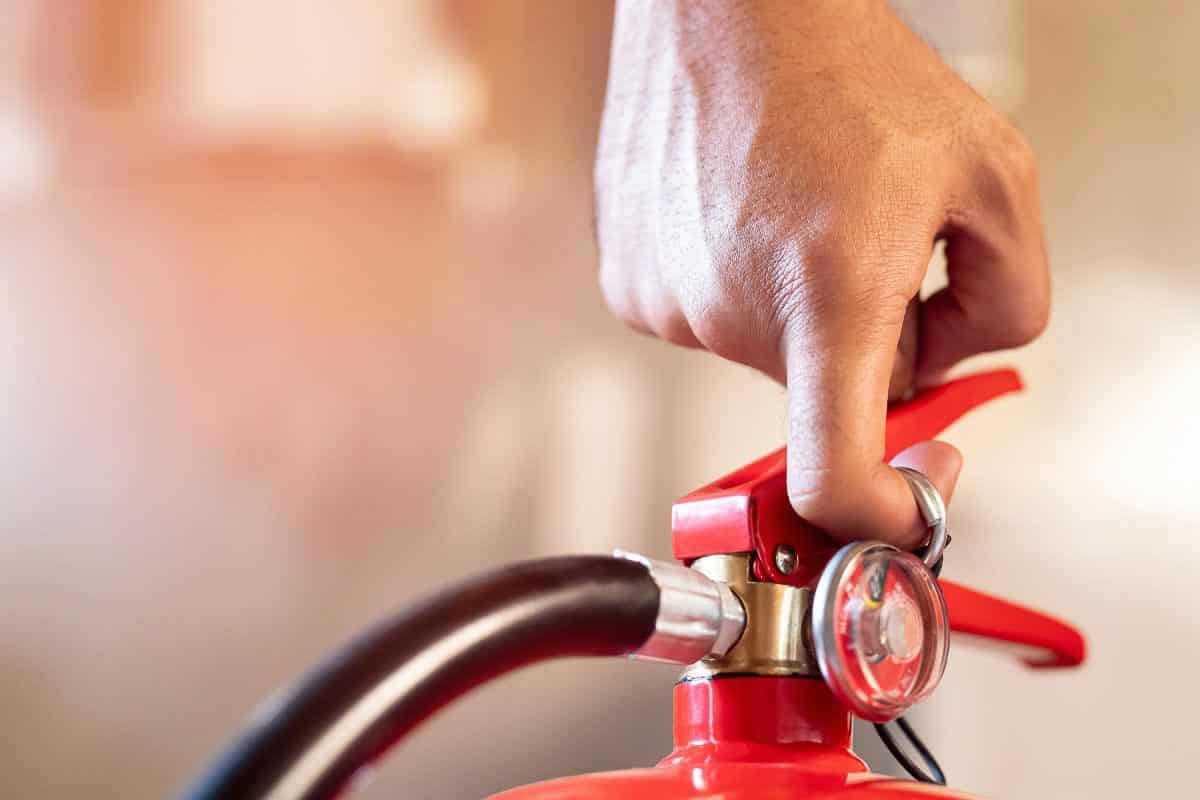
Safety isn’t just about people, it’s about hazards too. Smoke and carbon monoxide detectors are lifesavers in more ways than one.
Practice Personal Safety Routines

Learn basic self-defense moves or attend a beginner class. Even simple awareness and confidence help you avoid risky situations and feel empowered when walking home at night.
Physical confidence boosts emotional resilience.
Use a Personal Alert Device

Wearable SOS devices or personal alarms can instantly notify authorities or trusted contacts when you need help at home, on a walk, or in public. Immediate help is just a button press away.
Key Takeaways

Know the Numbers: Solo living is common, and safety today is smart, not scary.
Build Habits: Locks, alarms, and awareness work together like a team.
Stay Connected: Neighbors, technology, and personal routines all boost your protective circle.
Also on MSN: 13 painful but necessary signs it’s time to walk away from a friend
Disclosure: This article was developed with the assistance of AI and was subsequently reviewed, revised, and approved by our editorial team.
Disclaimer: This list is solely the author’s opinion based on research and publicly available information. It is not intended to be professional advice.
Like our content? Be sure to follow us.





