

High triglycerides often receive less attention than cholesterol, but they are an important marker of metabolic and cardiovascular health.
Triglycerides are a type of fat found in the bloodstream. After you eat, your body converts excess calories into triglycerides and stores them for future energy. When levels become too high, however, the risk of heart disease, stroke, pancreatitis, and other health problems can increase.
The encouraging news is that triglycerides are often highly responsive to lifestyle changes. Research consistently shows that improvements in diet, physical activity, weight management, and alcohol consumption can produce meaningful reductions in triglyceride levels, sometimes within a matter of weeks or months.
While medication may be necessary for some individuals, many people can make substantial progress through everyday habits that support better metabolic health.
Here are 12 science-backed strategies that may help lower triglycerides and improve long-term heart health.
Understand How Common High Blood Fat Really Is
It’s time to face the facts: 28.8% of adults globally have high triglycerides, with the rates higher in men (33.8%) than women (24.5%). This problem is on the rise, particularly in North and Latin America, where the rate of hypertriglyceridemia has grown by as much as 45-56% per decade.
But the cause isn’t all about red meat and butter. According to Dr. Clara Jensen, a lipid specialist, “High triglycerides are now more commonly driven by refined carbs, sugary drinks, and visceral obesity; it’s a shift in how our diets impact metabolic health.” Understanding the prevalence of this condition is key to managing it effectively.
Cut Back Hard on Added Sugars and Refined Carbs
One of the most effective ways to lower triglycerides is by slashing your intake of refined carbs and added sugars. A 2023 study found that sugary drinks and processed foods are key contributors to rising triglyceride levels.
The PURE study showed that countries with high processed sugar consumption had the highest triglyceride levels. So, what’s the solution? Swap out sugary breakfast cereals for whole-grain options, and make water, unsweetened tea, or black coffee your go-to drinks. This simple change can significantly lower triglycerides and improve overall metabolic health.
Lose Just 5–10% of Your Body Weight.
Here’s something surprising: losing just 5–10% of your body weight can lower triglycerides by about 20%. Even small, sustainable changes, like reducing 2-4 kg,can bring dramatic improvements in triglycerides, waist circumference, and overall health.
Clinical studies show that weight loss combined with dietary changes can lower triglycerides by up to 50%. It doesn’t have to be drastic: start with small, manageable goals and build from there. These changes can not only reduce triglycerides but also improve insulin sensitivity and reduce other cardiovascular risks.
Embrace a Mediterranean-Style Eating Pattern
One of the best diets for lowering triglycerides is the Mediterranean diet, which is rich in vegetables, fruits, whole grains, legumes, and olive oil.
A 2024 randomized trial found that people following a Mediterranean diet, along with regular physical activity, saw significant improvements in triglyceride levels, LDL cholesterol, and overall heart health.
According to Dr. Alice Brown, a nutritionist specializing in heart health, “The Mediterranean diet is one of the few eating patterns consistently shown to lower triglycerides, improve blood pressure, and boost vascular health, while being easy to maintain.”
Swap Saturated Fats for Unsaturated
When it comes to fat, quality matters more than quantity. A diet rich in saturated fats that’s found in red meat, butter, and processed foods is linked to high triglycerides. Instead, swap those fats for unsaturated fats, like olive oil, avocados, nuts, and fatty fish.
According to research from the Framingham Heart Study and other major cohorts, replacing saturated fats with unsaturated fats lowers triglyceride levels by 12–14%. It’s not just about cutting fat; it’s about replacing bad fats with healthy ones. Small changes, like avoiding butter and using olive oil, can have a big impact on your triglycerides.
Add Omega-3 Fats from Fish or Supplements
Adding omega-3 fatty acids from fatty fish or supplements is another great way to lower triglycerides. Marine omega-3s (EPA and DHA) have been shown to reduce triglycerides by 5–10% per gram, and higher doses can yield even greater reductions.
The American Heart Association recommends eating fatty fish like salmon or mackerel at least twice a week. If fish isn’t your thing, consider omega-3 supplements. These healthy fats reduce the liver’s production of VLDL (very-low-density lipoprotein), helping lower triglycerides and improve heart health.
Limit Alcohol (Even “Moderate” Intake Can Spike Triglycerides)
You might not realize it, but alcohol can significantly raise your triglyceride levels. Even moderate alcohol intake can increase triglycerides, especially for those already at risk of high levels. A 2024 study found that alcohol contributes to high triglyceride production in the liver, and those with metabolic syndrome or fatty liver are especially vulnerable.
The American Heart Association suggests that if you drink, women limit themselves to one drink per day and men to two drinks, and even less for those with high triglycerides. Moderating alcohol consumption can help keep triglycerides in check.
Move Your Body (Exercise Directly Lowers Triglycerides)
Exercise is a game-changer for lowering triglycerides. Studies have shown that moderate- to high-intensity physical activity improves triglyceride levels, insulin sensitivity, and body composition.
The CDC recommends at least 150 minutes of brisk walking or cycling per week for heart health. Pair this with resistance training on two or more days, and you’ve got a winning combination. Exercise, along with a healthy diet, can significantly improve triglyceride levels and overall cardiovascular health.
Save this article
Use Nuts, Cocoa, and Spices as Strategic “Add-Ins”
Here’s an easy way to lower triglycerides: add nuts, cocoa, and spices to your diet. Nuts like hazelnuts, pistachios, and walnuts have been shown to lower triglycerides by 10–30%, according to recent reviews.
Dark chocolate (with high cocoa content) and spices like turmeric and cinnamon also contribute to lower triglycerides, with reductions of 5–10% in some studies. These foods should replace lower-quality snacks, not be added to an already high-calorie diet. The key is to make healthier swaps without overloading on calories.
Be Strategic with Carbs Rather Than Going “Zero Carb”
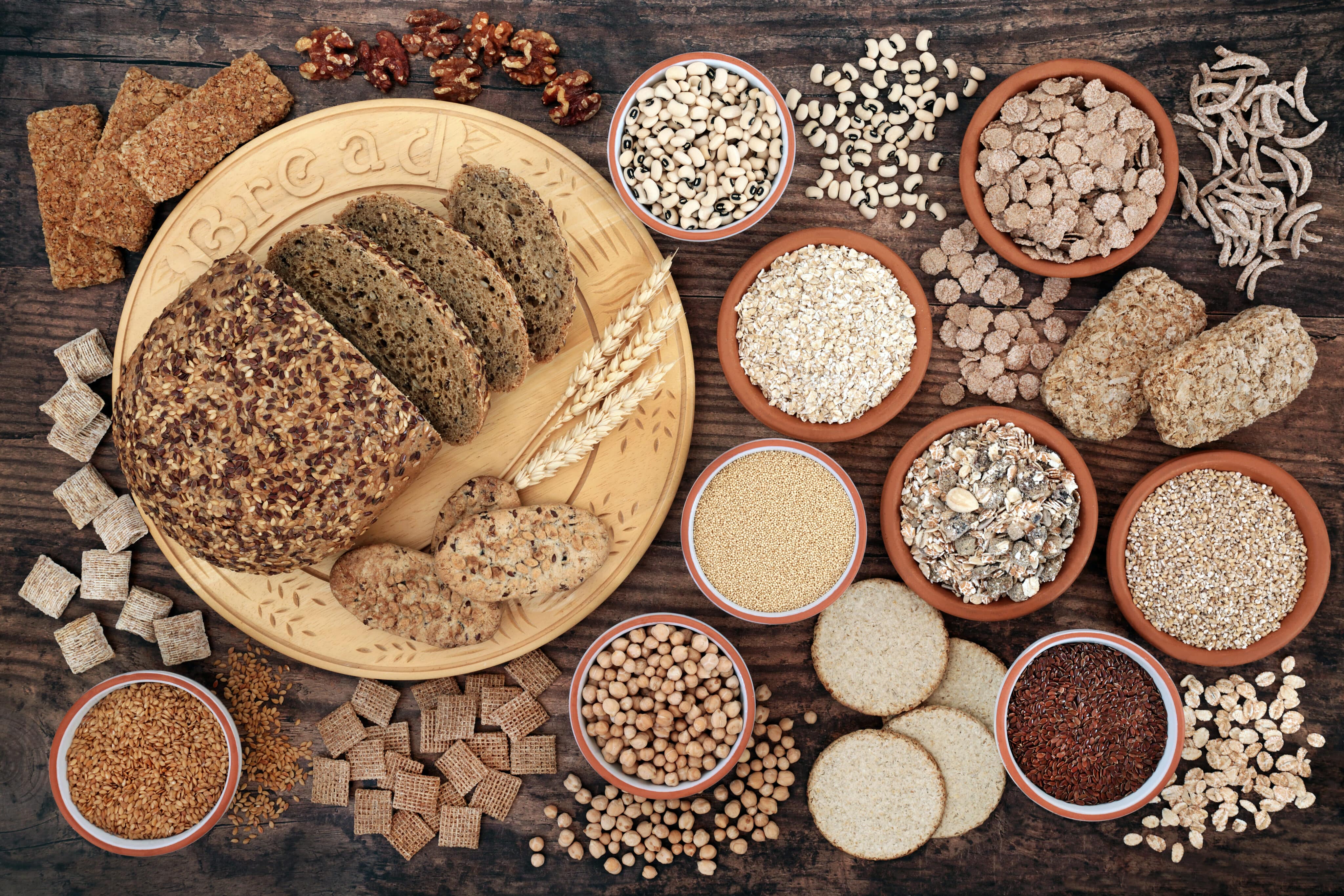
You don’t need to eliminate carbs completely, but being strategic about carbs can make a big difference in your triglyceride levels. Replacing 1% of calories from carbs with monounsaturated or polyunsaturated fats can reduce triglycerides by 1–2%, according to meta-analyses.
Studies suggest that lower-carb diets, especially those with less than 10% of total calories from carbs, can lower triglycerides even more. So, instead of going zero-carb, choose high-quality carbs like whole grains, and use healthy fats to balance your meals.
Watch Out for Hidden Sugars and Ultra-Processed Foods
Don’t just look for sugar-laden snacks; check your sauces, dressings, and packaged breads, too. Many “savory” items hide hidden sugars that elevate triglyceride levels.
Global studies show that ultra-processed foods, often high in refined starches, sugars, and industrial fats, are linked to rising triglyceride levels. Reading labels for added sugars and opting for minimally processed foods can substantially reduce your sugar intake, thereby lowering triglyceride levels and improving your lipid profile.
Know When Diet Alone Isn’t Enough
While diet plays a huge role in managing triglycerides, sometimes it’s not enough. For people with severe hypertriglyceridemia (levels >500 mg/dL), lifestyle changes combined with medications may be necessary. Statins, icosapent ethyl (pure EPA), or fibrates are often used in these cases.
A 2024 consensus from the International Atherosclerosis Society highlighted that triglyceride-rich lipoproteins are a “causal factor” in atherosclerosis, emphasizing the importance of combining lifestyle changes with medication to effectively manage high triglycerides.
Key Takeaways
High triglycerides now affect about 30% of adults worldwide, with rates rising steadily. Fortunately, simple dietary changes, such as reducing refined carbs, adopting a Mediterranean diet, and adding healthy fats, can significantly lower triglyceride levels by up to 50%.
Combine these changes with regular exercise and moderating alcohol intake, and you’ve got a solid strategy to protect your heart. For those with severe triglyceride levels, medications may be necessary, but lifestyle changes are always the first step toward improvement. It’s time to take control of your health and give your heart the attention it deserves!
More articles:
- Common spices linked to colon cancer prevention
- Potato chips may be linked to higher colon cancer risk, here’s why
- 13 Superfoods for Digestive Health You Can’t Ignore
15 foods centenarians eat to live to 100
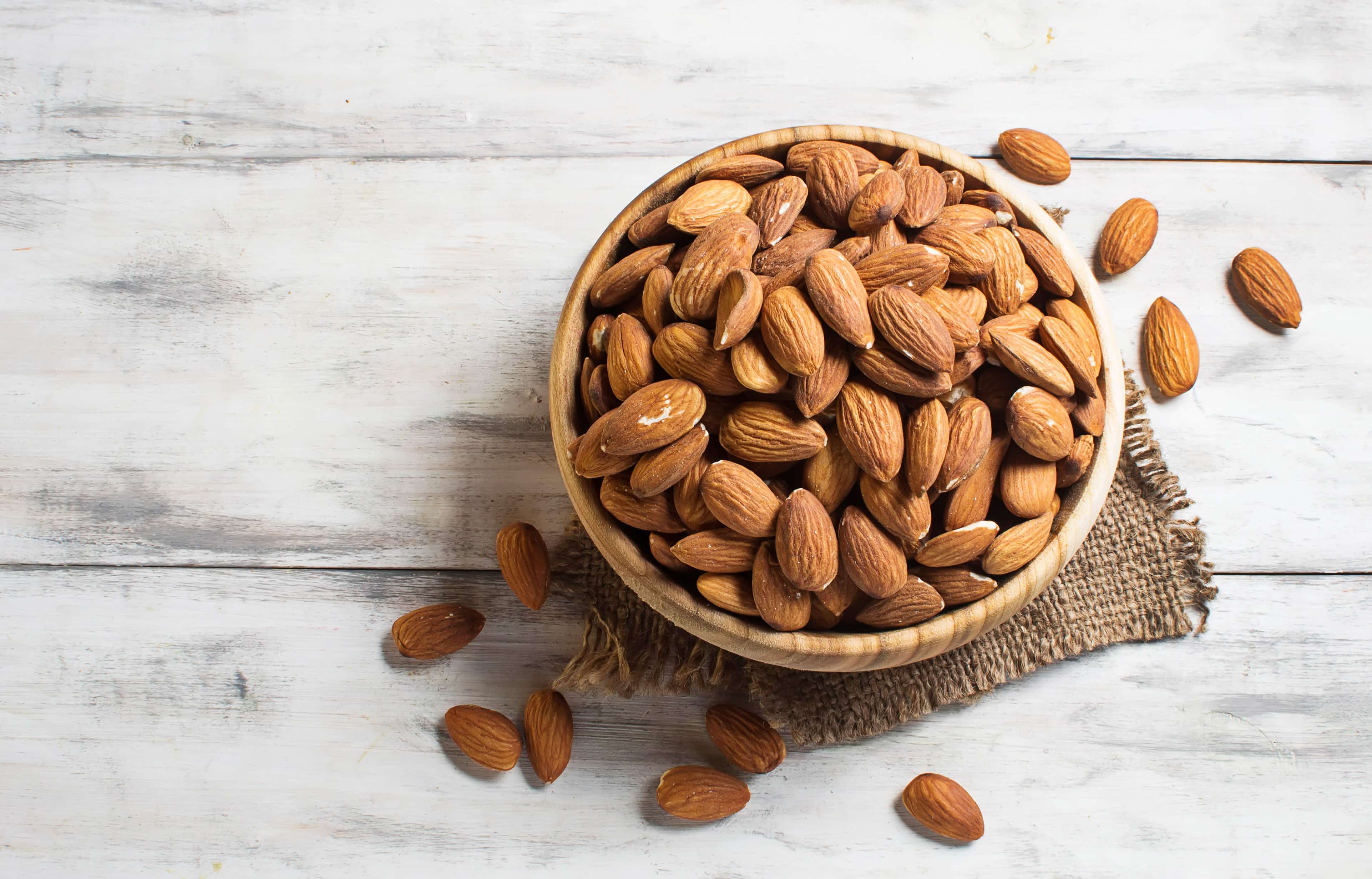
Living to 100 is less about rare genes and more about the everyday foods quietly shaping your health right now.
Reaching the age of 100 might seem like winning a genetic lottery to many people, but research suggests your grocery list plays a massive role. Those vibrant communities known as Blue Zones, where people frequently live past a century, rely heavily on what they put on their dinner plates. We have compiled a list of specific ingredients that act as fuel for a long, healthy life, without needing a magic potion. Learn more
10 foods with more blood pressure benefits than beets

Beets get all the credit for lowering blood pressure, but they’re far from the best option.
We have all heard the hype about beet juice being the miracle elixir for hypertension, and the science technically supports it. However, relying solely on beets is like patching a tire with duct tape because the effects are incredibly temporary and often vanish within a single day. While beets can offer a quick fix, they do not provide the sustainable, long-term support your cardiovascular system needs to stay stable. Learn more.
15 eating habits that can help improve hormone balance after 45

Hormones often feel like the wild card of midlife. In women past 45, hormone levels begin to fluctuate and can have an impact on things as varied as mood and metabolism. Do you know that the World Health Organization says most women experience menopause between the ages of 45 and 55 years?
This normal change reduces the amount of estrogen in your body and alters your physiology. It is estimated that approximately ¾ of women experience menopausal symptoms connected to the hormonal fluctuations that affect energy levels and weight. Learn more.





