

Eating the right fruits can play an important role in supporting heart health naturally. Fruits provide fiber, potassium, antioxidants, and plant compounds that help lower cholesterol, reduce inflammation, and support healthy blood pressure.
According to the National Library of Medicine, higher fruit consumption is associated with a significantly lower risk of cardiovascular disease. Some large population studies report up to a 30–40 percent reduction in heart-related events among people with high fruit intake.
Certain fruits stand out because they contain nutrients that directly protect the heart and blood vessels. These include compounds that improve blood lipid levels, reduce oxidative stress, and support healthy circulation. Adding a variety of heart-friendly fruits to daily meals offers a simple and natural way to support long-term cardiovascular health. Here are 10 fruits that promote heart health naturally.
Apples

Apples support heart health through soluble fiber (pectin) and polyphenols that lower cholesterol and inflammation. Pectin binds bile acids, helping reduce LDL cholesterol and improve blood flow in coronary arteries.
A 2021 systematic review of randomized trials found apple or apple polyphenol intake lowered C-reactive protein and increased HDL cholesterol. Meta-analyses also link apple intake with a lower risk of cardiovascular mortality.
Berries (blueberries, strawberries, raspberries)

Berries provide anthocyanins that reduce oxidative stress and inflammation, key drivers of heart disease. The National Library of Medicine reports that anthocyanin-rich berries significantly lower LDL cholesterol and C-reactive protein.
Prospective studies associate higher anthocyanin intake with a 9–12% lower risk of coronary heart disease and cardiovascular mortality. Their low sodium and saturated fat content make berries ideal for heart-healthy diets.
Oranges and citrus fruits

Citrus fruits supply vitamin C, potassium, and flavanones that support vascular health. The National Library of Medicine reports that higher citrus intake is linked to a lower risk of cardiovascular disease and stroke.
Clinical trials also report improved endothelial function and modest reductions in blood pressure with citrus intake. Regular citrus consumption helps protect LDL from oxidation and supports healthy blood vessels.
Bananas

Bananas promote heart health mainly through potassium, which helps regulate blood pressure. One medium banana provides roughly 422–451 mg of potassium, supporting sodium balance and vessel relaxation.
ScienceDirect reports that increasing potassium-rich foods may reduce blood pressure more effectively than salt restriction alone. Observational data also link moderate banana consumption with lower mortality in people with hypertension.
Avocados

Avocados support heart health with monounsaturated fats, fiber, and potassium. Meta-analyses of randomized trials show avocado intake reduces total cholesterol by about 7 mg/dL and LDL cholesterol by about 6 mg/dL.
Controlled studies also report reductions in small, dense LDL particles and improvements in antioxidant status. Avocados provide about 485 mg of potassium per 100 g, supporting blood pressure control.
Save this article
Pomegranates

Pomegranates contain potent polyphenols that protect arteries from oxidative damage. In patients with carotid artery stenosis, one year of daily pomegranate juice reduced carotid intima-media thickness by up to 30%.
The National Library of Medicine also reports reductions in systolic blood pressure and oxidized LDL. These effects directly target plaque development and slow atherosclerosis progression.
Grapes

Grapes deliver resveratrol and polyphenols that improve vascular function and reduce inflammation. ScienceDirect reports that grape-derived compounds lower blood pressure and improve flow-mediated dilation.
Randomized trials using grape extracts report favorable shifts in cardiovascular biomarkers over several months. Whole grapes provide these benefits naturally without sodium or cholesterol.
Kiwi
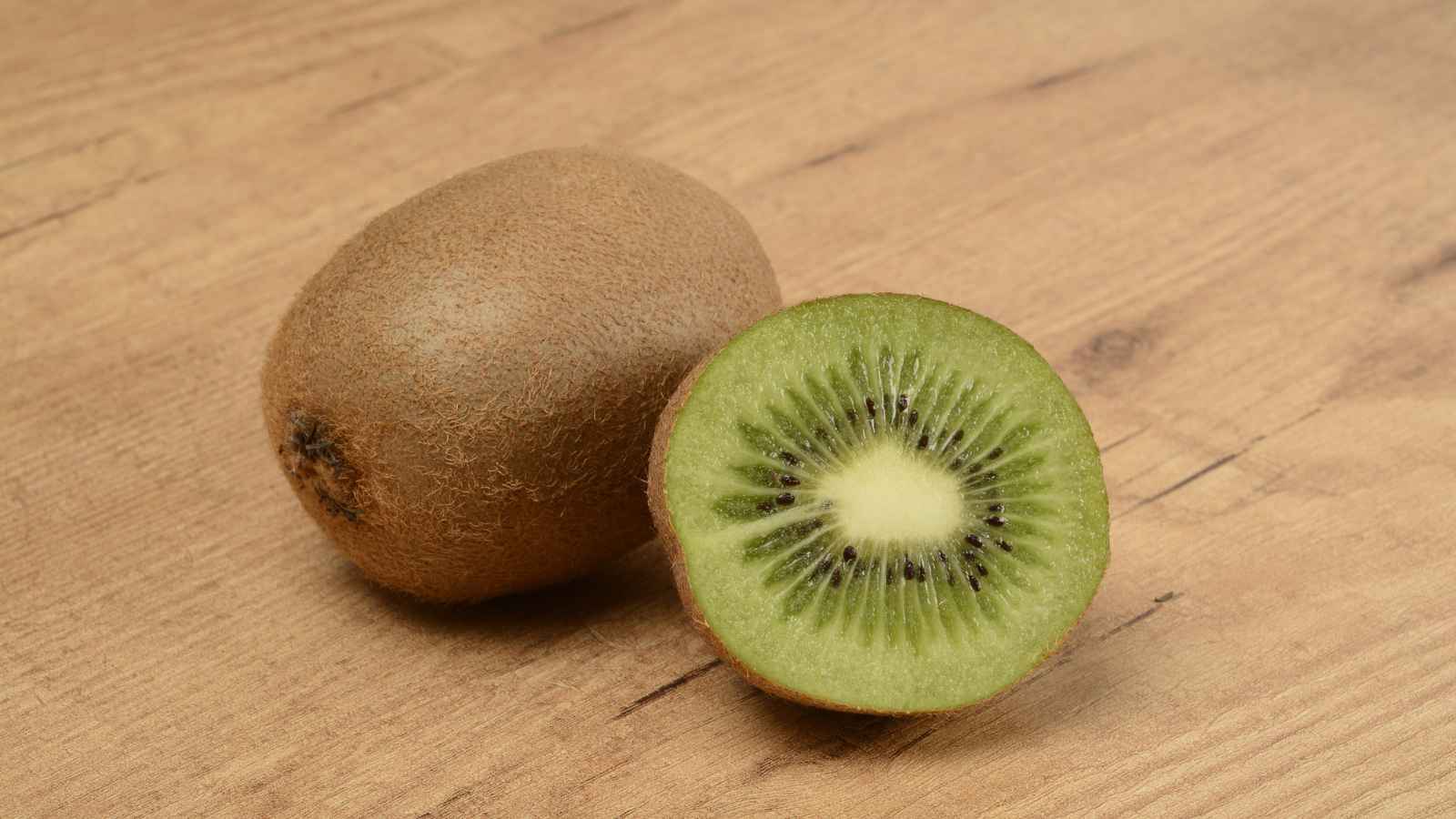
Kiwi supports heart health through vitamin C, potassium, and bioactive compounds that affect blood pressure and clotting. The National Library of Medicine reports that eating three kiwis daily reduced systolic blood pressure in hypertensive men.
The same research showed reduced platelet aggregation and lower ACE activity. These findings suggest kiwi offers mild, food-based blood pressure and antiplatelet support.
Papaya

Papaya provides antioxidants such as vitamin C, beta-carotene, and lycopene that counter oxidative stress. Clinical studies on lycopene show significant reductions in oxidized LDL and improvements in arterial function.
Population data link carotenoid-rich diets with lower cardiovascular event rates. Papaya also supplies fiber and potassium, supporting long-term blood pressure and cholesterol control.
Watermelon

Watermelon supports heart health through L-citrulline, which increases nitric oxide production and promotes vessel relaxation. ScienceDirect reports that watermelon products raise plasma citrulline and arginine levels and improve vascular function.
Reviews suggest daily intakes providing 2–3 g of citrulline may aid blood pressure control. These vasodilatory effects help reduce arterial stiffness and support healthy circulation.
Disclosure: This article was developed with the assistance of AI and was subsequently reviewed, revised, and approved by our editorial team.
Disclaimer – This list is solely the author’s opinion based on research and publicly available information. It is not intended to be professional advice.
Like our content? Be sure to follow us.





