People who’ve been through a lot often carry invisible stories. They walk into a room with a quiet calm, or maybe with a sharp wit, or maybe with a laugh that’s louder than you’d expect. You never know what they’ve survived, but the signs are there if you’re paying attention.
Some of the habits they form are quiet, yet effective coping mechanisms. Others are survival skills that have become everyday rituals. If you’ve ever had to pick yourself up when nobody was watching, this might sound familiar.
They Scan Every Room

They walk into a space and almost instantly register where the exits are, who’s paying attention to them, and what the overall mood feels like. It’s not paranoia; it’s a deep sense of pattern recognition shaped by years of experience.
They Overthink Everything

“What did she mean by that text?”
“Did I say too much?”
“Should I have said nothing at all?”
Their brains don’t rest easy. Past experiences had taught them that small things can escalate. So now they try to predict the explosion before it happens. This predictions causes them to overthink even the slightest issues.
They Joke About Their Pain

You’ll hear it in offhand remarks.
“Oh, just another Tuesday breakdown.”
“Therapy is cheaper than bail.”
It’s funny, until it isn’t. But that humor they use? It’s a kind of armor, shielding them while they try to cope with whatever situation they’re facing. Still, the pain often lingers quietly beneath the surface, long after the laughter fades.
They Need More Sleep But Get Less
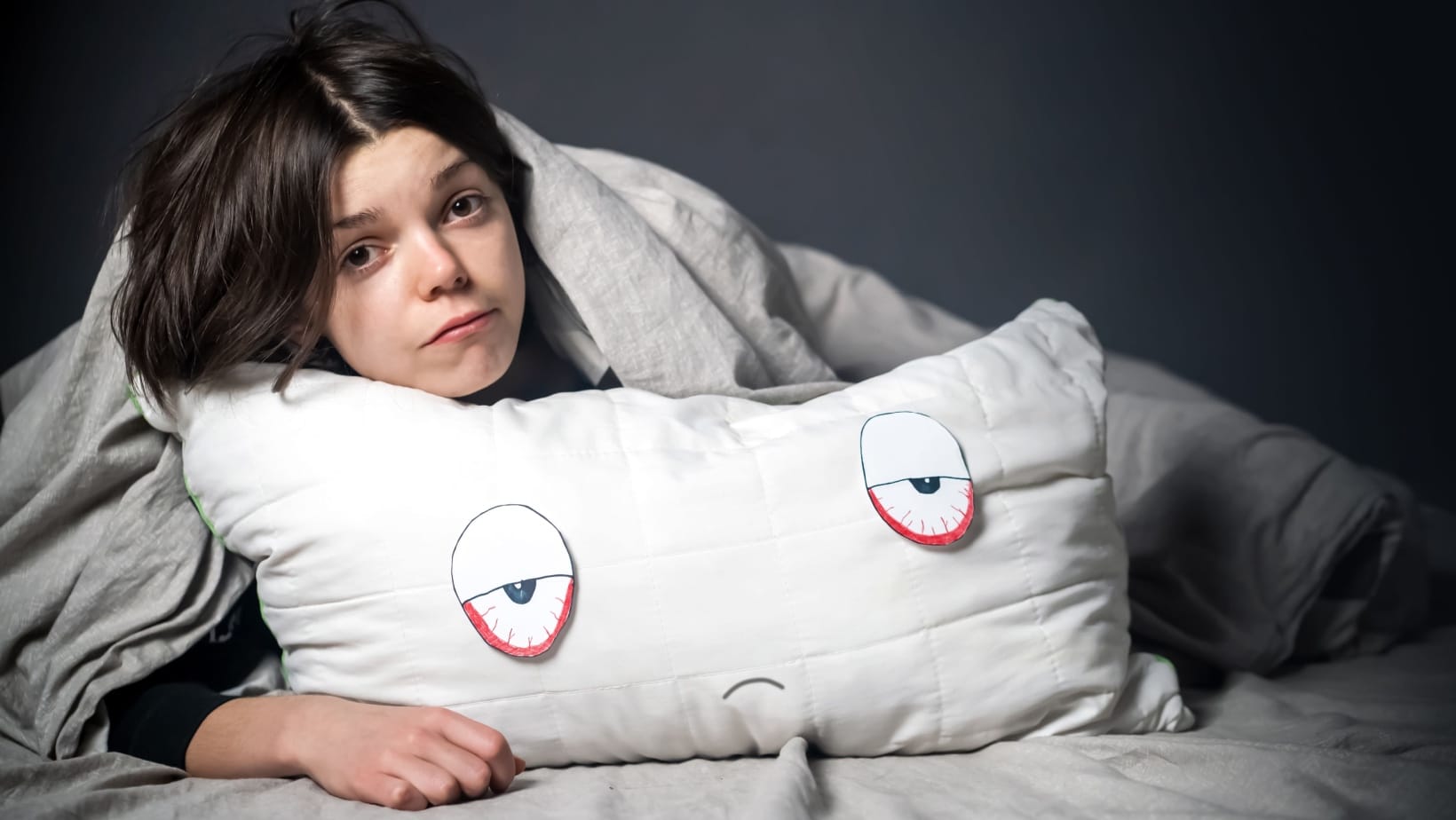
Trauma affects sleep. According to the Sleep Foundation, 90% of people with PTSD experience insomnia or disrupted sleep. Even without a diagnosis, stress disrupts the body’s natural rhythm. So they lie awake, counting all the things that went wrong today, or could go wrong tomorrow.
They Hate Asking for Help

They’ve been let down in the past, maybe even made to feel like they were too much to handle. So now, asking for help feels like admitting defeat. Even when they’re completely overwhelmed, they’ll still say, “I’m fine.” Because showing vulnerability comes with a price.
They Set Weird Boundaries

Don’t call after 9.
Don’t touch their stuff.
Don’t ask about that summer.
These rules might seem random. But for them, they are rules for their safety. They have learned by experience that it is better to set boundaries, no matter how weird, than to trust.
They Overcompensate at Work

They show up early for their jobs. Stay late. Say yes when they want to scream no. A survey by APA showed that employees with mental health struggles often report feeling pressure to perform better than their peers. Working hard becomes a distraction. And sometimes, a way to prove their worth.
They’re Hyper-Aware of Other People’s Feelings

Save this article
They notice the sigh that slips out just before an argument begins. The forced smile that always seems to come right before the tears. They once lived in spaces where reading the room wasn’t just helpful; it was necessary for survival. So now, they do it all the time, almost without thinking.
They Isolate Without Meaning to

One missed call turns into two weeks of silence. Not because they don’t care. But because social energy runs out fast. And sometimes, being alone feels safer for their mental health. At least that is what their trauma tells them.
They Hold Onto Little Joys Like Lifelines

The perfect playlist.
A dog that waits by the door.
That one diner where the waiter knows their name.
A Harvard study found that small daily joys, such as a favorite cup of coffee, can significantly improve long-term emotional resilience. People who’ve been through a lot know this. Joy doesn’t have to be big to be real.
They Struggle to Trust Quickly

People who’ve been hurt don’t offer trust like candy. They need time. One study found that people with trauma histories take longer to develop confidence in new relationships. Not because they’re cold. Because they’ve learned the cost of getting it wrong.
They Say “Thank You” Too Much

“Thanks for listening.”
“Thanks for being patient.”
“Thanks for texting back.”
It’s not just politeness. It’s gratitude soaked in relief for having that conversation with them. Because after everything, they’re still surprised when someone stays. They don’t take that for granted, and may be scared that the person might think they are ungrateful.
Disclaimer – This list is solely the author’s opinion based on research and publicly available information. It is not intended to be professional advice.
How Total Beginners Are Building Wealth Fast in 2025—No Experience Needed

How Total Beginners Are Building Wealth Fast in 2025
I used to think investing was something you did after you were already rich. Like, you needed $10,000 in a suit pocket and a guy named Chad at some fancy firm who knew how to “diversify your portfolio.” Meanwhile, I was just trying to figure out how to stretch $43 to payday.
But a lot has changed. And fast. In 2025, building wealth doesn’t require a finance degree—or even a lot of money. The tools are simpler. The entry points are lower. And believe it or not, total beginners are stacking wins just by starting small and staying consistent.
Click here and let’s break down how.
5 Easy Steps to Change Any Habit

5 Easy Steps to Change Any Habit
We all click on them with the hope that just THIS time the secret to changing a bad habit or adopting a healthy one will be revealed and we’ll finally be able to stick to that diet, stop that one or ten things that might in the moment make us feel temporarily good but really just make us fat, unhealthy, sad, mad or just frustrated with ourselves.