

Let’s talk about that wallet of yours. It’s probably seen a few things, right? It goes everywhere with you. But that trusty leather companion could also be a bullseye for criminals.
It’s not just about the cash you might lose. It’s about your identity. And the threat is very, very real. The FBI’s 2023 Elder Fraud Report is a wake-up call. Scams targeting people over 60 caused over $3.4 billion in losses, and the average victim lost a staggering $33,915. It’s a problem that’s growing at a terrifying pace, with total fraud losses reaching a record $12.5 billion in 2024, a 25% increase from the previous year.
As Kathy Stokes, AARP’s director of fraud prevention programs, puts it, “The impact on older adults is often catastrophic”. It’s not just about money; it’s about the emotional toll and the disruption to a secure retirement you’ve worked so hard for.
So, let’s open up that wallet and do a little decluttering. Here are 12 things you should take out, starting right now.
Your Social Security card
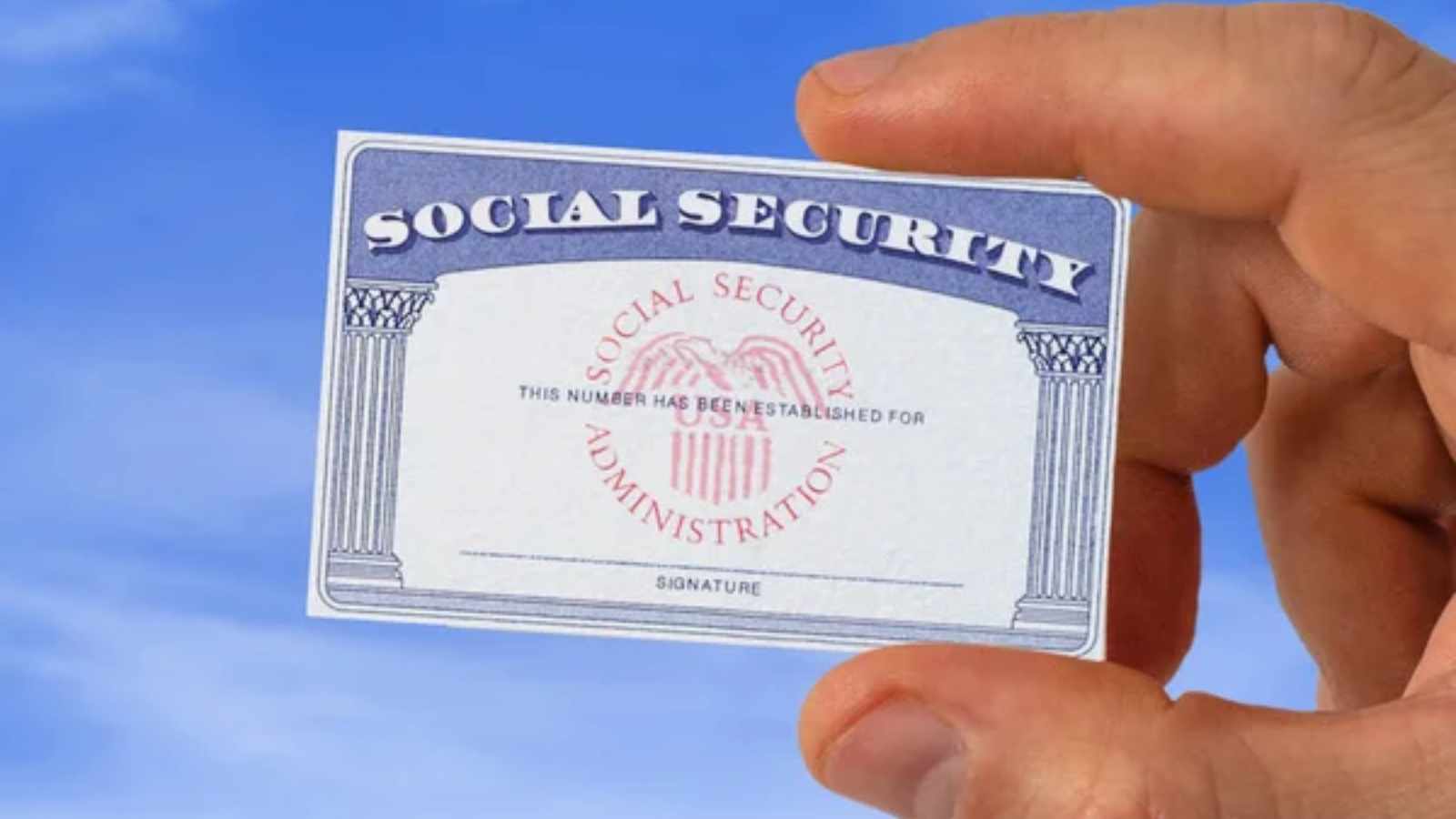
This is the big one. The absolute, without-a-doubt, number-one thing to remove from your wallet. Your Social Security card is the “holy grail for identity thieves.” Think of your SSN as the master key to your entire life. In 2024, the most common type of identity theft was credit card fraud, with the FTC logging over 449,000 reports. And your SSN is all a thief needs to get started.
With your name from your driver’s license and that nine-digit number, a criminal can open new credit cards, apply for loans, file a fake tax return to steal your refund, and even get medical care in your name, which can create a nightmare of tangled health records.
The danger isn’t just about one stolen card; it’s about the potential for a complete collapse of your identity across financial, medical, and government systems. The fix is simple: Memorize your number. The physical card should be stored in a secure location at home, such as a fireproof box or a safe. You almost never need to show the actual card.
A pile of credit cards

Does your wallet look like an overstuffed filing cabinet? A thick stack of credit cards feels prepared, but it’s actually a gold mine for a thief.
More cards mean more phone calls, more stress, and more accounts to monitor if your wallet goes missing. Each one is another fire you have to put out. In 2021, about 9% of all U.S. residents over 16 were victims of identity theft, and misusing existing credit cards was a top method for criminals.
Financial experts, such as Gerri Detweiler of Credit.com, suggest a minimalist approach: carry only two cards, at most. One for everyday purchases and a second one as a backup. That’s it. This isn’t just about security; it’s about simplifying your life. So, do that wallet audit. Pick your primary card and a backup. Leave the rest safely at home.
Your debit card (yes, really)

This might sound crazy, but your debit card is way more dangerous in a thief’s hands than a credit card. Why? Because it’s a direct pipeline to your cash.
Here’s the difference: When a thief uses your credit card, they’re spending the bank’s money. You report the fraud, and you’re protected. Your liability is capped at $50, and your own cash is safe while the bank resolves the issue.
However, when they use your debit card, the money is instantly withdrawn from your checking account. You can retrieve it, but the investigation may take some time. As identity theft expert Eva Velasquez warns, “you’ve lost access to your cash,” which could mean trouble if your mortgage or other big bills are due.
And don’t think your PIN will protect you. A thief can simply run your debit card as “credit” at checkout, without requiring a PIN, and still drain your account. The solution? Use a credit card for your daily spending. It’s just safer. Keep your debit card at home unless you’re heading straight to the ATM.
A blank check or your checkbook

A single check has everything a fraudster needs: your name, address, bank name, account number, and routing number. They can use this to forge checks, make online payments, or even drain your account with electronic withdrawals.
Some criminals even use a technique called “check washing,” where they use chemicals to erase what you’ve written and fill in a much larger amount.
These days, you rarely need a physical check for daily errands. Leave the checkbook locked up at home. If someone gives you a check, don’t carry it around. Deposit it right away using your bank’s mobile app.
A password cheat sheet

We all have a million passwords to remember. It’s tempting to write them down. In fact, a Pew Research survey found that approximately 63% of people aged 65 and older report writing their passwords down at least occasionally.
But keeping that cheat sheet in your wallet is a massive mistake. If it gets stolen, you’re handing a thief the keys to your entire digital kingdom. The absolute worst thing you can do? Writing your debit card PIN on a scrap of paper and tucking it next to the card. Fraud expert Frank McKenna says he’s shocked by how many people admit to doing this.
It’s time to go digital and get secure. Use a password manager app on your smartphone. Both Apple and Android have excellent, secure ones built in. They lock your passwords behind your fingerprint or face ID, making them nearly impossible for a thief to access.
Your work ID badge

This one seems so innocent, right? But to a sophisticated scammer, your work ID is a crucial piece of the puzzle. It provides your name, photo, and employer’s name—all valuable information. The real danger here is a technique known as “spear-phishing.” This isn’t your average spam email. It’s a highly targeted, personalized attack.
Here’s how it works: A thief finds your lost ID. They then call you or someone in your company, pretending to be from your IT department. They’ll use the details from your ID to sound completely legitimate. “Hi, this is tech support for. We see your ID was lost, and we need to secure your network access immediately. Please confirm your username and the temporary code we just sent you.”
Because they sound like they know what they’re talking about, it’s an easy trap to fall into. Think about it from a criminal’s perspective. Your work ID allows them to impersonate you and bypass your company’s security. Suddenly, your lost ID isn’t just a personal problem—it’s a security breach waiting to happen for your entire organization. You’ve unintentionally become the weak link.
The fix? Don’t store your work ID in your wallet. Carry it on a lanyard or in a separate pocket, and only take it with you on days you’re going into the office.
A spare house key

Save this article
This is a recipe for disaster. Your wallet contains your driver’s license, which clearly lists your home address. If you also have a spare key, you’re essentially giving a thief a map and a key to your front door.
Even if you realize it’s gone and the thief doesn’t have time to act, you’ll still be out over $100 for a locksmith to change your locks just for peace of mind.
The much safer alternative? Give your spare key to a trusted neighbor or a nearby family member.
A stack of old receipts

That crumpled pile of receipts at the bottom of your purse or wallet? It’s more than just clutter. It’s a treasure trove for social engineers. Receipts often have your full name and the last four or five digits of your credit card number. A skilled thief can use these details to craft a highly convincing scam.
They find your phone number online and call you, pretending to be from your credit card’s fraud department. They’ll say something like, “We’re calling about a recent purchase at Target for $87.50 on your Visa ending in 1234. To confirm this wasn’t fraudulent, we just need you to verify your full card number and security code.”
As fraud authority Steve Weisman points out, because they have real details from your receipt, the call seems completely legitimate, and it’s easy to get tricked into giving up the rest of your information.
Make it a habit to clean out your wallet every evening. If you need a receipt for a return or for your taxes, ask for an e-receipt or take a photo of it, then shred the paper copy.
Your passport or passport card

Your passport is what the U.S. State Department calls “the most valuable identity document in the world.” It’s the ultimate prize for an identity thief. A stolen passport can even be sold on the dark web for a hefty price.
Unless you are actively traveling internationally, your passport should never be in your wallet. For any domestic travel, your driver’s license is all you need.
When you are abroad, keep your passport locked in the hotel safe. Carry a simple photocopy with you for day-to-day identification.
Too much cash

This one is straightforward. If a thief steals your credit cards, you can cancel them. If they steal your cash, it’s gone for good. Carrying a thick wad of bills also makes you a more visible target for theft.
So, what’s the right amount? Experts have found a sweet spot for people over 50.
Financial advisors recommend carrying between $50 and $150 in your wallet. This is enough to cover most daily cash needs—such as a trip to the farmer’s market, a small tip, or an emergency when cards aren’t working—without creating a huge risk if your wallet is lost or stolen.
Your Medicare card (most of the time)

Good news: new Medicare cards no longer have your Social Security number on them. Bad news: that unique Medicare number is still a highly sought-after target for scammers.
Thieves use these numbers to commit medical identity theft. They can file fake claims for services, get prescription drugs, or receive medical treatments that get billed to your insurance. This can max out your benefits and create a mess of false information in your health records.
The rule is simple: only carry your Medicare card when you’re traveling to a doctor’s office, hospital, or pharmacy. The rest of the time, keep it secured at home. If you want proof of coverage with you, carry a photocopy with part of the number blacked out.
Unused gift cards

It’s easy to forget that gift cards are basically the same as cash. If they’re stolen, there’s no way to cancel them or recover your money. A thief can spend the balance immediately and anonymously.
Don’t let them accumulate in your wallet. A lost wallet with a single $25 card is one thing. A wallet containing $500 worth of various gift cards represents a significant financial loss.
Treat them like you would cash. Keep them at home until you’re heading to that specific store. Or even better, digitize them. Apps like GoWallet and Gyft allow you to store your card information on your phone, so you don’t need to carry the plastic at all.
Key Takeaway

Think like a minimalist. Your wallet is a tool for the day, not a storage unit for your entire financial life. The less you carry, the smaller your “attack surface” is for thieves. As financial advisor Dave Ramsey says, “Financial peace isn’t the acquisition of stuff” —and that includes the stuff in your wallet.
Here’s your simple action plan for a safer wallet:
- Remove Immediately: Your Social Security card, any blank checks, and password cheat sheets. These belong in a secure location at home, period.
- Limit Your Cards: Use one credit card for daily purchases, your driver’s license for identification, and your debit card only when you’re going to an ATM.
- Go Digital: Use your phone’s secure password manager and apps to store gift card balances.
- Audit Daily: Develop a habit of clearing out receipts and non-essential items every evening. A lean wallet is a safe wallet.
Like our content? Be sure to follow us





