

For many women, the words they most want to speak are the very ones they fear will be twisted, dismissed, or judged.
You’ve probably been there: a thought pops into your head, and just before it reaches your lips, you stop. A quick mental filter checks for potential blowback, and more often than not, the thought gets filed away under “Things Not to Say.” For women, this silent filtering system is usually set to a higher sensitivity. The fear of being seen as “too much” or “not enough” keeps many from speaking their minds freely.
This isn’t just about politeness. It’s about a deep-seated apprehension that women’s words will be misinterpreted, their intentions questioned, or their character judged. They worry that voicing a firm opinion will make them seem aggressive, or admitting a personal struggle will make them seem weak. This quiet self-censorship prevents genuine connection and authentic expression. Here are 12 things women often wish they could say out loud without a second thought.
I’m Not Smiling For You

Women are often conditioned to maintain a pleasant demeanor, a kind of default public face that includes a ready smile. It’s a reflex, a way to signal approachability and harmlessness. But a constant expectation to be cheerful can feel like a performance. Saying “I’m not smiling for you” isn’t an act of aggression; it’s a simple, honest statement of autonomy. It means my face is my own, and my expressions reflect my feelings, not a duty to make others comfortable.
I Don’t Want To Be In Charge Of The Group Dinner

When a group is trying to decide where to eat, the conversation often stalls. Eventually, someone will say, “Someone needs to take charge.” And the gaze usually falls on the woman in the group. We are supposed to be the natural organizers, the planners of social outings. But sometimes, we just want to show up, eat our food, and enjoy the company without having to read restaurant reviews, make reservations, and herd cats to a single location.
I’m Grieving A Loss That Isn’t A Death

Grief is a tricky emotion. We’ve learned to accept it for the loss of a loved one. But what about the loss of a friendship? The end of a dream? The quiet ache of an unfulfilled plan? These losses can hit just as hard, yet we feel like we can’t talk about them. We are afraid of being told to “get over it.” The ability to share this kind of grief would make it much easier to get through. The end of a friendship can be more stressful than a romantic breakup; yet, we rarely have the chance to process that sadness openly.
I’m Tired Of Being The Emotional Support Friend

Many women find themselves in the role of the “therapist friend,” the one everyone comes to with their problems. It can be a privilege to be trusted, but it can also be exhausting. We are expected to listen patiently, offer sound advice, and absorb others’ pain without ever sharing our own. We wish we could say, “I can’t be your therapist right now,” without sounding selfish. It’s a boundary, not a rejection.
I’m Not Interested In Talking About My Body

From puberty to motherhood, women’s bodies are often seen as public property, open for discussion and commentary. “Have you lost weight?” “Are you pregnant?” “You should work out more.” These questions, however well-meaning, erode a sense of privacy. Saying “I’m not interested in talking about my body” is a simple request for personal space.
My ‘Yes’ Doesn’t Mean ‘Yes, And…’

A woman’s agreement to a request is often met with the addition of more asks. If you agree to make a pot of chili, you’re then asked to bring cornbread and a dessert. If you say you can stay late to finish a project, you’re suddenly expected to take on a new assignment, too. The ability to say “yes” to one thing and have it stick would be a welcome change.
I Have a Firm Opinion on This, and I Don’t Need to Apologize for It

How many times have you heard a woman start a sentence with, “I’m sorry, but…” or “This might be a silly question, but…”? This verbal tic serves as a preemptive apology, a way to soften the impact of a strong opinion. We are concerned that if we are too direct, we may be perceived as bossy or abrasive. The simple, unadorned statement of a belief shouldn’t require an apology.
I Need To Be Alone To Recharge

Save this article
For many women, the pressure to be constantly available is immense. As a sister, daughter, friend, or partner, there’s a constant pull to be a part of things, to show up, and to be present for others. Saying “I need to be alone” can feel like a major social transgression. We are afraid of hurting feelings or coming across as antisocial. But solitude is not a rejection of others. It’s a necessary act of self-care. A Glasshammer study found that 19% of single women and 86% of married women feel guilty about taking time for self-care. That’s a lot to deal with.
I’m Not Going To Be Your Mom

In relationships and friendships, women often assume a maternal role, whether it’s doing their partner’s laundry or ensuring their friend pays their bills on time. It is an instinct to care for those we love. But it can become a burden. Saying “I’m not going to be your mom” is about setting a boundary, fostering mutual respect, and encouraging others to take responsibility for their own lives.
I Don’t Like Your Joke

You’ve probably sat through an uncomfortable joke, racist, sexist, or just plain mean, and forced a polite laugh or a pained smile. It’s easier than being the person who spoils the fun or causes a scene. Women may laugh at a joke they find offensive in a professional or social setting to avoid conflict. A woman’s right to say, “I don’t like that joke,” without fear of backlash is a small but powerful step toward a more respectful society.
I Need To Talk About My Mental Health

There is still a lingering stigma around mental health, and for women, the fear of being seen as “hysterical” or “dramatic” can prevent us from speaking up. We are afraid of being dismissed. However, some mental health issues affect more women than men. The phrase “I need to talk about my mental health” is a vulnerable one. It requires courage to say and a compassionate listener to hear.
My Intuition Is a Valid Reason

Women are often advised to be rational and provide hard data to support their feelings. We’ve all been there: “I have a bad feeling about this person,” only to be met with, “But what’s the reason?” The truth is, intuition is a powerful tool. It’s a culmination of our experiences and observations, often processed subconsciously. We wish we could say, “My intuition is telling me this is a bad idea, and that’s all the reason I need,” and have it be enough.
Disclaimer – This list is solely the author’s opinion based on research and publicly available information. It is not intended to be professional advice.
How Total Beginners Are Building Wealth Fast in 2025—No Experience Needed

How Total Beginners Are Building Wealth Fast in 2025
I used to think investing was something you did after you were already rich. Like, you needed $10,000 in a suit pocket and a guy named Chad at some fancy firm who knew how to “diversify your portfolio.” Meanwhile, I was just trying to figure out how to stretch $43 to payday.
But a lot has changed. And fast. In 2025, building wealth doesn’t require a finance degree—or even a lot of money. The tools are simpler. The entry points are lower. And believe it or not, total beginners are stacking wins just by starting small and staying consistent.
Click here and let’s break down how.
5 Easy Steps to Change Any Habit
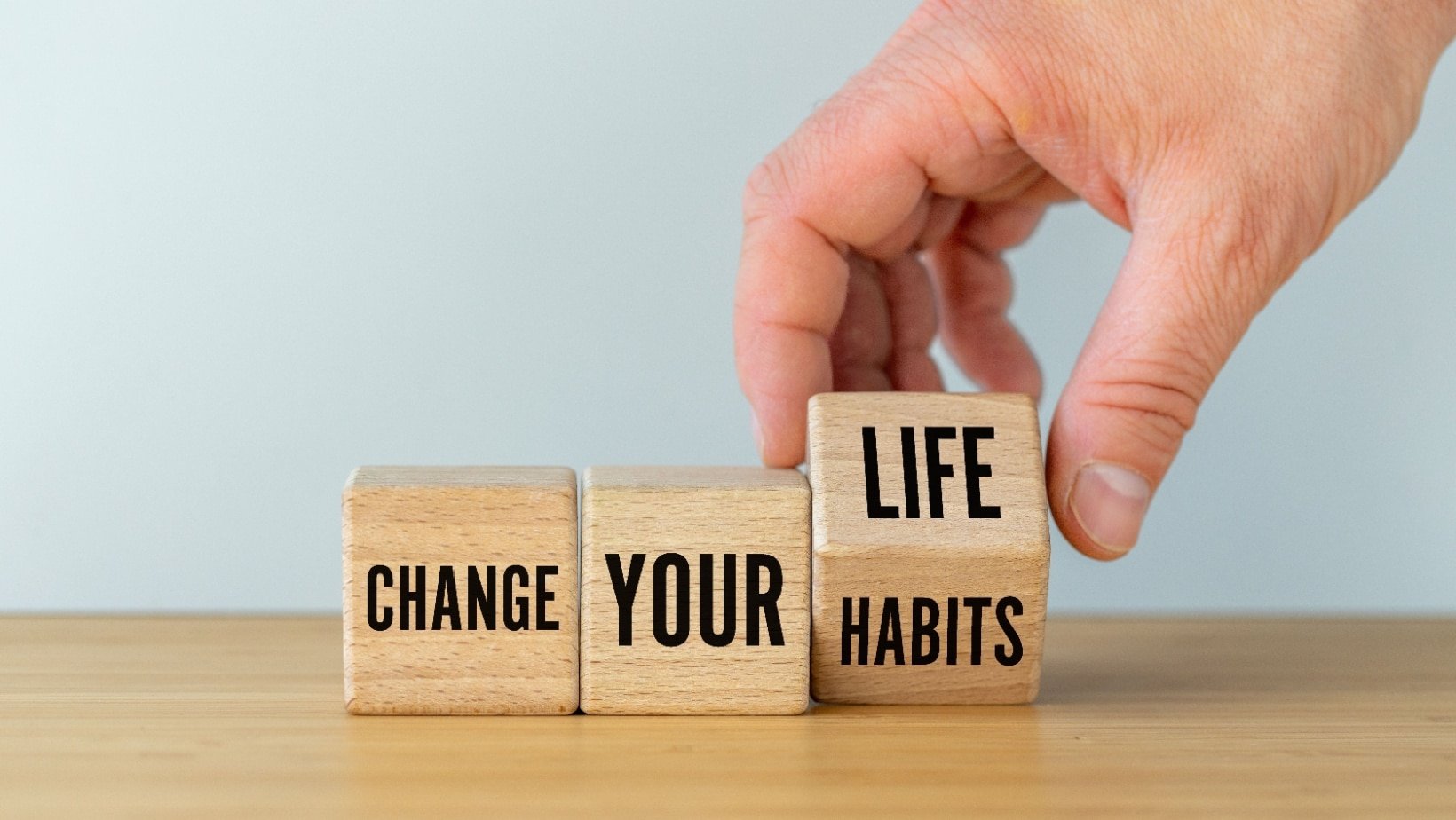
5 Easy Steps to Change Any Habit
We all click on them with the hope that just THIS time the secret to changing a bad habit or adopting a healthy one will be revealed and we’ll finally be able to stick to that diet, stop that one or ten things that might in the moment make us feel temporarily good but really just make us fat, unhealthy, sad, mad or just frustrated with ourselves.





