National EPA data show that more than 1,341 toxic Superfund sites are scattered across the U.S., and analyses of those EPA and climate-risk maps indicate that roughly 60% sit in areas increasingly vulnerable to floods, storms, or wildfires meaning some “vacation spots” now combine high crime, bad air, and literally poisoned ground.
The United States is home to countless breathtaking destinations, but not all places live up to the hype. Whether it’s due to high crime rates, unpleasant climates, or overcrowded tourist traps, certain locations should be skipped.
While many of these places are famous, they may not be the best choice for those looking to get the most out of their travel experience. Here are 12 U.S. places that we would recommend avoiding.
Detroit, Michigan

Detroit Police Department crime statistics show that Detroit’s violent crime rate remains several times the U.S. average, but homicides and shootings have dropped sharply in recent years.
While the city is undergoing a revitalization, many of its once-popular tourist spots remain abandoned or in poor condition. Visitors seeking a safer, more vibrant urban experience should consider alternatives such as Chicago or Cleveland.
Newark, New Jersey

About 25% of Newark residents live below the poverty line, compared with roughly 10% statewide, and median household income is under $50,000, less than half the state average. Newark’s violent crime rate is about 370 to 530 incidents per 100,000 residents, well above national levels, though homicides and shootings have dropped sharply versus the 1990s.
Despite recent improvements, Newark’s crime rate is still significantly higher than the national average, making it less than ideal for visitors. For a safer experience in the area, it’s better to explore Hoboken or other nearby towns.
Flint, Michigan

About 41% of Flint residents live below the poverty line, compared with roughly 13–14% nationally, and median household income is around $23,000. The violent crime rate is over 1,200 incidents per 100,000 residents, several times higher than the U.S. average.
Flint’s high poverty rate and crime issues make it a less-than-ideal destination for travelers. While the city is working to recover, it still lags behind other cities in infrastructure and tourism.
Bakersfield, California

Bakersfield consistently ranks among the most polluted U.S. metro areas, topping national lists for both year‑round and short‑term particle pollution and placing near the top for ozone levels. Recent unemployment in the Bakersfield metro area has hovered around 8 to 9%, roughly double the overall U.S. jobless rate in the same period.
Bakersfield’s location in the San Joaquin Valley makes it prone to air pollution, and it consistently ranks among the poorest cities in California. Visitors seeking a true California experience might want to skip Bakersfield in favor of places like San Diego or Santa Barbara.
Also on MSN: 12 once-beloved American gathering spots no one visits anymore
Las Vegas, Nevada

Las Vegas drew about 41.7 million visitors in 2024, with total visitor spending topping roughly 50–55 billion dollars. Average Strip room rates have climbed to around 200 dollars a night and typical visitors now spend well over 300 dollars per day on their trip.
The average cost per night for a hotel in Las Vegas is around $120, and if you’re not into gambling, you may find yourself in a place that’s not very tourist-friendly. Many travelers find that regional alternatives like Reno or Lake Tahoe offer a more affordable and laid-back experience.
Tucson, Arizona

Tucson’s summer climate is indeed very hot: average highs reach about 100–103°F (38–39°C) in June and July, with many days over 100°F each year. From May through September, daytime highs are typically in the mid‑90s°F or higher, and overnight lows often stay in the 70s°F, which can feel uncomfortable for visitors unaccustomed to desert heat.
Tucson has a crime rate higher than the national average, which might deter potential tourists. For those seeking a desert escape, Sedona or Flagstaff may offer a more picturesque and enjoyable experience.
Save this article
St. Louis, Missouri
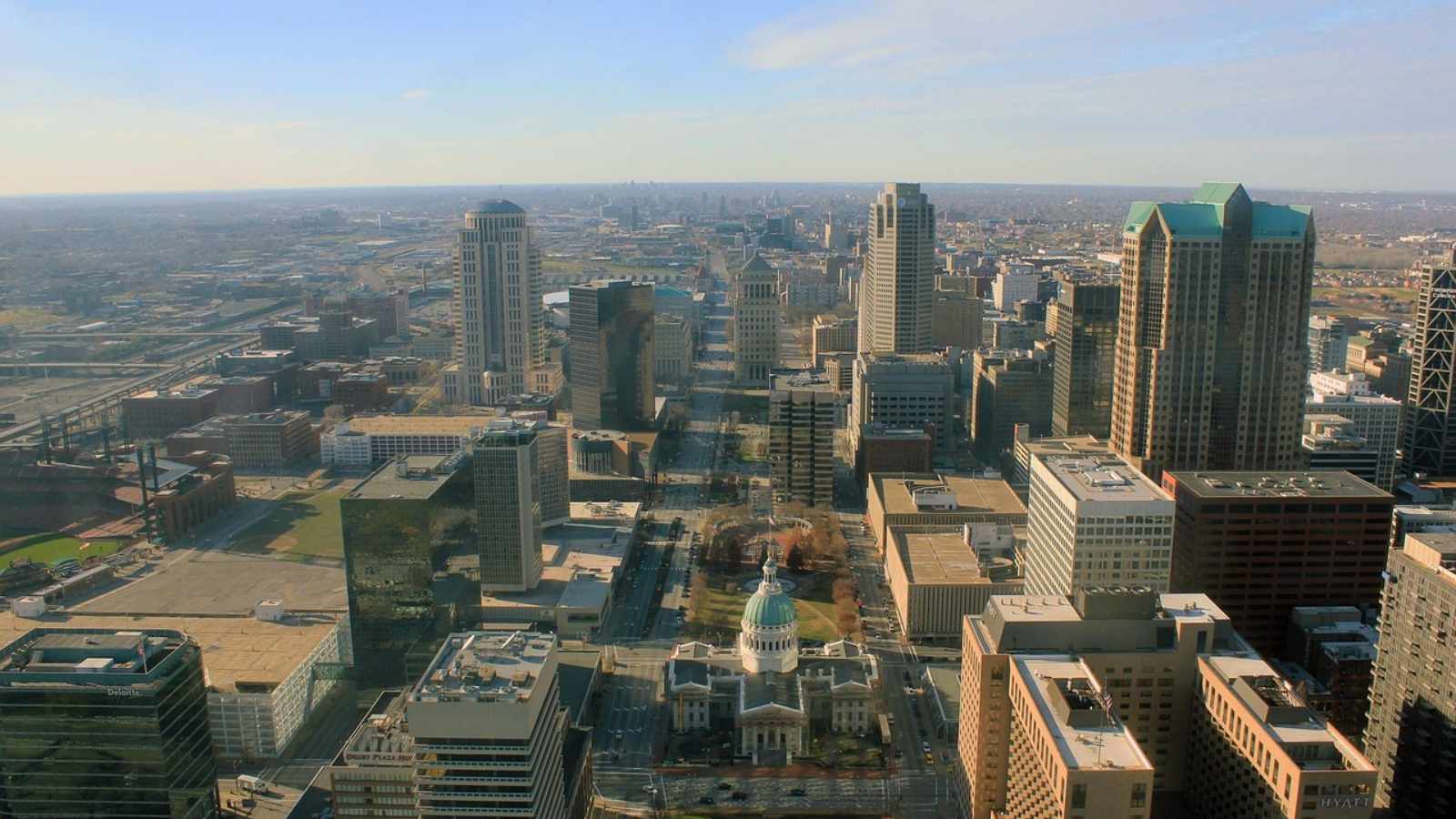
St. Louis is often considered one of the more dangerous cities in the U.S., with a violent crime rate that’s three times the national average. Despite its historical landmarks, like the Gateway Arch, visitors may find the city’s crime and urban decay a deterrent.
The lack of economic opportunity and high poverty rate in certain areas also contribute to its reputation. For a more pleasant visit, travelers might consider cities such as Kansas City or Columbia, Missouri.
Pahrump, Nevada

Pahrump’s unemployment rate is about 7%, compared with roughly 4 percent nationally, and its poverty rate is in the mid‑teens. Violent and property crime rates sit above U.S. averages, and the town offers only a small number of notable attractions.
The town is known for its isolated location and high number of deserted properties, which contribute to its overall unappealing atmosphere. For those looking for desert exploration, Mesquite or Boulder City may offer more exciting alternatives.
Cleveland, Ohio

Cleveland’s unemployment rate is currently around 4.8%, slightly above recent U.S. levels but far below its post‑industrial peaks. The city still has concentrated poverty and disinvestment in several east‑side neighborhoods, reinforcing its reputation for economic hardship despite ongoing downtown and waterfront reinvestment.
Despite its revitalized downtown, Cleveland’s cold, harsh winters and high crime rate make it difficult to fully recommend. Travelers might find more enjoyment in cities like Columbus or Cincinnati.
New Orleans, Louisiana

New Orleans’ violent crime rate remains well above the U.S. average, with recent FBI and city data showing rates in the range of several hundred violent incidents per 100,000 residents, though homicides and shootings have fallen sharply since 2022.
The city’s flooding issues remain a concern, even after Hurricane Katrina. For a safer and more enjoyable experience in Louisiana, consider visiting cities like Baton Rouge or Lafayette.
Detroit Lakes, Minnesota

Detroit Lakes has a population of about 10,031 residents, so it is a small regional center rather than a big resort city. In summer, the area’s “lakes country” draws many seasonal visitors and cabin owners, and the temporary population can swell to roughly 13,000, which is when local beaches and public lake access points are most likely to feel crowded.
While the area is known for outdoor activities, such as fishing and boating, the lack of amenities and low population density make it less appealing to visitors. For a more lively and engaging Minnesota destination, consider Minneapolis or Duluth.
Key Takeaway

While the U.S. is home to countless incredible destinations, some cities and towns simply don’t live up to expectations. Whether due to high crime rates, unpleasant climates, or lack of attractions, these 12 places should be avoided if you’re seeking a truly enjoyable and safe travel experience. Opt for alternative cities that offer greater safety, comfort, and things to do.
20 of the Worst American Tourist Attractions, Ranked in Order

20 of the Worst American Tourist Attractions, Ranked in Order
If you’ve found yourself here, it’s likely because you’re on a noble quest for the worst of the worst—the crème de la crème of the most underwhelming and downright disappointing tourist traps America offers. Maybe you’re looking to avoid common pitfalls, or perhaps just a connoisseur of the hilariously bad.
Whatever the reason, here is a list that’s sure to entertain, if not educate. Hold onto the hats and explore the ranking, in sequential order, of the 20 worst American tourist attractions.