

Nearly half of Gen Z are struggling financially, with less than 25% considering themselves financially stable, Newsweek reports. If you’re part of Gen Z, it can feel like the world handed you a rulebook after half the rules were already changed. Housing prices keep climbing, student debt grows faster than paychecks, and everyday life feels like a test you never got to study for.
And no — it’s not just bad luck. It’s the result of decades of policies, economic shifts, and social dynamics that quietly built a system tilted in ways most people don’t even see. So let’s break down the ways the odds are stacked, including a few you’ve probably felt in your gut for years.
Student loans that feel endless
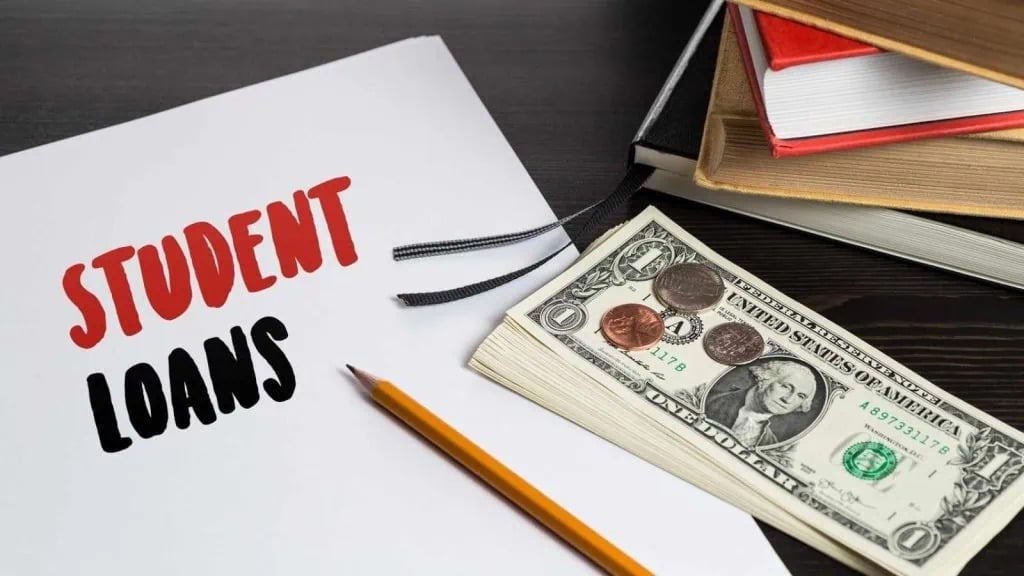
Gen Z faces the largest student debt burden in history, with the average borrower owing $41,600. Interest rates, loan structures, and rising tuition costs make it feel like paying off school is almost impossible.
Even scholarships and grants often don’t cover the hidden costs of housing, books, and fees. Families who can’t co-sign loans leave students navigating a system stacked against them.
Housing costs that skyrocket faster than incomes

While wages for many young people have stagnated, the cost of homes has jumped from around $180,000 in 2009 to over $400,000 by 2024, representing a 60–65% increase. Renting isn’t much better, with millennials and Gen Z often spending over 30% of their income just on a roof.
Low inventory, high demand, and investor purchases push prices even higher. This makes “owning a home” feel like a dream decades out of reach. The result? Many are delaying milestones like moving out, starting families, or investing.
Job markets dominated by automation

AI and automation threaten the entry-level jobs Gen Z often relies on to get started. Even internships can become competitive, unpaid, or replaced by temporary gig positions.
That leaves young workers scrambling for fewer opportunities with less security. And yes, it’s exhausting to start your career already playing defense against a robot.
Also on MSN: 10 Jobs Gen Z May Think Are a Waste of Time
Climate anxiety made real

Gen Z didn’t cause climate change, but they’re inheriting its consequences. Climate-related disasters rose from 3,656 in 1980–1999 to 6,681 in 2000–2019, an 83% increase, affecting housing, jobs, and safety.
Policies lag behind scientific recommendations, making young people feel powerless at best. Even lifestyle choices can feel like moral puzzles with few good options. It’s hard to plan for the future when the future feels like a question mark.
Sky-high healthcare costs

Healthcare coverage is a complicated labyrinth for many Gen Zers, especially those just leaving parental plans. Premiums, deductibles, and copays are rising faster than wages, with some spending 10–15% of their income just to stay healthy.
Preventive care often feels out of reach, which leads to higher long-term medical expenses. Mental health services can be even trickier to access, despite growing demand. It’s another system pressure point that seems uniquely frustrating for young adults.
Student internships that exploit more than they educate

Many internships are unpaid or underpaid, especially in competitive fields like media, fashion, and tech. That means young people often pay to work—covering rent, transportation, and living costs out of pocket. The practice favors those with financial support and shuts out many who can’t afford it.
Social media pressures amplified

Digital life blurs boundaries between work, school, and personal identity. A 2022 Pew study found that the number of teens who report being online “almost constantly” has nearly doubled, rising from 24% in 2014–15 to 46% today.
The constant comparison, curated lifestyles, and online debates amplify stress and affect mental health. Even job opportunities now demand an online persona, merging the private and professional livesthat . It’s a unique challenge previous generations didn’t navigate.
Rising inequality traps

Save this article
Economic inequality is higher now than it has been in decades, affecting opportunities for education, jobs, and wealth accumulation. For Gen Z, building savings or investing feels almost impossible when wages and expenses barely balance.
Access to mentorship and networks often depends on who you already know. The system creates barriers that feel invisible but very real.
Gig economy instability

Gen Z often relies on gig work for flexible income, but it comes with unpredictability. Benefits like healthcare, sick leave, and retirement plans are almost always absent.
While it’s flexible, it’s also unstable, creating constant financial stress. And it’s hard to plan a future when your income jumps from week to week.
Rising cost of higher education beyond tuition

Even after tuition, students face skyrocketing prices for housing, books, and technology. Hidden fees—like lab supplies, parking permits, and online platform costs—pile up quickly. Students often take extra jobs just to make ends meet.
Delayed retirement for older generations

Many older Americans are retiring later, partly due to economic pressures and rising costs. That slows the job market for younger people trying to climb the ladder.
According to the American Enterprise Institute, the average retirement age has risen from 62 to nearly 65. This pushes Gen Z to work longer hours or accept lower-level positions. In essence, older generations unintentionally extend competition for entry-level jobs.
Mental health care gaps

Mental health issues affect Gen Z at higher rates than any previous generation. Yet insurance coverage, counseling services, and support networks remain inconsistent and costly.
Many young people go without help because the system doesn’t adequately support them. That makes navigating life’s pressures feel twice as heavy.
Key takeaways
Gen Z faces a perfect storm of financial, social, and systemic challenges that make adulthood uniquely difficult. Rising costs, inequality, and unstable job markets combine with environmental and mental health pressures.
Many of these hurdles weren’t caused by young people, yet they inherit the consequences. Recognizing these challenges is the first step toward solutions that could level the playing field for the next generation.
Disclaimer – This list is solely the author’s opinion based on research and publicly available information. It is not intended to be professional advice.
Disclosure: This article was developed with the assistance of AI and was subsequently reviewed, revised, and approved by our editorial team.
20 Odd American Traditions That Confuse the Rest of the World
20 Odd American Traditions That Confuse the Rest of the World
It’s no surprise that cultures worldwide have their own unique customs and traditions, but some of America’s most beloved habits can seem downright strange to outsiders.
Many American traditions may seem odd or even bizarre to people from other countries. Here are twenty of the strangest American traditions that confuse the rest of the world.
20 of the Worst American Tourist Attractions, Ranked in Order

20 of the Worst American Tourist Attractions, Ranked in Order
If you’ve found yourself here, it’s likely because you’re on a noble quest for the worst of the worst—the crème de la crème of the most underwhelming and downright disappointing tourist traps America offers. Maybe you’re looking to avoid common pitfalls, or perhaps just a connoisseur of the hilariously bad.
Whatever the reason, here is a list that’s sure to entertain, if not educate. Hold onto your hats and explore the ranking, in sequential order, of the 20 worst American tourist attractions.





