

Saving money often carries a negative stigma, as if it means denying yourself the things you enjoy or appearing stingy in front of others. In reality, financial discipline can be both empowering and invisible when approached with thoughtfulness. It is about making strategic choices that protect your wallet while allowing you to enjoy life, present yourself well, and feel confident in social or professional situations.
This guide explores practical strategies that let you cut costs without raising eyebrows. These methods focus on small, intentional shifts that preserve your image while steadily improving your financial health. Think of it less as cutting corners and more as investing in long-term stability without sacrificing style, dignity, or the pleasures that make life fulfilling.
Borrow And Lend Thoughtfully

Sharing resources within your circle not only reduces expenses but also strengthens relationships. Borrowing a power tool for a weekend project or lending formal wear to a friend can avoid unnecessary purchases. Done within trusted networks, it feels collaborative rather than cheap.
This habit builds a sense of community. Instead of appearing unable to afford something, you project generosity and practicality. The arrangement benefits everyone without compromising appearances.
Choose Quality Over Quantity

Investing in durable items reduces the need for frequent replacements. For instance, a well-crafted pair of shoes may cost more upfront but will last years longer than a cheaper alternative. This choice keeps you looking polished while quietly saving money over time.
The same principle applies to clothing, furniture, and even kitchen appliances. High-quality pieces age gracefully, meaning you avoid the “fast fashion” or throwaway culture that drains your wallet. Friends and colleagues notice consistency in your appearance and style, not the price tag.
Use Loyalty Programs Strategically

Retailers and grocery chains often reward their regular customers with discounts, cash back, or early access to promotions. Signing up for these programs provides an easy way to save without altering your shopping habits. The key is to stay selective, enrolling only in programs you use.
Instead of appearing thrifty, you come across as savvy. Using points or rewards at checkout doesn’t draw attention, and you often enjoy perks like free upgrades or exclusive services. These subtle benefits save money in a way that feels premium rather than cheap.
Host Gatherings At Home

Inviting friends over instead of going out to a restaurant can significantly reduce costs. The difference lies in presentation. Setting the table with care, playing background music, and preparing a thoughtful meal transform the evening into something special rather than economical.
People often appreciate the warmth and intimacy of a home setting. You provide an experience that feels intentional instead of frugal. The money saved stays hidden while your reputation as a generous host grows stronger. With the average restaurant meal in the U.S. costing about $11 per person, hosting at home provides huge savings when multiplied across a group gathering.
Master The Art of Negotiation

Polite, confident negotiation doesn’t come across as stingy. It demonstrates self-respect and awareness of value. Asking for a discount, especially on services or larger purchases, is often expected in many industries. Done gracefully, it leaves both parties satisfied.
The trick is in tone and timing. Instead of haggling over small amounts in casual settings, focus on significant expenses, such as rent, insurance, or electronics. Saving on these items has a real impact without signaling desperation. A 2022 survey found that 78% of people who attempted to negotiate on medical bills were successful, demonstrating the effectiveness of this approach when used wisely.
Practice Mindful Gifting

Gift-giving does not have to involve expensive purchases. Thoughtful gestures such as personalized books, handmade treats, or framed photos can be far more meaningful. Mindful gifting strengthens bonds without straining finances.
When gifts reflect creativity and thought, no one thinks about the price tag. They remember the story behind the gift and the connection it represents. This way, you express generosity while keeping spending aligned with your budget.
Shop Off-Season For Fashion
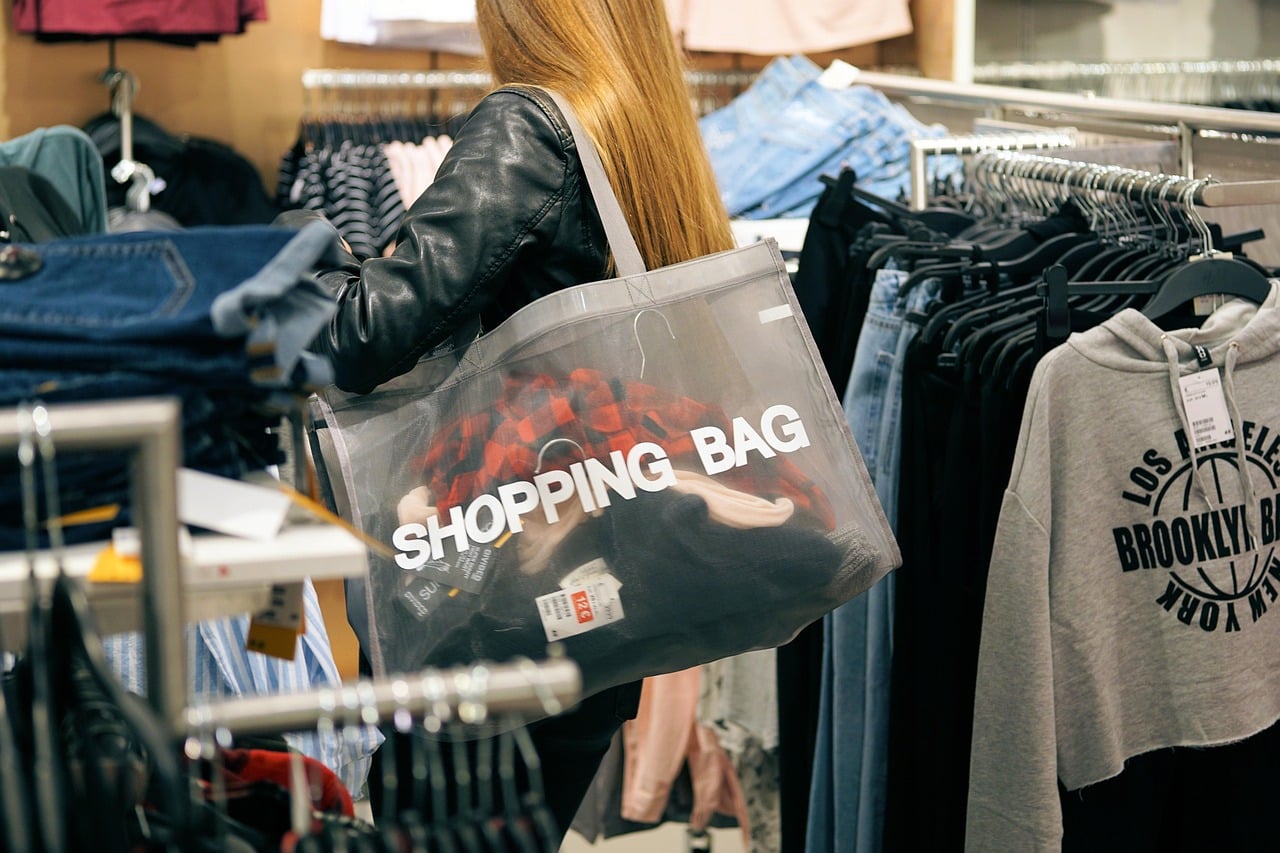
Purchasing clothes at the end of a season often secures steep discounts on high-quality pieces. The secret is storing them until the next season rolls around. When you finally wear them, they appear current because classic styles never truly go out of fashion.
This tactic allows you to dress well without overspending. Friends and coworkers only see stylish attire, never knowing you paid half the price months earlier. It’s an approach that keeps you fashionable while subtly protecting your finances.
Save this article
Repair Instead of Replace

In a world obsessed with newness, choosing to repair an item reflects resourcefulness rather than stinginess. A well-mended leather bag, polished shoes, or a tailored jacket communicates attention to detail and care.
Often, repaired items carry more character than their brand-new counterparts. You demonstrate a sustainable mindset and maintain a polished look while quietly sidestepping unnecessary expenses. It feels thoughtful, not cheap.
Travel Smart, Not Flashy

Travel can be one of the largest discretionary expenses, but planning with care makes it affordable without sacrificing quality. Booking flights early, traveling during off-peak times, and choosing boutique hotels over major chains often result in better experiences for less money.
Your peers notice the destinations and stories, not the price you paid. Choosing experiences that feel unique rather than luxurious ensures your adventures appear intentional rather than budget-driven. The savings remain invisible, but the memories stay priceless.
Learn To DIY Selectively

Doing everything yourself can appear miserly, but applying DIY solutions to certain areas can enhance your image. Home improvement, small furniture refinishing, or even creating your own art for walls, not only saves money but also personalizes your environment.
These projects showcase creativity and skill, making your home or wardrobe distinctive. People see originality and effort rather than frugality. When done well, DIY becomes a mark of pride instead of a money-saving tactic.
Use Technology To Find Discounts

Apps and online platforms provide discreet ways to save. Price comparison tools, digital coupons, and cashback extensions make shopping more efficient. Unlike clipping coupons at a checkout line, these methods stay private.
The result is a seamless shopping experience where you pay less without compromising on quality. To others, it looks like ordinary online purchasing, but in reality, you are consistently trimming costs. According to recent data, 62% of people search for promo codes when making online purchases, highlighting how common this discreet money-saving tactic has become.
Focus on Experiences Over Things

Shifting spending toward experiences rather than material items saves money in subtle ways. A day trip, a nature hike, or a local cultural event often costs less than shopping sprees or luxury goods. Yet these moments provide richer conversations and longer-lasting joy.
Your social presence becomes defined by stories, skills, and adventures rather than possessions. People remember the laughter and shared time, not the price tag. This approach preserves both your finances and your image.
Disclaimer – This list is solely the author’s opinion based on research and publicly available information. It is not intended to be professional advice.
How Total Beginners Are Building Wealth Fast in 2025—No Experience Needed

How Total Beginners Are Building Wealth Fast in 2025
I used to think investing was something you did after you were already rich. Like, you needed $10,000 in a suit pocket and a guy named Chad at some fancy firm who knew how to “diversify your portfolio.” Meanwhile, I was just trying to figure out how to stretch $43 to payday.
But a lot has changed. And fast. In 2025, building wealth doesn’t require a finance degree—or even a lot of money. The tools are simpler. The entry points are lower. And believe it or not, total beginners are stacking wins just by starting small and staying consistent.
Click here and let’s break down how.
5 Easy Steps to Change Any Habit

5 Easy Steps to Change Any Habit
We all click on them with the hope that just THIS time the secret to changing a bad habit or adopting a healthy one will be revealed and we’ll finally be able to stick to that diet, stop that one or ten things that might in the moment make us feel temporarily good but really just make us fat, unhealthy, sad, mad or just frustrated with ourselves.





