Microwaves revolutionized American kitchens, but not every food belongs inside one. More than 95% of U.S. households own a microwave, according to the U.S. Energy Information Administration (EIA), making it one of the most common appliances in the country.
Speed and convenience drive its popularity, yet food safety experts continue to warn that improper microwave use can lead to uneven heating, texture disasters, and even health risks.
The U.S. Department of Agriculture (USDA) notes that microwaves heat food unevenly, which can allow harmful bacteria to survive if internal temperatures don’t reach 165°F.
Meanwhile, consumer research from the International Food Information Council (IFIC) shows that 1 in 4 Americans admit they rarely use a food thermometer when reheating leftovers.
Convenience wins, but safety and quality often lose. Here are 13 foods you shouldn’t microwave.
Hard-Boiled Eggs
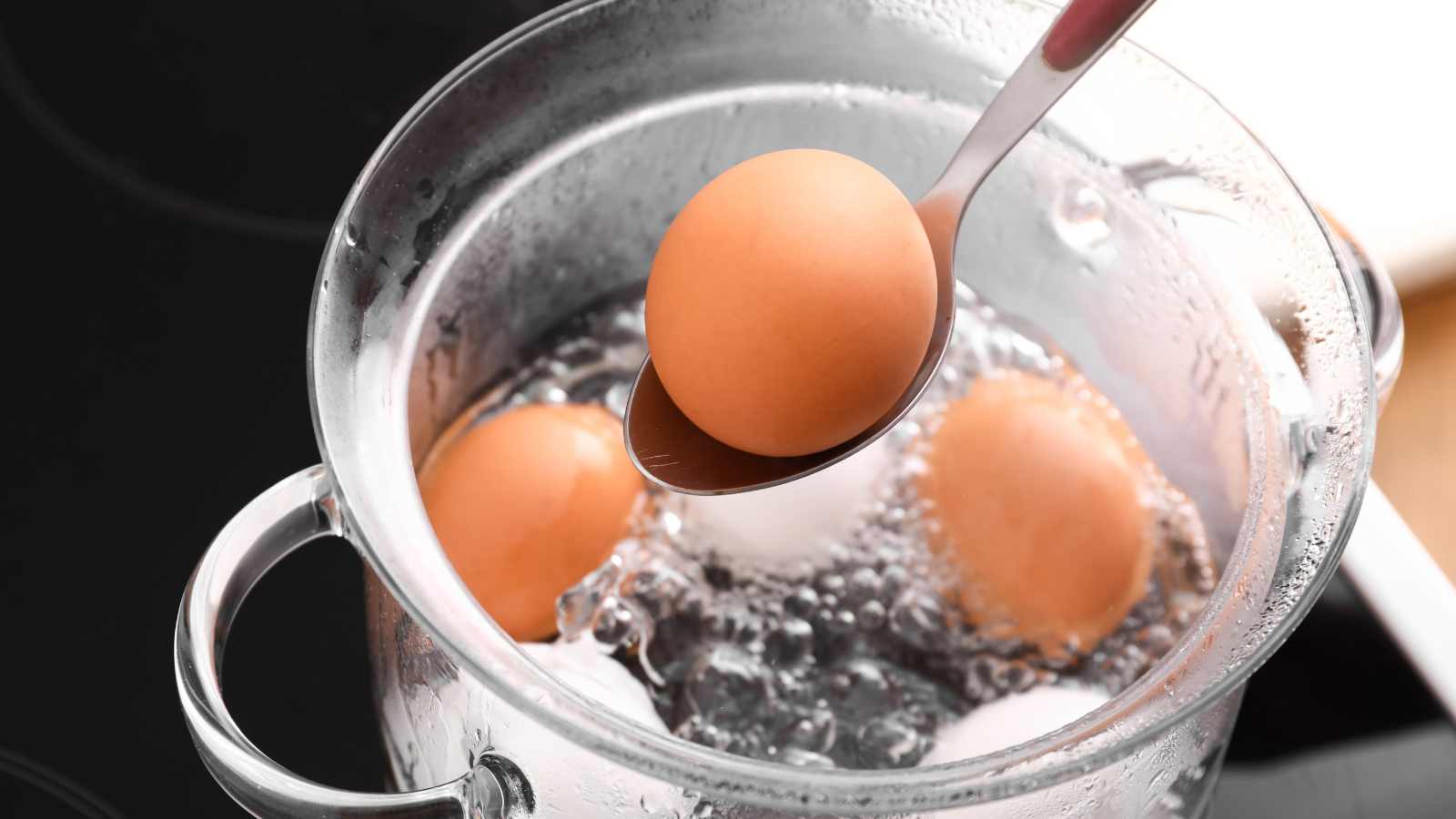
Microwaving a hard-boiled egg can turn a simple snack into a small kitchen explosion. Steam builds rapidly inside the sealed egg white, creating pressure that has nowhere to escape.
The USDA warns that enclosed foods can burst due to steam buildup during microwave heating. Reports published in food safety journals have documented cases of eggs exploding even after removal from the microwave when pierced or bitten into.
Texture also suffers dramatically, turning rubbery within seconds. Traditional reheating in warm water avoids pressure buildup and preserves texture. Convenience might tempt you, but the risk of burns and mess makes microwaving hard-boiled eggs a clear no-go.
Fried Chicken

Crispy fried chicken thrives on contrast, a crunchy exterior, and a juicy interior. Microwave reheating destroys that balance almost instantly. The rapid heating excites water molecules in the meat, releasing steam that softens the breading.
According to culinary testing cited by the National Chicken Council, improper reheating leads to moisture migration that ruins texture. The microwave leaves you with soggy skin and uneven warmth.
Food safety also becomes an issue if thick pieces don’t reach safe internal temperatures. An oven or air fryer restores crispness far more effectively and reduces the risk of cold spots where bacteria could linger.
Steak

Leftover steak deserves better than microwave punishment. High heat causes muscle fibers to contract rapidly, squeezing out moisture and turning a medium-rare cut into chewy disappointment.
The USDA explains that uneven microwave heating can leave some portions overcooked while others remain underheated. Consumer surveys from IFIC show that texture ranks among the top three factors influencing food satisfaction, and microwaving steak completely undermines that.
Gentle reheating in a skillet preserves flavor and prevents the gray, rubbery outcome that microwaves often produce.
Breast Milk

Pediatric experts strongly advise against microwaving breast milk. The Centers for Disease Control and Prevention (CDC) warns that microwaves heat unevenly and can create dangerous hot spots that can burn an infant’s mouth.
Microwaving may also reduce some of the milk’s nutritional and immunological benefits. The American Academy of Pediatrics (AAP) echoes this guidance, recommending warm water baths instead.
Infant feeding demands precision and safety, and microwave shortcuts introduce unnecessary risk.
Chili Peppers

Microwaving chili peppers releases capsaicin into the air. Capsaicin, the compound responsible for spiciness, can be aerosolized and irritate the eyes, throat, and lungs.
Food safety experts cited by the National Institute for Occupational Safety and Health (NIOSH) explain that airborne irritants can trigger coughing and discomfort in enclosed spaces.
Opening the microwave door can release a concentrated burst. Stovetop cooking allows better ventilation and reduces exposure risk.
Processed Meats

Microwaving processed meats such as hot dogs and deli slices can create uneven heating and chemical changes. Research published in food science journals and referenced by the National Institutes of Health (NIH) suggests that high-heat processing of cured meats may accelerate oxidation of preservatives.
While occasional reheating remains common, microwaving at high intensity can produce splitting, dryness, and inconsistent temperatures. Pan heating distributes warmth more evenly and improves texture.
Leafy Greens

Save this article
Leafy greens like spinach can spark in the microwave if residual minerals interact with the appliance’s electromagnetic waves. The USDA Food Safety and Inspection Service (FSIS) notes that certain dense or mineral-rich foods may cause arcing under specific conditions.
Even when sparking doesn’t occur, microwaving often wilts greens into a soggy mass. Quick sautéing retains flavor, structure, and nutrients far better.
Whole Potatoes (Unpierced)
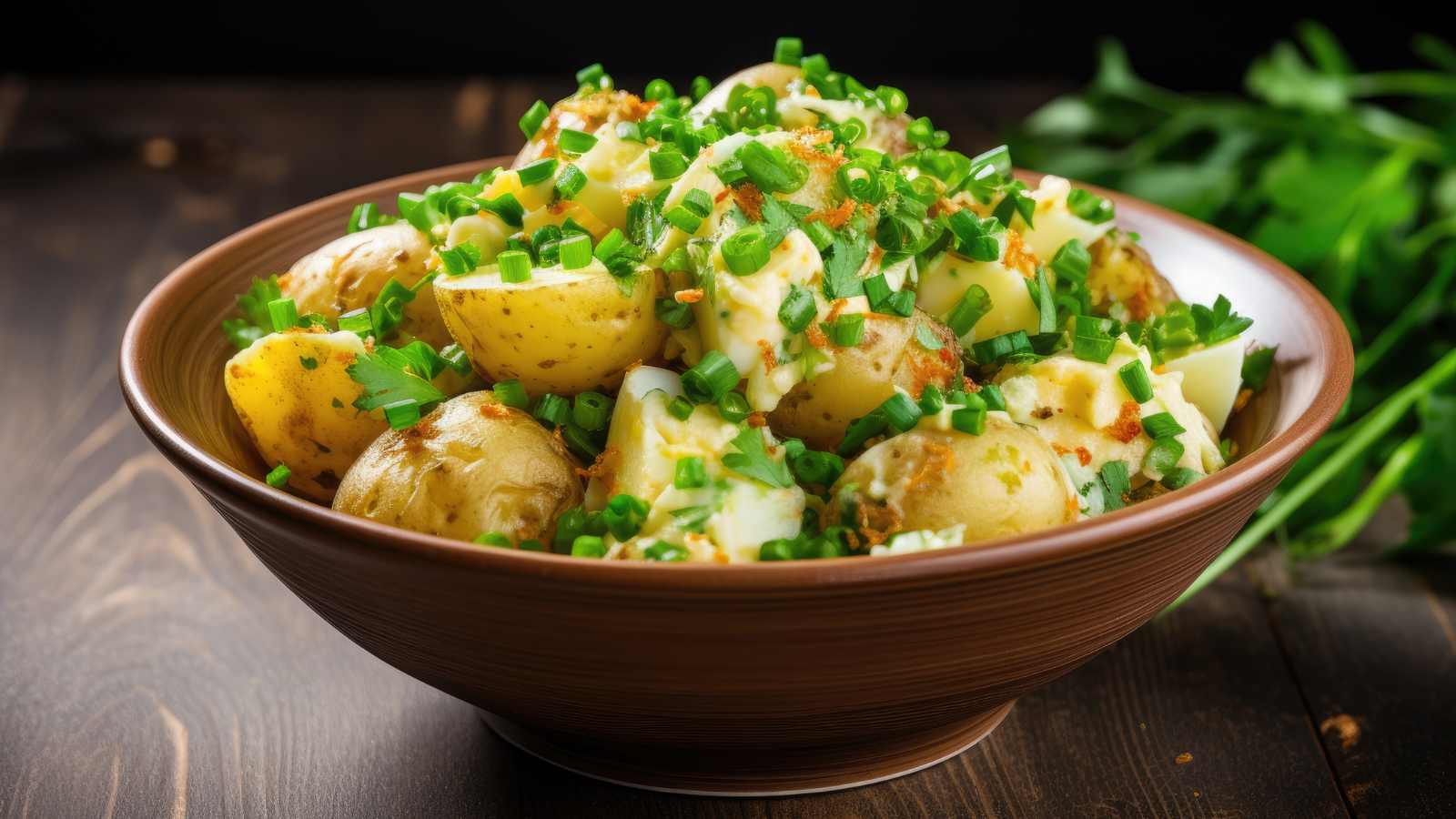
Microwaving a whole potato without piercing the skin traps steam inside. Pressure builds quickly and can cause the potato to rupture. The USDA specifically advises piercing the potato skins before microwave cooking to prevent explosions.
Steam expansion remains one of the most common causes of microwave food bursts. A simple fork puncture prevents mess and reduces burn risk.
Water for Tea

Aleksei Isachenko/ Shutterstock
Superheating presents a surprising hazard. The U.S. Food and Drug Administration (FDA) explains that water heated in a smooth container can exceed boiling temperature without visible bubbles.
Disturbing the water by adding a tea bag or a spoon may trigger sudden, explosive boiling. Burns can result. Heating water on a stovetop produces visible bubbling and more predictable temperature control.
Rice (Improperly Stored)

Rice carries a risk of Bacillus cereus contamination if left at room temperature for too long. The CDC highlights that improperly stored cooked rice can harbor bacteria that survive reheating.
Microwaving does not always heat evenly enough to eliminate already formed toxins. Rapid refrigeration and thorough reheating with stirring significantly reduce risks.
Frozen Fruit

Microwaving frozen fruit might seem like a quick shortcut for topping oatmeal or yogurt, but it often creates a disappointing, watery mess. Freezing forms ice crystals inside fruit cells, and when microwave radiation heats those crystals rapidly, the cell walls rupture unevenly.
The result is collapsed berries, separated juices, and inconsistent hot spots that can partially cook some pieces while leaving others icy. Food science research commonly cited in culinary programs explains that rapid microwave thawing accelerates moisture loss and structural breakdown.
Consumer preference surveys summarized by the International Food Information Council (IFIC) consistently show that texture strongly influences perceived freshness and quality.
Once frozen fruit turns mushy and dull in color, it loses both visual appeal and flavor concentration. Gentle thawing in the refrigerator or a brief stovetop warm-up allows sugars to redistribute gradually, preserving texture and maintaining a more natural taste profile. Speed saves minutes, but it sacrifices quality.
Bread
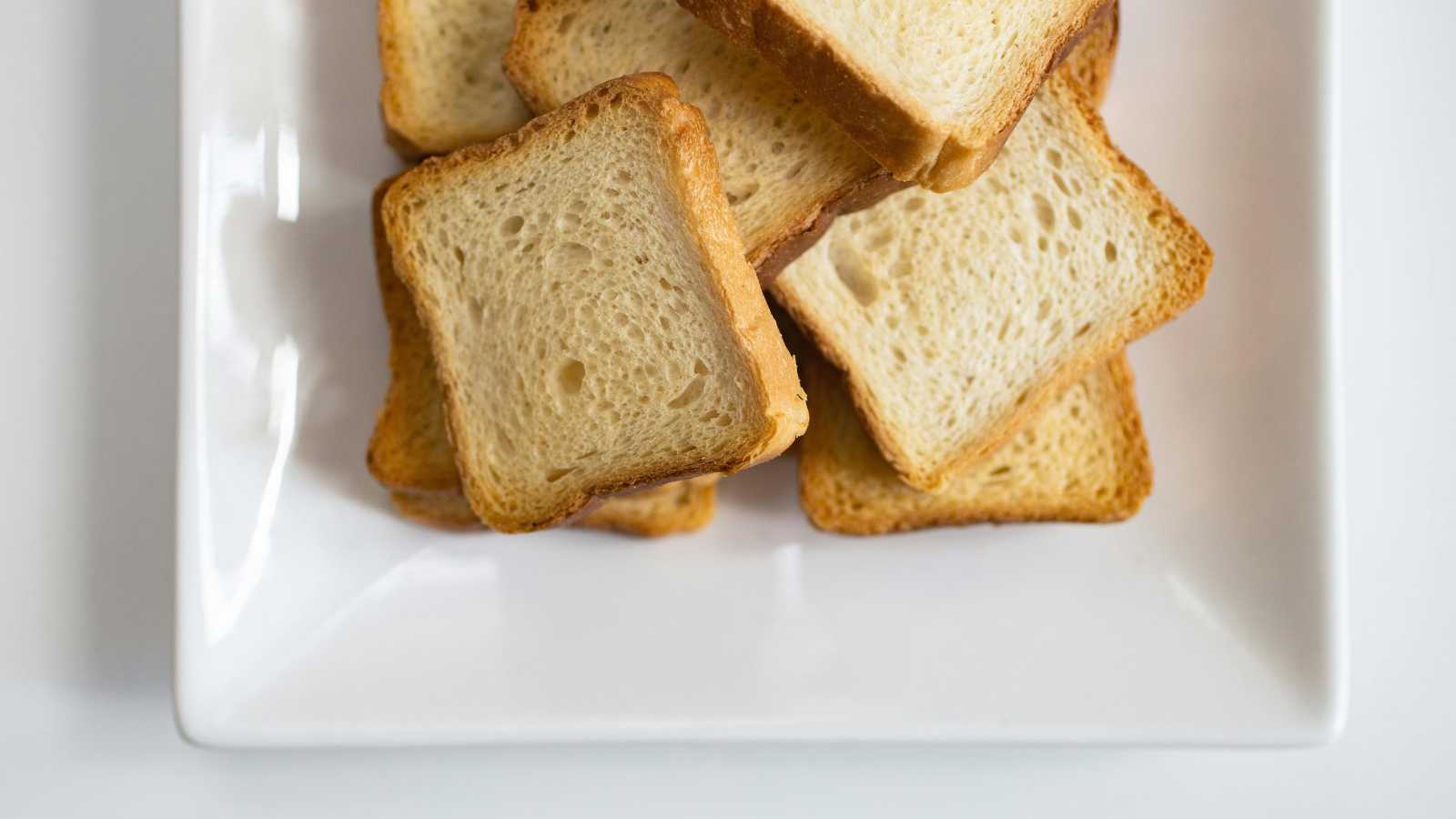
Microwaving bread transforms a soft slice into a rubbery slab within seconds. Microwave energy excites water molecules quickly, forcing moisture to migrate unevenly through the starch structure.
Food science research widely referenced in baking education explains that starch gelatinization and recrystallization accelerate under microwave heating, which is why bread often feels oddly stretchy at first and then turns stiff as it cools.
The U.S. Department of Agriculture (USDA) notes that uneven microwave heating affects both texture and palatability, especially in baked goods. Consumers consistently rank texture as one of the top drivers of satisfaction in IFIC surveys, and microwaved bread fails that test almost immediately.
Toasting, oven reheating, or even a quick skillet warm-up restores crisp edges and enhances flavor through browning reactions that microwaves simply cannot produce. Bread deserves dry heat, not radiation that strips away its structure.
Takeout Containers with Metal or Foam

Sliding takeout straight into the microwave without checking the container can create serious hazards. The U.S. Food and Drug Administration (FDA) clearly advises against placing metal in microwaves because it reflects electromagnetic waves, causing sparks known as arcing that can damage the appliance or start a fire.
Even small metallic accents or handles can trigger problems. Foam containers present a different concern. Some expanded polystyrene products may warp, melt, or potentially leach chemicals when exposed to high heat, especially if not labeled microwave-safe.
The U.S. Department of Agriculture (USDA) also emphasizes transferring leftovers into a glass or microwave-safe ceramic before reheating to reduce contamination and ensure even heating.
Convenience tempts many diners to skip this step, but the risks include appliance damage, chemical exposure, and uneven food temperatures that compromise safety. A quick container swap dramatically reduces those dangers
Key Takeaways

• Uneven heating increases food safety risks, according to the USDA.
• Texture degradation remains one of the biggest quality complaints tied to microwave use.
• Steam buildup can cause explosions in sealed foods.
• Proper storage and reheating practices significantly reduce bacterial risks.
• Microwave convenience should never override safety guidelines issued by the FDA and CDC.
Disclaimer: This list is solely the author’s opinion based on research and publicly available information. It is not intended to be professional advice.
Like our content? Be sure to follow us