Bulk buying isn’t just a trend—it’s one of the most reliable ways households cut costs and save time.
Stocking up on essentials can feel like a small victory, especially when the price tag makes sense. Buying certain groceries in bulk isn’t just about saving a few bucks; it’s about convenience, fewer store trips, and avoiding those awkward self-checkout moments where the machine acts like you’re trying to steal gum. Big retailers know the drill, and that’s why they pack bulk deals like a Disney World souvenir shop. Everything looks tempting, but only a select few items truly deserve a spot in your cart.
The trick is to pick the items that won’t spoil quickly, fit into your lifestyle, and actually save you money without cluttering your pantry. It’s not about hoarding or pretending your kitchen is a mini grocery store. It’s about being smart with your choices and skipping the things that turn into science experiments after a week. Here’s a list of grocery items that consistently deliver the best bang for your buck when you buy them in large quantities.
Rice
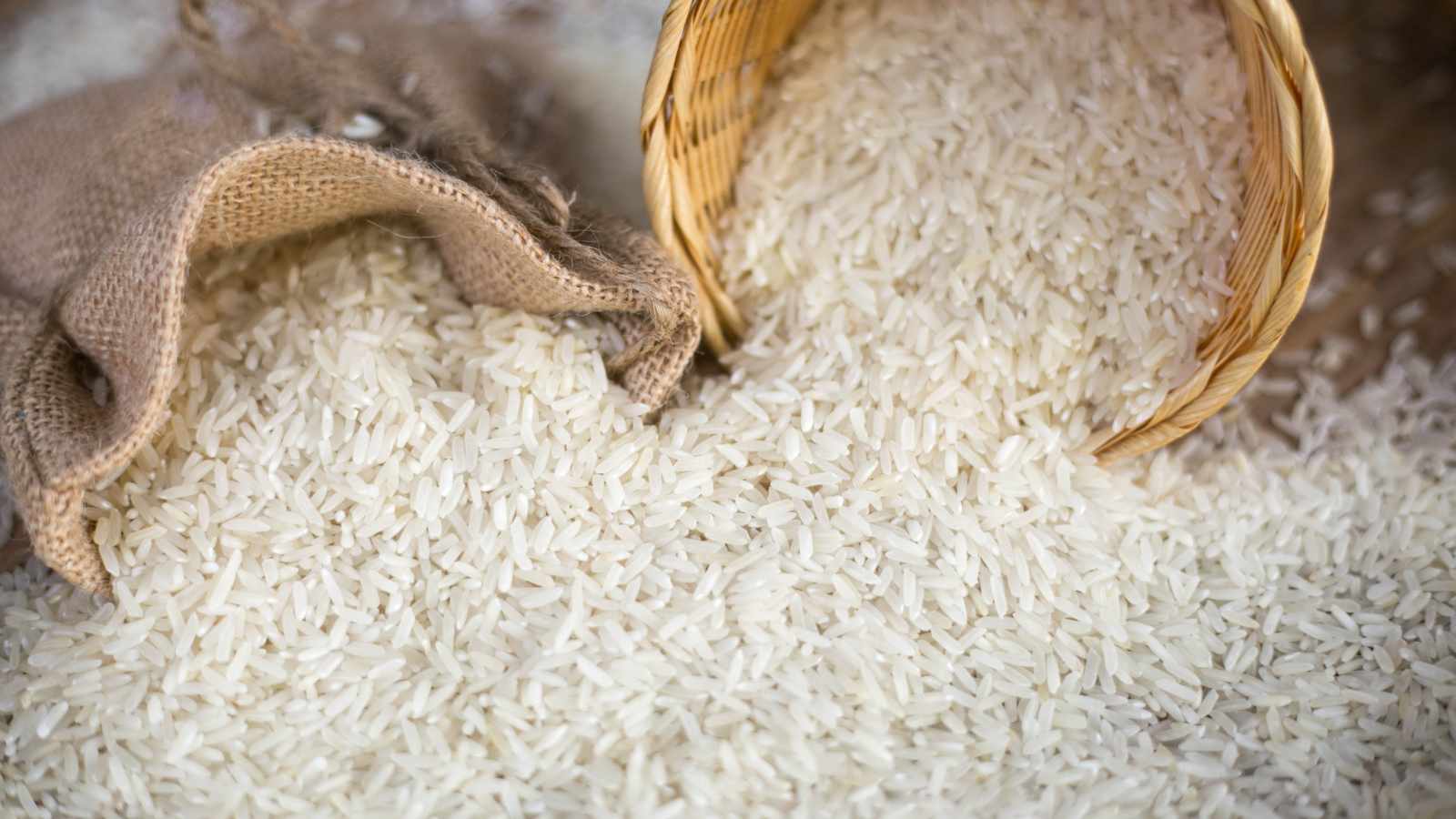
Rice lasts a long time, doesn’t require special storage, and pairs well with a variety of meals. Whether you’re making stir-fry, burrito bowls, or just something to soak up extra sauce, rice is a safe bet. Buying a large bag saves the need for repeated trips to the store and usually cuts the cost per pound significantly. If you’re short on space, consider a storage bin that keeps items fresh and pest-free.
Pasta
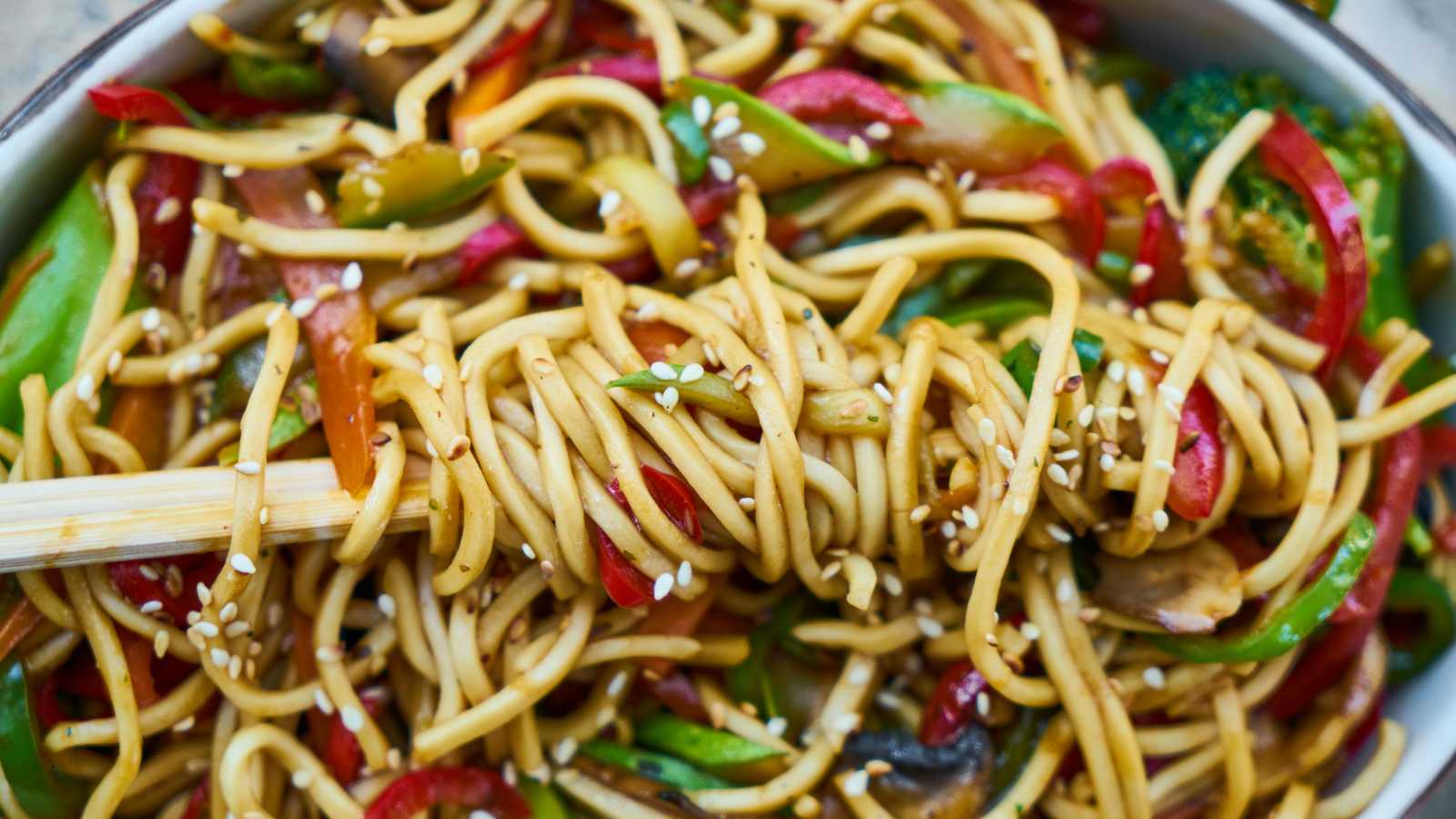
Dry pasta has an impressive shelf life and can be turned into dinner in under 15 minutes. From spaghetti nights to quick lunches, pasta never goes out of style. Stocking up means you’ll always have a base for hearty meals, even when your fridge looks empty. Be sure to store it in a cool, dry place to maintain its texture and flavor.
Canned Beans
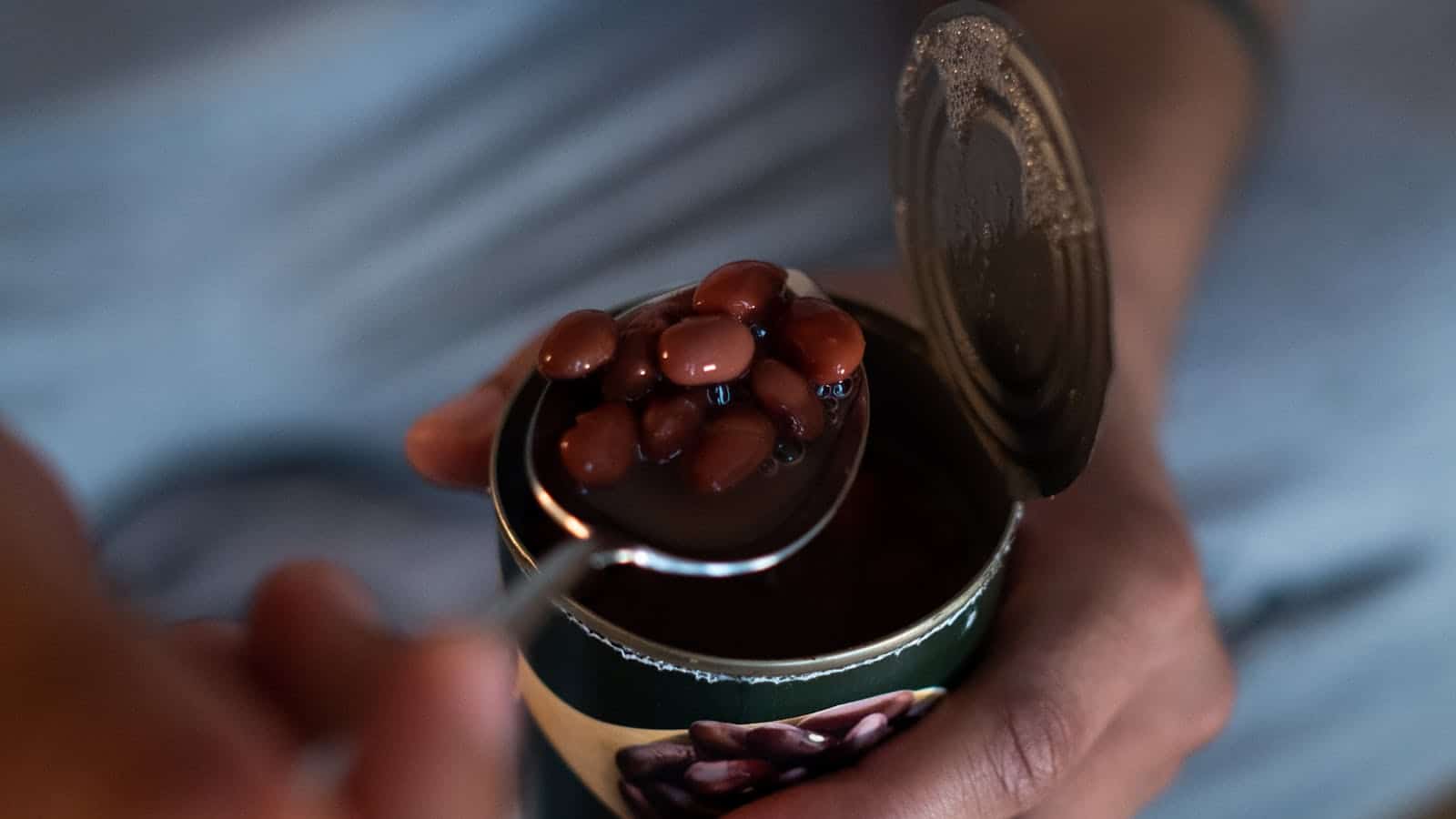
Beans are versatile, nutritious, and surprisingly filling. They make a quick protein boost for soups, salads, or tacos. Buying them in bulk significantly lowers the price compared to purchasing single cans, and they have an almost indestructible shelf life. Just remember, opening ten cans at once might make your kitchen smell like a campfire meal gone wrong; pace yourself.
Peanut Butter
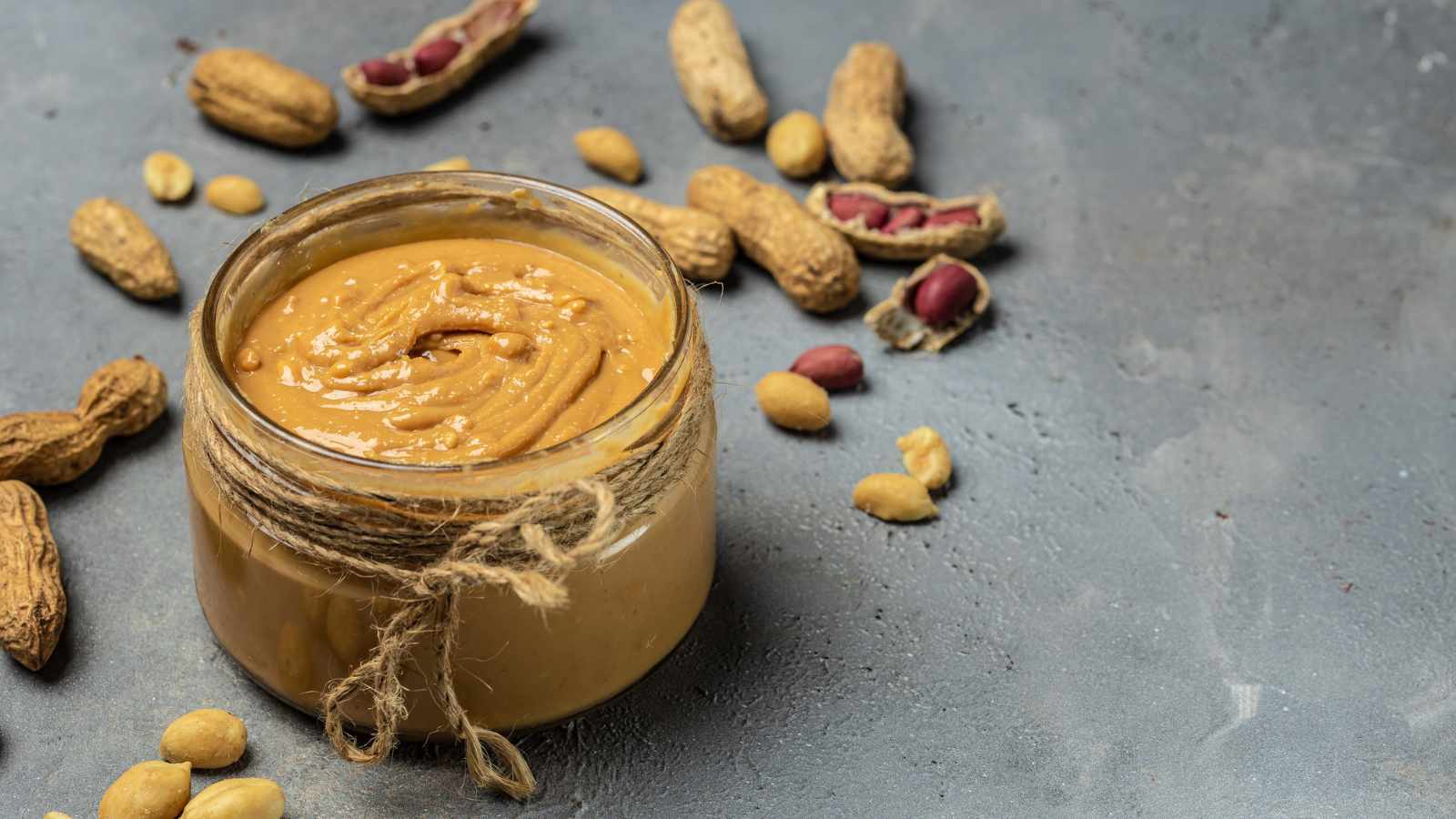
This jar of joy doesn’t just belong to kids. Peanut butter works in sandwiches, smoothies, and even some desserts. The larger containers often cost much less per ounce and last months if stored properly. For anyone who needs quick snacks without a big fuss, this is a smart bulk buy.
Oats
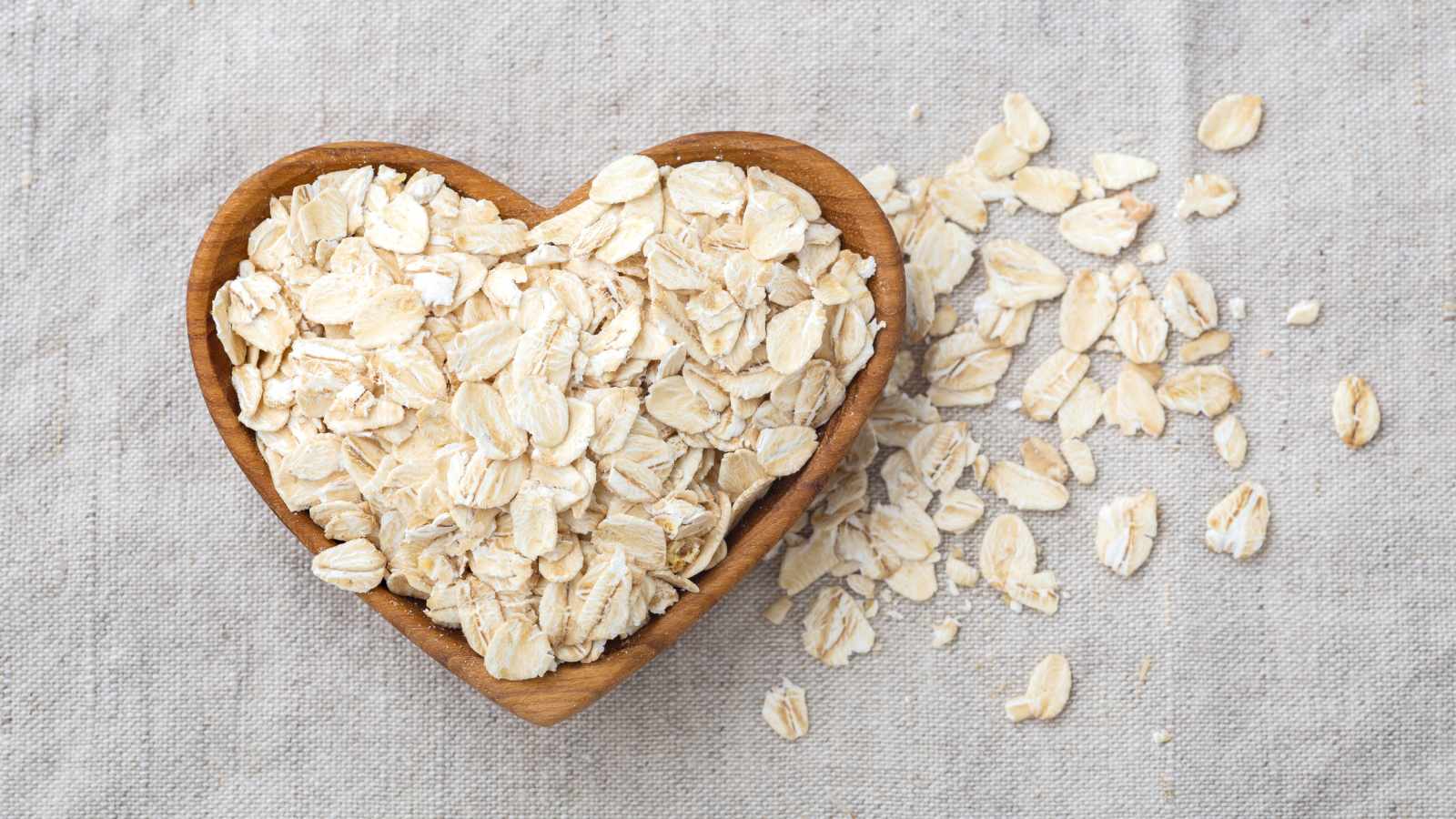
Breakfast in bulk? Absolutely. Oats are inexpensive, filling, and versatile, working well in more than just oatmeal. They can be used in granola, cookies, and even savory dishes. They don’t require refrigeration and remain suitable for extended periods if sealed. Toss them in an airtight container to keep them fresh, and you’ve got an easy, healthy staple on hand.
Frozen Vegetables
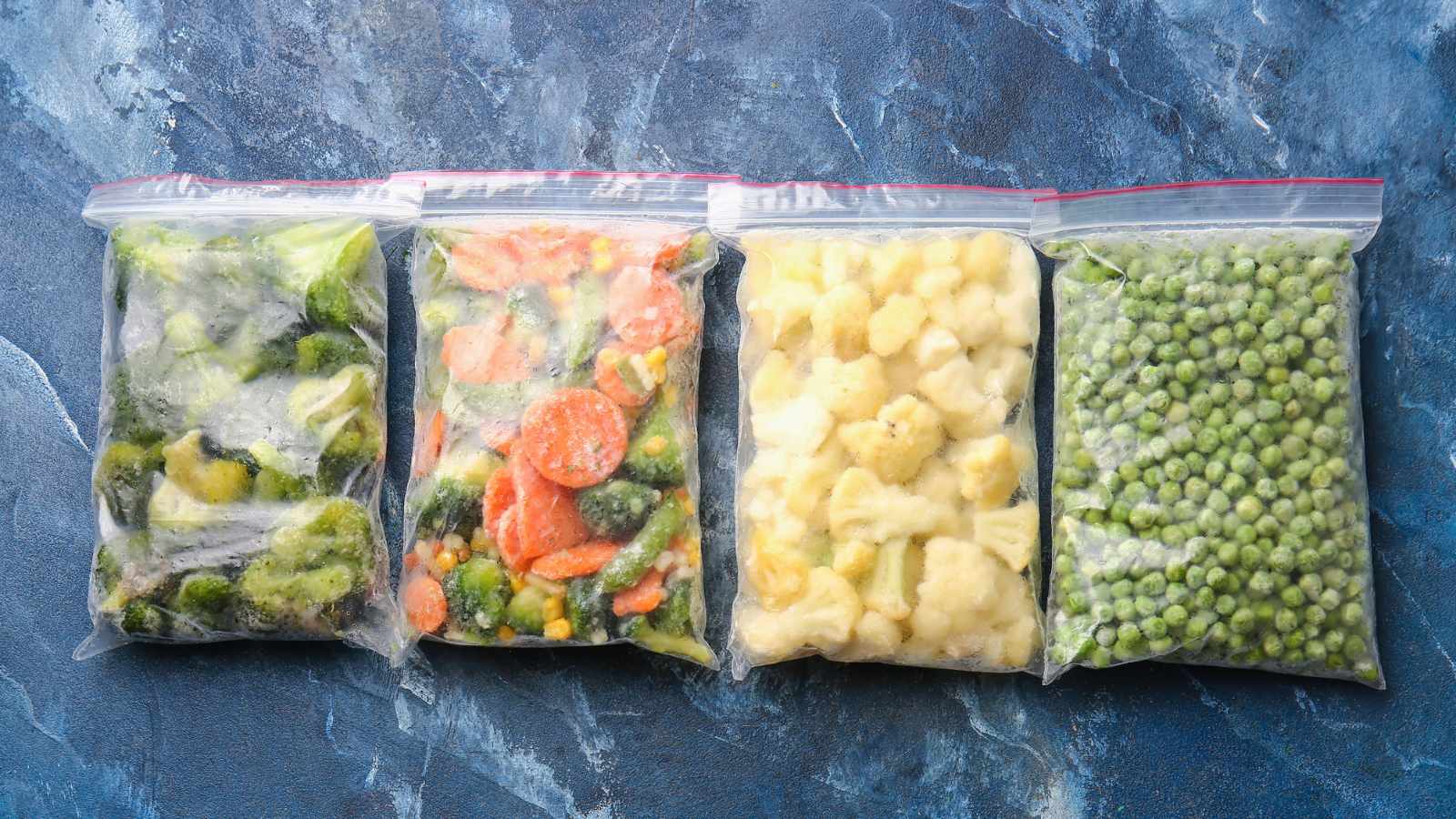
Fresh veggies can wilt faster than your excitement on a Monday morning, but frozen vegetables retain their quality for months without losing much flavor or nutrition. They make weeknight dinners easier and save you from last-minute trips to the grocery store. Buying large packs from big retailers is usually more affordable, and it reduces food waste.
Cheese

Hard cheeses, such as cheddar or parmesan, hold up well and can be frozen if necessary. Buying in bulk means you can slice, shred, or cube as much as you want without breaking the bank. Just store it properly, and you’ll have the perfect companion for pasta, sandwiches, and even those late-night snacks you’re not legally allowed to call a meal.
Coffee

If your morning starts with coffee, buying small packs feels like a crime against your wallet. Large containers or bags offer the best savings, especially if you stick to one blend. Store it in an airtight container, away from light and moisture, to preserve its flavor. Bonus: you’ll avoid the horror of running out on a Monday morning.
Cooking Oil

Oil has a long shelf life and is essential for frying, baking, and dressings. The price per ounce drops significantly with bigger bottles. While storing giant containers might feel like a hassle, transferring oil into smaller bottles makes it easy to use without spills. To maintain quality, avoid storing it near heat sources.
Toilet Paper

Not exactly food, but let’s be honest, nobody wants to run out of toilet paper. Bulk packs from big retailers can save you from last-minute trips to the grocery store and awkward situations. They don’t expire, they don’t require special care, and they are always put to use. Just make sure you have space to store them.
Flour

If you bake often, flour in bulk is a no-brainer. It works for bread, pancakes, and so many other treats. Please store it in a sealed container in a cool, dry spot to prevent bugs and clumping. Buying big saves money, and it spares you from realizing mid-recipe that you’re short by half a cup.
Meat
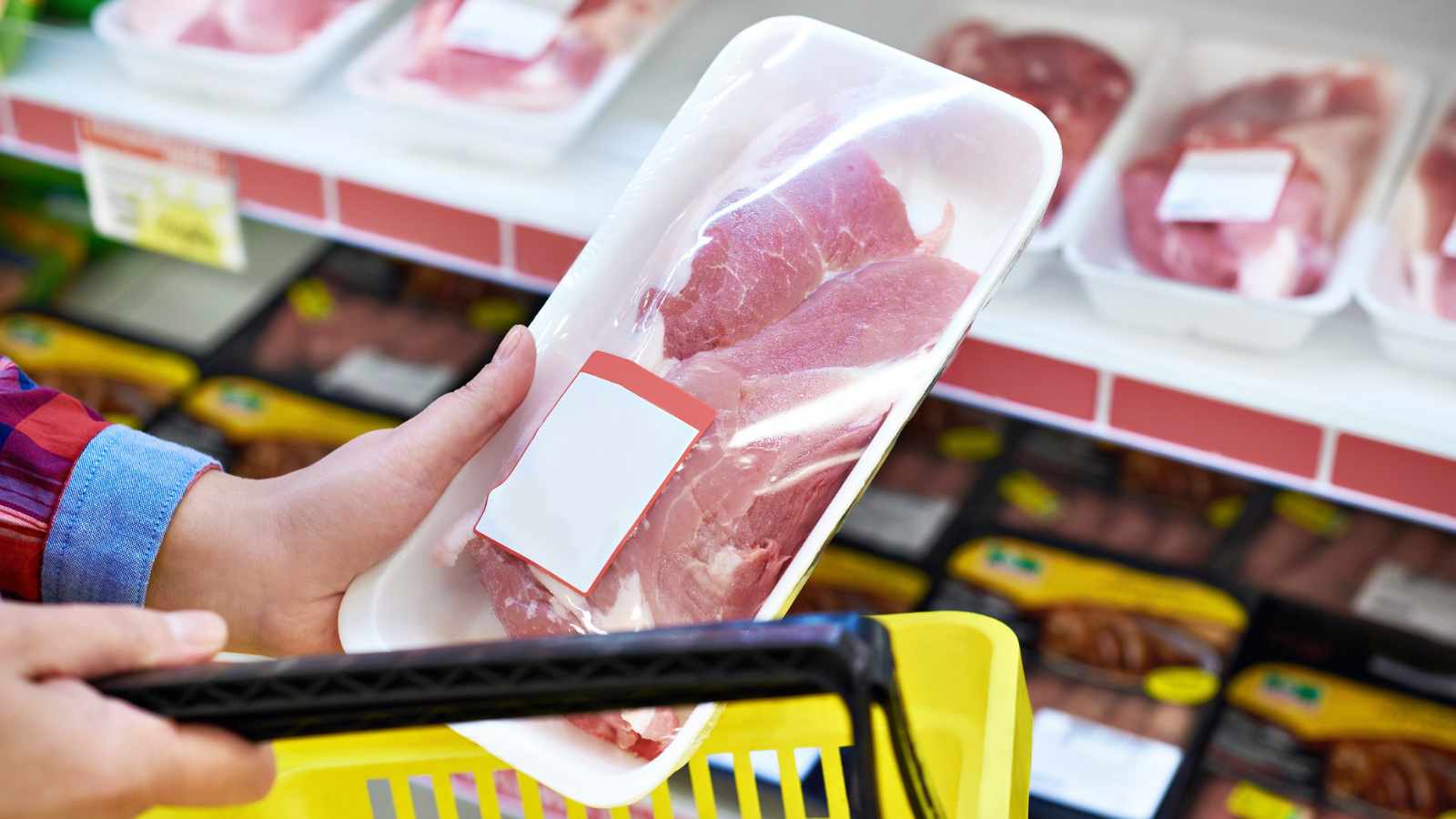
Buying meat in bulk from grocery stores or warehouse clubs can save a fortune. Freezing portions means you have ready-to-cook options for weeks, maybe months. Chicken breasts, ground beef, and even fish can be handled well during freezing if appropriately wrapped. Just avoid cramming so much in your freezer that it looks like you’re prepping for a rare animal rescue mission.
Paper Towels
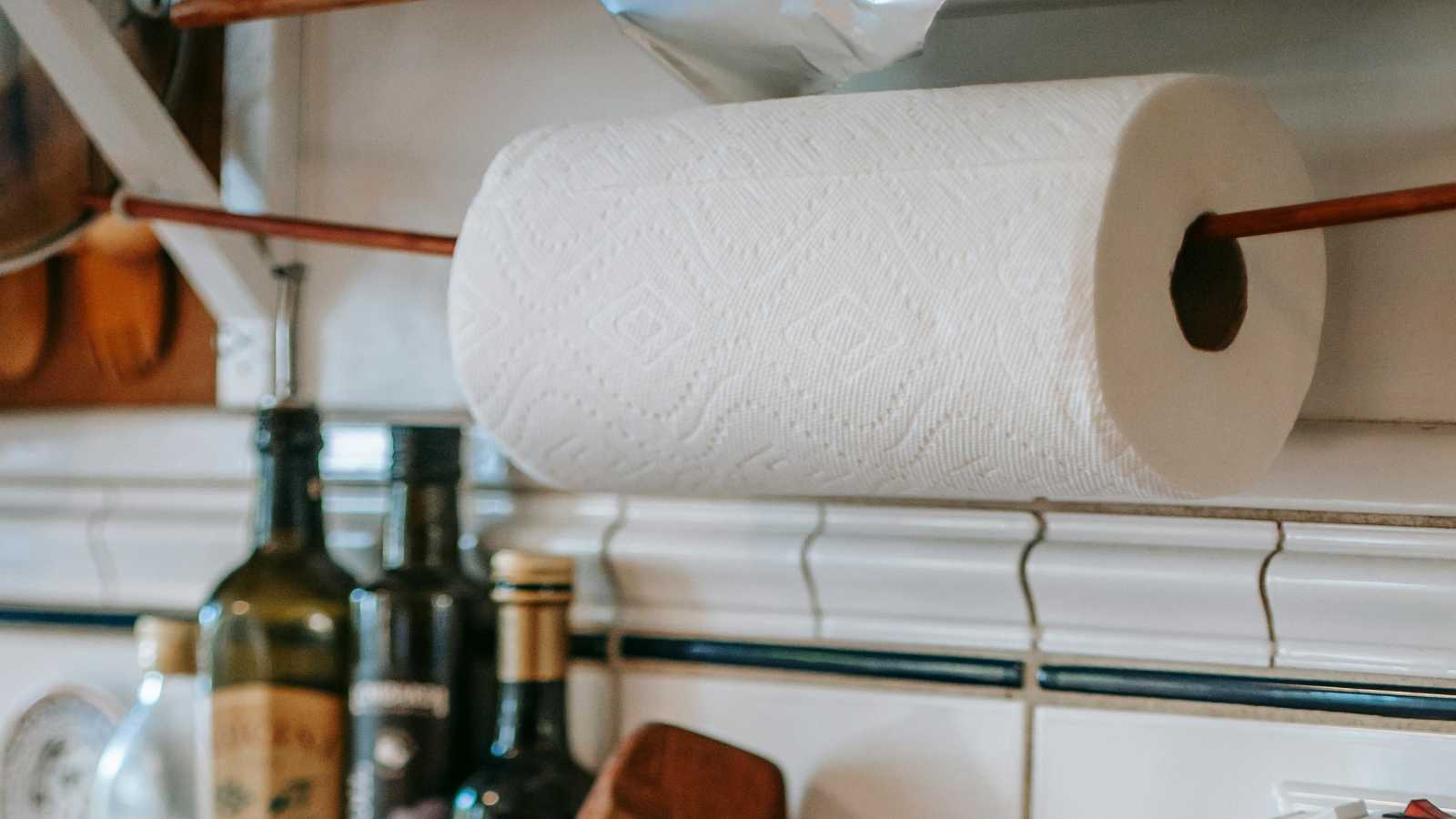
Another non-food item that earns its place in bulk buying. Paper towels are handy for spills, cleaning, and even making makeshift napkins. They’re cheaper in large packs and last a long time, so you’ll never find yourself drying your hands on your jeans again.
Disclaimer – This list is solely the author’s opinion based on research and publicly available information. It is not intended to be professional advice.
Like our content? Be sure to follow us.
How Total Beginners Are Building Wealth Fast in 2025—No Experience Needed

How Total Beginners Are Building Wealth Fast in 2025
I used to think investing was something you did after you were already rich. Like, you needed $10,000 in a suit pocket and a guy named Chad at some fancy firm who knew how to “diversify your portfolio.” Meanwhile, I was just trying to figure out how to stretch $43 to payday.
But a lot has changed. And fast. In 2025, building wealth doesn’t require a finance degree—or even a lot of money. The tools are simpler. The entry points are lower. And believe it or not, total beginners are stacking wins just by starting small and staying consistent.
Click here and let’s break down how.
5 Easy Steps to Change Any Habit

5 Easy Steps to Change Any Habit
We all click on them with the hope that just THIS time the secret to changing a bad habit or adopting a healthy one will be revealed and we’ll finally be able to stick to that diet, stop that one or ten things that might in the moment make us feel temporarily good but really just make us fat, unhealthy, sad, mad or just frustrated with ourselves.