Adult picky eating is emerging as a significant health concern, with new research revealing that long-held childhood food aversions are negatively impacting nutrition and overall well-being.
We all know that person who picks the green bits out of their lasagna or refuses to eat anything with a “weird” texture. A fascinating study by Duke Medicine found that adult picky eating is surprisingly common and often linked to psychosocial impairment, suggesting that our food refusals may be doing more than just limiting our palate. We frequently cling to childhood food aversions well into adulthood, treating the dinner plate like a battlefield rather than a source of nourishment.
It is time to stop eating like a toddler and start looking at food as fuel for a high-performance life. While you might prefer a burger after a long commute, skipping nutrient-dense powerhouses is a missed opportunity for vitality. These thirteen foods might have a bad reputation, but they are nutritional goldmines that can transform your body if you are brave enough to take a bite.
Anchovies

These tiny, salty fish are often the punchline of a bad pizza joke, but they are packed with flavor and nutrients. They dissolve into sauces, adding a depth of savory flavor that you can’t quite put your finger on but always enjoy. They are rich in niacin and selenium, supporting healthy cell function.
If you are concerned about how they might affect your breath, causing fishy breath, brush your teeth after eating. The culinary payoff of a good Caesar dressing or pasta sauce is worth the risk. They are the secret weapon of great chefs everywhere.
Canned Sardines

If you can get past the smell, you will find one of the most potent superfoods on the planet packed into a tiny tin. Sardines are essentially a multivitamin in fish form, rich in calcium and Vitamin D. According to the Cleveland Clinic, a single serving of sardines provides a substantial amount of Omega-3 fatty acids, which are essential for heart health and brain function.
They are also incredibly sustainable and inexpensive, making them a smart move for your financial goals. You can mash them on toast with avocado or toss them into a pasta dish for a salty kick. It is a small fish that delivers a massive return on investment for your body without breaking your budget.
Red Beets

Beets often get a bad rap because they taste like “dirt” to some people, a flavor caused by a compound called geosmin. However, that earthy flavor is the taste of potent medicine that can lower blood pressure and boost athletic performance. Drinking beet juice has been shown to lower blood pressure in patients with hypertension significantly.
If roasting them feels like too much work for a Tuesday night recipe, try buying them precooked or pickled. They add a vibrant pop of color to salads that is pure visual inspiration on a plate. Your body will thank you for the nitrates that help improve blood flow and stamina.
Seaweed and Nori

Most people only encounter seaweed when it is wrapping up their sushi rolls, but it deserves a starring role in your diet. It is one of the best natural sources of iodine, an essential mineral for thyroid function. Without enough iodine, your metabolism can slow down, leaving you feeling sluggish and tired.
It is also rich in antioxidants that can support skin health and help combat cellular damage. You can snack on dried nori sheets instead of chips when you are craving something salty. It brings the flavor of the beach to your pantry without the sand.
Brussels Sprouts

These miniature cabbages were the enemy of children everywhere for decades, mainly because our parents boiled them into a gray, mushy mess. But when prepared correctly, they are a delicious source of Vitamin K and fiber. One cup contains over 100% of your daily Vitamin K needs, which is crucial for bone health.
The key is to roast them until they are crispy and caramelized, perhaps with a bit of bacon or balsamic glaze. This transforms them from a punishment into a side dish worthy of a feast. It is a vegetable redemption arc that everyone should experience at least once.
Beef Liver

This is the heavy hitter that makes most people cringe, but liver is colloquially known as “nature’s multivitamin.” It is incredibly dense in Vitamin A, B12, and iron, far surpassing the nutrient profile of muscle meat like steak.
If the texture or strong flavor bothers you, try mixing small amounts of ground liver into your burgers or meatloaf. It is a stealthy way to upgrade your food intake without having to confront a whole steak of organ meat. You get all the benefits without the “ick” factor.
Silken or Firm Tofu
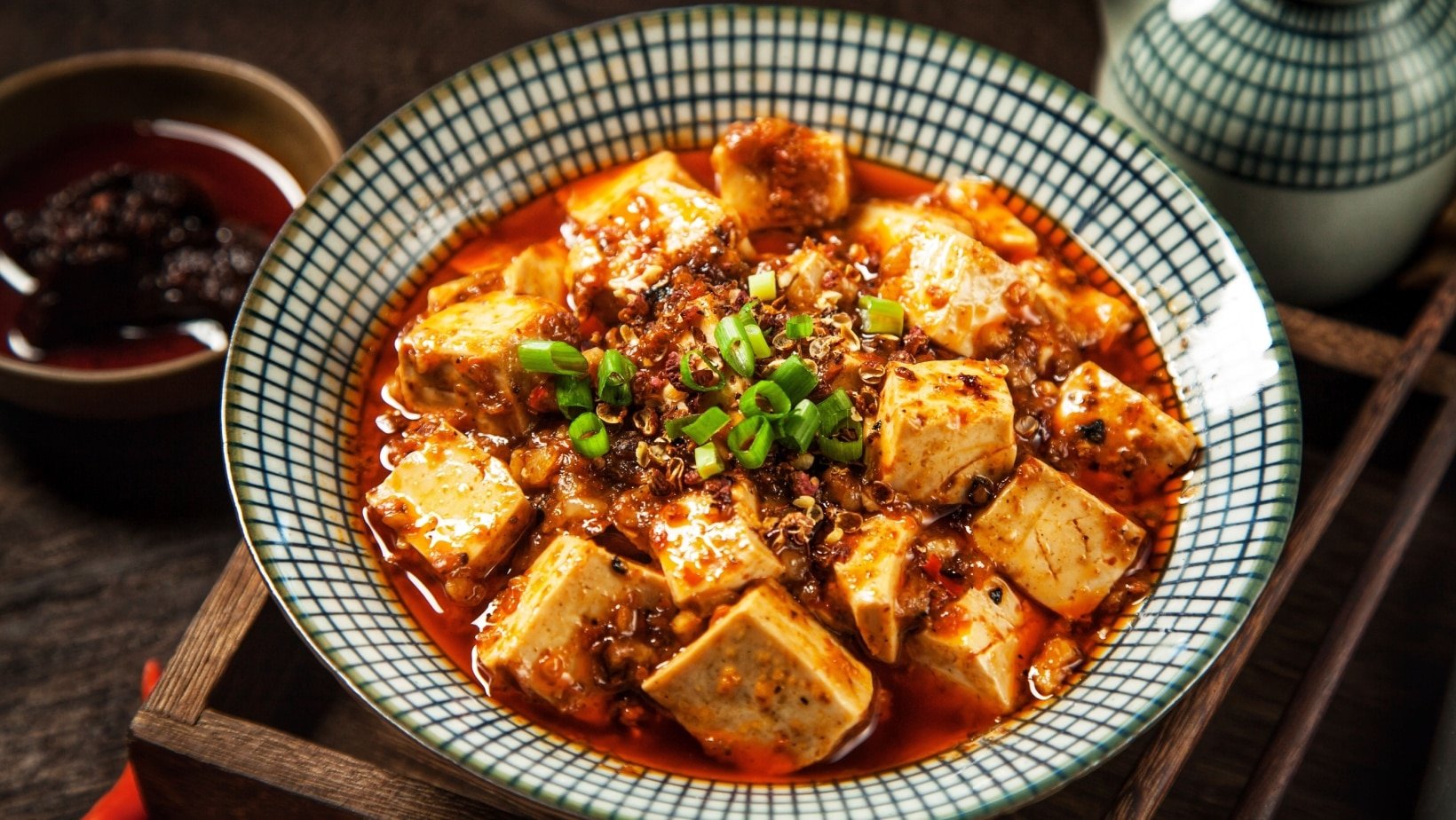
Tofu is often dismissed by meat-eaters as bland and soggy because it hasn’t been cooked properly. In reality, it is a high-protein, low-calorie sponge that absorbs whatever delicious sauce you cook it in. It is a staple of a plant-based lifestyle that can be crispy, savory, and incredibly satisfying.
It is also incredibly affordable, which is helpful when budgeting for the month. You can scramble it like eggs for a high-protein breakfast or fry it for a stir-fry dinner. It is versatile enough to be anything you want it to be.
Dried Prunes

We tend to associate prunes with nursing homes, but they are actually a powerhouse for keeping your skeleton strong. Eating just 5-6 prunes a day can prevent bone loss. They are sweet, chewy, and perfect for grabbing on the go.
Save this article
They are also great for digestion, keeping your system moving smoothly so you feel light and energetic. Think of them as a natural gummy candy that supports your long-term mobility. It is a simple addition to your daily routine that pays off in spades later in life.
Mushrooms

Some people hate the texture of fungi, but mushrooms are one of the few non-animal sources of Vitamin D when exposed to sunlight. A massive 2021 study from Penn State University found that people who ate mushrooms daily had a 45% lower risk of cancer compared to those who did not. That statistic alone should make you reconsider the mushroom.
They add a deep, savory “umami” flavor to dishes that can mimic meaty flavors, making them ideal for a wide range of recipes. Whether you sauté them for an omelet or roast them as a side, they are a staple that shouldn’t be skipped. They are low in calories but high in disease-fighting power.
Lentils

Lentils are often overlooked in favor of more glamorous superfoods, but they are a nutritional powerhouse that costs pennies per serving. A single cup provides 18 grams of protein and 16 grams of fiber, vastly outperforming most other plant foods. They are the ultimate tool for saving money while maximizing nutrition.
They cook quickly without soaking, making them perfect for a busy weeknight meal after work. You can make a big batch of soup that freezes well, securing your lunch finance plan for the week. They are humble, hearty, and perfect for you.
Cottage Cheese

The texture of cottage cheese is a dealbreaker for many, but it is arguably the best high-protein snack in the dairy aisle. One cup can contain up to 28 grams of protein, which is excellent for muscle repair and satiety. It has recently gone viral on social media, inspiring high-protein hacks.
You can blend it into pancake batter or smoothies to hide the lumps if the texture bothers you. It adds a creamy, rich texture to sauces without the fat of heavy cream. It is a retro dish making a massive comeback for a reason.
Sauerkraut

Fermented cabbage may have a slightly funky smell, but it is teeming with probiotics essential to a healthy gut microbiome. A healthy gut is linked to everything from a strong immune system to better mood regulation. It is one of the few foods that actually get healthier the longer they sit in the jar.
Just be careful not to feed it to your pet, as the high salt content isn’t good for them. For you, however, a tablespoon a day is a great way to keep your digestion on track. It adds a crunchy, tangy zip to sandwiches and sausages.
Okra

Okra is infamous for its “slime,” which is actually a soluble fiber called mucilage that supports digestion and blood sugar control. It is a staple in Southern cooking that deserves more love nationwide.
To avoid the slime, try roasting it at high heat or frying it until it is crispy. It takes on an incredible, grassy flavor that pairs perfectly with spicy dips. It is a unique vegetable that brings variety to your dinner rotation.
Key Takeaway

Picky eating is a habit we can break to unlock a world of health benefits. By incorporating nutrient-dense foods, we can improve our vitality, save money, and discover new flavors that make every meal an adventure rather than a chore.
Disclaimer: This list is solely the author’s opinion based on research and publicly available information. It is not intended to be professional advice.
Disclosure: This article was developed with the assistance of AI and was subsequently reviewed, revised, and approved by our editorial team.
12 Laws And Rules About Food In Other Countries

12 Laws And Rules About Food In Other Countries
Food is more than just nourishment; it’s a reflection of culture, tradition, and, in many cases, the law. Around the world, various countries have established distinct food regulations that may surprise travelers and food enthusiasts alike.
These laws reveal how deeply societies value what ends up on their plates. Here are 12 fascinating food laws and rules from around the globe that show just how diverse and sometimes unexpected our relationship with food can be.
15 Foods From the ’60s Most Boomers Loved With a Passion

15 Foods From the ’60s Most Boomers Loved With a Passion
The 1960s were a period of profound social and cultural transformation in America. As the baby boomer generation came of age, they embraced new ideas, fashion trends, and music styles. And when it came to food, some beloved dishes defined this era.
Here are 15 foods from the ’60s that most boomers loved passionately.