

Pressure washing has become the ultimate tool for tackling dirt, grime, and mildew on properties. With the global pressure washer market predicted to hit a whopping $3.42 billion by 2025, it’s clear this cleaning method has surged in popularity. Over 32,000 businesses in the U.S. alone now offer pressure washing services.
However, while it’s undeniably effective, a pressure washer in the wrong hands can lead to disaster. Don’t roll the dice on unnecessary repairs. We’ve rounded up 13 common items you absolutely shouldn’t pressure wash. Learn what to avoid, why it matters, and stay on track with your cleaning mission.
Windows and Glass

Pressure washing windows might seem like a shiny idea, but this move can wreak havoc—especially on double-pane glass. High-pressure water, often exceeding 1,500 PSI, can crack or even shatter window panes, compromising seals. Once seals are broken, moisture can seep between panes, leading to fogging that reduces insulation and drives up energy costs.
Experts warn that pressure washing can also damage weather stripping and frames, resulting in costly repairs or replacements. That’s why professionals recommend using gentle methods, such as a squeegee, soft cloth, or low-pressure hose, to keep your windows spotless without risk.
Electrical Panels and Meter Boxes

Blasting high-pressure water into anything that houses electricity is a recipe for chaos. This is because water conducts electricity and can seep into outlets, cords, or fixtures, potentially causing electrical hazards. This intrusion can interrupt electrical functions, trigger short circuits, or even cause electrocution, with repair bills that skyrocket beyond expectation.
Electric pressure washers themselves pose risks if used near wet surfaces or damaged cords, increasing the chance of shock or fire. In addition to technical damage, safety risks also loom large, including fatal injuries and property damage that can occur when safety protocols are ignored.
Roof Shingles

Roof shingles may look sturdy, but they don’t stand a chance against a pressure washer, especially asphalt ones, which rely on protective granules to shield against UV rays and weather damage. High-pressure water can strip away these granules, shortening the roof’s lifespan and making it vulnerable to leaks, mold, and insulation issues.
Pressure exceeding 1,500 PSI can dislodge shingles entirely or force water underneath, leading to costly structural damage. Many manufacturers even void warranties if improper cleaning methods damage shingles. That’s why experts recommend soft washing or hiring a professional to clean roofs safely without compromising their integrity.
Painted Surfaces

Considering refreshing your painted exteriors with your pressure washer? Think again; high-powered streams, especially those exceeding 1,500 PSI, can strip paint and expose bare siding or woodwork beneath. This accelerates wear and tear, leaving surfaces vulnerable to UV damage, moisture intrusion, and eventual rot.
Improper technique or nozzle choice can also cause water to accumulate behind siding, leading to mold growth and structural issues. Unless you’re planning to repaint, steer clear of applying pressure to these surfaces and opt for gentler methods, such as soft washing or hand scrubbing.
Wood Siding and Decks

At first glance, wood might appear tough, but it’s no match for excessive water pressure, especially when pressure exceeds 1,500 PSI. Pressure washing can splinter delicate wood surfaces, strip away protective finishes, and even cause surface etching or tiger striping if the nozzle is held too close to the surface.
The high-pressure stream forces moisture deep into the wood fibers, which can lead to warping, mold growth, and long-term structural damage. In some cases, trapped water may even compromise insulation behind wood siding, especially if the seal is breached. Opt for proper wood care with softer, controlled cleaning methods.
Old or Weathered Brick and Mortar

Classic brick and mortar might seem indestructible, but older materials crumble under pressure, especially when exposed to water jets exceeding 1,000 PSI. High-pressure washing can erode weathered surfaces, chip bricks, and dislodge mortar joints, compromising structural integrity and inviting moisture intrusion.
This damage is widespread in historic or aged brickwork, where softer mortar and porous bricks are more vulnerable to cracking and spalling. Experts recommend using low-pressure settings (around 500–800 PSI) and wide-angle nozzles to avoid these risks.
Concrete Surfaces

Concrete seems invincible, but even this hardwearing material has its limits—especially when pressure washing exceeds 2,500 PSI or uses narrow nozzles that concentrate force. Incorrect technique can lead to surface etching, pitting, and even micro-cracks that compromise structural integrity over time.
Repeated high-pressure cleaning also erodes the top layer, exposing aggregate and reducing the concrete’s lifespan. Experts recommend using fan-shaped nozzles (25–40 degrees), maintaining a distance of 12–18 inches, and starting with lower pressure settings to minimize damage.
Vehicles

Your car, boat, or motorcycle wasn’t built for the intensity of a pressure washer—especially when pressure exceeds 2,000 PSI. Water jets can strip paint, remove wax coatings, and damage rubber seals, leaving surfaces exposed to corrosion and UV wear. Worse, high-pressure streams can force water into sensitive electronic components, such as wiring harnesses or control modules, triggering short circuits or costly malfunctions.
Car detailing professionals recommend maintaining a distance of at least 12 inches and using wide-angle nozzles to minimize the risk of damage to the vehicle’s paint. For best results, wash cars with gentle hands and specialized tools, such as microfiber mittens, foam cannons, or low-pressure hoses designed specifically for automotive surfaces.
Air Conditioners

Save this article
Air conditioner units rely on delicate aluminum fins to maintain airflow. Still, pressure washers can easily bend, puncture, or restrict these components—especially when pressure exceeds 200 PSI. Damaged fins reduce heat exchange efficiency, forcing the system to work harder and driving up energy bills.
Worse, water intrusion from high-pressure jets can reach electrical components, causing shorts, corrosion, or even voiding the manufacturer’s warranty. Experts strongly advise against pressure washing and instead recommend using a soft brush, vacuum with a brush attachment, or a garden hose with low pressure to clean the condenser coils safely.
Exterior Vents and Soffits

When high-pressure water collides with vents or soffits, prepare for disaster. Moisture can seep into attic, dryer, or bathroom vents, leading to mold growth, insulation damage, and even electrical malfunctions if wiring is exposed.
Soffit vents, often made of vinyl or aluminum, can be easily bent or clogged by pressure exceeding 1,000 PSI, compromising ventilation and inviting moisture buildup. Experts recommend using low-pressure settings and wide fan nozzles to avoid damaging these delicate components.
Plants and Landscaping

Pressure washing might be great for hard surfaces, but a misstep near your garden could result in the loss of your favorite plants—especially when the pressure exceeds 1,500 PSI. A strong jet stream can shred flowers, strip bark off trees, compact soil, and uproot delicate shrubs, disrupting root systems and plant health.
Chemical runoff from pressure washing can also burn leaves or contaminate soil, leading to long-term damage. Experts recommend using wide-angle nozzles, biodegradable cleaners, and maintaining a safe distance of at least two feet from vegetation to minimize the risk of damage.
Antique Furniture and Decorations

Family heirlooms, vintage pieces, and antiques should never meet the force of a pressure washer, especially when pressure exceeds 1,500 PSI. The jets can distort delicate wood, warp intricate carvings, and strip away aged finishes that are often irreplaceable. High-pressure water may also force moisture deep into joints or veneers, leading to swelling, cracking, or mold growth over time.
According to safety guidelines, fragile or painted surfaces are particularly vulnerable to etching and permanent damage. When cleaning cherished belongings, take a gentler approach with soft cleaning cloths, handheld sprayers, or specialized restoration techniques to preserve their beauty and history.
Humans and Pets

A pressure washer is no toy; its jets can deliver over 2,000 PSI, enough force to puncture skin, cause deep lacerations, and leave severe bruising. High-pressure injection injuries may appear minor but can lead to severe tissue damage, infections, or even compartment syndrome if untreated.
For pets, the risk is just as real; their thinner skin and smaller size make them especially vulnerable to trauma from misdirected sprays. Children are also at risk, as accidental exposure can result in severe wounds or eye injuries from flying debris.
Disclaimer – This list is solely the author’s opinion based on research and publicly available information. It is not intended to be professional advice.
6 Gas Station Chains With Food So Good It’s Worth Driving Out Of Your Way For
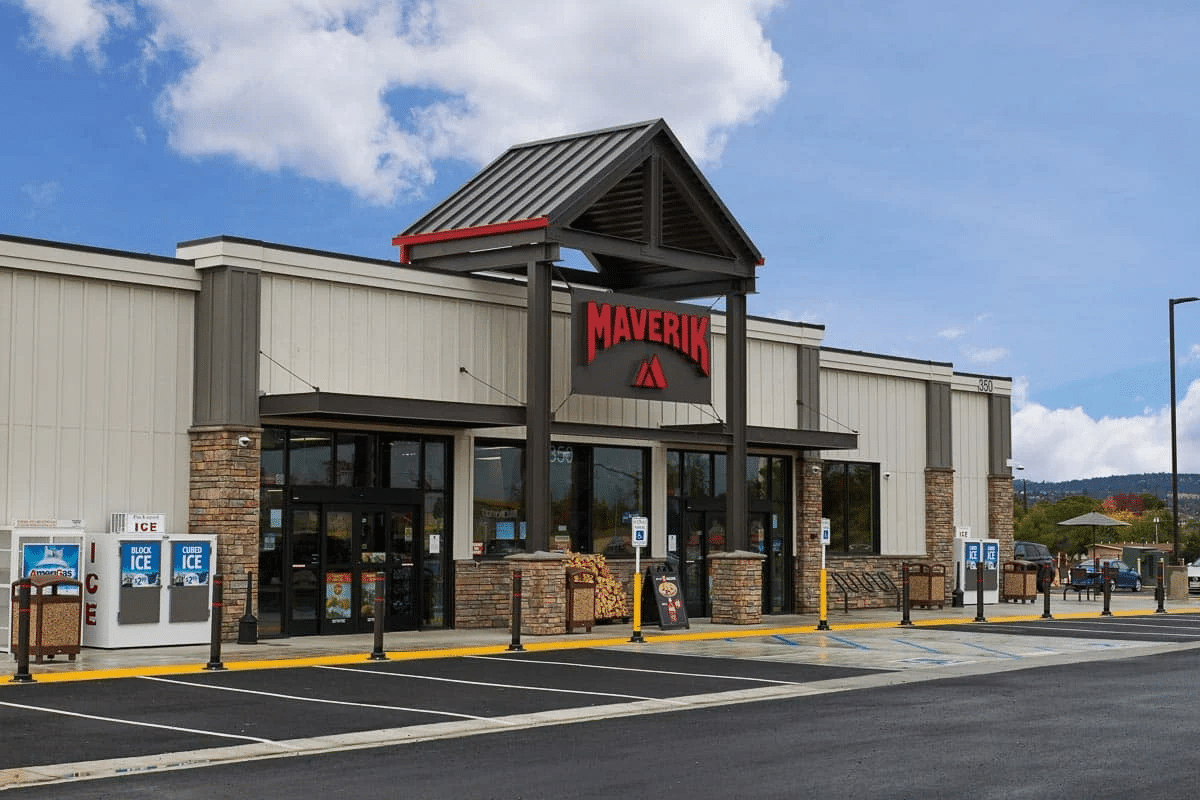
6 Gas Station Chains With Food So Good It’s Worth Driving Out Of Your Way For
We scoured the Internet to see what people had to say about gas station food. If you think the only things available are wrinkled hot dogs of indeterminate age and day-glow slushies, we’ve got great, tasty news for you. Whether it ends up being part of a regular routine or your only resource on a long car trip, we have the food info you need.
Let’s look at 6 gas stations that folks can’t get enough of and see what they have for you to eat.
16 Grocery Staples to Stock Up On Before Prices Spike Again
16 Grocery Staples to Stock Up On Before Prices Spike Again
I was in the grocery store the other day, and it hit me—I’m buying the exact same things I always do, but my bill just keeps getting higher. Like, I swear I just blinked, and suddenly eggs are a luxury item. What’s going on?
Inflation, supply-chain delays, and erratic weather conditions have modestly (or, let’s face it, dramatically) pushed the prices of staples ever higher. The USDA reports that food prices climbed an additional 2.9% year over year in May 2025—and that’s after the inflation storm of 2022–2023.
So, if you’ve got room in a pantry, freezer, or even a couple of extra shelves, now might be a good moment to stock up on these staple groceries—before the prices rise later.





