Get ready, because the kids are rewriting the rules of the economy. Gen Z now represents 40% of consumers worldwide with $360 billion in disposable income in the U.S. alone. They’re not just buying differently—their refusal to buy is causing entire industries to crumble.
This isn’t random. It’s driven by a core set of values: digital convenience, ethical transparency, and a healthy dose of financial pragmatism. Understanding this shift is the key to seeing where our economy is headed.
Cable TV subscriptions

For Gen Z, cable TV is akin to a relic from a bygone era. They’re “cord-nevers” who grew up with on-demand streaming as the default, making scheduled programming feel ancient and absurdly expensive.
According to an Attest survey, only about one-third of Americans aged 18-29 still get their TV through cable—a massive drop since 2015.
Their viewing habits are from another planet. A UK study found that 16-24-year-olds watch a mere 20 minutes of live TV per day, but spend nearly an hour and a half on platforms like YouTube and TikTok.
The whole concept of a “TV show” is being redefined. For them, the cable competition isn’t just Netflix; it’s a TikTok creator filming a skit in their bedroom.
The 9-to-5 office grind

Gen Z is ghosting the traditional 9-to-5 office, but don’t assume they all want to work from their couch. Here’s the twist: they’re actually the least likely generation to enjoy a fully remote job.
A May 2025 Gallup poll found that their overwhelming preference is a hybrid model. But here’s the paradox—they’re also the most likely group to wish their coworkers would work from home less often.
It comes down to loneliness and career anxiety. Unlike their older peers who already have established networks, Gen Zers desperately need the in-person mentorship and social connections that are nearly impossible to replicate over Slack.
Gen Z isn’t killing the office; they’re killing the mandatory, unproductive, and rigid way we’ve been forced to use it.

For Gen Z, Facebook is the social media equivalent of a landline—something their parents use. The platform’s user base is aging fast, with less than 3% of users aged 13-17.
Research shows that young adults aged 18-24 spend only 22 minutes per day on Facebook—a full 10 minutes less than the average user.
When asked where they spend their time, Gen Z overwhelmingly favors YouTube, Instagram, and TikTok, with Facebook ranking as a distant fourth. Consumer insights reveal that some rely on TikTok for product discovery.
The shift is from a “social network” to a “content network.” Gen Z doesn’t want to build a polished online resume; they want to be entertained and see content that feels real.
Mined diamonds

The classic “a diamond is forever” slogan doesn’t resonate with a generation that values ethical transparency. Gen Z is opting for lab-grown diamonds over mined alternatives, which are often more affordable, larger, and free from the “blood diamond” stigma.
Industry research shows lab-grown diamonds now make up nearly 50% of engagement ring purchases in 2025—a dramatic shift.
The diamond industry built its value on scarcity and tradition. Lab-grown diamonds are neither. By choosing them, Gen Z is proving that they, not the industry, get to define what has value.
A round of drinks

The “sober curious” movement isn’t a niche trend; it’s mainstream for Gen Z. Driven by health, mental wellness, and financial concerns, they are drinking significantly less alcohol than previous generations.
An NCS Solutions survey found that 65% of Gen Zers plan to drink less in 2025. The majority plan to consume less to improve their mental health. They’re tired of the “hang-xiety” that comes with a night of drinking.
They are enthusiastically embracing alternatives, with the highest usage of low- and non-alcoholic drinks among all generations.
This isn’t about giving up on socializing. It’s about uncoupling it from alcohol. For Gen Z, it’s an active lifestyle choice that comes with its own culture and consumer demands.
Shopping at department stores

The traditional department store is an inefficient and uninspiring model for Gen Z. They prefer the thrill of discount stores, the curated experience of specialty retailers, or the endless aisle of online shopping.
According to the International Council of Shopping Centers 2023 Gen Z Report, department stores account for 21% of Gen Z’s favored shopping destinations. They are far more likely to be found at T.J. Maxx, Walmart, or dollar stores.
So why the hate? They’re mediocre at everything. They lack the rock-bottom prices of a discounter, the unique “vibe” of a specialty store, and the seamless convenience of Amazon. The jack-of-all-trades department store is a master of none.
CDs and DVDs

Born into a world of Spotify and Netflix, the concept of owning physical media is foreign to Gen Z. For them, music and movies have always been about instant access, not ownership.
Physical media sales have plummeted—revenue from DVDs and Blu-rays slumped below $1 billion in 2024, representing a staggering 93.75% decline from their peak.
According to research, Gen Z 18-24 year-olds spend approximately 59% of their TV time on streaming platforms, far eclipsing live cable (13%) or broadcast TV (9%).
But there’s a fascinating exception: vinyl records. Vinyl sales have seen 18 consecutive years of growth, driven almost entirely by younger consumers. Why? Because vinyl offers something streaming can’t: a tangible, aesthetic, and collectible experience.
Gen Z isn’t anti-physical media; they are anti-low-value physical media.
Cold, hard cash

Save this article
As the first truly digital-native generation, Gen Z’s financial life happens on their phones. For them, cash is slow, inconvenient, and untrackable. Peer-to-peer apps and digital wallets are the default for everything from splitting a pizza to buying groceries.
According to NIQ research, mobile-based peer-to-peer (P2P) transactions now account for more than two-thirds of all such transfers, surpassing traditional bank transfers. While they haven’t completely ditched cash—37% still use it for in-person transactions—their preference is clear.
But the shift is about more than just convenience. P2P apps have turned money into a social interaction. Sending a Venmo request with a string of emojis is a low-friction, almost playful way to handle what used to be an awkward conversation.
Paper napkins

This one is simple, practical, and a little bit ruthless. Why buy a single-use product when paper towels do the same job and more?
A Washington Post report found that while 86% of millennials bought paper towels, only 56% bought napkins.
A napkin has one job. A paper towel can serve as a napkin, clean up a spill, act as a makeshift plate, or dry your hands. For a financially pragmatic generation, buying two separate paper products when one can do both jobs doesn’t make sense.
If a product doesn’t provide clear, practical value, it’s on the chopping block.
Canned tuna

Canned tuna is a victim of inconvenience. For a generation raised on fresh food delivery and grab-and-go meals, finding a can opener, draining the can, and mixing the tuna is too much work.
Canned tuna sales have plummeted 42% over the last three decades, according to industry reports.
The decline highlights Gen Z’s “frictionless” expectation for food. Any food product that requires multiple steps or specialized tools is at a significant disadvantage. Convenience is no longer just a feature—for Gen Z, it’s the entire product.
Luxury logos for status

Gen Z isn’t impressed by flashy logos. Their definition of “luxury” is more about quality and sustainability than broadcasting wealth.
They practice “affordable affluence,” trading down on everyday items to afford meaningful indulgences, such as specialty coffee or resale sneakers, according to retail analysts.
For this generation, the status symbol is no longer the logo itself, but the knowledge required to acquire the item. It’s a shift from passive consumption to active, knowledgeable curation.
Traditional banks

Why walk into a physical building when you can do all your banking from an app, 24/7, with lower fees? Gen Z views traditional banks as slow and outdated, instead flocking to digital-first neobanks.
According to financial research, Gen Z values convenience above all else and is quick to switch for better mobile experiences. However, traditional banks are not yet dead. A surprising portion of Gen Z say physical branches are essential for “peace of mind.”
What Gen Z truly wants is a hybrid model—a flawless digital experience for daily transactions with the security of a traditional institution as a safety net.
The fast fashion buy-and-toss mindset

Here we have Gen Z’s great contradiction. While they’re the most vocal generation about sustainability, their shopping habits are fueling ultra-fast fashion giants like Shein.
Many are considered eco-friendly shoppers according to sustainability studies, yet they shop at fast-fashion retailers every single month. So how do they square the circle? They “offset” their fast fashion buys—many buy secondhand items and rent clothing.
Gen Z isn’t killing fast fashion; they are killing the guilt associated with it by balancing their consumption.
Key takeaway

Gen Z’s consumer habits aren’t random. They reflect a generation that values digital-first convenience, financial pragmatism, and ethical transparency above all else.
They’re systematically dismantling products that are inconvenient, opaque, or offer poor value. The message to brands is clear: adapt to these values or join the growing list of things Gen Z has left behind.
Disclaimer – This list is solely the author’s opinion based on research and publicly available information. It is not intended to be professional advice.
Like our content? Be sure to follow us.
How to Save on International Money Transfers: What Banks Don’t Tell You

How to Save on International Money Transfers
Normally, I’d question the secret fees that are hidden in my bank’s international money transfer services. While banks sometimes advertise low transfer fees, they usually do not mention the substantial exchange rate margins that quietly siphon money out of your funds. It shouldn’t be expensive to send money overseas.
I’ve discovered seven practical strategies anyone can use to save on international money transfers. Whether you’re sending a hundred dollars to a family member or paying for a service in a foreign country, these tactics will help you hold onto more of your hard-earned cash.
6 Gas Station Chains With Food So Good It’s Worth Driving Out Of Your Way For
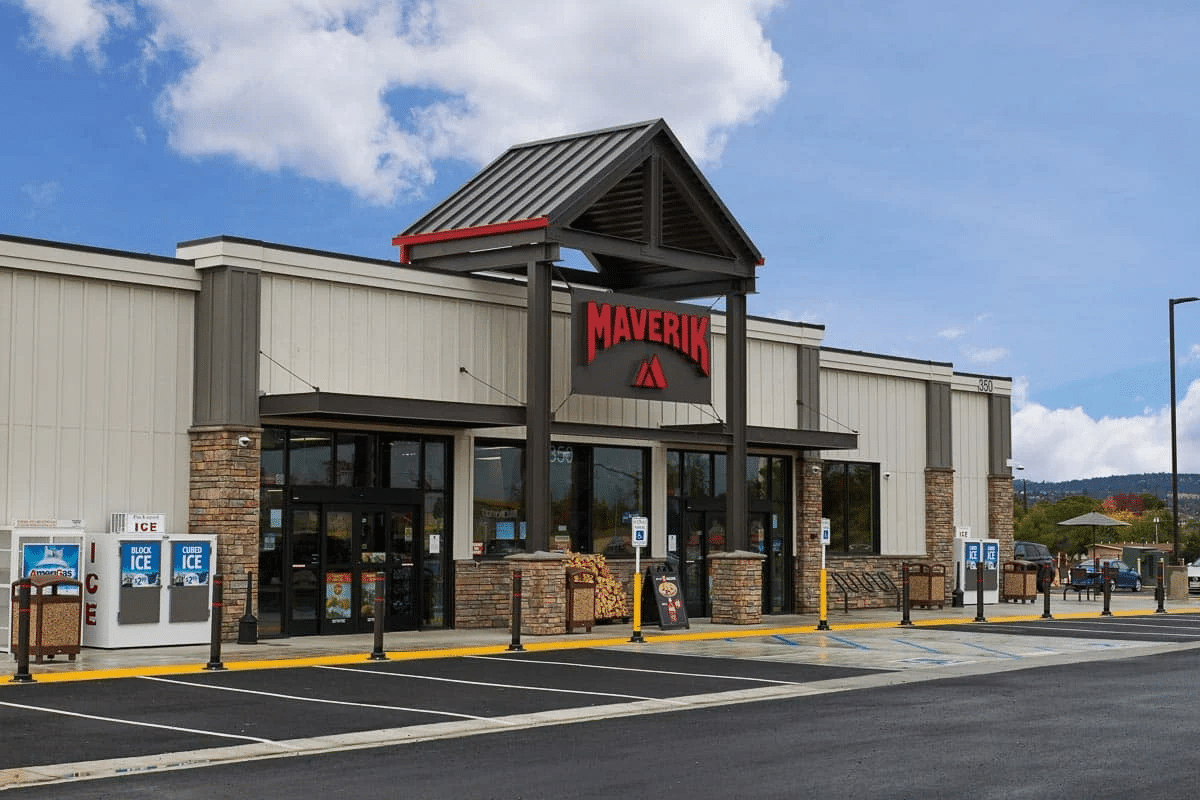
6 Gas Station Chains With Food So Good It’s Worth Driving Out Of Your Way For
We scoured the Internet to see what people had to say about gas station food. If you think the only things available are wrinkled hot dogs of indeterminate age and day-glow slushies, we’ve got great, tasty news for you. Whether it becomes part of a routine or your only resource on a long car trip, we have the food information you need.
Let’s look at 6 gas stations that folks can’t get enough of and see what they have for you to eat.