

Thrift stores used to be the ultimate win-win — you’d declutter, donate a few bags to Goodwill, maybe score a vintage find, and feel good about it. But in 2025, the donation game looks very different.
The U.S. secondhand market is booming, with sales projected to hit $350 billion, yet less than a third of donations actually make it to store shelves. The rest are recycled, rerouted, or tossed due to stricter health and safety laws. Thrift expert PJ Gach explains, “Donors are shocked by how many items are refused. It’s all about health codes, safety, and liability.”
Meanwhile, Goodwill and other major chains spend millions each year dealing with unsellable goods — turning what used to be an act of generosity into a massive sorting challenge. Thrift stores are now locking bins, posting warning signs, and saying “no thanks” to these donations.
Baby Furniture & Car Seats

Car seats, cribs, boosters — anything designed for tiny humans is basically the most regulated thing on Earth. Car seats expire after 6–10 years (due to wear, material degradation, and evolving crash-test standards), they get recalled, and thrift stores have no way to check if one has been in a crash.
Drop-side cribs? Outlawed nationwide in 2011 by the U.S. Consumer Product Safety Commission (CPSC). Stores refuse these items because even the slightest unknown defect could lead to serious injury. They’d love to help, but the law is crystal clear: safety first.
These regulations also apply to bassinets, playpens, baby walkers, and similar nursery furniture.
They will happily take gently used baby clothes, updated stroller models that meet current standards, and clean baby blankets. Basically, anything that can’t collapse, suffocate, or fail during nap time stands a better chance.
Recalled or Unsafe Items

See that old blender in the garage that once sparked during smoothies? Yeah… federal law says recalled items are a big fat no. Selling recalled or defective goods is strictly illegal under federal law, specifically the Consumer Product Safety Improvement Act (CPSIA).
Stores can’t practically check every item against the national recall database — so if a donation looks outdated, damaged, or suspicious, they won’t risk the liability. One harmful appliance could mean fines (ranging from $100,000 to $15 million) and civil liability if someone is injured..
Working electronics and verified (via SaferProducts.gov) safe household items are still totally welcome, just nothing the manufacturer has already disowned.
Mattresses & Upholstered Furniture

Mattresses are honestly the villains of the donation world. They can hide bedbugs, mold, and — let’s be honest — questionable human history. Because of that, many states ban mattress resale entirely unless the item has been professionally sanitized and tagged, which is wildly expensive for nonprofits.
For example, states like Kansas and Indiana prohibit any resale of used mattresses by retailers, while others demand written records of cleaning procedures and visible “used” labeling. Even in states allowing resale, visible stains, wear, or the inability to verify past sanitation history can make mattresses unsellable.
If you’ve got a spare wooden headboard or a metal frame in good shape, that’s still a yes. But anything padded or plush? Don’t even try. Your back might miss that sagging mattress, but society does not.
Hazardous Household Cleaners & Chemicals

Flammable cleaners, pesticides, paint, industrial-strength what-even-is-that — these items are technically hazardous waste, and thrift stores cannot legally store or resell them. These substances are regulated under federal and state laws—including the Resource Conservation and Recovery Act (RCRA)—due to their toxicity, flammability, and risk of environmental contamination or accidental injury.
Also, thrift store employees are not chemists. They’re not signing up for surprise acid leaks in aisle three.
If you need to let go of these items, your safest bet is taking them to a community hazardous waste drop-off. Only unopened, non-toxic cleaning supplies occasionally qualify for donation — but call ahead unless you like awkward refusals.
Broken or Outdated Electronics

Remember those giant tube TVs everyone swore would last forever? Well, they did — way too long. Disposing of them properly costs money. Electronics like CRT monitors contain lead, mercury, and other toxic materials, which are regulated by the EPA under the Resource Conservation and Recovery Act (RCRA).
Exporters must notify EPA, provide documentation of recycling activity, and demonstrate that at least 75% of accumulated CRT glass is recycled each year. Testing old tech is time-consuming, and thrift stores often lack the resources to check if something works.
Working electronics still have a strong resale market, but outdated or nonfunctional gadgets? You’ll want an e-waste center for those. FYI, that VCR you haven’t touched since Blockbuster died probably shouldn’t make its comeback here.
Personal Health & Medical Supplies

Used medical gear is a complicated mix of bodily-fluid risk, expiration dates, and strict FDA regulations, specifically the Federal Food, Drug, and Cosmetic Act (FD&C Act). Items like CPAP units, prescription meds, opened bandages, and sharps fall into the “absolutely not” category. One contaminated medical supply could cause major harm — and stores are not equipped to verify sterility.
Instead, community medical donation programs or pharmaceutical take-back sites are a much safer path. Definitely don’t toss expired asthma inhalers into your local Goodwill drop box like a mystery surprise.
Broken Glass & Cracked Mirrors

Broken glass is simply a lawsuit waiting to happen. Sharp edges mean staff can get injured, and shards can easily damage everything around them. The Occupational Safety and Health Administration (OSHA) rules are very clear: no sharp hazards allowed.
If your mirror has a chip the size of the Grand Canyon, it’s not a donation — it’s a recycling moment. Stores will gladly accept clean, intact glassware that won’t lead to a trip to the ER.
CFL Light Bulbs

Those curly compact fluorescent bulbs might look innocent, but they contain mercury. Some states, like California, Maine, Massachusetts, and Vermont, have banned CFLs entirely, and all require special handling. Thrift stores are definitely not going to start moonlighting as toxic waste facilities.
Disposal requirements for these and similar fixtures are detailed under the Universal Waste Rule, and improper handling or resale can subject stores to regulatory penalties.
LED bulbs and functioning light fixtures? Totally fine. But if a bulb can potentially poison the environment… it’s a hard pass.
Used Underwear & Swimwear

Look… we all know why this one is banned. Nobody wakes up thinking, “You know what I want? Pre-owned underwear.” Hygiene laws treat underwear and swimsuits as intimate-wear biohazards once they’ve been worn. Even freshly laundered items still raise health code issues.
Save this article
Major thrift chains (like Goodwill and Salvation Army) explicitly require underwear and socks to be new, with tags attached, before accepting donations.
If they’re brand new and still in packaging? Yes. Otherwise? No, thank you, and also — why?
Stuffed Animals & Plush Toys

Kids drop stuffed animals everywhere — playgrounds, floors, mouths — and they absorb everything. Germs, allergens, weird stickiness… After several high-profile contamination cases, many states and thrift organizations restrict plush toy donations entirely.
The National Institute of Health found that soft toys are far more likely to be contaminated. 20% of toys showed moderate to heavy coliform contamination, and 90% showed moderate to heavy bacterial contamination. Sanitation machines exist, but charity budgets… do not.
However, animal shelters often love them. Your childhood teddy bear might become some dog’s new best friend. That’s kind of adorable, right? 🙂
Pet Hair-Covered or Damaged Clothing

Pet owners know hair is forever. A single sock coated in fur can contaminate racks of clothing and set off allergy attacks. About 10% to 30% of people in the United States are allergic to pets, with allergies most often triggered by dander from cats and dogs.
Cat allergies tend to be nearly twice as common as dog allergies, and the prevalence of pet allergies is rising worldwide, making this a significant health issue for thrift store shoppers and staff alike.
And damaged clothing? If staff can’t fix it quickly, it goes straight to the landfill — which the nonprofit has to pay for. Yep… donating trash actually costs them money.
Freshly washed, odor-free clothing in good shape is always welcome. Pro tip: a lint roller is a donation superhero.
Flammable Materials

Anything labeled combustible, flammable, volatile, or featuring a skull symbol — yeah, that stays home. Paint thinner, gasoline, varnish, and certain aerosols are highly regulated. Mishandling them could literally burn a thrift store down, and nobody needs that headline.
If you wouldn’t store it near a candle, a thrift store won’t either. Your fire department or hazardous waste drop-off definitely will.
Fur, Ivory & Certain Animal Products

Laws protecting endangered wildlife (the Endangered Species Act (ESA) and the international Convention on International Trade in Endangered Species of Wild Fauna and Flora (CITES)) make ivory sales almost entirely illegal unless an item has verified antique documentation. Most thrift shops don’t have an appraiser in the back ready to authenticate tusk carvings.
And fur? Social sentiment and local policies are rapidly shifting, so many stores refuse those, too. Other banned animal products in many charity shop networks include bone items, tortoiseshell, and any parts from protected species.
Ethical alternatives like faux fur or cruelty-free leather always get a warmer welcome. Legal ivory, if truly antique, can be offered to the U.S. Fish & Wildlife Service for educational or conservation purposes.
So, Why All the Restrictions?

Thrift stores aren’t trying to ruin your good karma… they’re trying to survive the landfill economy. One Goodwill region reportedly spent over $2 million per year disposing of unsellable items. That’s money not going to charity. In some areas, the market for recycled clothing has crashed so badly that charities lose money even reselling rags.
If items are dangerous, illegal, unsanitary, or impossible to sell, donation centers literally can’t afford to take them.
Ever thought about that while dropping off your old couch? Probably not. But now you know.
The Bottom Line: Donate Smart
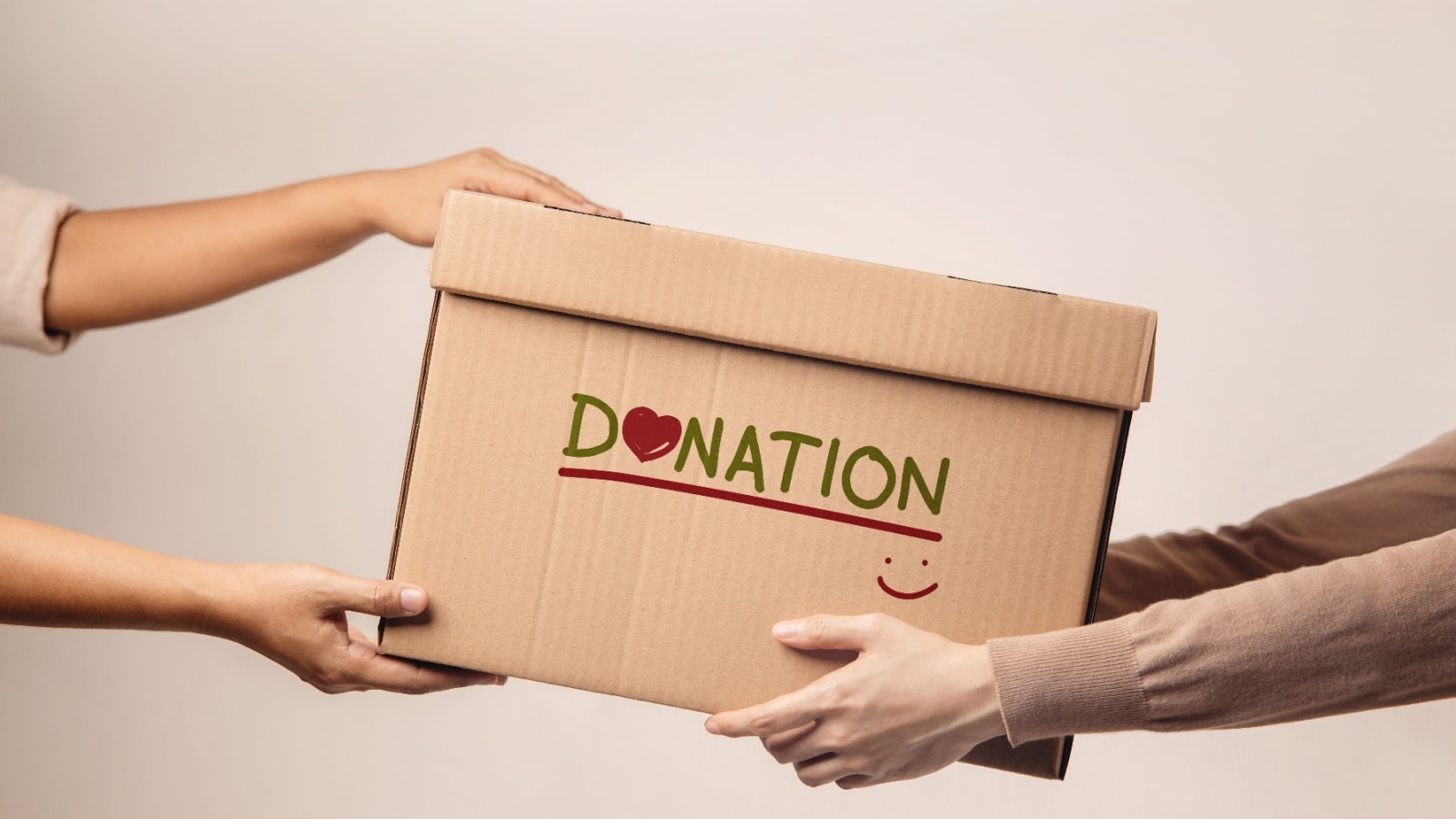
Decluttering should feel good — not like committing a legal violation. So here’s the rule of thumb:
If it’s banned, broken, perishable, explosive, questionably hygienic, or illegal… it stays home.
Thrift stores want items that:
– Help shoppers
– Raise money for community programs
– Don’t require HAZMAT gear to process
When in doubt? Just call ahead. The staff would much rather answer your “Hey, can I donate this?” than open a box of chemical-soaked plush toys that definitely shouldn’t exist.
You donate to help — and with a little awareness, you absolutely still can. Happy donating! 😄
Disclaimer – This list is solely the author’s opinion based on research and publicly available information. It is not intended to be professional advice.
Disclosure: This article was developed with the assistance of AI and was subsequently reviewed, revised, and approved by our editorial team.
20 Odd American Traditions That Confuse the Rest of the World
20 Odd American Traditions That Confuse the Rest of the World
It’s no surprise that cultures worldwide have their own unique customs and traditions, but some of America’s most beloved habits can seem downright strange to outsiders.
Many American traditions may seem odd or even bizarre to people from other countries. Here are twenty of the strangest American traditions that confuse the rest of the world.
20 of the Worst American Tourist Attractions, Ranked in Order

20 of the Worst American Tourist Attractions, Ranked in Order
If you’ve found yourself here, it’s likely because you’re on a noble quest for the worst of the worst—the crème de la crème of the most underwhelming and downright disappointing tourist traps America offers. Maybe you’re looking to avoid common pitfalls, or perhaps just a connoisseur of the hilariously bad.
Whatever the reason, here is a list that’s sure to entertain, if not educate. Hold onto the hats and explore the ranking, in sequential order, of the 20 worst American tourist attractions.





