I know, I know, every budgeting guru insists on not deviating from your grocery list. And I tried, for years. But here’s the trick: not looking at that small piece of paper actually helped me save more money than adhering to it ever did. Strange, isn’t it?
On average, consumers spend $174 each time they go grocery shopping, Drive Research estimates. With the typical American taking around 1.5 trips a week to the grocery store, that’s approximately six trips every month, per CreditDonkey—things can add up quickly.
But when I started skipping the list and taking advantage of store deals, markdowns, and surprise clearance finds, I was leaving the store laden with a cart full of food and a receipt that didn’t make me cry. Sometimes I even saved up to 80%. Here’s how abandoning my list changed everything.
I let the markdown aisle guide my meals

Instead of stressing over buying each and every ingredient listed on a recipe card, I started building meals from the markdown shelf. Bread nearing its sell-by date? Into the freezer it goes. A 60%-off bag of chicken thighs? Dinner for the next few nights.
Grocery stores usually slash prices on items they need to sell out fast, and those are much deeper discounts than anything on my original list. For instance, retail analysts confirm markdowns of 30–50% or higher at Walmart, particularly early in the morning and at the beginning of the month. By letting the markdowns be my guide, I cut my bill nearly in half some weeks.
I discovered that clearance produce is just as good

You know those bananas that are slightly bruised or apples with a slight imperfection? They are just as tasty as the “perfect” ones, but at significantly lower prices. Supermarkets often bag fruits with minor flaws and sell them at a significant discount.
One day, I spent a whopping two dollars on an entire bag of avocados. Eating seasonally and buying clearance produce have become one of my absolute favorite ways to trim my grocery budget.
I learned to pivot recipes on the fly

A report from CivicScience reveals that 64% of American grocery shoppers consistently adhere to their shopping list while they shop. Having a list made me stubborn; I had to purchase all the ingredients for that one recipe I was going to prepare. Not adhering to the list, though, allowed me to branch out.
If ground beef is pricier but turkey is affordable, I replace it. Pasta night could be stir-fry night, depending on what was more cost-effective. Having this capability saved money and also enhanced the creativity and enjoyment of dinner.
I discovered the power of “oops” labels

Some stores sticker over dented cans, ripped packaging, or mislabeled items with giant discount stickers. These are perfectly safe to eat, just not “pretty” enough to sell for full price. I once bought a whole case of dented cans of tomatoes for under $5, which would have been $15 otherwise.
That stash kept me eating months’ worth of soup and sauce. Deviating from the script helped me gather these odds and end gems.
I stopped paying full price for snacks

Statistics show that approximately 91% of American adults snack at least once a day, and 66% snack two or more times a day. Almost 49% of us snack three or more times a day, so cutting here makes a big difference. Chips, cookies, crackers, those naughty “extra” foods used to make my list blow up.
Now, I only buy snacks when I catch them on sale or in bulk. My kids were initially resistant, but they soon realized that trying random “new” snacks was essentially a surprise treat. Ignoring my list meant grabbing what was on sale, not what I meant to.
I discovered the magic of store-brand swaps

Being list-free made me shop from the brands I thought I needed. Instead of writing down “Honey Nut Cheerios,” I just let the cereal shelf surprise me.
Store-brand equivalents typically cost 20–40% less, and no one in my family even batted an eye at the difference. That simple change took a few dollars off every trip. In a year, it saved me hundreds easily.
I found hidden deals in the freezer aisle

The freezer section is not just reserved for frozen pizza, but it’s a bargain hunter’s paradise if you take a good look. Grocers stock and regularly discount frozen vegetables, seafood, or meals as they prepare for new shipments.
I would purchase shrimp at half price, and a simple pasta evening turned into an upscale one. Having the freedom to snag these deals without concern for a “list” meant that shopping was a game of discovery. And frozen foods last longer, which means there is less waste.
I realized meal planning doesn’t need perfection

Save this article
Statistics show that the average American family spends $3,933 annually dining out. Switching to planned, home-cooked meals has been a game-changer in helping me cut down on this expense. I used to believe that I needed to plan out certain meals for the week with a strict list. I now meal plan less strictly.
Instead of writing “spaghetti with meatballs,” I aim for “a pasta dish.” This lets me adapt to whatever’s cheaper that week. Having the ability to accommodate makes it easier to remain on a low budget while still enjoying flavorful meals.
I took advantage of surprise meat sales
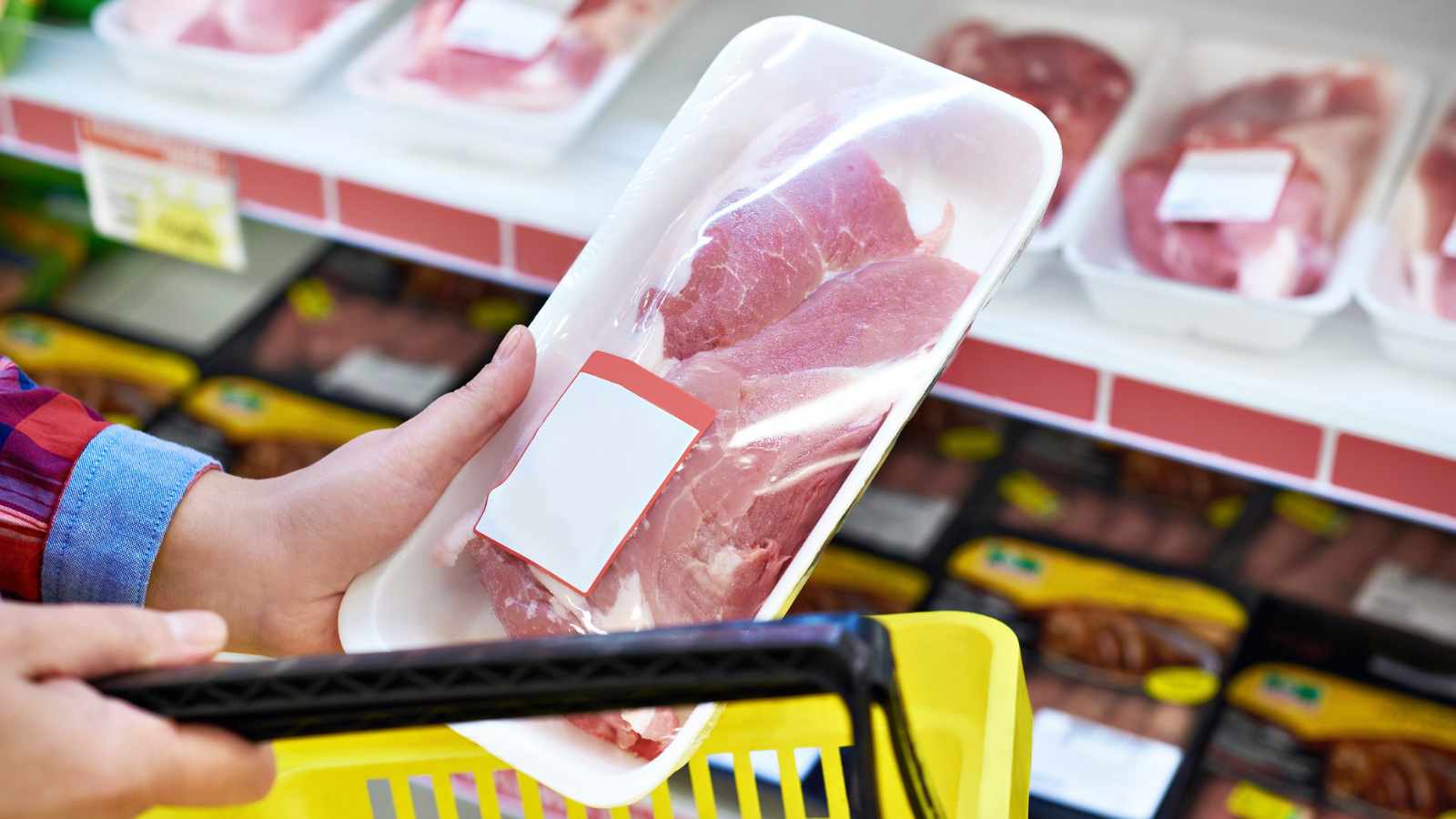
Meat is one of the biggest budgetbusters in grocery shopping, typically accounting for 25–30% of the total bill. I started browsing the daily sales cuts, but then I forgot my list. Sometimes it was ground pork, sometimes a family pack of chicken, even steak.
I’d stock up, freeze what I didn’t use, and plan meals around those proteins. My freezer became a treasure chest of savings.
I stopped wasting food by buying fewer planned items

Ironically, sticking to the rigid list would have led me to buy things that I didn’t use promptly. Ignoring it meant that I shopped with more awareness. I bought only what I was sure I could cook that week, and I put together meals based on what I had.
The EPA estimates that food waste for a four-person household costs approximately $2,913 annually, or $56 per week. Cutting back on waste turned out to be an accidental money saver.
I made friends with the discount bakery section

Bread, muffins, and bagels can add up fast when you purchase them at full price. But once I got started shopping without a list, I walked into the sale bakery aisle. It seems that most stores cut baked goods in half, sometimes 70% off, when they’re a day or two old.
They’re still deliciously soft, too, if you freeze them right away. Now I save a few dollars a week just by shopping here.
I realized impulse buys aren’t always bad

Based on Capital One Shopping statistics, 89% of consumers have made impulsive purchases. We’re taught to avoid impulse buying like the plague, but sometimes those impulses are the best deals. If I saw a cart of discounted yogurt, I grabbed it.
If there was a two-for-one cereal sale, it went into the basket. The trick was to resist guilt and recognize when the whim would be cheaper for me. My old list would’ve kept me from capitalizing on those wins.
I embraced the surprise of the manager’s specials

Many grocery stores discreetly put “manager’s specials” on items they need to sell that day. These could be anything: deli meat, cheese, yogurt, or even pre-made meals.
I turned it into a game to see what I could find. Some weeks, I built meals around these surprise sales. It was fun, innovative, and saved me a fantastic amount of money.
Key takeaways

Flexibility beats rigidity. By skipping rigid lists, shoppers can mix and match meals, swap ingredients, and adjust recipes according to sales, resulting in greater savings.
Markdowns and clearance are goldmines. Shopping sales and “oops” stickers release deep discounts (usually 80% or more), from fruit and bakery items to meat, frozen items, and dented cans.
Store brands and surprise deals can stretch budgets. Trading name brands for store brands and taking manager’s specials or bulk snack sales cuts can reduce costs by a significant margin.
Smarter shopping reduces waste. Shopping based on current deals and immediate needs prevents overbuying, keeps food from spoiling, and makes impulse buys work in your favor.
Disclaimer – This list is solely the author’s opinion based on research and publicly available information. It is not intended to be professional advice.
Like our content? Be sure to follow us