

According to the World Population Review, over 85% of the world’s population identifies with a religion, with Christianity (31.7%) and Islam (25%) being the largest faiths globally. In the U.S., roughly 73% of people identify as religious.
Religion sounds like a single word, but most of us carry a very personal definition of what it actually means. Some definitions come from upbringing, others from hard moments, and a few are shaped by quiet reflection no one else sees. That’s what makes this topic surprisingly human and a little fascinating.
Showing up to worship regularly

For many people, being religious starts with physically showing up to a church, mosque, synagogue, or temple. It’s less about perfection and more about presence, even on tired mornings.
Pew Research Center has found that about one in three U.S. adults attend religious services in person at least once or twice a month. Another 18% go only a few times a year, while nearly half (49%) say they seldom or never attend.
Regular attendance often correlates with stronger religious identity, especially among older adults. Some people say the routine itself keeps them grounded when life feels chaotic.
Trusting God during hard times

Some people define religion by where they turn when life hurts. Faith becomes most visible during illness, loss, or uncertainty. People are more likely to pray during stressful periods.
For these individuals, religion is a source of comfort rather than control. Have you ever noticed how beliefs get louder when answers feel scarce?
Following sacred texts closely

For some, religion means taking scripture seriously and trying to live by it. They read holy texts regularly and look to them for guidance during tough decisions. This approach often brings structure and clarity, especially in uncertain times.
Also on MSN: 13 common myths about Christianity, debunked
Believing in a higher power
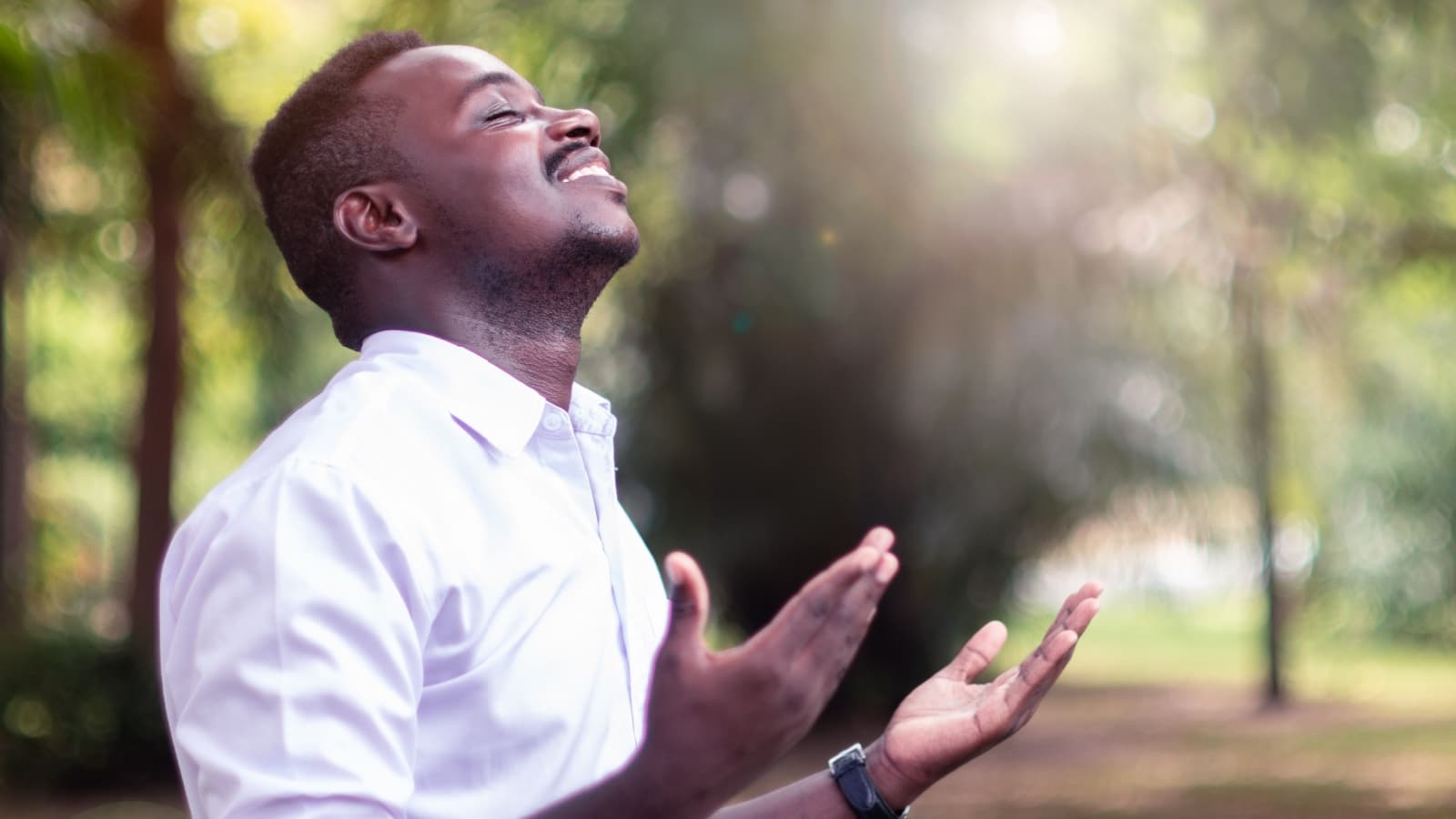
Some people define religion simply as belief in God or something greater than themselves. They may not attend services often, but faith quietly shapes how they see the world.
According to Gallup, about 81 percent of Americans still believe in God, even as religious participation shifts. For these individuals, belief feels private and deeply personal. It’s less about rules and more about trust.
Identifying through family and culture

Religion can also be inherited rather than chosen. Many people identify as religious because it’s tied to family holidays, traditions, and shared history.
Even those who question beliefs may still feel connected culturally. Religion functions as both a belief system and a social identity.
Feeling spiritually connected

For others, religion is about connection rather than doctrine. They feel a sense of closeness to the divine, the universe, or something unseen.
This connection may come through nature, music, or moments of awe. This is a spiritual experience rather than organized religion. It’s hard to explain, but easy to feel.
Living by moral teachings

For others, religion shows up in how they treat people every day. They focus on values such as kindness, honesty, humility, and forgiveness rather than on formal rituals. In fact, data show that 68% of U.S. adults agree that morality and good values do not require belief in God.
Many religious traditions emphasize ethical living as central rather than secondary. This definition often resonates with people who feel uncomfortable with labels. Have you ever thought, “I’m not religious, but I try to live right”?
Belonging to a faith community

Religion can be deeply social. Some people define it through friendships, shared meals, and mutual support within a congregation. Community often matters more than theology here.
Social connection is a primary reason people stay involved in religious groups. Feeling known and supported can be powerful.
Save this article
Participating in religious holidays

For some people, faith comes alive during special seasons and celebrations. They may not engage weekly, but holidays hold deep meaning. Ramadan, Passover, Diwali, Easter, and Christmas often become emotional touchpoints.
Holiday participation remains high even among less observant individuals. These moments create a sense of belonging without constant commitment.
Following religious rules or traditions

For some, being religious means observing specific practices such as fasting, dietary guidelines, or modest dress. These habits bring structure and identity. They also create a sense of shared discipline within a community.
Praying or meditating privately

Some people define being religious by what happens when no one else is watching. Private prayer, meditation, or reflection becomes the core of their faith. Studies suggest that personal spiritual practices are linked to improved stress management, resilience, and emotional balance.
These moments can be brief or long, structured or spontaneous. For many, this quiet connection matters more than public expression.
Serving others as an expression of faith

Some define religion in terms of action rather than belief. Volunteering, giving, and helping others feel like faith in motion.
Many charities, hospitals, and schools were founded on religious values. For many, faith feels incomplete without service.
Questioning while still believing

For many modern believers, being religious includes doubt. They ask questions, wrestle with contradictions, and still choose faith.
This approach feels honest and evolving. Maybe religion doesn’t always need all the answers.
Key takeaways

Being religious means different things to different people, often shaped more by life experience than by doctrine. Some definitions focus on belief, others on behavior, community, or personal connection.
Faith is changing, but not disappearing, especially in how people practice it. Understanding these differences can make conversations about religion feel more human and less divided.
Disclaimer – This list is solely the author’s opinion based on research and publicly available information. It is not intended to be professional advice.
Disclosure: This article was developed with the assistance of AI and was subsequently reviewed, revised, and approved by our editorial team.
20 Odd American Traditions That Confuse the Rest of the World

20 Odd American Traditions That Confuse the Rest of the World
It’s no surprise that cultures worldwide have their own unique customs and traditions, but some of America’s most beloved habits can seem downright strange to outsiders.
Many American traditions may seem odd or even bizarre to people from other countries. Here are twenty of the strangest American traditions that confuse the rest of the world.
20 of the Worst American Tourist Attractions, Ranked in Order

20 of the Worst American Tourist Attractions, Ranked in Order
If you’ve found yourself here, it’s likely because you’re on a noble quest for the worst of the worst—the crème de la crème of the most underwhelming and downright disappointing tourist traps America offers. Maybe you’re looking to avoid common pitfalls, or perhaps just a connoisseur of the hilariously bad.
Whatever the reason, here is a list that’s sure to entertain, if not educate. Hold onto your hats and explore the ranking, in sequential order, of the 20 worst American tourist attractions.