

If your grocery receipt has started to feel like a punch in the gut, you’re not alone—and you don’t have to live on frozen pizza to cope.
Rising food prices are hitting everyone’s wallet hard, making the checkout line feel like a high-stakes gamble where the odds are never in your favor. It often seems cheaper to grab a frozen pizza or a box of mac and cheese than to fill your cart with fresh produce and lean proteins.
But sacrificing your health for your budget is a choice you do not have to make, even when inflation feels suffocating. You can absolutely eat clean, whole foods without spending your entire paycheck if you change your strategy before you even leave the house. Here’s how.
Plan Your Meals Like A General
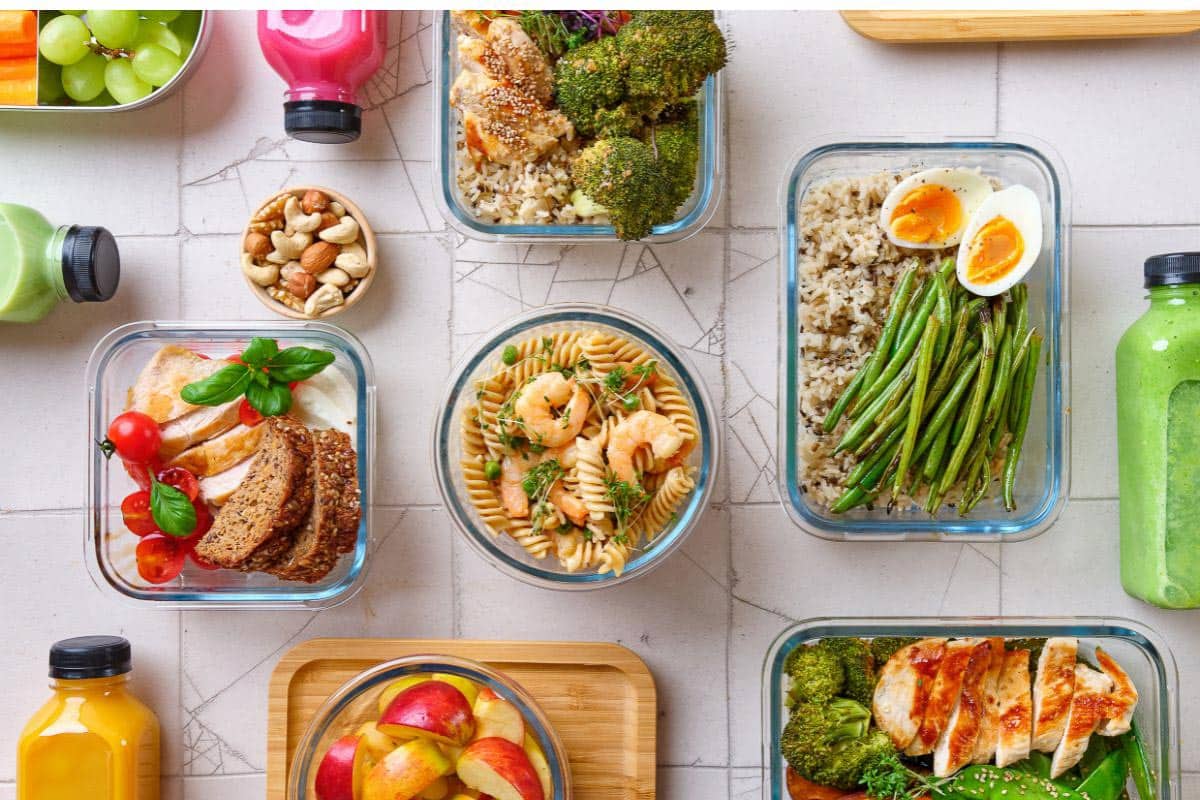
Walking into a supermarket without a plan is the fastest way to blow your budget on things you do not need and will likely throw away later. You should map out exactly what you will eat for breakfast, lunch, and dinner for the week, then write a list that corresponds strictly to those meals. According to a 2025 EPA report, the average American household of four loses about $2,913 annually to food waste, which is money straight down the drain.
Stick to your list with iron discipline, because every unplanned item you toss in the cart adds up faster than you realize. If you see something tempting that is not on your list, walk away and tell yourself you can buy it next time if you still really want it. This simple pause often breaks the impulse buying cycle and keeps your final receipt within the limits you set for yourself.
Embrace The Freezer Aisle

Fresh produce is wonderful, but it has a short shelf life and can be surprisingly expensive when it is not in peak season. Frozen fruits and vegetables are picked at their prime and flash frozen to lock in nutrients, often making them just as healthy as fresh options. A recent USDA analysis found that frozen corn costs around $0.64 per pound compared to $1.50 for fresh, proving that the freezer section offers significant value.
You can use frozen spinach in soups, frozen berries in oatmeal, or frozen stir-fry mixes for a quick dinner that requires zero chopping. Since these items do not spoil quickly, you eliminate the risk of throwing away slimy vegetables at the end of the week. Keeping a stash of frozen produce means you always have healthy ingredients on hand without the pressure to cook them immediately.
Buy Generic Brands

Marketing executives want you to believe that name-brand products are superior, but the truth is often found in the fine print of the ingredient list. Store brands and generic options are frequently produced in the same facilities as the big names, just packaged differently. Data from Yahoo Finance suggests that 44% of Americans are switching to generic brands, which can save money on their grocery bill without compromising on taste.
Start by swapping out pantry staples like oats, canned beans, rice, and spices, where the difference in quality is usually nonexistent. You can then experiment with other items like dairy or frozen goods to see which store brand versions your family enjoys. You will likely find that the fancy logo was the only thing you were paying extra for all along.
Eat With The Seasons

Strawberries in December or asparagus in October will always cost a premium because they have to be shipped from halfway across the globe. When you buy produce that is currently being harvested in your region or hemisphere, the abundance of supply drives the price down naturally. Farmers’ markets can be great for this, but even standard supermarkets offer lower prices on items that are currently flooding the supply chain.
If you are unsure what is in season, just look for the best deals in the produce section or do a quick check online before you shop. You can also preserve seasonal abundance by canning or freezing items when they are at their cheapest price point. Aligning your diet with the calendar is one of the most effective ways to lower your grocery costs while enjoying food at its peak flavor.
Go Meatless Once A Week

Meat is often the most expensive component of any meal, so cutting back even slightly can have a major impact on your weekly spend. You do not have to become a vegetarian, but swapping out beef or chicken for lentils, beans, or eggs one night a week saves serious cash. With meat prices rising 3.9% in 2025 according to the Bureau of Labor Statistics, finding alternative protein sources is a smart financial move.
Legumes are incredibly cheap, shelf-stable, and packed with fiber and protein that keep you full for hours. You can make a hearty chili, a lentil shepherd’s pie, or a chickpea curry that satisfies just as well as a steak dinner. These plant-based meals are delicious and allow you to allocate your meat budget to higher-quality cuts for the nights you do indulge.
Buy In Bulk But Be Smart

Buying in bulk can offer incredible savings per unit, but it is only a deal if you actually use the product before it goes bad. Focus on dry goods like rice, beans, oats, and nuts that have a long shelf life and are staples in your whole food diet. Calculating the price per ounce is the only way to know if that giant bag is truly cheaper than the smaller package on the standard shelf.
Be careful with bulk perishable items unless you have a large family or a solid plan to freeze the excess immediately. There is no savings in buying five pounds of organic spinach if three pounds of it turn into a science experiment in your crisper drawer. True bulk savings happen when you purchase non-perishable ingredients that you cook with constantly.
Shop The Perimeter of The Store

Save this article
Supermarkets are designed to trap you in the middle aisles where the processed, packaged, and overpriced foods live. The outer edges of the store are typically where you find fresh produce, meats, dairy, and seafood, which should form the core of your diet. Sticking to the perimeter naturally helps you avoid ultra-processed foods, which a 2024 FAO report notes are often pushed because they are profitable, even if real food is sometimes more expensive.
While the FAO report noted that healthy diets can be costlier, the savings come from cooking from scratch rather than paying for the convenience of pre-made meals found in the center aisles. You avoid the markup on labor and packaging when you buy raw ingredients and assemble them yourself. Discipline is key here, so keep your blinders on when you have to dip into the center aisles for essentials like olive oil or spices.
Cook Once And Eat Twice

Cooking every single night is exhausting and makes it tempting to order takeout when you are tired after a long day. The solution is to cook larger batches of food that can be repurposed into different meals later in the week. Roasting a whole chicken for Sunday dinner can provide meat for tacos on Tuesday and soup on Thursday, stretching one purchase across three meals.
This strategy also works for grains and vegetables; make a big pot of brown rice or roast a huge tray of root veggies to use as sides all week. You save time on cleaning and prep, which makes sticking to your homemade food goals much easier. Viewing your cooking as meal prep for the future rather than just dinner for tonight changes your entire relationship with the kitchen.
Grow Your Own Herbs
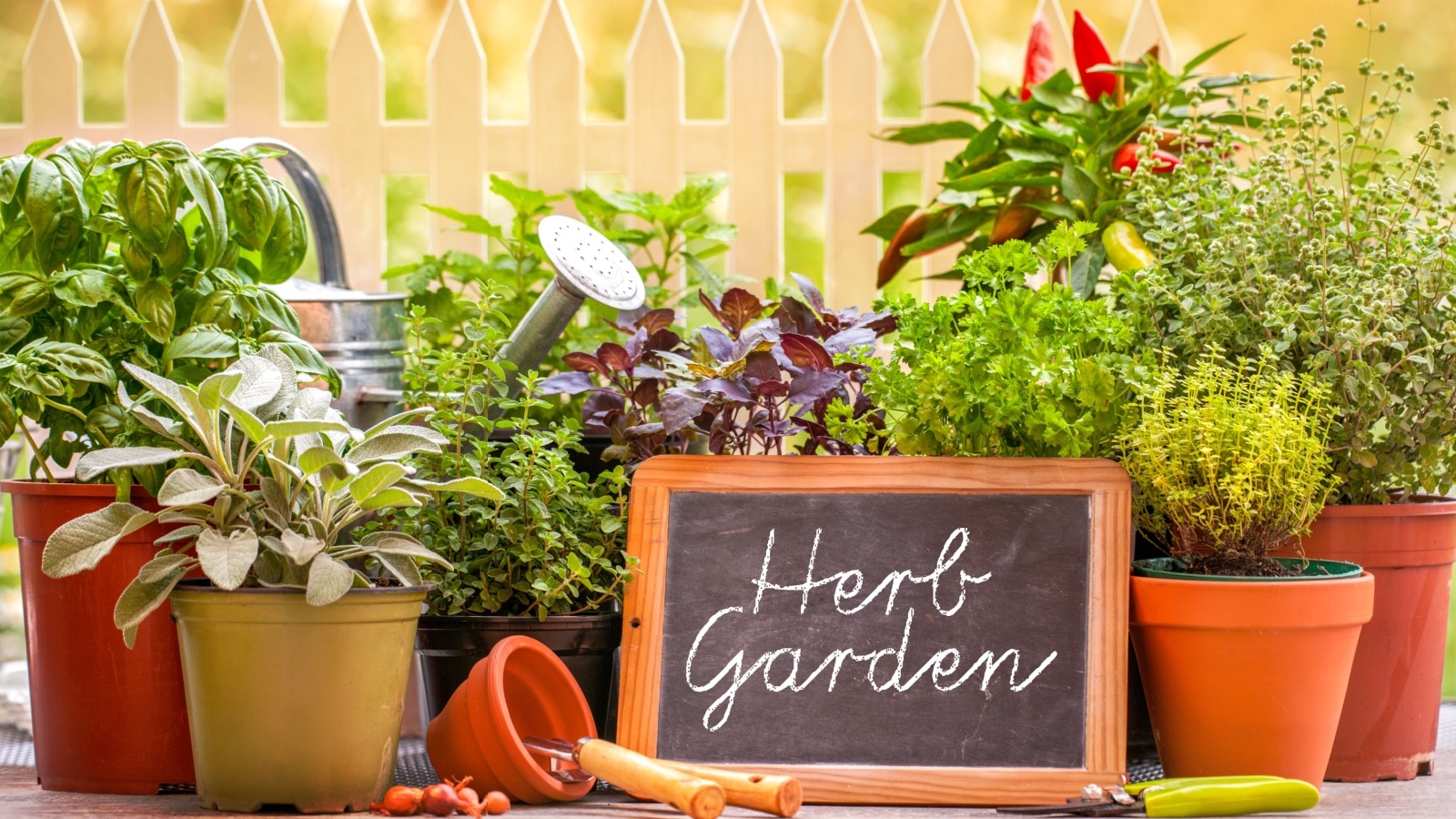
Fresh herbs can transform a bland meal into a gourmet experience, but paying three dollars for a small plastic clamshell of basil is painful. You can grow herbs like mint, basil, rosemary, and thyme on a sunny windowsill for a fraction of the cost of buying them at the store. A single packet of seeds costs less than one bundle of fresh herbs and can provide you with continuous flavor for months.
You do not need a green thumb or a big backyard to keep a few pots of cilantro or parsley alive in your kitchen. Having fresh flavor within arm’s reach encourages you to cook more often and makes simple, whole foods taste incredible. This small investment of time yields a massive return in flavor and savings over the course of a year.
Don’t Shop Hungry

It sounds like a cliché, but shopping on an empty stomach is a biological recipe for disaster that retailers know how to exploit. When you are hungry, your brain craves high-calorie, instant gratification foods that are usually processed and overpriced. Eating a snack like an apple or a handful of almonds before you walk into the store can save you from impulse buying things you never intended to purchase.
You are more likely to stick to your list and make rational financial decisions when your blood sugar is stable. Treat grocery shopping as a mission that requires a clear head and a full stomach. Your ability to resist the siren call of the bakery section increases dramatically when you are not physically craving every carb in sight.
Check Unit Prices

The price tag on the shelf does not always tell the whole story, so you have to look closer at the small print. The unit price tells you exactly how much you are paying per ounce or per pound, allowing you to compare different sizes and brands accurately. Retailers often use tricky packaging to make you think you are getting a deal when a smaller package actually costs more per serving.
Sometimes the larger “family size” is cheaper, but occasionally a sale on the smaller size makes it the better buy. You have to do the math every time because prices fluctuate, and assumptions can cost you money. Making this small calculation a habit is one of the most effective tools for slashing your bill without changing what you eat.
Use Cash Back Apps

Technology can be a powerful ally in your fight against rising food costs if you use the right tools. Several apps offer cash back or rebates on specific items, including fresh produce and pantry staples. Scanning your receipt takes less than a minute and can earn you money back that accumulates into significant savings over time.
Look for apps that do not require you to buy specific brand-name processed foods to earn rewards. Some offer points for any receipt from a grocery store, while others have specific offers for milk, eggs, or bananas. Using these digital tools is essentially picking up free money that you would otherwise leave on the table.
Shop High And Low

Grocery stores place the most expensive items at eye level because they know that is where you are most likely to look first. The cheaper options and generic brands are often placed on the very top or very bottom shelves. Breaking your line of sight and scanning the entire vertical layout of the shelf can reveal significantly cheaper products.
It takes a little extra physical effort to bend down or reach up, but the savings are almost always worth it. You will often find the same product with a different label for a fraction of the cost just a few feet away. Training your eyes to ignore the “bullseye” zone is a simple behavioral change that keeps more money in your pocket.
Disclaimer: This list is solely the author’s opinion based on research and publicly available information. It is not intended to be professional advice.
Like our content? Be sure to follow us.





