Selling the family home sounds simple—until you realize just how much heart, history, and money are tied up in those walls.
For years, people have assumed that once you hit retirement, you automatically pack up, sell the family home, and move into something smaller and easier to manage. But talk to most boomers, and you’ll quickly realize it’s not that simple. Downsizing sounds practical on paper, yet emotionally, financially, and even socially, it’s a whole different story.
Many are choosing to stay put, even if the yard feels bigger than they want to mow or the stairs creak a little more than they used to. In fact, a study by AARP found that approximately 75% of Americans aged 50 and older wish to age in place, while 73% hope to remain in their communities. Let’s dig into the real reasons boomers are holding onto those larger homes—and why it makes more sense than people think.
The family memories are too strong

A house isn’t just drywall and windows—it’s where life happened. For boomers, every room tells a story: the kitchen where holiday meals were cooked, the yard where kids learned to ride bikes, or the living room where countless family photos were taken.
Downsizing can feel like leaving those memories behind, and that’s a tough emotional hurdle to overcome. Sometimes the attachment to a home outweighs the convenience of moving.
Downsizing can actually cost more

It may seem counterintuitive, but in today’s housing market, downsizing to a smaller home isn’t always the more affordable option. The median home price in the U.S. hit $422,400 in mid-2024, according to the Federal Reserve, and downsizing in some markets could mean paying nearly as much—or even more—for less space.
Add in moving costs, realtor fees, and upgrades to make a new place feel like home, and the math often doesn’t work out. Baby Boomers who bought their homes decades ago at far lower prices frequently realize that staying put is financially smarter.
Hosting space still matters

Many boomers appreciate having space for family gatherings, especially when their kids and grandkids come to visit. A smaller condo or townhouse doesn’t always have the spare bedrooms or dining room big enough for everyone to fit comfortably.
Large homes allow for sleepovers, holidays, and family barbecues that keep connections strong. Even if those visits aren’t constant, having the option matters. For many, giving that up feels like closing the door on a lifestyle they still value.
Moving is overwhelming

Packing up decades of belongings is no small task. For many Baby Boomers, just the thought of sorting through attics, garages, and closets packed with years of accumulated belongings feels exhausting. Researchers have even found that clutter creates measurable stress, especially in women, making the process harder than expected.
Hiring movers or organizers can be helpful, but it’s still a significant undertaking. Staying put feels less daunting than tackling mountains of boxes.
Property taxes can lock them in

Boomers who bought homes decades ago pay much less in property taxes than they would on a new home. In 2025, the average property tax rate in the United States is approximately 1.1% of a home’s value, with some states paying rates as high as 2%. Property tax ceilings in some states protect long-term owners from skyrocketing increases.
That buffer of money makes living in a bigger house more appealing than starting from scratch. Downsizing would require giving up that luxury and paying thousands more per year. For many, it’s just not worth it.
They require space for hobbies

More square footage isn’t just about the family—it’s also about space to themselves. Boomers tend to use unused rooms as painting studios, sewing rooms, home gyms, or music rooms.
Downsizing can mean foregoing space that supports their hobbies. And with retirement offering more leisure time, those hobbies are that much more significant. A smaller house can be claustrophobic in a way that extends beyond mere discomfort.
The market doesn’t have good choices

In some places, there just aren’t enough nice downsized houses. The U.S. is short nearly 4 million housing units, and the need is primarily for cheaper, smaller homes.
So the boomers have fewer choices if they do have to move. Instead of settling for something that doesn’t fit their needs, many choose to stay put.
Storage space still counts
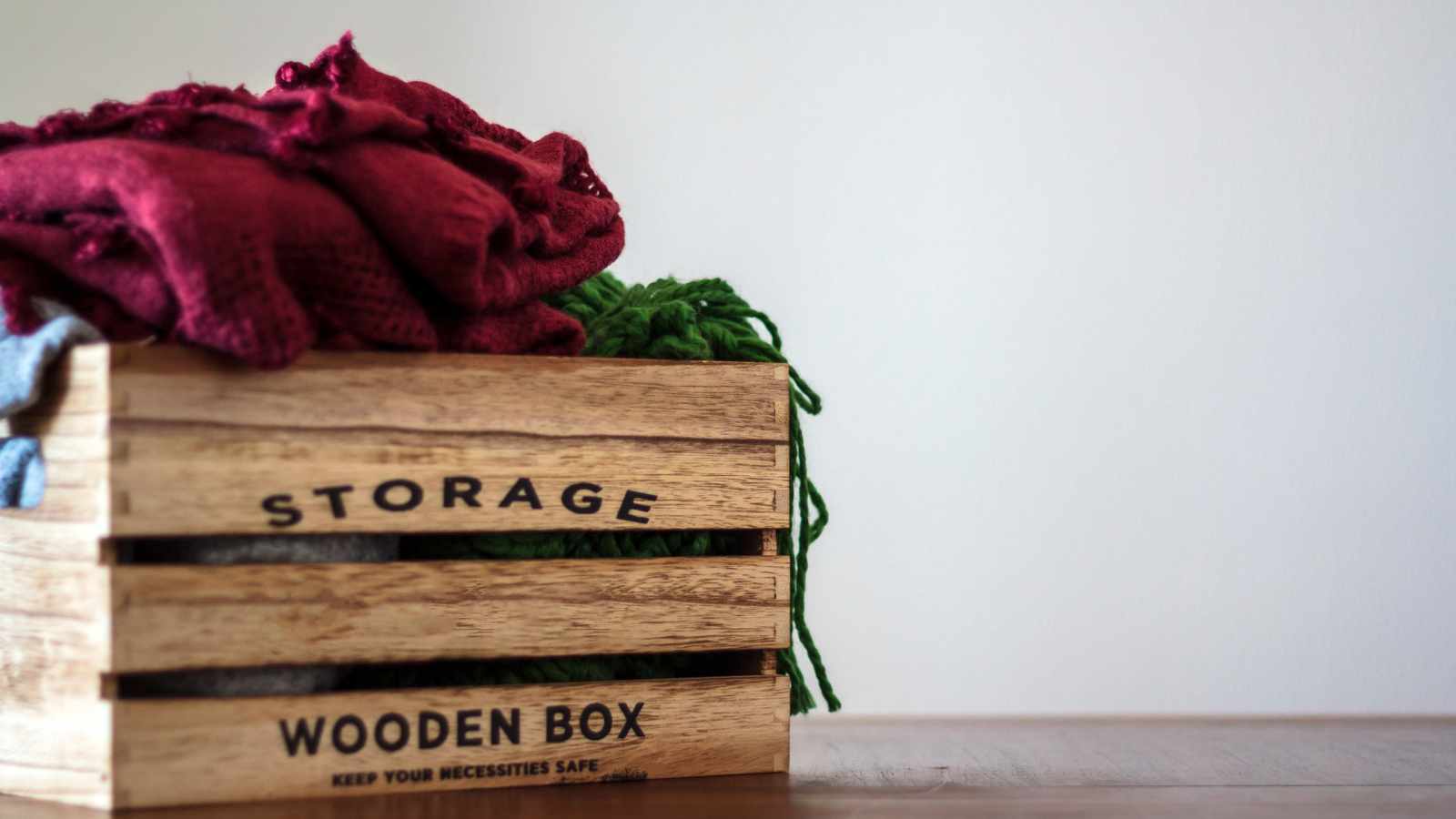
Downsizing usually means cutting back on storage space, and for many boomers, that’s a deal-breaker. Years of collected furniture, seasonal decorations, family keepsakes, and even holiday dishware still need a place.
Paying for storage units isn’t always appealing either, since it adds a monthly expense without solving the emotional side of letting things go. Larger homes provide room to keep what matters most. It’s not just about square footage—it’s about preserving a lifetime of belongings.
The yard is still a source of pride
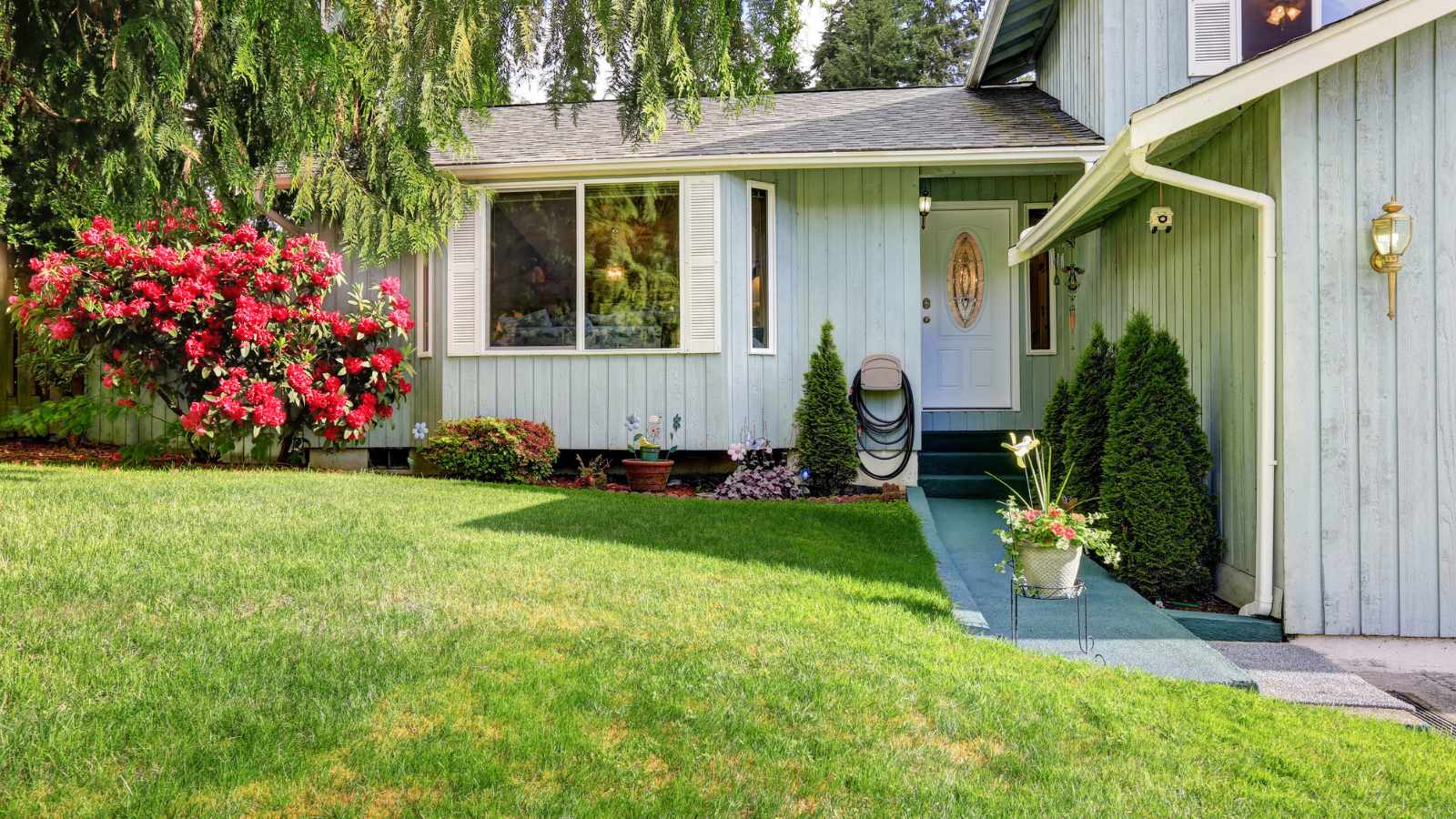
For most boomers, a garden or yard is no chore—it’s a delight. Gardening can be therapeutic and promote overall well-being, as concluded in a comprehensive umbrella review published in Systematic Reviews.
Downsizing typically means giving up that outdoor space. They’ve worked all their lives on flower beds, a garden, or just a lawn, making the yard priceless. Losing it can be like losing a piece of themselves.
Downsizing feels like giving up independence

Save this article
For some, moving to a smaller place, even if it’s still a private home, feels like a step closer to assisted living or dependency. Staying in the family home represents a sense of freedom and control.
Downsizing can feel like admitting that life is changing in ways they’re not ready to face. That emotional resistance is powerful, even if the logic of downsizing makes sense on paper. Sometimes independence feels more valuable than convenience.
Aging in place feels safer

Boomers increasingly care about “aging in place,” a term that simply refers to staying in their own homes as they age. With the use of home modifications such as stair lifts, grab bars, or walk-in showers, it is possible to adapt many houses to changing needs.
According to the U.S. Census Bureau, by 2030, one in every five Americans will be over the age of 65, and demand for aging-in-place technology is expected to continue increasing. Most find the idea of retrofitting their current home more appealing than beginning anew.
They don’t want to lose touch with the community

Neighbors, local shops, familiar walking routes—these are more important than people realize. Boomers spend decades connected to their communities, which gives them a sense of comfort and belonging.
Adapting to a new, unfamiliar location can be an isolating experience. Social relationships are strongly linked to longevity and healthy living. Holding on to those tends to outweigh the lure of a smaller living space.
They see homes as investments

For many Baby Boomers, their home remains their most significant financial asset. Real Estate News reports that homeowners aged 65 and older now control nearly 40% of all U.S. housing wealth, amounting to $19 trillion in assets.
Selling and downsizing could free up equity, but staying often feels like a safer long-term bet. Property values have generally risen over time, and holding onto the house can provide security. Boomers see their homes as more than shelter—they’re also part of their retirement plan.
They want room for the unexpected
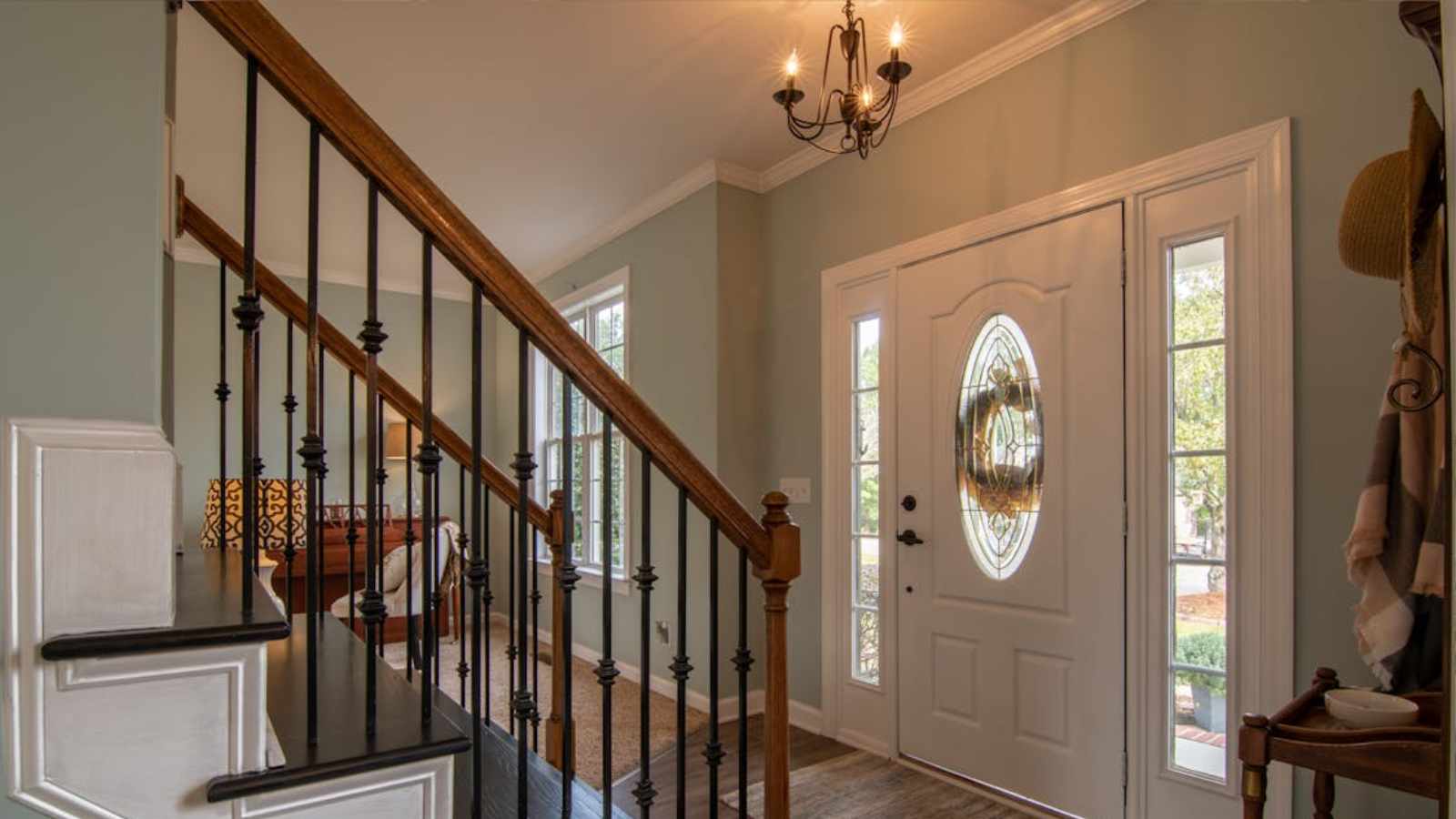
Life has a way of surprising us, even later in life. Some boomers keep larger homes because they want space for adult children who may need to move back in, or for caregiving responsibilities with aging relatives.
Having that extra space provides flexibility for whatever life throws at them. Downsizing too early could mean losing that safety net.
Key takeaways

Emotional ties run deep. Boomers see their homes as the backdrop of family memories, independence, and identity, making it hard to walk away from the spaces where life unfolded.
Practical and financial realities make downsizing less appealing. High housing costs, property tax advantages for long-time owners, and the overwhelming task of moving all act as barriers.
Larger homes still serve a purpose. From hosting family gatherings to providing room for hobbies, storage, and even multigenerational living, the space continues to add value.
Stability and community matter more than change. Aging in place, maintaining neighborhood ties, and adapting current homes often feel safer and more fulfilling than starting over somewhere new.
Disclaimer – This list is solely the author’s opinion based on research and publicly available information. It is not intended to be professional advice.
16 grocery staples to stock up on before prices spike again
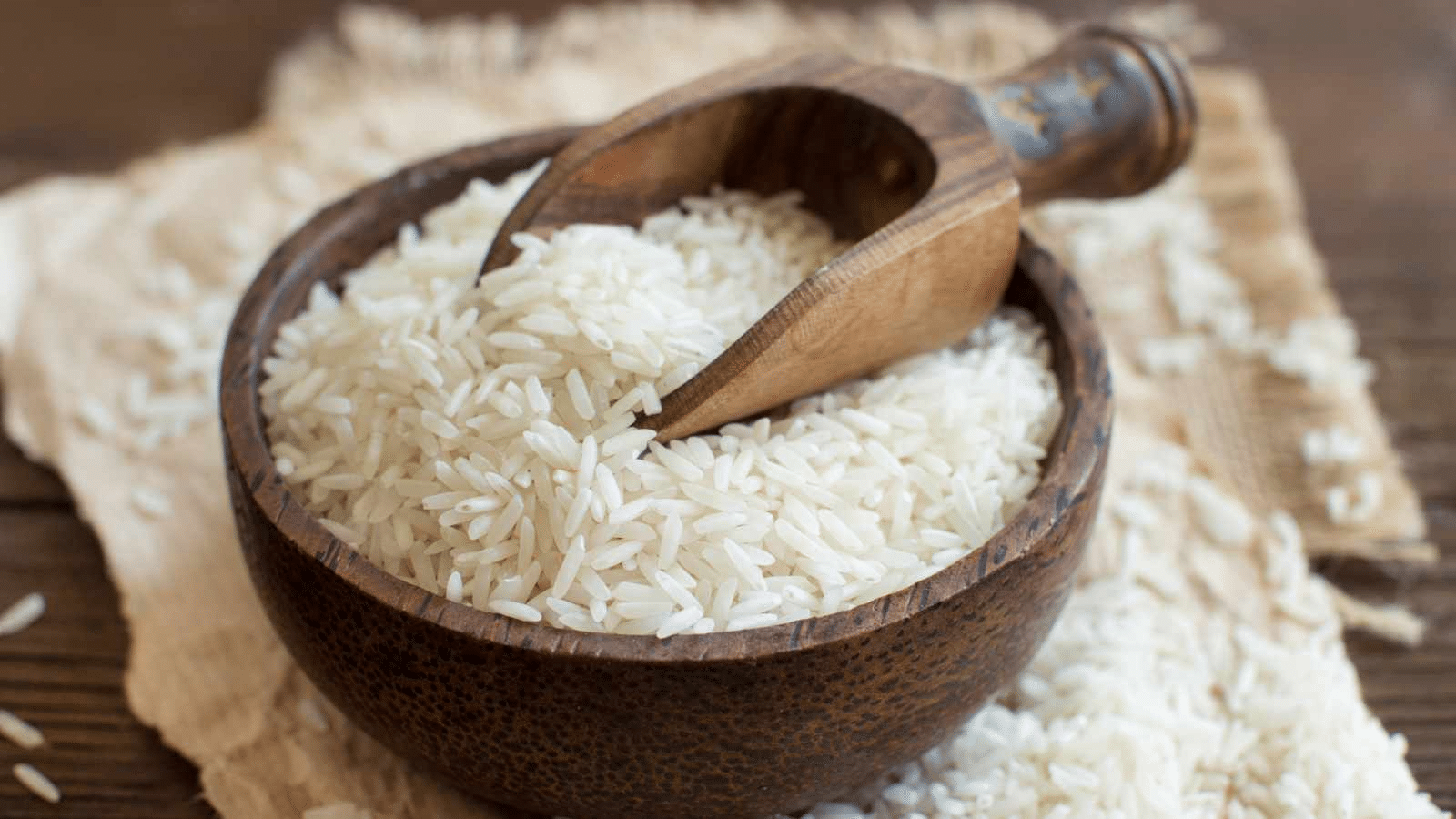
16 Grocery Staples to Stock Up On Before Prices Spike Again
I was in the grocery store the other day, and it hit me—I’m buying the same things I always do, but my bill keeps getting higher. Like, I swear I just blinked, and suddenly eggs are a luxury item. What’s going on?
Inflation, supply-chain delays, and erratic weather conditions have modestly (or, let’s face it, dramatically) pushed the prices of staples ever higher. The USDA reports that food prices climbed an additional 2.9% year over year in May 2025—and that’s after the inflation storm of 2022–2023.
So, if you’ve got room in a pantry, freezer, or even a couple of extra shelves, now might be a good moment to stock up on these staple groceries—before the prices rise later.
6 gas station chains with food so good it’s worth driving out of your way for
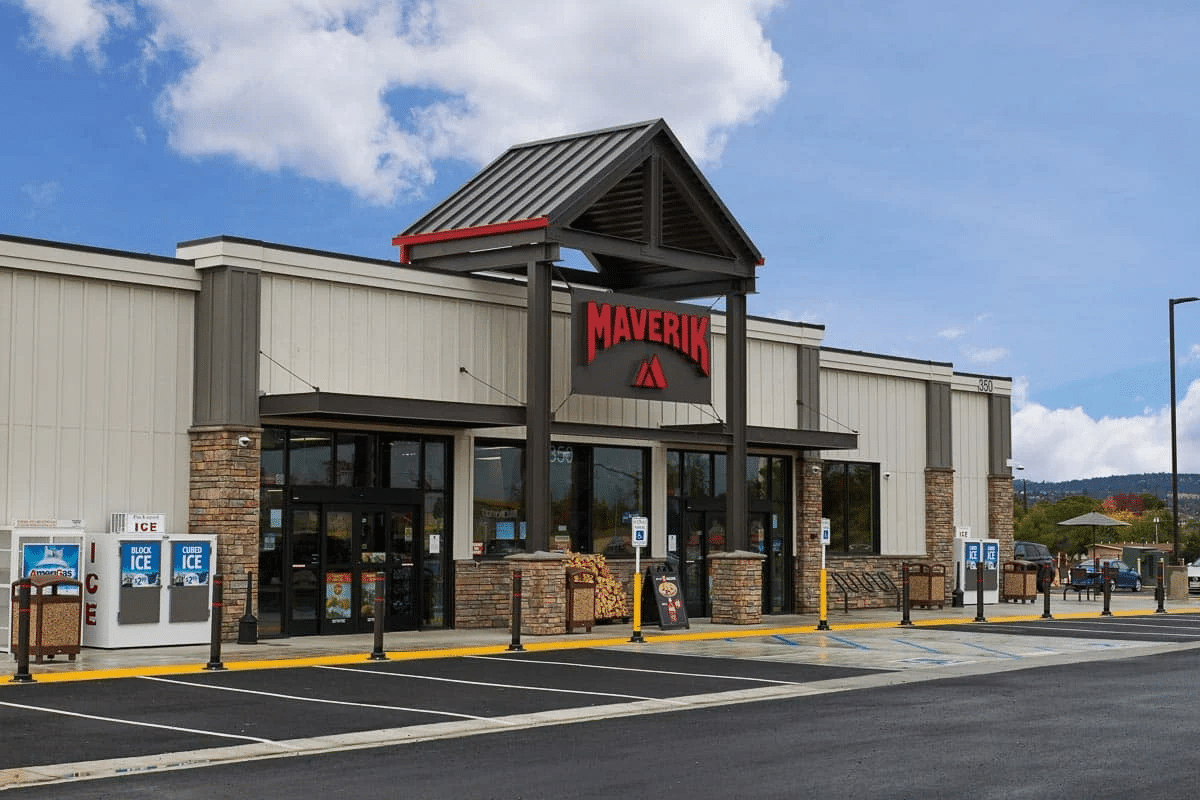
6 Gas Station Chains With Food So Good It’s Worth Driving Out Of Your Way For
We scoured the Internet to see what people had to say about gas station food. If you think the only things available are wrinkled hot dogs of indeterminate age and day-glow slushies, we’ve got great, tasty news for you. Whether it becomes part of a routine or your only resource on a long car trip, we have the food information you need.
Let’s look at six gas stations that folks can’t get enough of and see what they have for you to eat.