

I would tease some of the things my mother and my grandparents used to do—like folding grocery bags in a drawer or habitually turning off lights as they left a room. It seemed strange at the time, maybe even a little excessive. But the older I become, the more I realize those little habits weren’t so silly after all; they were survival strategies from an era when waste wasn’t an option and every penny mattered.
In 2005, a single dollar had the buying power of approximately $1.65 today, which means prices have increased by roughly 65% in just two decades. This reflects an average annual inflation rate of 2.55%, based on the Consumer Price Index (CPI) tracked by the Bureau of Labor Statistics. That’s a huge shift, and suddenly those frugal, practical habits don’t seem outdated—they seem genius.
So let’s give credit to Boomers: their routines may be just what we need as life hacks today.
Cooking meals at home regularly

Baby Boomers grew up in an era when dining out was a rare treat, not something done every week. They mastered the art of making a meal stretch, turning simple ingredients into a good dinner.
Data shows that 53% of household food spending now goes toward food consumed away from home—an increase from 41% in 1997. Eating at home isn’t just cheaper—it also gives you greater freedom to choose what you subject your body to. That’s a trend you can keep.
Balancing a checkbook by hand

Yes, it does seem a little old-fashioned, but something is appealing about getting numbers onto paper. Boomers were careful with checkbook balancing, so they always knew exactly what they had.
The manual exercise of recording each expenditure might feel tedious, but it raises awareness. It’s financial mindfulness, before apps came along, trying to sell it to us.
Reusing and repurposing household items

How many times have you thrown away a jar without hesitation? Boomers never did. They washed and reused glass jars, rescued buttons from old clothing, and found second uses for almost everything.
Today, with the EPA releasing information that Americans generate almost 292 million tons of waste annually, such thriftiness appears so timely. Their thrift wasn’t a matter of money; it was a quietly sustainable approach.
Writing handwritten thank-you notes

Now with quick texts and “likes,” a handwritten note stands out. Boomers were raised on the value of sending thank-you cards after birthdays, weddings, or even small acts of kindness.
Acts of gratitude can boost well-being, and seeing them in writing makes this effect even more pronounced by creating a personal connection. A note may be worth more than a hundred emojis ever could.
Keeping an emergency savings stash

For most Baby Boomers, the memory of economic uncertainty, such as the recessions of the 1970s and early 1980s, led them to focus on saving. They were more likely to keep a cushion of cash in reserve “just in case.”
Now that nearly 57% of Americans say they can’t cover a $1,000 unexpected expense, according to Bankrate, that habit is a requirement like never before. It wasn’t paranoia; it was planning. Having a cushion is what brings a sense of security that no app notification can provide.
Fixing things instead of replacing them

Boomers had toolboxes and mastered their use. A wobbly chair or a leaky faucet didn’t always mean getting something new. Repairing, in fact, was often passed down from one generation to the next.
Now that disposable culture is so prevalent, repair shops are no longer in existence. Practicing simple fixes saves money and reduces waste, which makes this boomer habit surprisingly progressive.
Reading the newspaper daily

Boomers made a ritual of sipping coffee as they read the morning newspaper. It was not just about reading the headlines—it was a way to feel part of their neighborhood. Local newspapers often contained stories that identified neighborhoods, and the majority of Baby Boomers still appreciate the tactile experience that comes with print.
According to the Pew Research Center, overall U.S. daily newspaper circulation (print and digital) was approximately 20.9 million in 2022, and print circulation has continued to decline ever since. That morning routine encouraged people to be knowledgeable, without the endless scroll of breaking news updates.
Keeping appliances and furniture for decades

If you’ve ever sat on a sturdy dining chair at your parents’ house that looks older than you, you’ve seen this habit in action. Boomers invested in quality items and took care of them, expecting them to last.
Conversely, the current “fast furniture” culture often leads to replacing pieces every few years. Long-lasting goods once accounted for a much larger proportion of consumer spending than they currently do. Longevity over disposability—there’s something to remember.
Clipping coupons and hunting for deals

Previously, apps followed each purchase and provided discounts with personalized offers; boomers, on the other hand, clipped coupons from newspapers or magazines. Indeed, in the early 1990s, over three billion coupons were distributed annually across the United States. It took a while, but it saved actual money.
While fewer people clip paper coupons nowadays, the principle remains the same: being thoughtful with savings still counts. There’s a joy in securing a bargain that can’t be topped.
Sending holiday cards every year

Save this article
Opening the mailbox during December and reading mail with handwritten addresses was special. Boomers often made it a collaborative effort, sending cards filled with updates and well-wishes.
That tradition kept friends and distant relatives close on an individual basis. It’s an indication that small traditions can lead to long-term relationships.
Keeping a landline phone

It may seem outdated, but landlines were reliable. Blackout? Your telephone was still functional. Unlike cell phones, they didn’t drop calls or run out of battery in the middle of a meaningful conversation.
The CDC’s National Health Interview Survey discovered that only about 25% of households still have landlines nowadays, compared with 90% in 2004. But as a backup in the event of an emergency, it’s not so bad.
Gardening for food and leisure
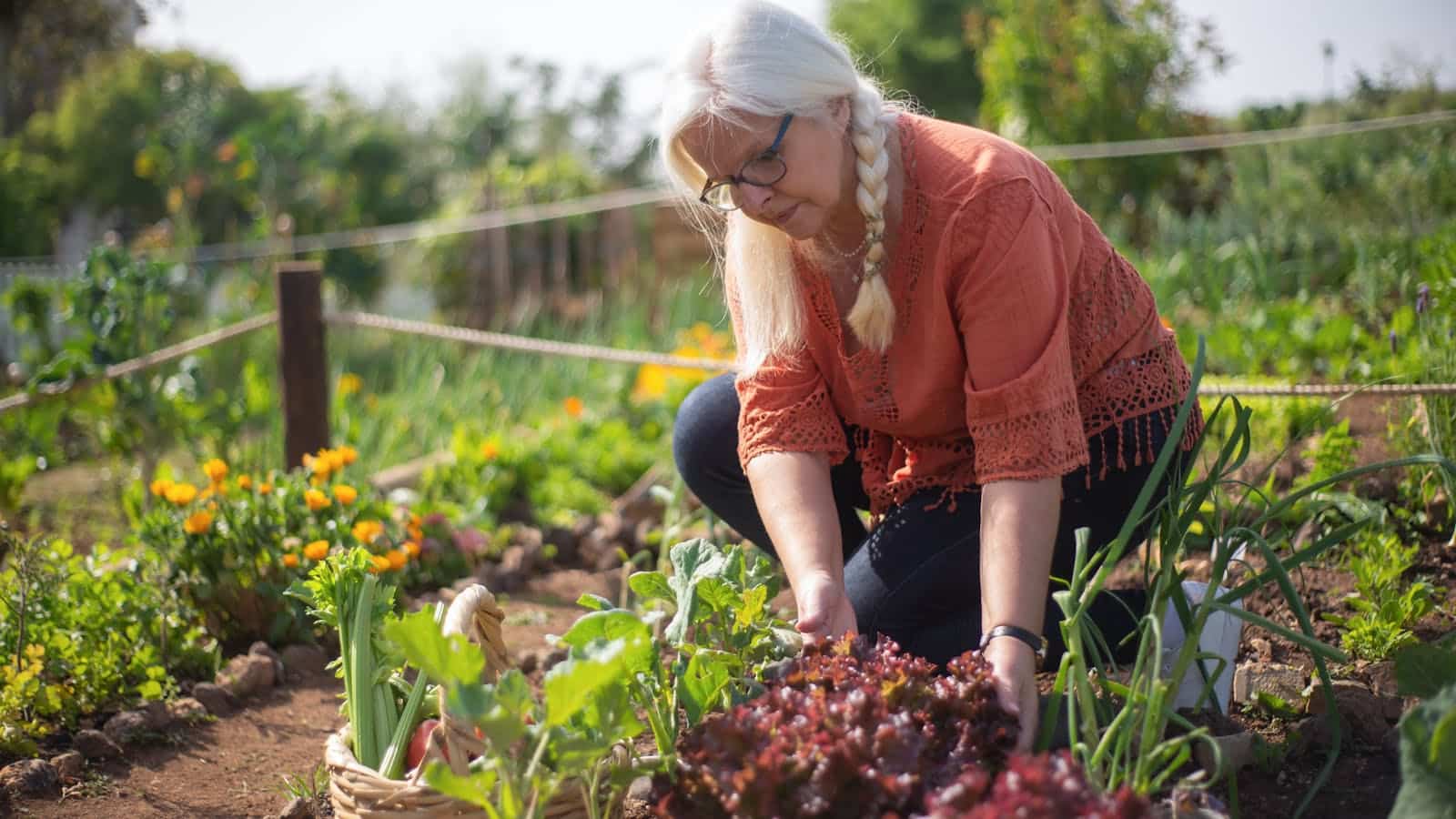
Boomers used to garden vegetables in the backyard, not flowers. It wasn’t always about pinching pennies; it was simply where your food came from.
Growing tomatoes or herbs yourself is rewarding and practical. It connects you to nature in a way that shopping at the supermarket can never even hope to replicate.
Hosting potluck dinners

Instead of eating out at restaurants, boomers preferred inviting friends over to their homes, and everyone brought a dish. It was inexpensive, sociable, and always full of variety. Potlucks created a sense of community, where no single person was left to bear the expense or preparation burden.
With food prices increasing nearly 25% since 2020, according to the USDA, this policy appears especially wise today. Sharing a meal doesn’t have to be expensive.
Mail-in bill payment as soon as they got them

No autopay. No ignoring due dates until the eve of the deadline. Boomers opened up bills, wrote a check, and sent it off without delay. That habit kept late charges and financial worry at bay decades before budgeting apps existed.
Given that late payment fees now average around $30 per bill, according to CFPB data, their discipline saved money that adds up over time. It’s a straightforward system with fewer jolts.
Walking as a form of exercise

During the pre-gym and high-end aerobics era, Baby Boomers used walking as the primary way they kept in shape. It was free, accessible, and effective.
The CDC still recommends 150 minutes of moderate exercise per week, and walking fits that perfectly. Walking reduces the risk of heart disease and diabetes, and even enhances mental health. It’s an old-fashioned habit that affirms the fact that less really can be more.
Key takeaways
Frugality was a survival strategy. Cooking at home, coupon clipping, household supply reuse: boomers were experts at getting every buck to stretch as far as it would—a habit that echoes all too convincingly with today’s inflation.
Practicality built financial security. Habits like hand-balancing checkbooks, keeping emergency funds on hand, and paying bills on time helped instill financial responsibility long before budgeting software existed.
Connection and tradition mattered. Handwritten birthday cards, holiday greetings, daily newspapers, and potluck dinners weren’t rituals—they built tighter communities and lasting relationships.
Durability and self-sufficiency were the norm. Patching furniture, gardening, and maintaining rugged appliances for years shows that Baby Boomers valued quality, repair, and cleverness over constant replacement.
Disclaimer – This list is solely the author’s opinion based on research and publicly available information. It is not intended to be professional advice.
16 grocery staples to stock up on before prices spike again
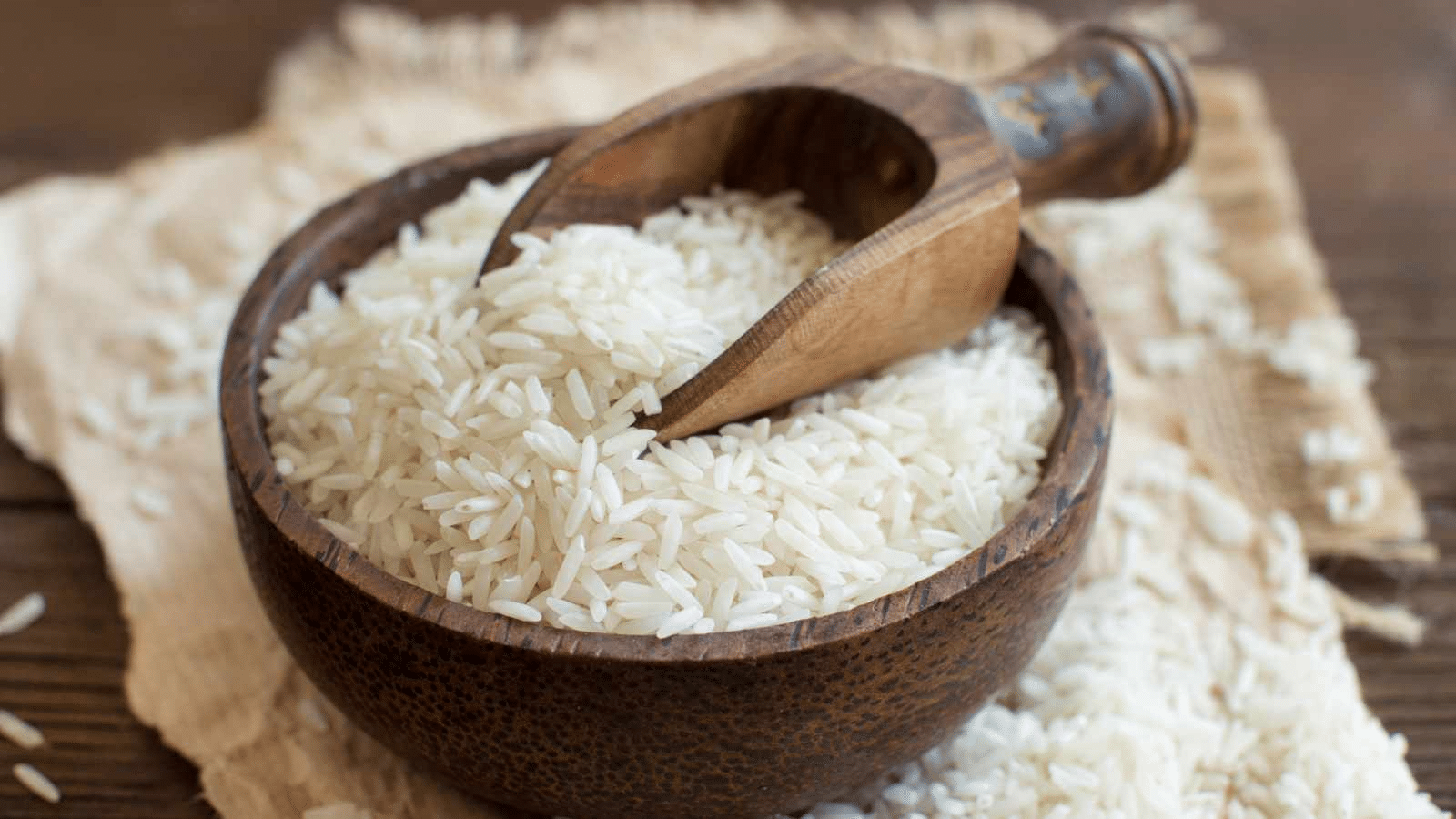
16 Grocery Staples to Stock Up On Before Prices Spike Again
I was in the grocery store the other day, and it hit me—I’m buying the same things I always do, but my bill just keeps getting higher. Like, I swear I just blinked, and suddenly eggs are a luxury item. What’s going on?
Inflation, supply-chain delays, and erratic weather conditions have modestly (or, let’s face it, dramatically) pushed the prices of staples ever higher. The USDA reports that food prices climbed an additional 2.9% year over year in May 2025—and that’s after the inflation storm of 2022–2023.
So, if you’ve got room in a pantry, freezer, or even a couple of extra shelves, now might be a good moment to stock up on these staple groceries—before the prices rise later.
6 gas station chains with food so good it’s worth driving out of your way for
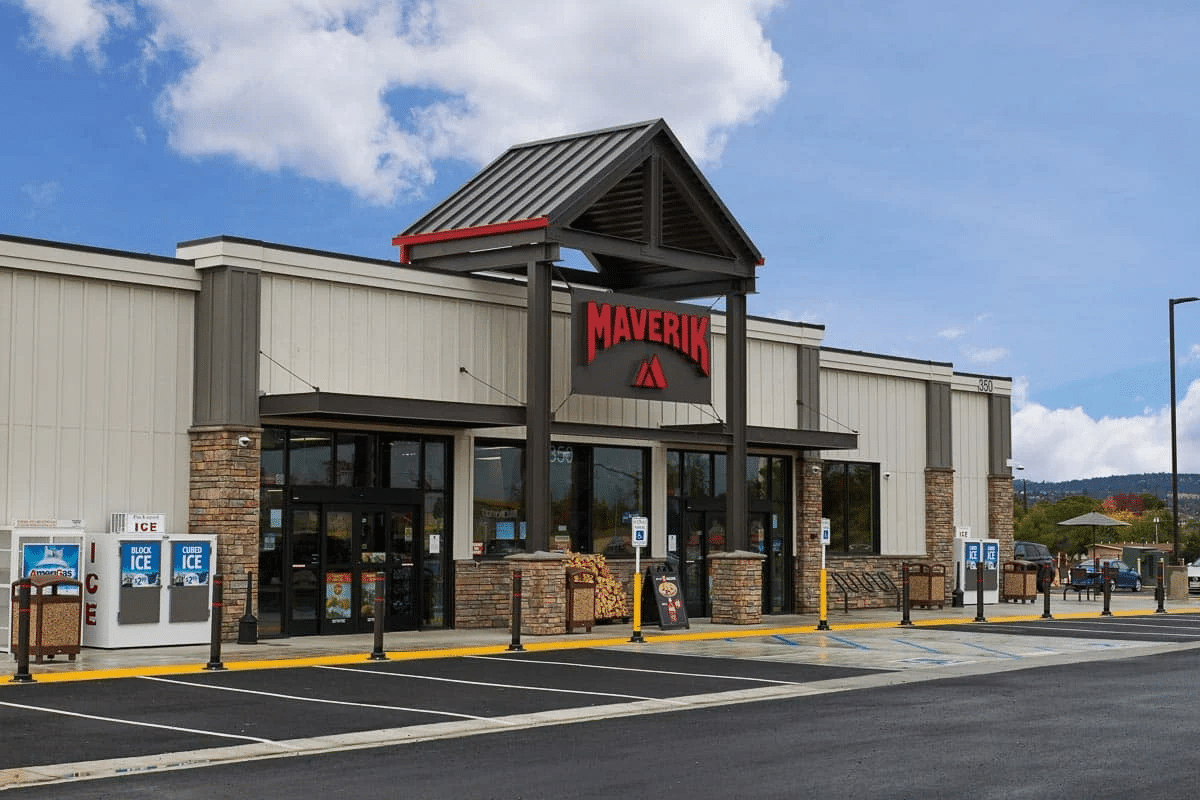
6 Gas Station Chains With Food So Good It’s Worth Driving Out Of Your Way For
We scoured the Internet to see what people had to say about gas station food. If you think the only things available are wrinkled hot dogs of indeterminate age and day-glow slushies, we’ve got great, tasty news for you. Whether it becomes part of a routine or your only resource on a long car trip, we have the food information you need.
Let’s look at six gas stations that folks can’t get enough of and see what they have for you to eat.





